Macro Dynamics & Engineering Challenges
In modern construction and mechanical systems design, mitigating noise pollution has transitioned from a compliance checking exercise to a fundamental requirement. Regulatory frameworks such as LEED v4.1, WELL Building Standards, and national environmental protection laws enforce stringent acoustic thresholds. As a result, Open Cell Acoustic Insulation has emerged as the premier solution for designers looking to achieve optimal Noise Reduction Coefficients (NRC).
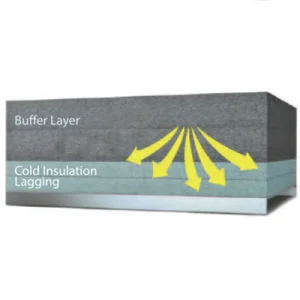
Unlike standard insulation systems, open-cell architectures feature networks of interconnected air passages. When acoustic waves enter the cellular structure of NBR, PVC, or polyurethane configurations, the tortuous pathways create viscous air friction. This converts sound energy into localized thermal energy, damping both structure-borne and airborne noises.

Large-scale infrastructure project engineers demand more than basic thermal performance; they require standardized certification compliance, supply chain continuity, and deep technical support.
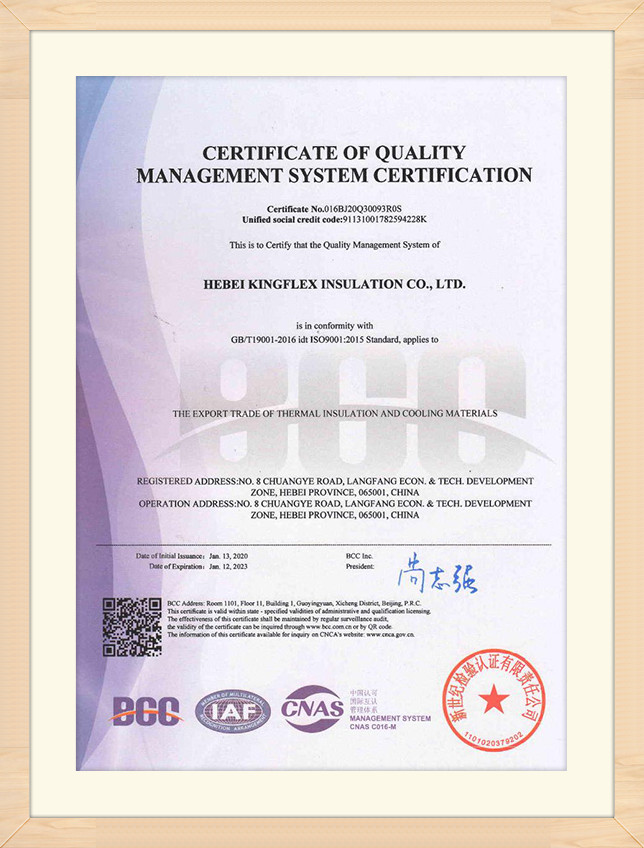
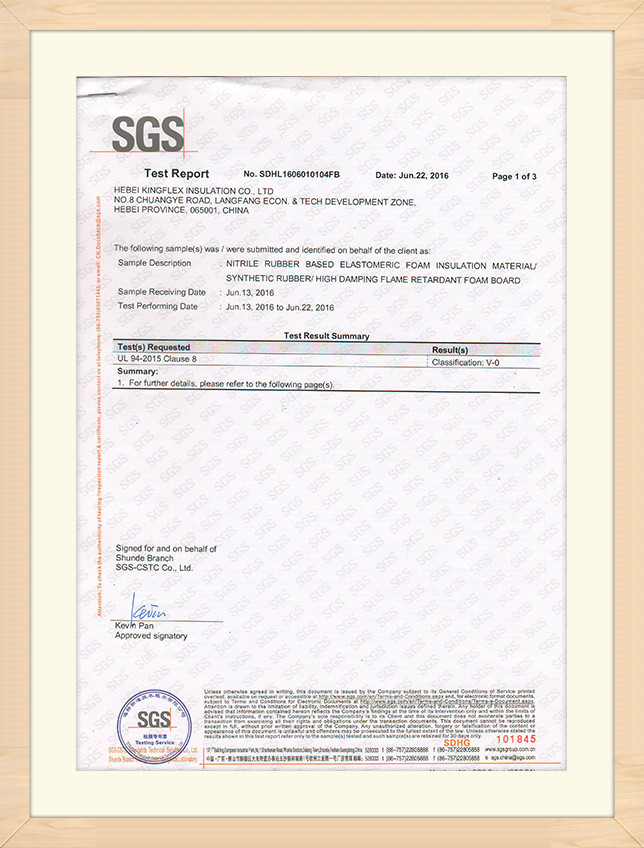
Global supply mandates compliance with certifications such as BS 476, CE, REACH, RoHS, UL94, and ASTM. Raw materials must be traced, documented, and consistently evaluated to ensure fire safety and low environmental impact.
HVAC configurations vary globally. Project designers require varying thickness options (from 6mm up to 50mm) and specific density gradients (40-55kg/m³) to coordinate with varying physical space limits and acoustic requirements.
Insulation elements must withstand industrial humidity and chemical exposure without losing physical integrity or structural resilience over their projected 10 to 15-year operational lifecycle.
M³ Annual Production Capacity
Years of Industrial History
Countries Exported Globally
Dedicated R&D Engineers
China Factory 4.0 Paradigm
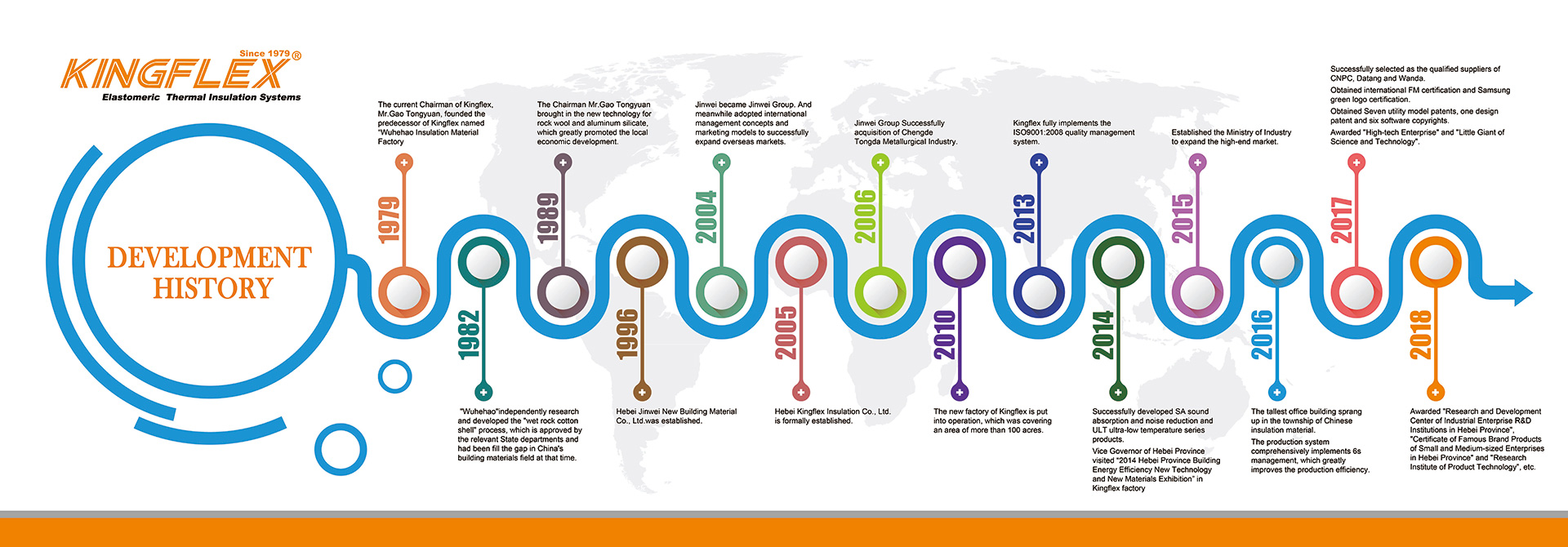
Operating within Dacheng, Dacheng — the prominent capital of green building materials in China — Kingflex Insulation Co., Ltd. demonstrates the advantages of Industry 4.0 integration. The facility operates 5 large automatic assembly lines, ensuring precision during processing.
By digitizing raw material preparation, continuous vulcanization, and cellular structural controls, we produce foam structures with consistent density profiles. This optimization supports sound dampening performance while minimizing resource usage.
This localized cluster allows us to maintain direct control over chemical suppliers, enabling stable raw material pricing and rapid fulfillment schedules, even during complex international market cycles.
Explore the physical metrics and application guidelines for our primary elastomeric product lines.
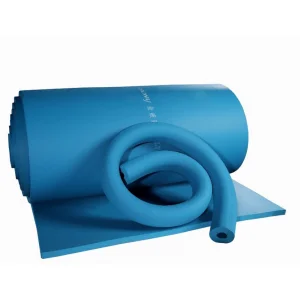
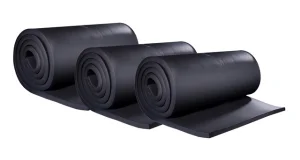
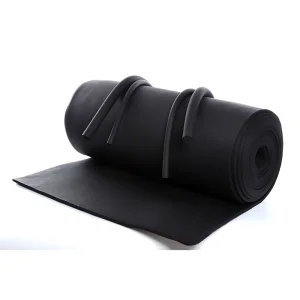
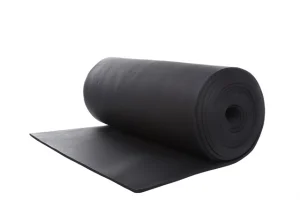
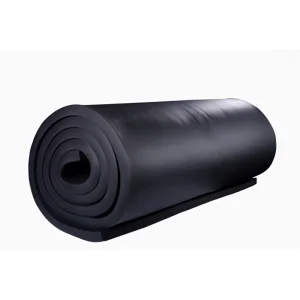
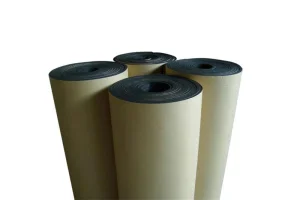
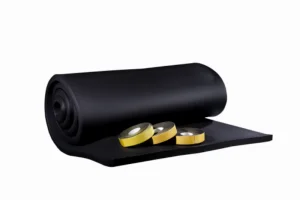
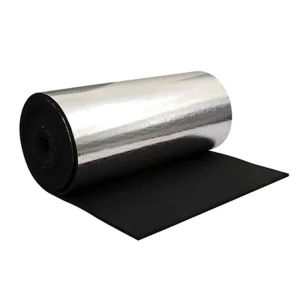
| Black Rubber Foam Insulation Sheet Roll Specification | |
|---|---|
| Base Material Chemistry | NBR/PVC blend formulation for flexibility and durability |
| Available Thickness Range | 6mm to 50mm (Customizable options available) |
| Density Profile | 40 - 55 kg/m³ for acoustic damping balance |
| Operational Temp. Range | -40℃ to 105℃ (Suitable for cold and warm systems) |
| Key Advantages | Foams evenly and fully, closed-cell rate over 98%, excellent thermal insulation, compression resilience over 80%, flame retardant and self-extinguishing. |
| Primary Applications | HVAC ducts, industrial plants (steam lines/storage tanks), building envelopes (walls, roofs, basements), rail transit carriages, cold chain logistics. |
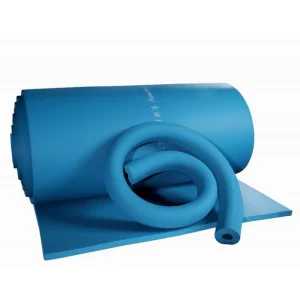
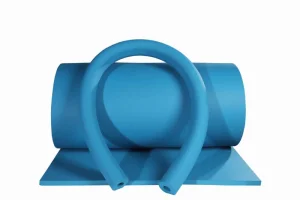
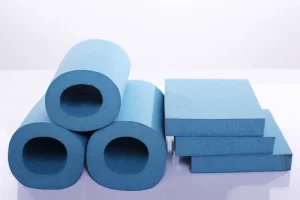
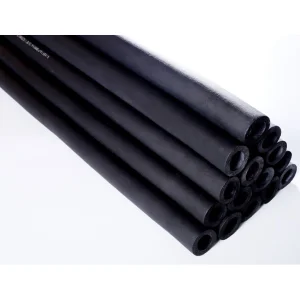
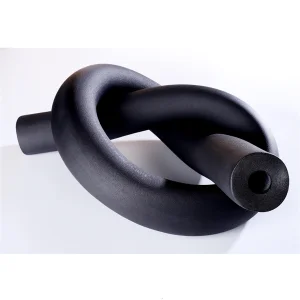
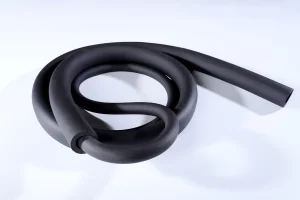
| Black Rubber Foam Insulation Pipe Specification | |
|---|---|
| Base Material Chemistry | NBR/PVC with dynamic vulcanization parameters |
| Thickness Limits | 9mm to 40mm |
| Inner Diameter (ID) Bounds | 6mm to 114mm (Compatible with global pipe standards) |
| Density Profile | 40 - 55 kg/m³ |
| Key Advantages | Even internal coatings from specialized spraying equipment, high moisture resistance, reduced risk of pipe freezing/cracking. |
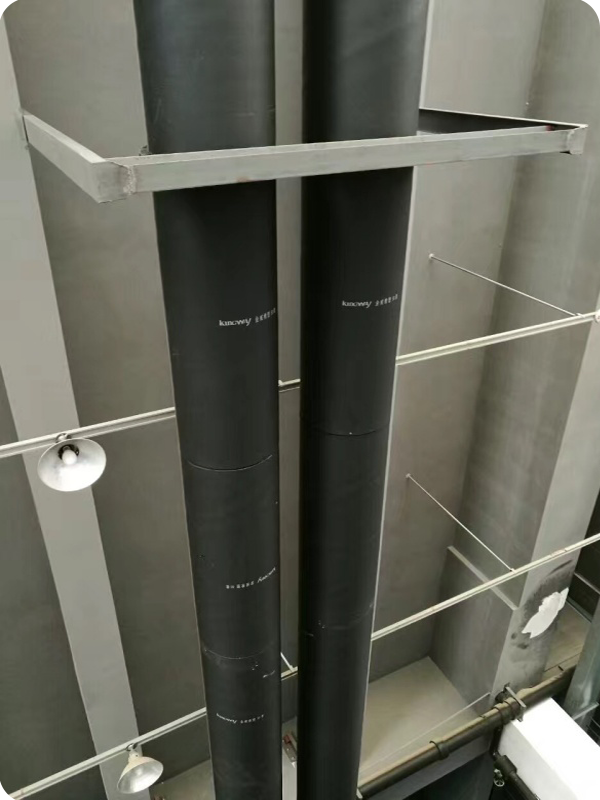
| Primary Applications | Central air conditioning chilled/hot water pipes, condensate drainage, plumbing lines, solar systems, industrial petrochemical piping. |
E-E-A-T: Trust & Authority
Kingflex was founded as a key business unit of the Jinwei Group, which possesses over 40 years of industry experience. Established in 1979, Jinwei Group was the pioneer manufacturer of thermal insulation materials north of the Yangtze River.
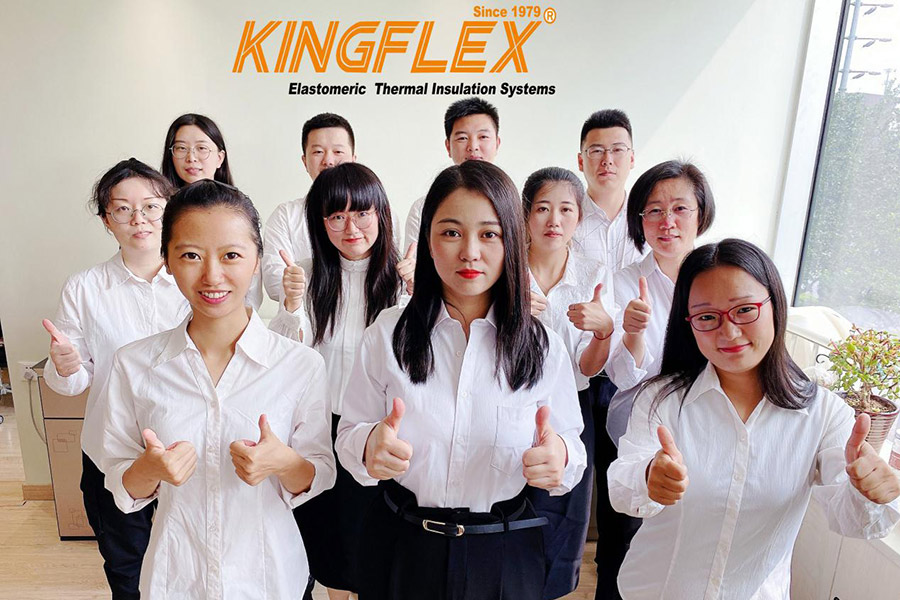
Today, our R&D group comprises 8 specialized material science engineers focused on cell refinement, low-emission formulations, and high-frequency noise absorption profiles. They work closely with testing institutions to verify compliance with global safety standards.


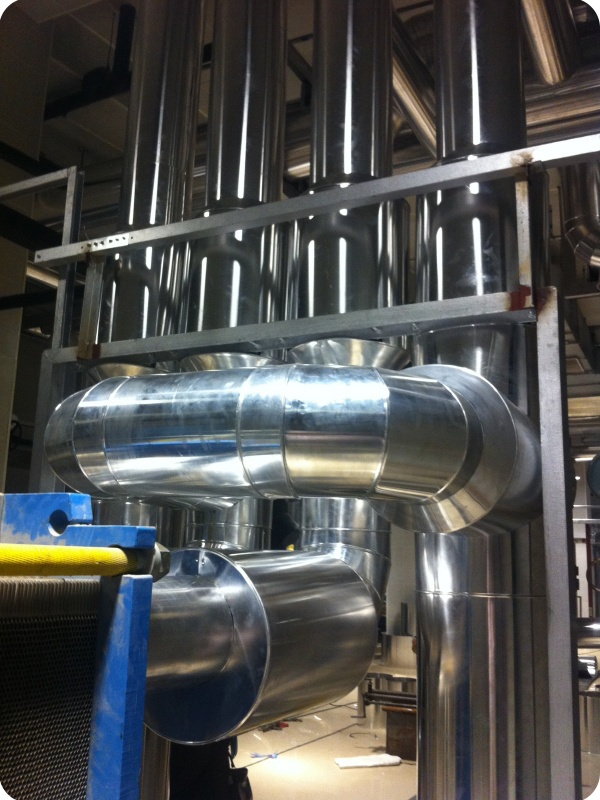
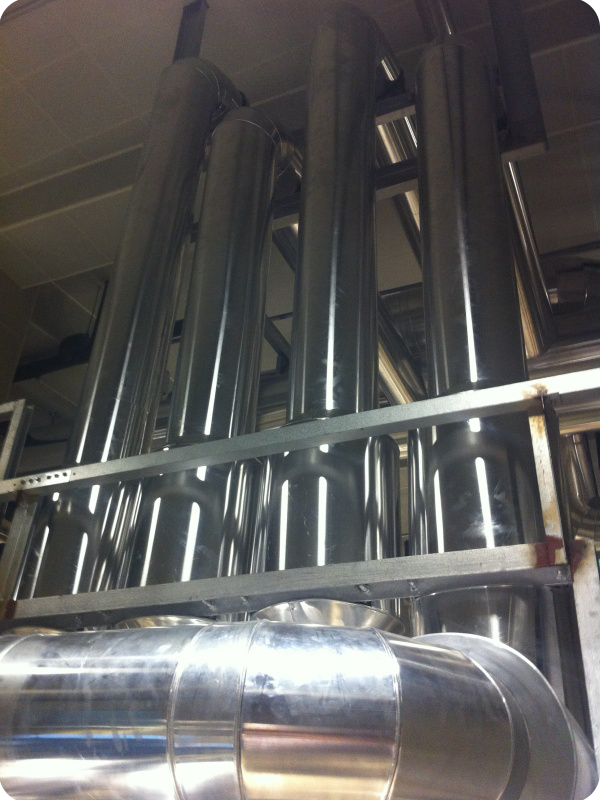
Air flow dynamics inside rectangular ducts create low-to-mid frequency vibrations. Installing open-cell insulation inside plenum chambers dampens fan noise, helping buildings satisfy commercial NC (Noise Criterion) rating targets.
Cleanroom environments must limit particulate shedding. Kingflex elastomeric materials generate minimal fiber dust compared to traditional glass or rock wool, helping preserve air quality in pharmaceutical facilities.
In LNG transport and processing plants, cold preservation is critical. Our low-temperature elastomeric formulations combine thermal barriers with high mechanical resilience to prevent stress cracking in cryogenic pipelines.

Technical Reference
Direct responses to common inquiries from acoustic engineers, procurement managers, and mechanical consultants.
 Kingflex