Explore our specialized closed-cell elastomeric foam tubes, cryogenic insulation, and acoustic materials engineered for robust industrial performance.
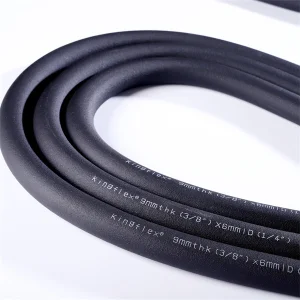
A deep dive into thermodynamics, ASTM C680 formulas, and mechanical engineering guidelines for minimizing thermal degradation.
Calculating the thickness of insulation on steam pipelines requires resolving multi-layered radial thermal heat transfer variables. According to Fourier's Law of heat conduction in a cylindrical configuration, the heat loss per unit length ($q_L$) is formulated as: $q_L = 2\pi k (T_i - T_o) / \ln(r_o / r_i)$. In high-pressure steam environments, minimizing surface temperature to ensure personnel safety (typically keeping touch temperatures below 60°C or 140°F) acts as the primary constraint variable.
For saturated steam lines routed through outdoor or sub-ambient environments, thermal calculations must evaluate localized dew point temperatures. The minimum insulation thickness required to prevent condensation ($x$) is proportional to the difference between ambient air temperature and surface dew point. Closed-cell elastomeric formulations prevent the migration of ambient water vapor, maintaining dry conditions even when exposed to severe localized relative humidity fluctuations.
Beyond thermal mechanics, modern processing facilities apply the Economic Insulation Thickness model. This computational approach balances the initial capital expenditure (CAPEX) of purchase and installation costs against the ongoing operational energy savings (OPEX) over a 15-to-20-year service lifecycle. Kingflex's proprietary closed-cell configuration maintains a stable thermal conductivity coefficient ($k$-value) of ≤0.035 W/(m·K), ensuring peak lifecycle value.
1. Internal Operating Temperature ($T_{int}$): Typically ranges from 120°C up to continuous high peaks depending on steam configuration.
2. Ambient Environmental Conditions ($T_{amb}$): Design models must calculate values based on regional wind speed data and absolute humidity curves.
3. Pipe Emissivity: Bare steel has low emissivity (around 0.2), while elastomeric cladding reaches 0.9, accelerating radiation dissipation if not insulated properly.
4. Thermal Conductivity ($k$): Varies dynamically across operating temperatures. Testing data according to ASTM C177/C518 standards is vital.
Why multi-national EPC contractors, chemical plants, and heavy manufacturing organizations are transitioning to high-durability elastomeric insulation systems.
Under modern net-zero mandates (such as EU-ETS and Scope 1 & 2 emissions reporting), energy loss along steam networks is no longer just a financial cost—it directly impacts corporate carbon compliance. Using precise thickness calculations ensures that steam networks run at high efficiency, reducing boiler energy demand and fuel consumption.
CUI is a major maintenance issue for pipelines globally. Fibrous materials like rock wool and glass wool can trap moisture, accelerating electrochemical corrosion on steel pipes. In contrast, closed-cell NBR/PVC structures form a built-in vapor barrier (moisture resistance factor μ ≥ 10,000), protecting pipes and reducing maintenance costs.
In petrochemical plants and processing projects, fast installation is crucial. Lightweight, flexible rubber-foam sleeves slide directly onto piping during construction. High compression resilience (≥80%) makes it easier to insulate elbows, valves, and complex manifolds, saving labor costs during shutdowns.

Kingflex Insulation Co., Ltd. integrated production plant and manufacturing headquarters.
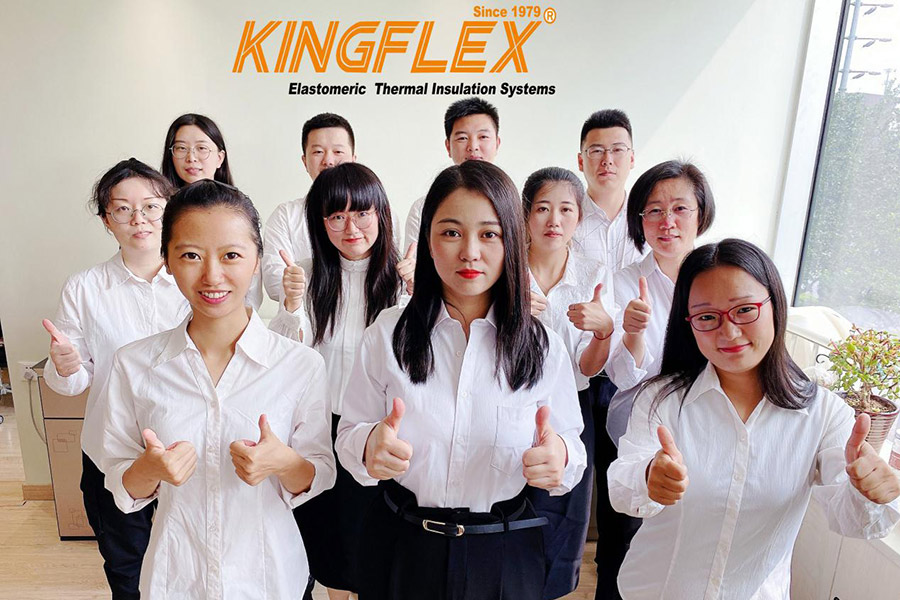
Our dedicated manufacturing and quality control team at the Dacheng facility.
Kingflex Insulation Co., Ltd. is an integrated manufacturing and trading business specializing in high-quality thermal insulation products. Our R&D and production facilities are based in Dacheng, China—a major hub for green building materials. We operate with a strong focus on energy saving and green production, delivering end-to-end solutions through technical consulting, high-volume production, installation support, and after-sales service.
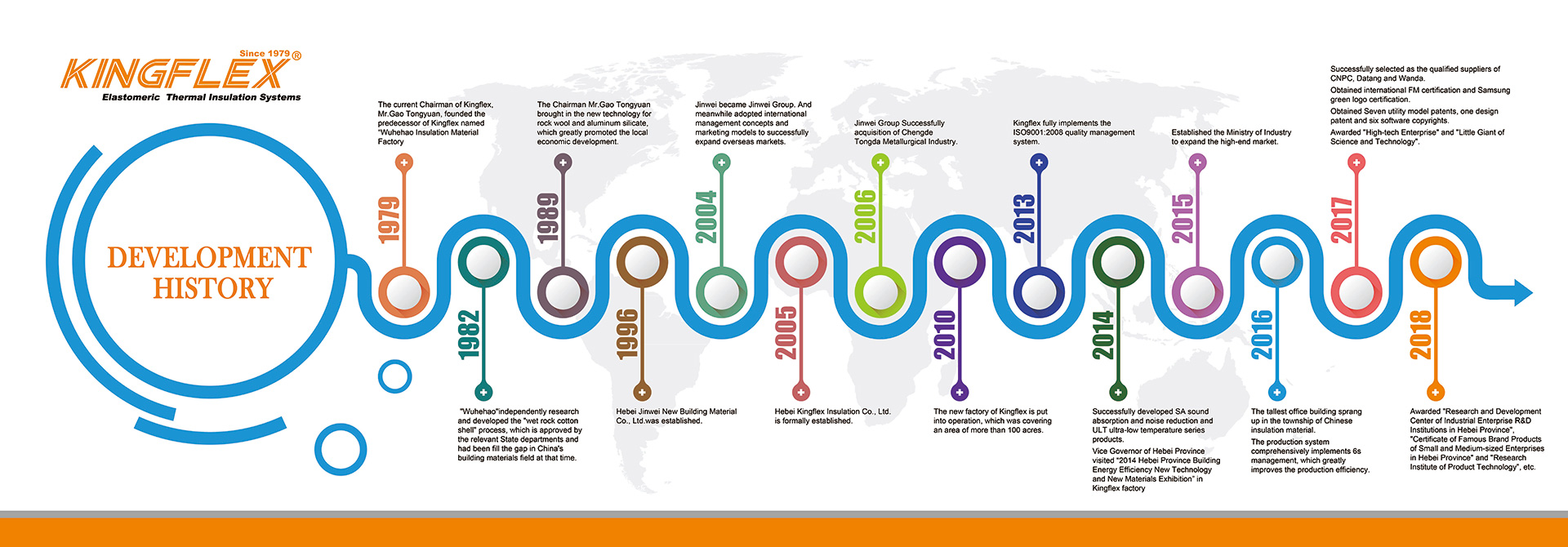
Established by the Jinwei Group, which has over 40 years of history, Kingflex carries forward a legacy of reliability. Jinwei Group, founded in 1979, was the first manufacturer of thermal insulation materials north of the Yangtze River. Today, Kingflex is a recognized manufacturer supplying energy-saving products to major industrial projects worldwide.
Our team includes 8 professional R&D engineers, 6 international sales specialists, and 230 production workers. With 5 automated assembly lines, we produce over 600,000 cubic meters of insulation material annually. Kingflex is an approved thermal insulation supplier for energy, power, and chemical infrastructure projects across 66 countries.
High-precision production processes and modern quality control systems are the foundations of Kingflex technology.
5 automated extrusion and foaming lines ensure consistent cell structure and thickness tolerances.
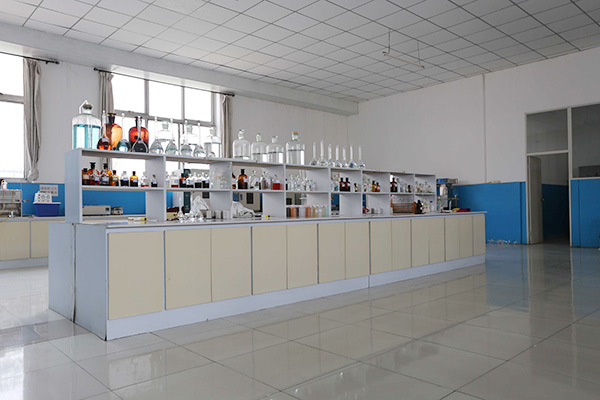
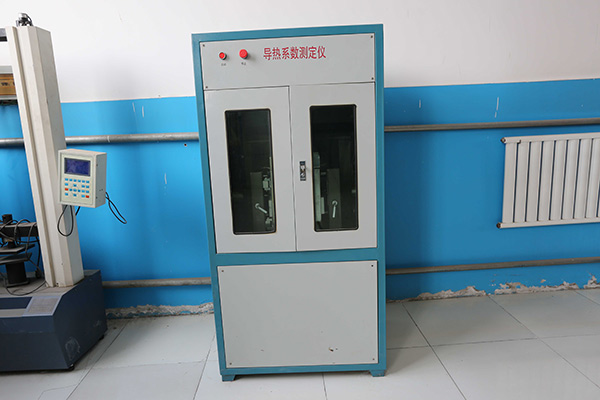
We test every batch for thermal conductivity, aging, flame retardancy, and moisture permeability.

Continuous quality checks ensure products meet density and performance specifications.
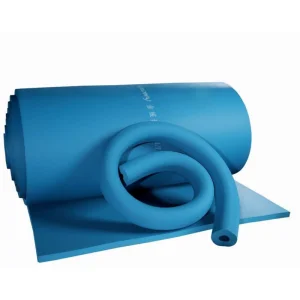
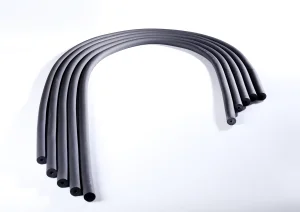
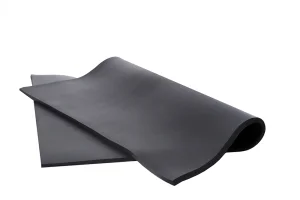
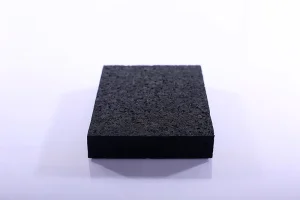
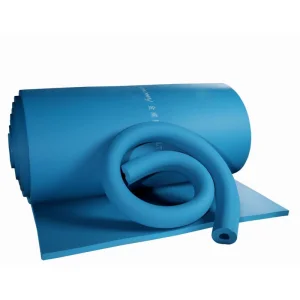
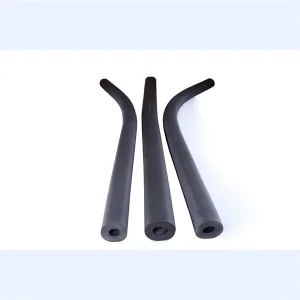
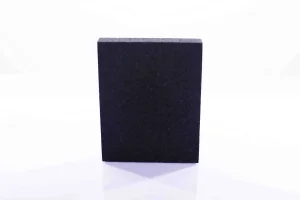
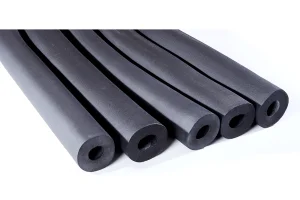
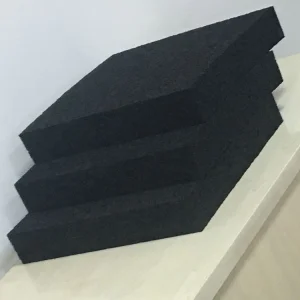
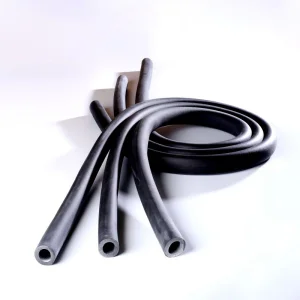
Engineering specifications for Black Rubber Foam Sheets, Rolls, and Pre-formed Piping.
Our closed-cell structure blocks air movement to deliver long-term thermal resistance.
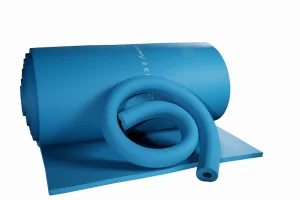
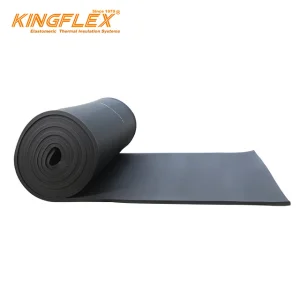
Our sheet rolls are designed for large pipes, vessels, and HVAC duct systems that require high thermal efficiency and condensation control.
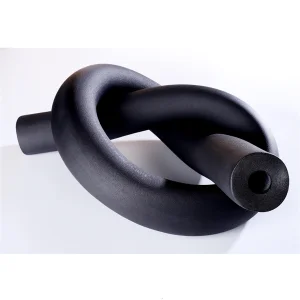
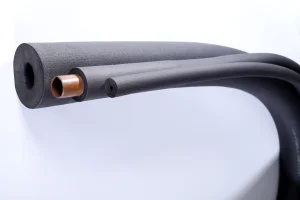
These pre-molded sleeves slide easily onto copper, iron, and steel pipelines, helping to cut down on-site preparation and labor costs.
| Performance Characteristic | NBR/PVC Elastomeric Foam | Rock Wool / Mineral Fibers | Calcium Silicate Board |
|---|---|---|---|
| Thermal Conductivity (at 20°C) | ≤ 0.035 W/(m·K) | ≤ 0.040 W/(m·K) | ≤ 0.058 W/(m·K) |
| Moisture Absorption Behavior | < 0.2% by volume (Closed Cell ≥98%) | Hydrophilic (Absorbs liquid moisture) | Highly porous (Absorbs water readily) |
| Vapor Permeability Coefficient (μ) | ≥ 10,000 (Built-in barrier) | μ ≈ 1 (Requires external jacket) | μ ≈ 1 (Requires external jacket) |
| Corrosion Resistance (CUI Risk) | Zero risk of water ingress (Protective) | High risk if protective jacket fails | High risk if protective jacket fails |
| Physical Flexibility & Elasticity | Excellent, highly elastic rubber matrix | Brittle, prone to fiber shedding | Rigid, easily cracked under vibration |
Kingflex products undergo testing and certification by global safety, environmental, and thermal inspection bodies.
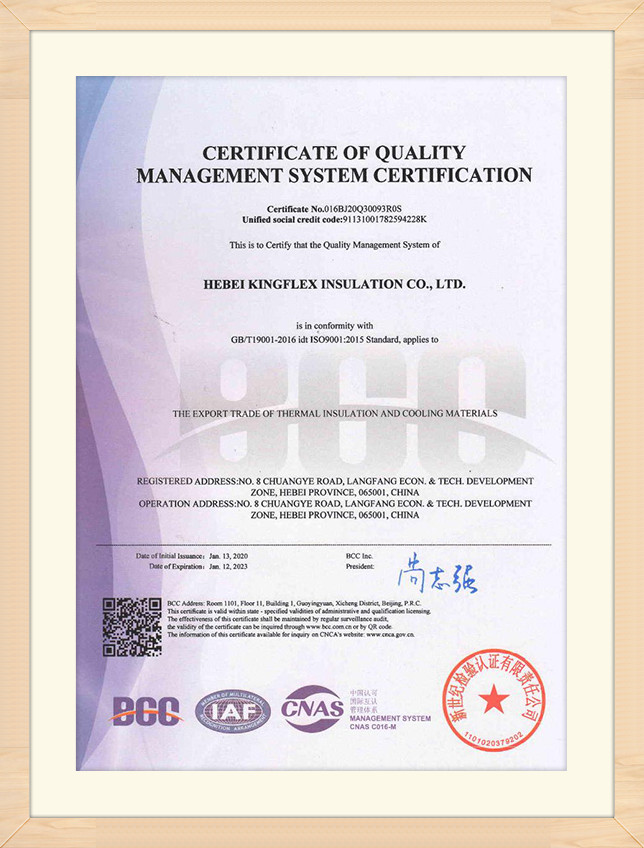


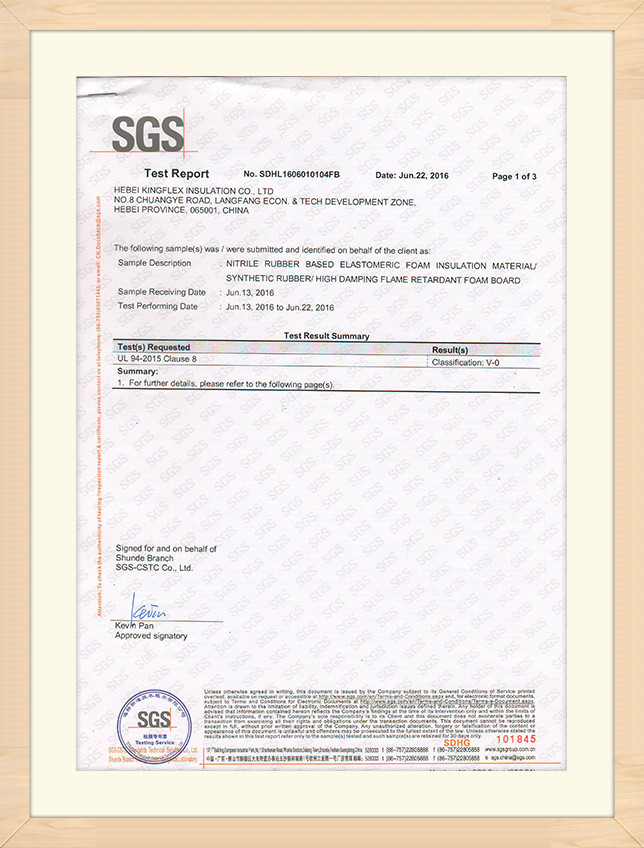
Certified under BS 476 (Parts 6 & 7, Class 0/Class 1) and UL94 (V-0 rating), our rubber foam limits flame spread and smoke development in active fire conditions.
Fully compliant with European Union REACH and RoHS regulations. Free from fluorocarbons, volatile organic solvents, asbestos, and hazardous heavy metals.
Tested in accordance with ASTM C518 and ISO 8497, confirming consistent thermal insulation performance and density controls.
A practical design methodology for engineers and energy managers to calculate optimal insulation thicknesses.
Identify the design goal for the steam system. Typical goals include maintaining a specific touch-safe surface temperature, restricting heat loss to a set limit (e.g., <80 W/m²), or preventing surface condensation.
Record key system parameters: internal operating temperature, nominal pipe size (NPS), ambient air temperature, wind velocity, and relative humidity.
Identify the thermal conductivity ($k$) of the insulation material at the system's average operating temperature. Note that $k$-values rise as temperatures increase.
Calculate the insulation thickness using ASTM C680 formulas or professional modeling software. Adjust thickness to ensure surface temperatures stay within target limits.
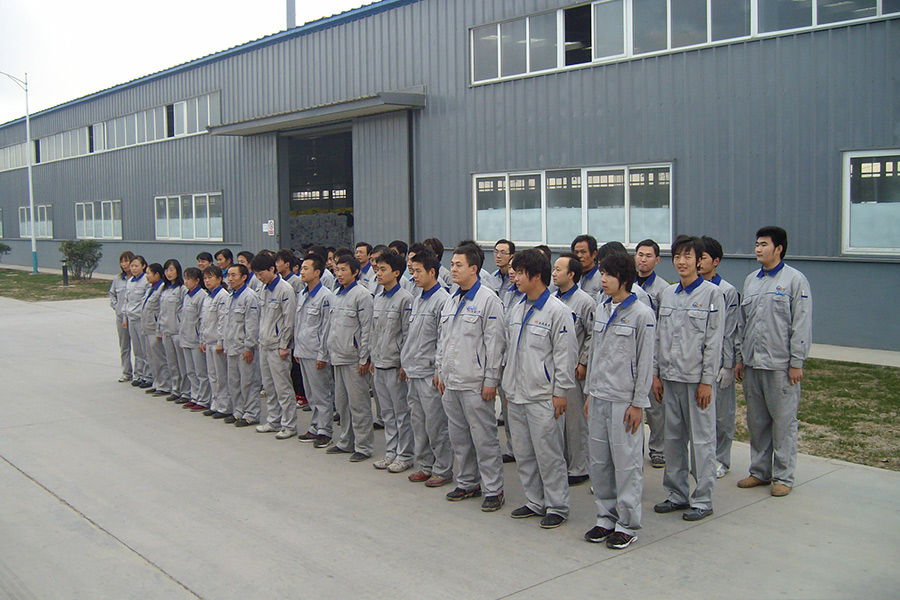
Our technical engineering team reviews pipeline designs and insulation calculations.
Read feedback and purchase inquiries from international distributors and engineers working with Kingflex.


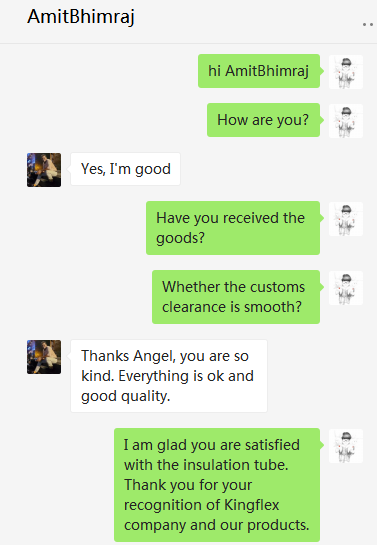

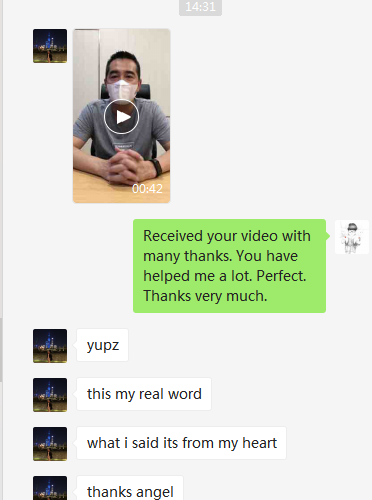
A regional distributor in Latin America needed insulation for a mid-temperature steam pipeline grid at a textile chemical plant. The original mineral wool insulation was failing due to moisture absorption and mechanical damage, leading to high energy loss and pipe surface corrosion. Our engineering team calculated that replacing it with 32mm Kingflex Elastomeric NBR Foam Pipe Insulation would prevent condensation and reduce heat loss by 37%. This change resulted in an estimated payback period of 14 months, while resolving the plant's moisture-related corrosion issues.
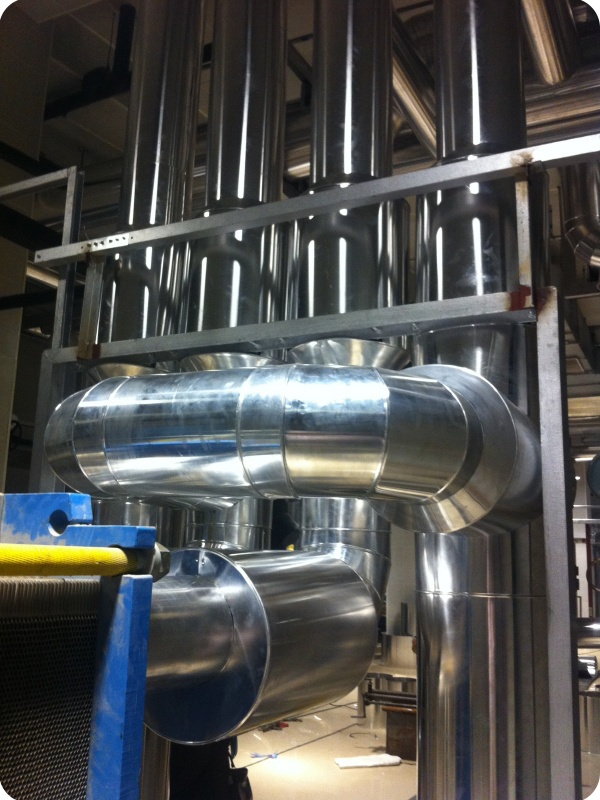
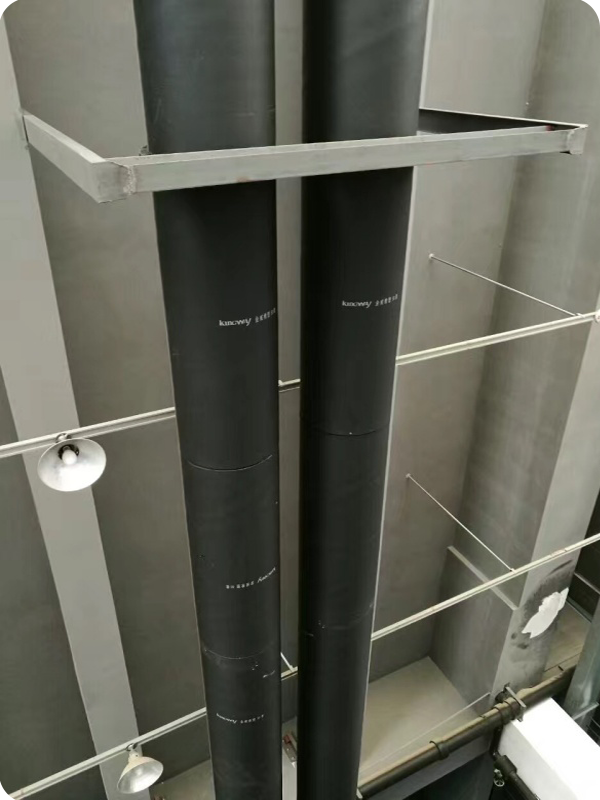
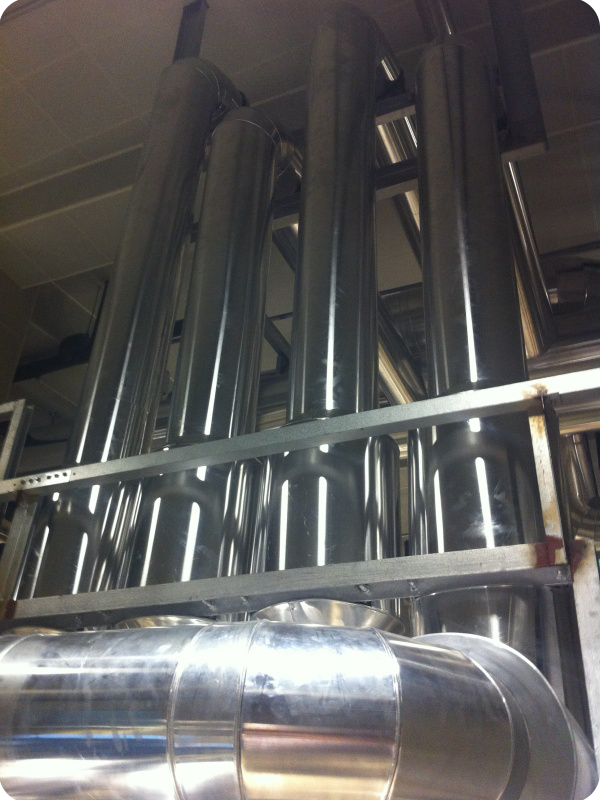
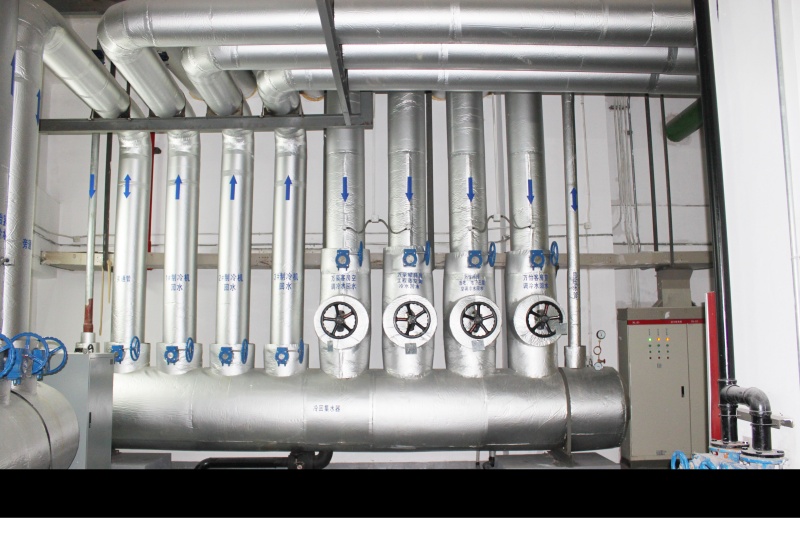
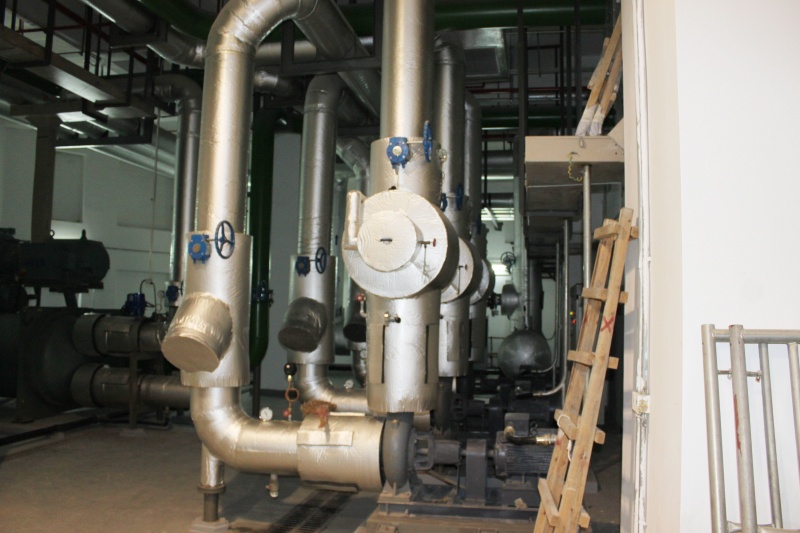
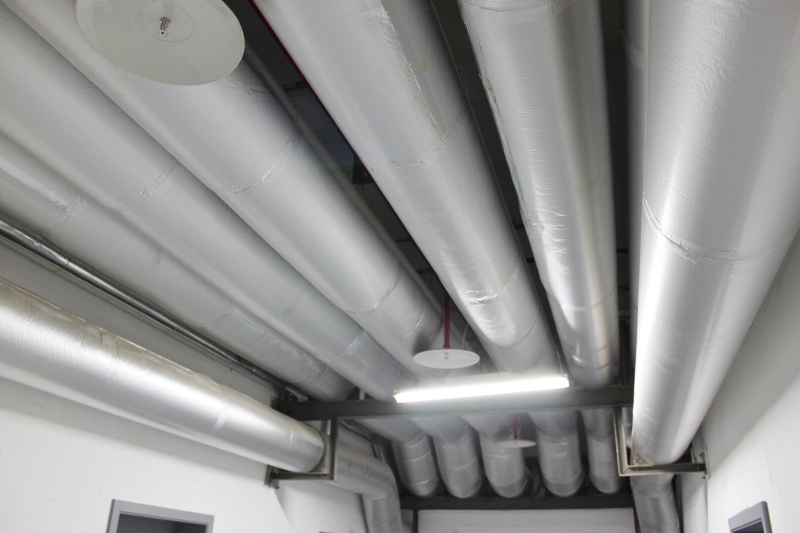
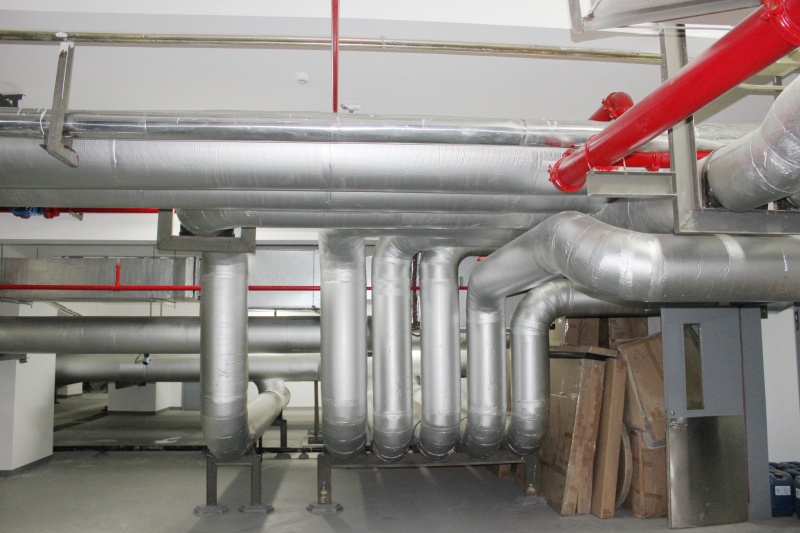
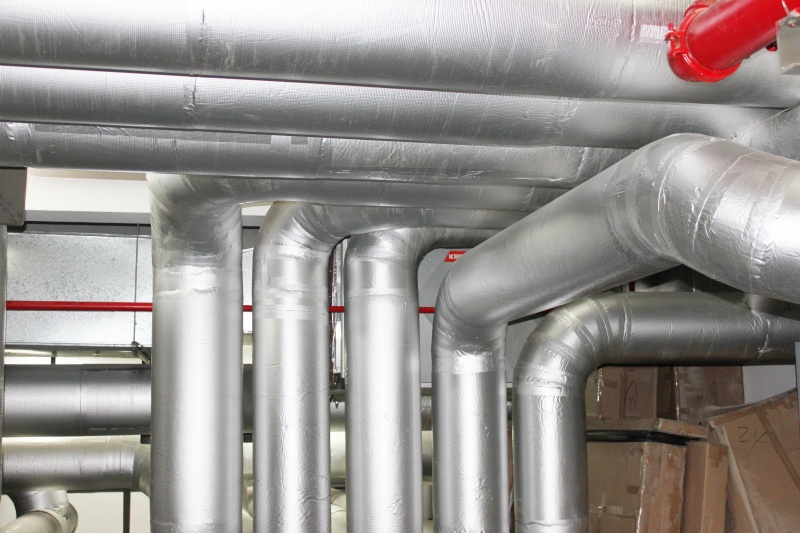
Kingflex insulation materials are applied in commercial and industrial settings worldwide.




Technical answers to common questions about steam pipe calculations, elastomeric foam performance, and industrial insulation selection.
Select from our product range to find the right thermal performance match for your project.
Browse through our product lines categorized by base material and thermal profile properties.







 Kingflex