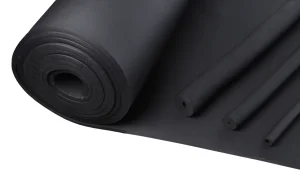
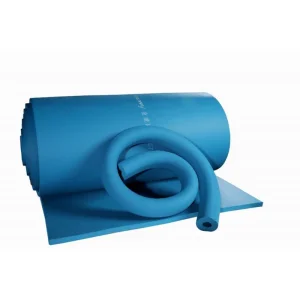
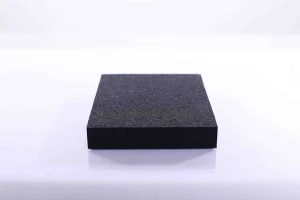
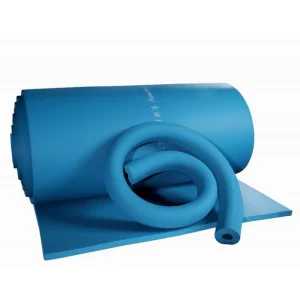
Engineered Closed-Cell and Open-Cell Materials for HVAC, Cryogenic Systems, and Commercial Construction
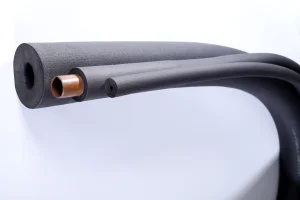
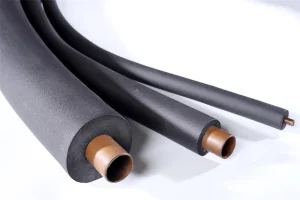
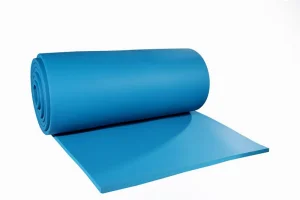
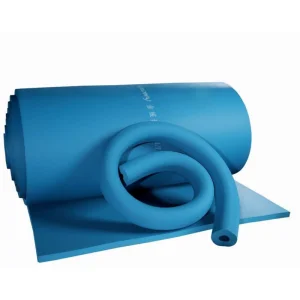
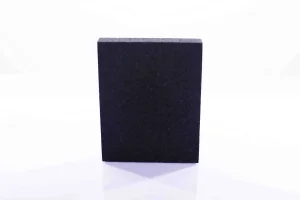
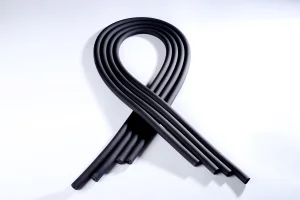
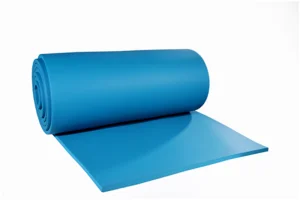
In modern industrial design, thermodynamics and material efficiency are the cornerstones of sustainable development. The global demand for structural foam sheets, particularly NBR/PVC closed-cell elastomeric foam, has registered exponential growth. Historically used for simple pipe wraps, today's advanced elastomeric foams are deployed in mission-critical applications including liquefied gas storage, deep cryogenic chemical transport, green commercial buildings, and aerospace thermal protection systems.
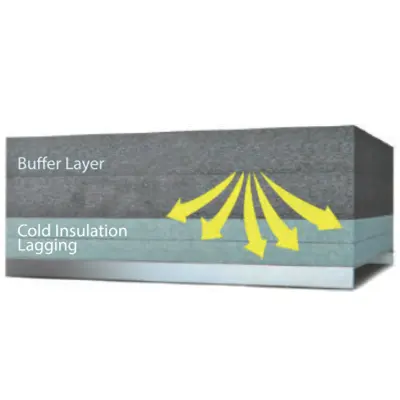
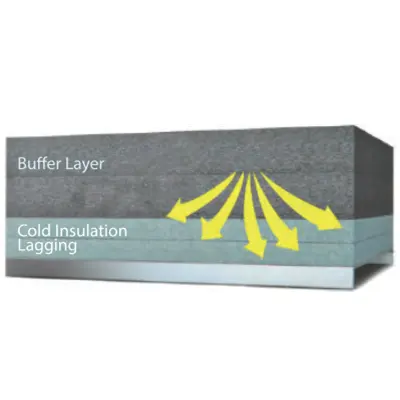
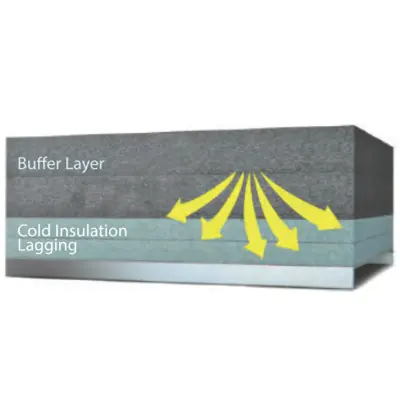
As the international community converges on carbon-neutral goals, mechanical engineers and procurement executives realize that reducing thermal bridges is the easiest path to high efficiency. A well-designed thermal insulation barrier must not only resist heat transfer but also prevent moisture ingress. Under high humidity, open-cell insulation materials act like sponges, drastically dropping their thermal resistance (R-value). In contrast, engineered closed-cell structural foam sheets maintain a persistent physical barrier, preventing condensation and corrosion under insulation (CUI) indefinitely.
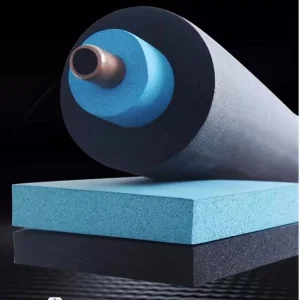
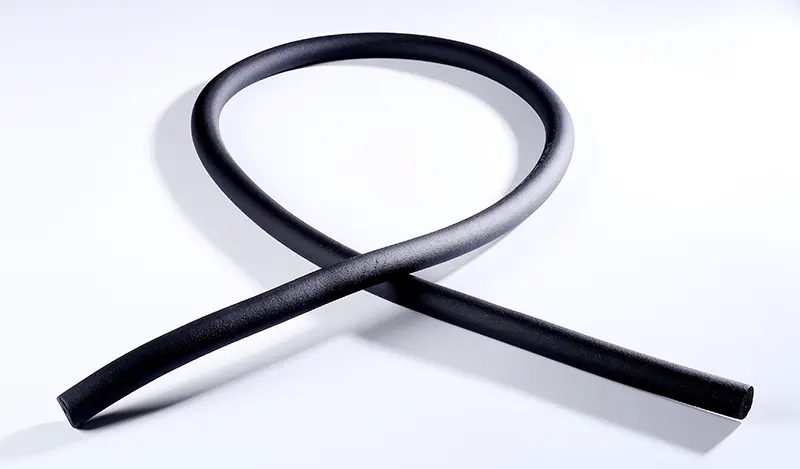
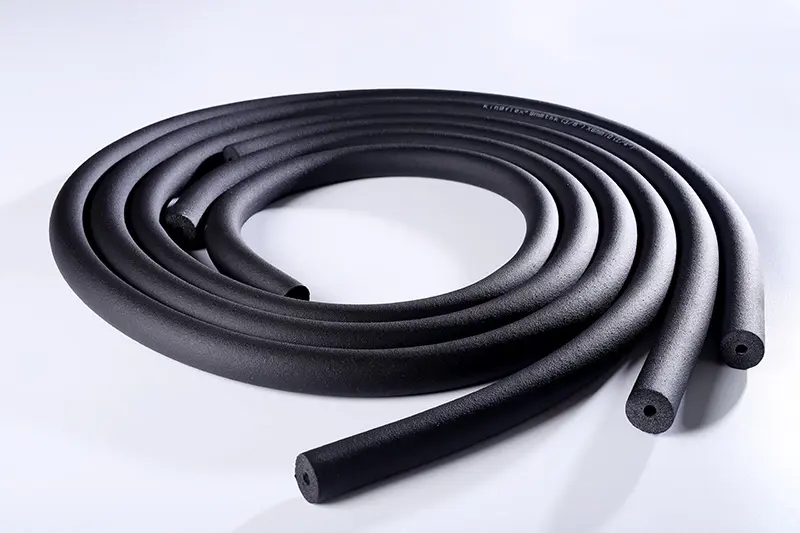
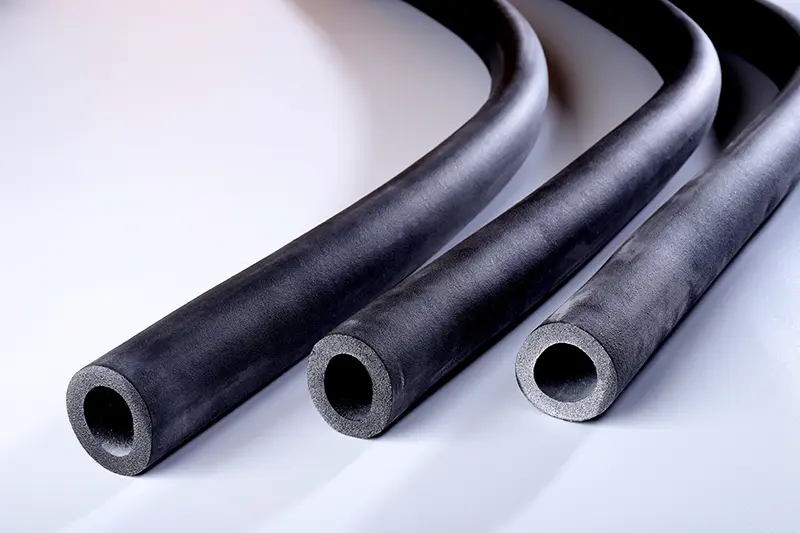
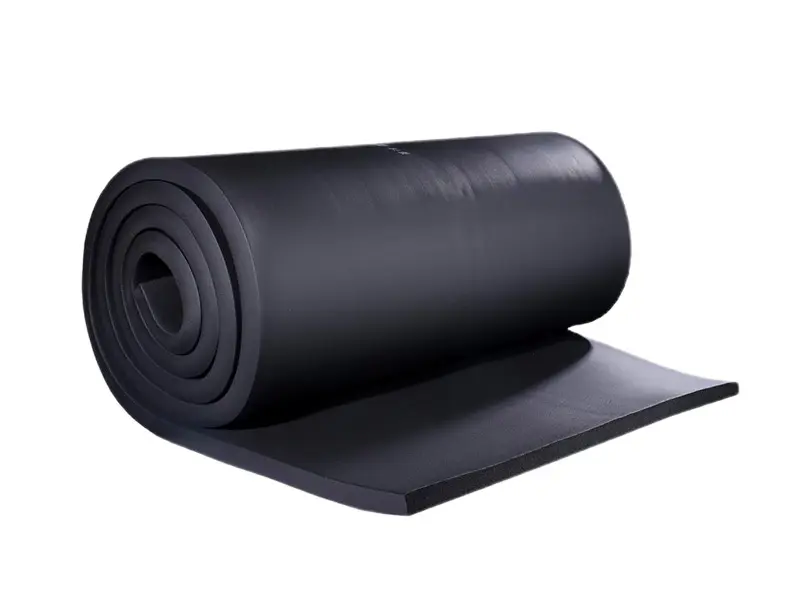
Our research and development program focuses on long-term molecular stability. By blending Nitrile-Butadiene Rubber (NBR) and Polyvinyl Chloride (PVC) into a vulcanized foam matrix, we achieve structural elasticity combined with highly uniform, microscopic cells. This structure acts as a passive barrier against heat radiation, convection, and conduction, leading the global transition away from old fiberglass and asbestos materials.
To accurately understand the performance of Kingflex elastomeric structural foam sheets, check our standard engineering dimension data sheet below. We optimize each product batch to match the stringent requirements of ASTMC534 and European standards.
| Performance Parameter | Value / Range | Testing Standards |
|---|---|---|
| Material Matrix | Nitrile-Butadiene Rubber & PVC Blend (NBR/PVC) | GB/T 17794 / ASTM C534 |
| Thickness Range | 6mm to 50mm (Sheets/Rolls) | ISO 1923 |
| Density Range | 40 - 55 kg/m³ | ASTM D1622 / ISO 845 |
| Thermal Conductivity (λ) | ≤ 0.034 W/(m·k) at 0℃ | ASTM C518 / ISO 8301 |
| Moisture Resistance Factor (μ) | ≥ 10,000 (Built-in Vapor Barrier) | BS EN 12086 |
| Service Temperature Limit | -40℃ to +105℃ (Ultra-low/Cryogenic models available) | ASTM C411 |
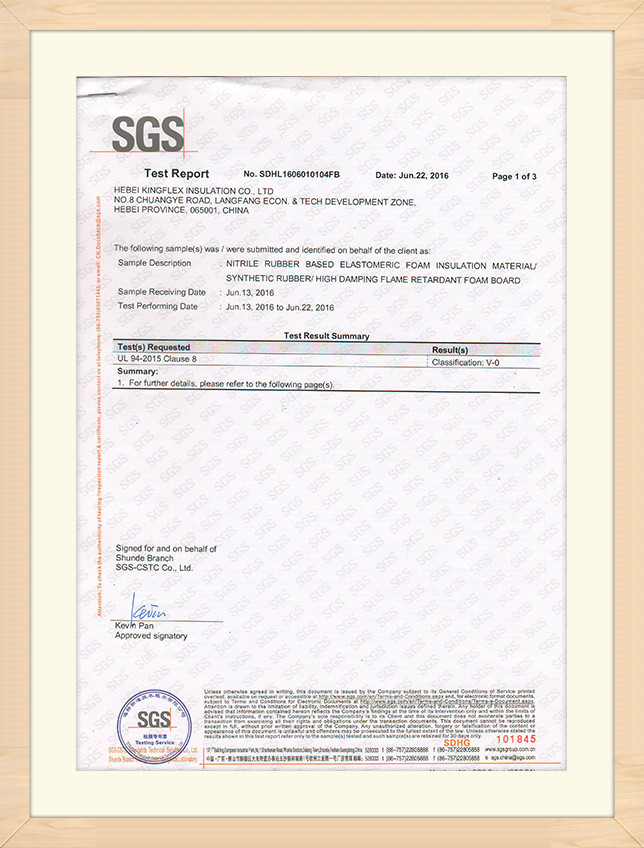
| Fire Retardant Class | Class 0 / Class 1 / BS 476 Part 7 / UL94 V-0 | BS 476, UL94, DIN 4102 |
| Compression Resilience | ≥ 80% (Excellent structural recovery) | ASTM D1667 |
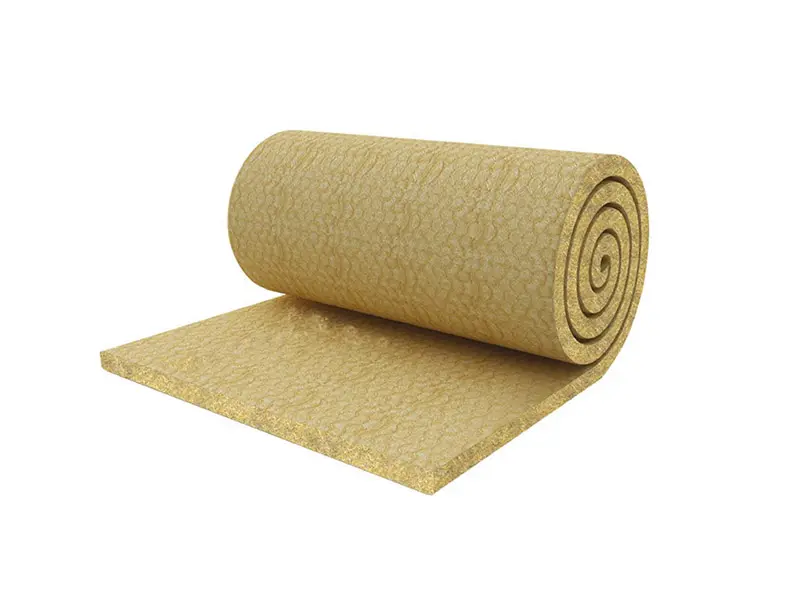
Our material is chemically inert, CFC/HCFC-free, and exhibits minimal outgassing. This profile makes it perfect for cleanroom environments, hospitals, and critical microelectronics plants. The closed-cell structure prevents dust accumulation and fiber shedding, resolving the primary maintenance problems of traditional mineral wool and glass fiber blankets.
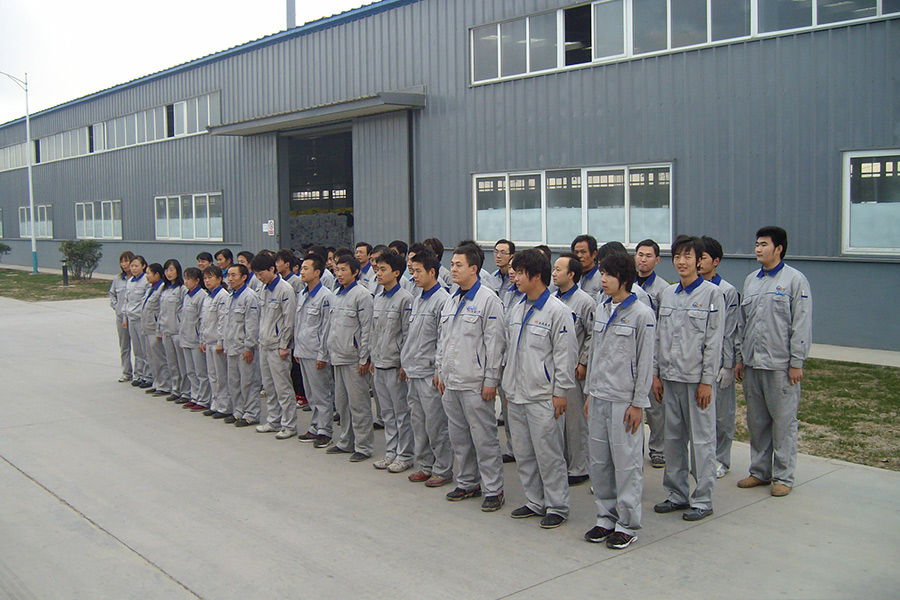
Located in the famous green-building materials capital of Dacheng, China, Kingflex Insulation Co., Ltd. represents the high point of large-scale elastomeric processing. Since our establishment by the Jinwei Group (which has an honorable history spanning over 40 years since 1979), we have transformed from a regional manufacturer to a global scale supplier. We run 5 fully automated industrial assembly lines, producing an annual volume exceeding 600,000 cubic meters.
Our scale advantages directly translate to customer benefit through cost efficiency, reliable quality, and bulk order fulfillment speed. By locating in Dacheng's green industrial cluster, we optimize our entire raw material supply chain. Automated raw material dosing, dynamic continuous extrusion, and high-precision temperature-controlled vulcanization chambers guarantee that every roll of Kingflex rubber foam insulation is uniform in thickness, density, and cell structure.

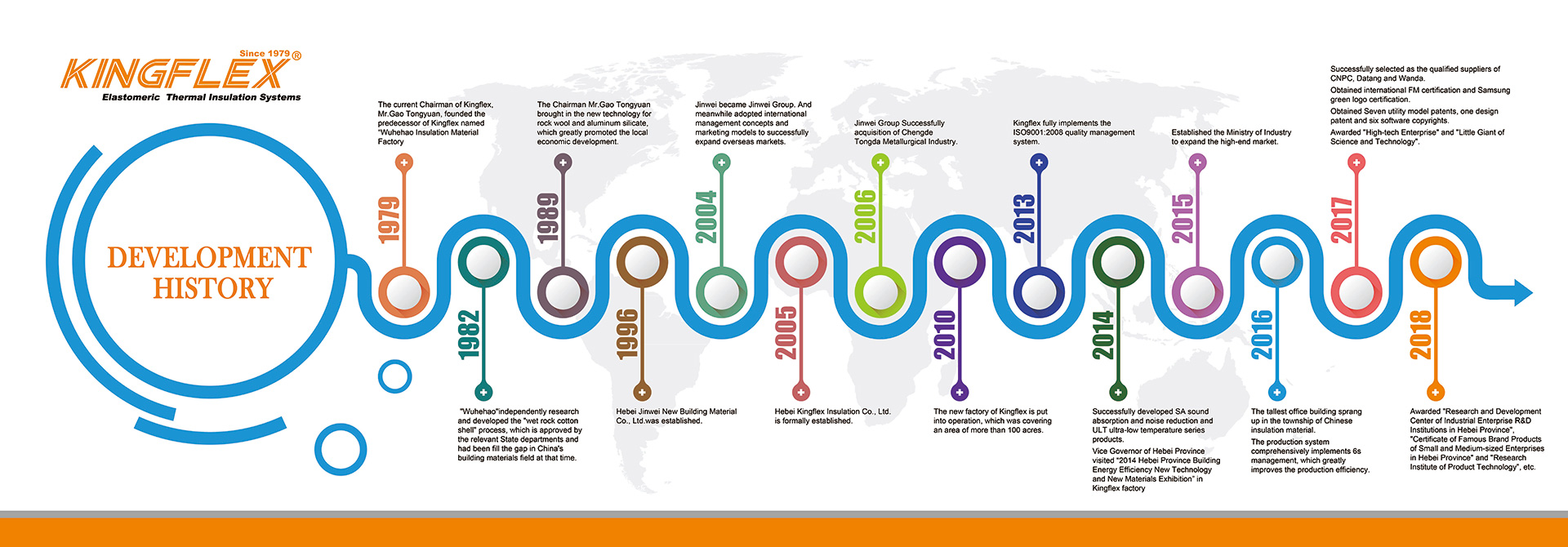
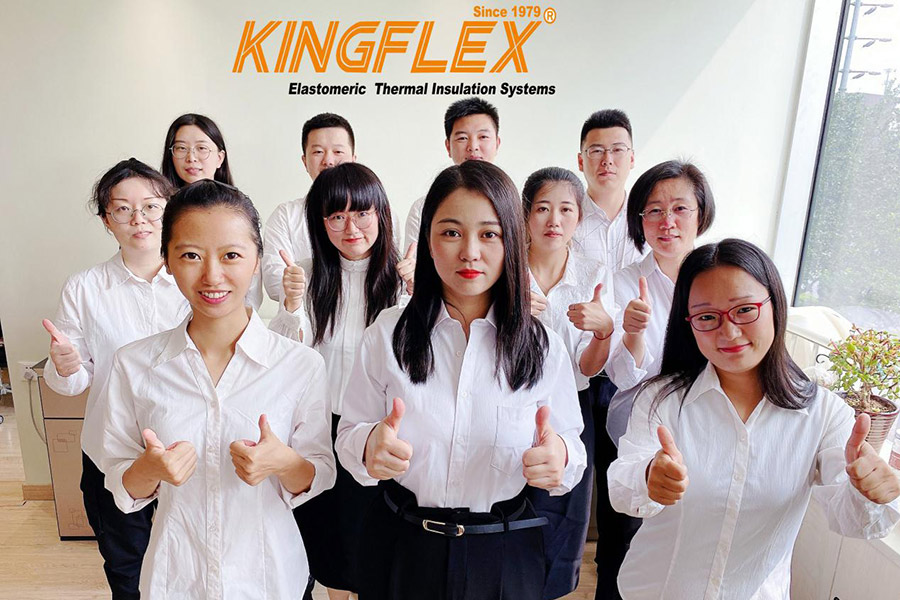
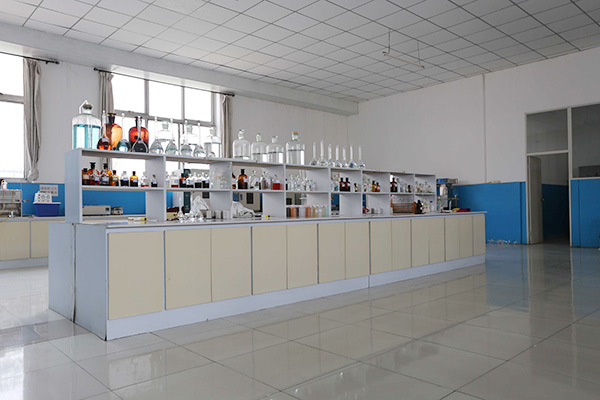
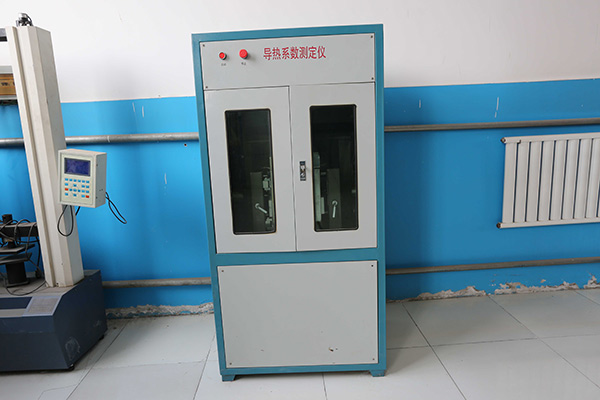
Furthermore, our dedicated R&D division, staffed by 8 professional thermodynamic engineers, constantly refines our polymer recipes. We focus on fire safety and low temperature flexibility. Our testing facility is equipped to run automated thermal conductivity tests, environmental chamber aging tests, and oxygen index flammability tests on every batch. This rigorous process guarantees full compliance before products leave China for any of the 66 countries we serve.
The versatility of our structural foam sheets allows them to excel in many fields. Below are the primary applications of Kingflex products across different industries:
Used in large shopping malls, airports, and commercial centers to insulate air conditioning ducts. Kingflex prevents condensation from forming on metal duct walls, keeping clean air circulating without water damage or mold growth.
Perfect for chemical plants, LNG storage, and cryogenic transport lines. Our materials stay flexible down to -40℃ and lower, absorbing pipe expansions and vibration while stopping heat leaks.
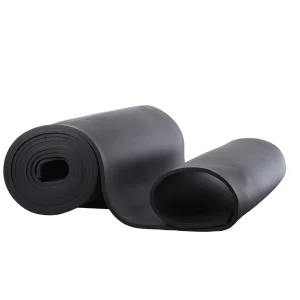
Open-cell structures absorb medium to high-frequency sounds. Widely used to soundproof machine rooms, elevator shafts, generator housings, and hotel ventilation networks.
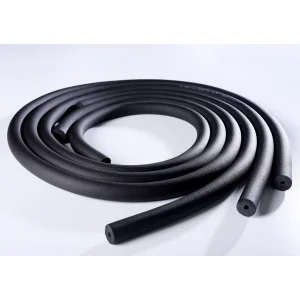
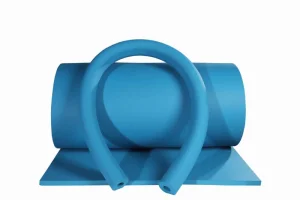
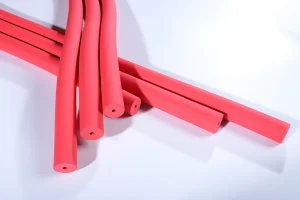
Our heat-resistant rubber foam tubes handle temperatures up to 105℃. They are great for solar collector pipes and district heating pipelines, keeping energy loss to a minimum.


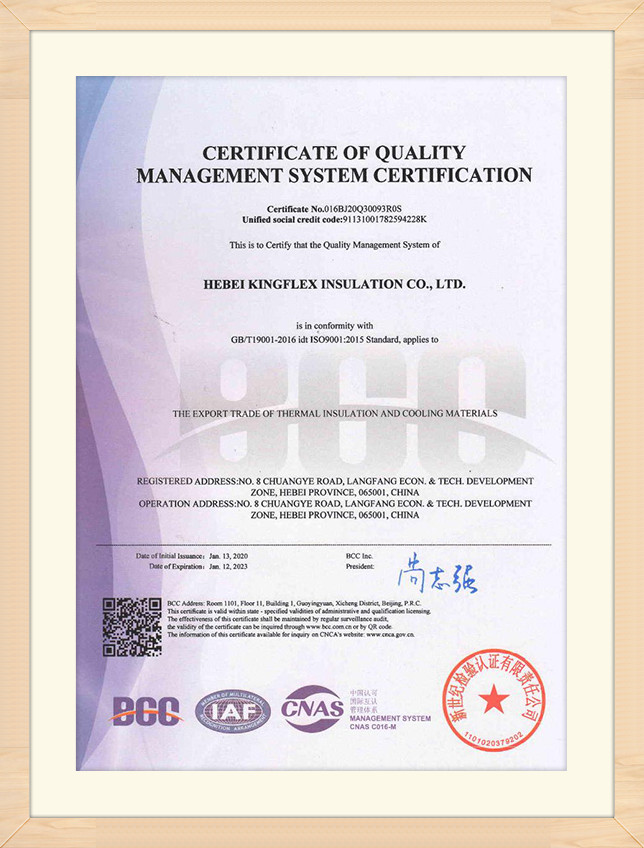
Procurement departments face the challenge of sourcing products that meet both budget targets and local building regulations. Kingflex makes this process easier by holding major global product certifications. Our structural foam sheets are certified under BS 476 Part 6 & 7 (Class 0/1), CE EN 14304, REACH, RoHS, UL94, and ASTM. This guarantees that your shipment will pass import clearance and local site inspections smoothly.
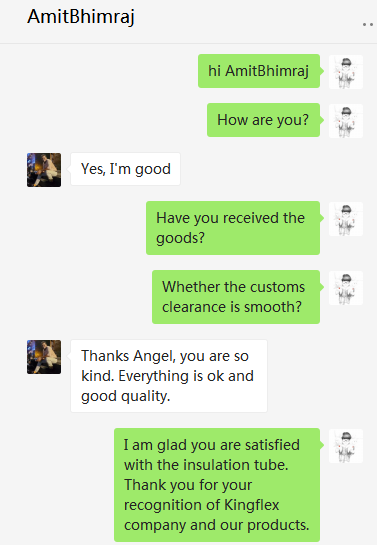
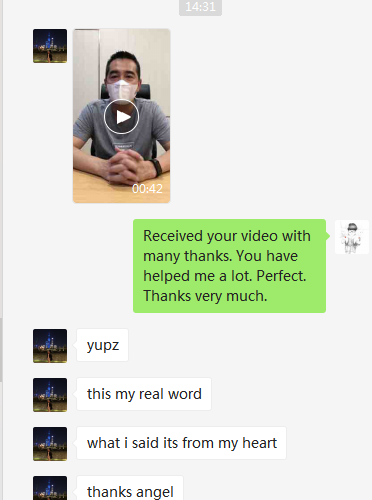
Our sales team works directly with engineers to provide custom dimensions, colored jackets, self-adhesive backing options, and custom packaging. This reduces installer prep time on site and cuts labor costs during project execution. The chat records below show our fast response times and technical support for customers worldwide.


We believe in full traceability. Every production batch is coded with batch numbers, material formulas, and QC inspection stamps. In the rare event of a system issue, we can trace the problem back to the raw material and production line settings, ensuring we always supply high-quality products.



Choosing the right material for large projects requires a clear look at total lifecycle performance. Below is a comparison between Kingflex NBR/PVC Rubber Foam, Rock Wool, and Glass Wool:
| Evaluation Criterion | Kingflex NBR/PVC Foam | Traditional Rock Wool | Standard Glass Wool |
|---|---|---|---|
| Structure | Closed-Cell (>98%) | Fibrous (Open structure) | Fibrous (Open structure) |
| Vapor Barrier | Built-in (No jacketing needed) | Requires external vapor barrier | Requires foil cladding |
| Moisture Ingress | Extremely low (μ ≥ 10,000) | High (sponging effect) | Very high (absorbs moisture) |
| Flexibility | High flexibility, easily cuts | Rigid panels or semi-rigid wraps | Highly flexible but loose fibres |
| Health & Safety | Non-toxic, fiber-free, dust-free | Irritant fibres, protective gear required | Irritant fibres, causes itching |
While rock wool handles higher temperatures, elastomerics perform best in refrigeration, HVAC ducting, and environments where moisture is a problem. Eliminating secondary vapor barriers reduces installation costs and avoids long-term corrosion risks under the cladding.
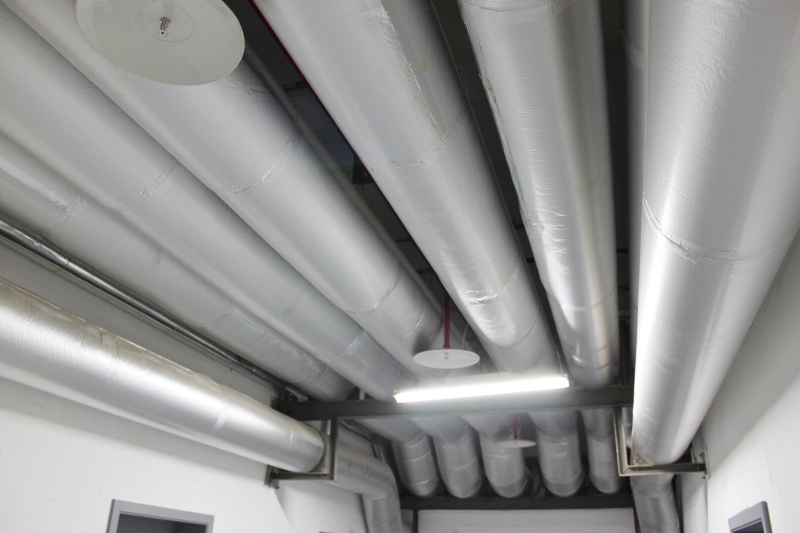
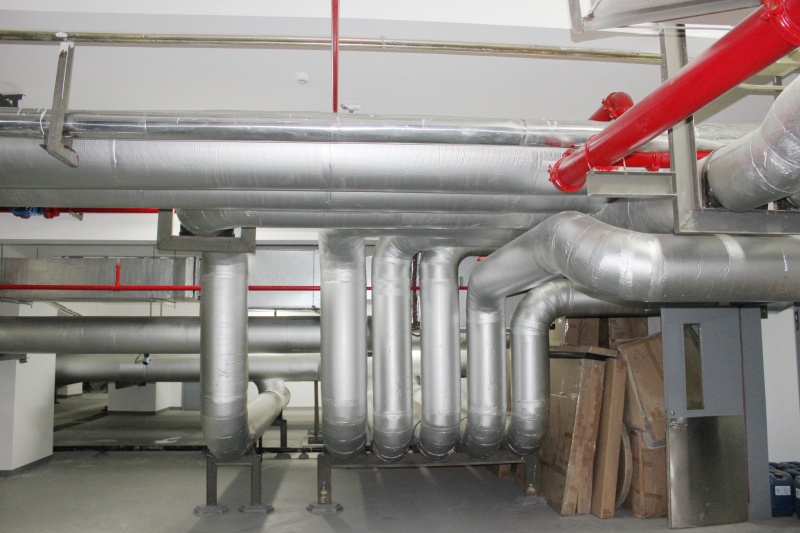
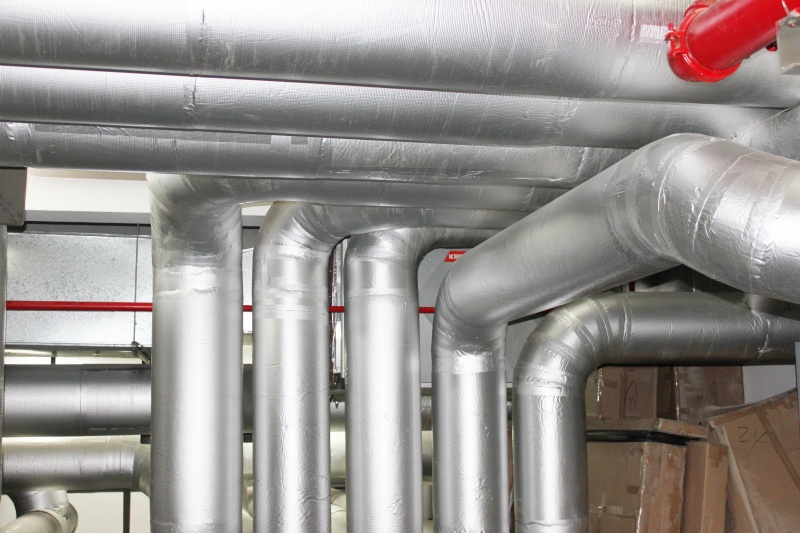
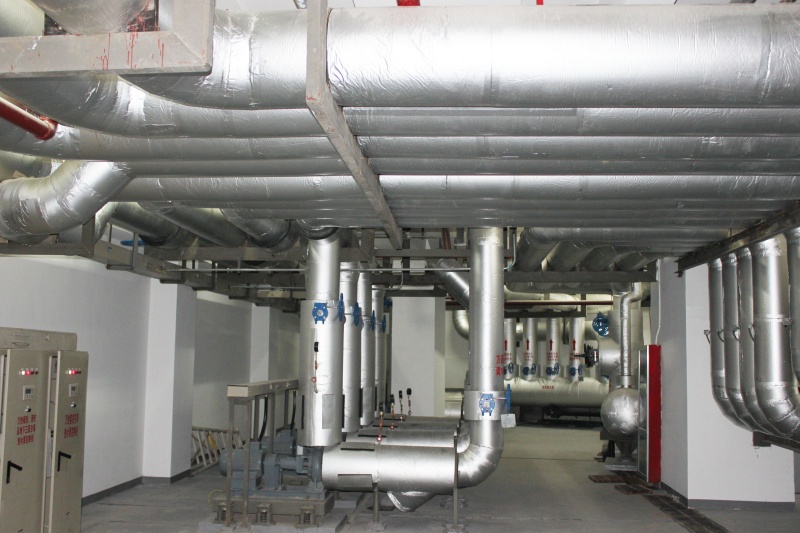
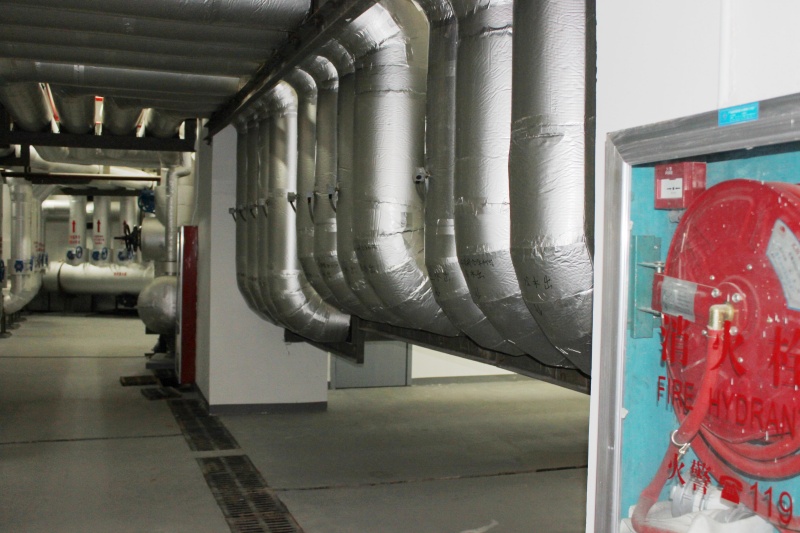
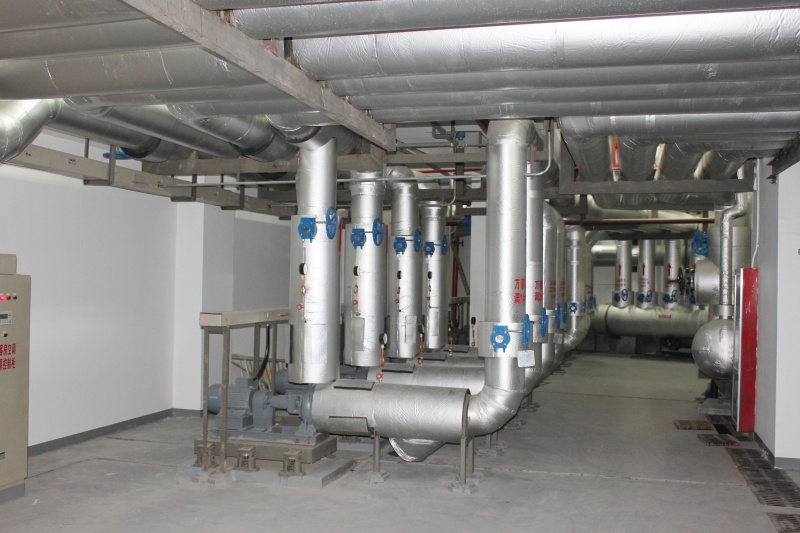
Kingflex Materials In Action Across Commercial Landmarks and Industrial Facilities

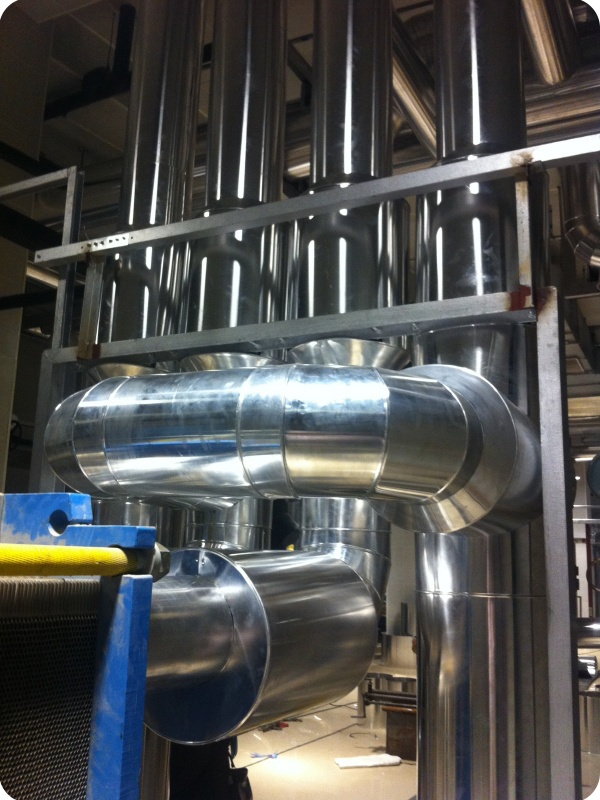
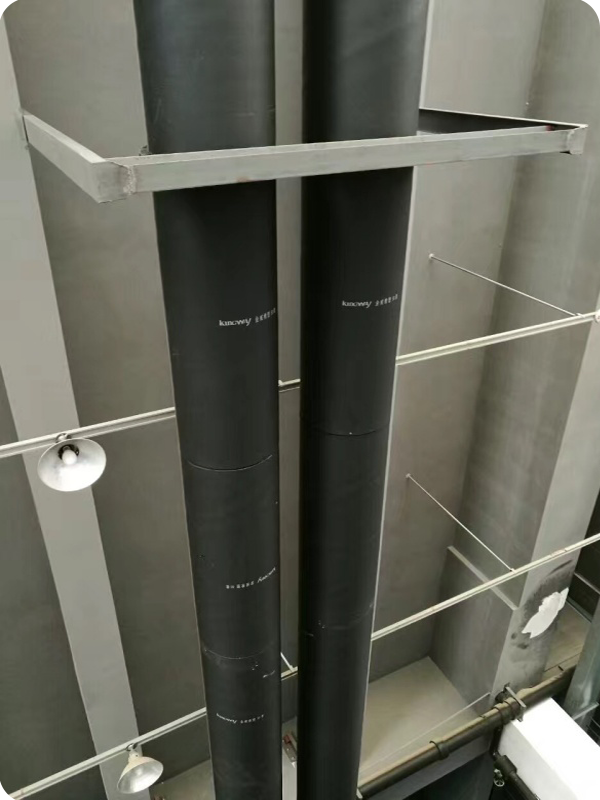
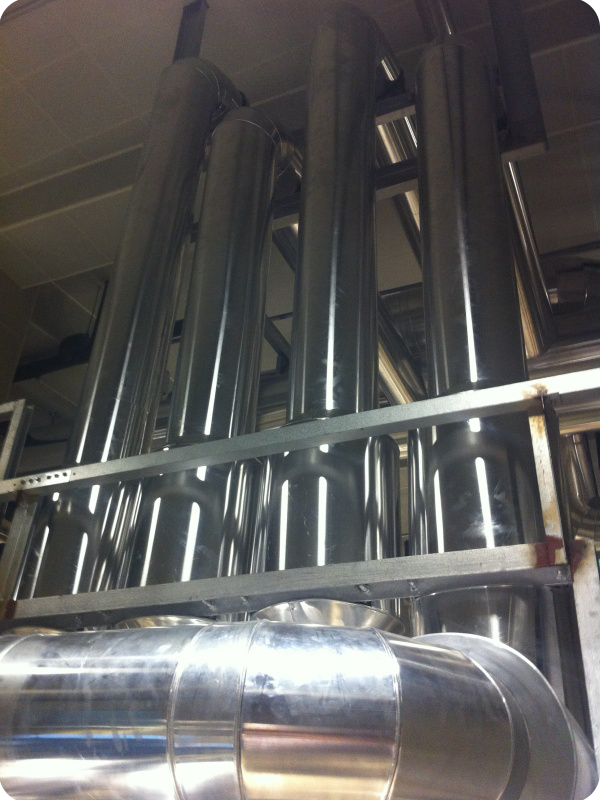
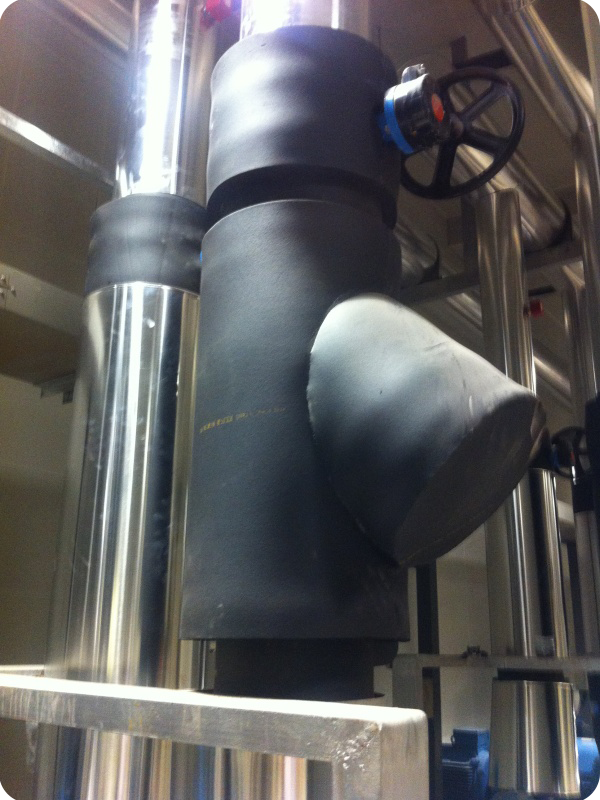
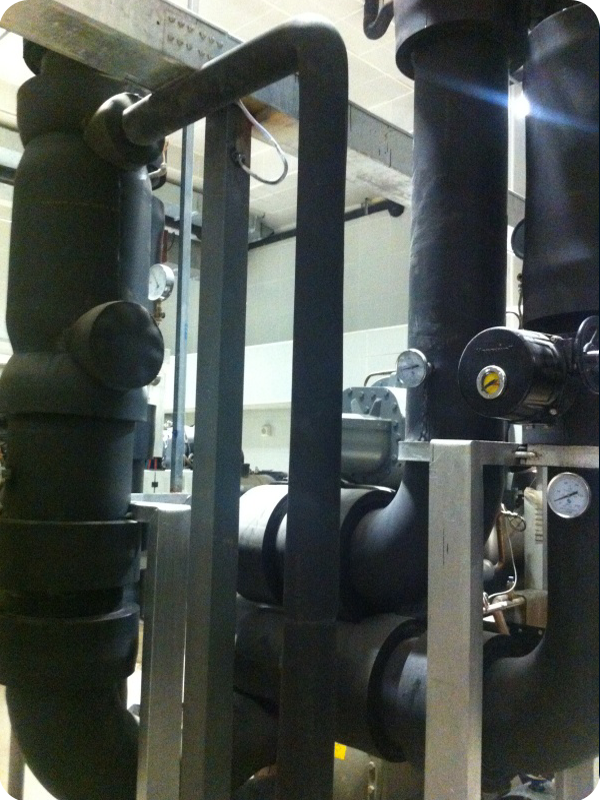
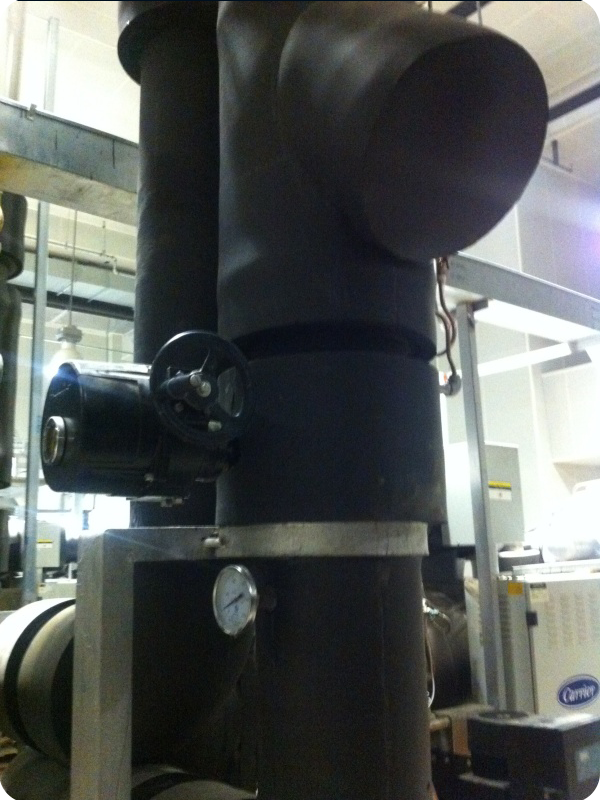
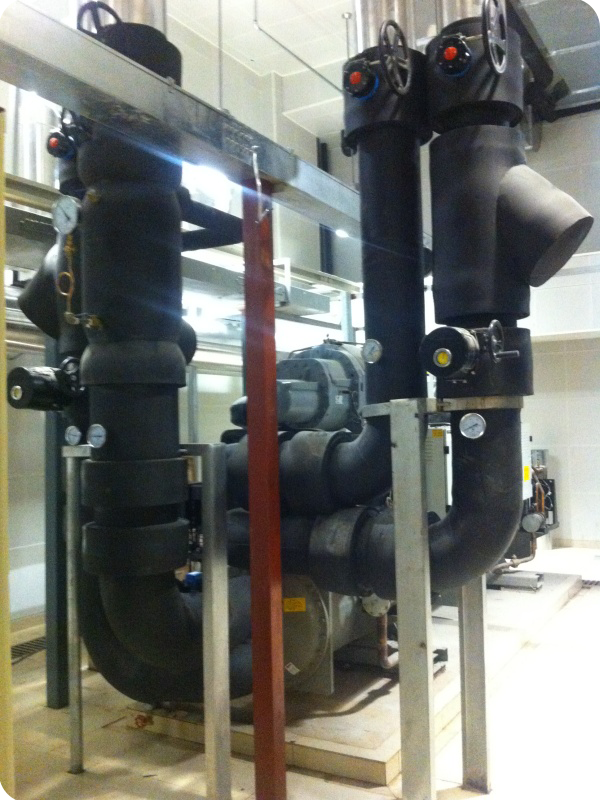
High-capacity operations ensuring consistent bulk supply and timely order dispatch
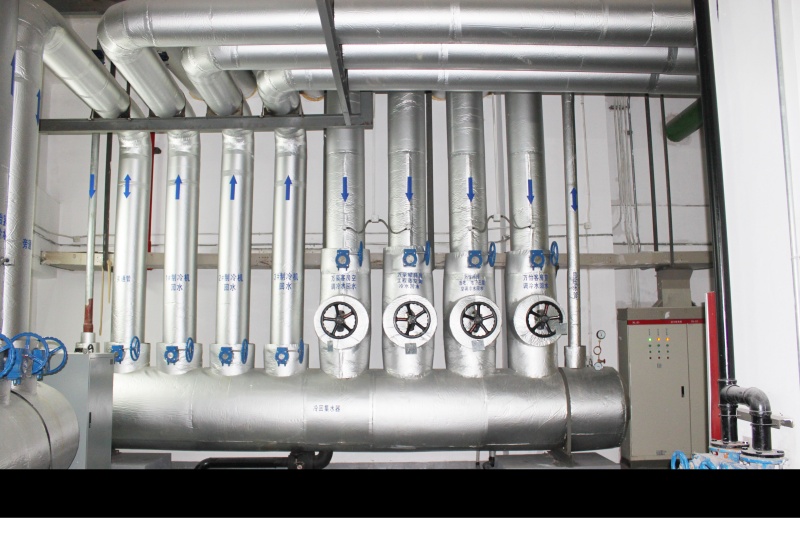


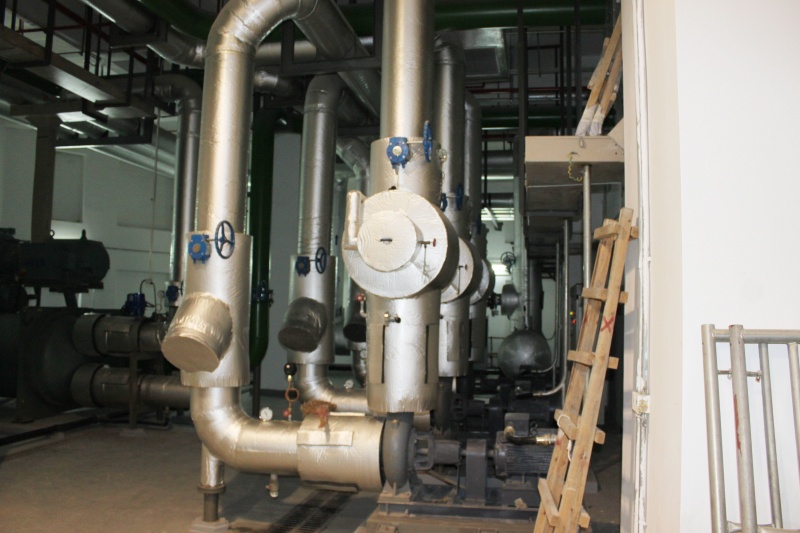


Technical Answers to Common Procurement and Engineering Questions
Explore Our Main Product Lineup with Real Factory-Direct Pricing and Specs
Contact Kingflex's engineering department today to discuss your project requirements, receive CAD drawings, thermal calculations, and direct wholesale pricing quotes.
Request Technical Quote Kingflex