Explore our top-performing glass wool and thermal barrier products engineered to withstand high humidity and temperature variations across Vietnamese industrial zones.
How structural shifts in Southeast Asia's manufacturing hub drive demand for advanced thermal barriers and high-density acoustic insulation.
Vietnam has cemented itself as a global epicenter for heavy industry, electronics assembly, and cold chain logistics. With sprawling development in key provinces such as Binh Duong, Dong Nai, Long An, Bac Ninh, and Hai Phong, the demand for specialized, high-durability thermal insulation materials has surged exponentially.
Due to Vietnam's localized tropical climate, which experiences extreme relative humidity (often exceeding 85%) and high average temperatures, inferior insulation products degrade rapidly. Moisture intrusion leads to the structural decay of insulation fibers, causing the loss of thermal resistivity ($R$-value) and promoting toxic mold growth. Consequently, modern projects like electronic fabrication plants (e.g., in Bac Giang) and commercial data centers require high-density, vapor-sealed Glass Wool and flexible elastomeric foam systems that strictly comply with local building regulations like QCVN 09:2017/BXD (Vietnam's National Technical Regulation on Energy Efficient Buildings).
On a global scale, the thermal insulation market is shifting away from basic thermal resistance toward multi-functional performance criteria: environmental sustainability, fire safety classification, and acoustic mitigation. Decarbonization goals established by regional treaties have accelerated the adoption of insulation materials with zero ozone depletion potential (ODP) and low global warming potential (GWP).
Glass wool products are now formulated with high post-consumer recycled glass content (up to 80%) and natural bio-based binders, removing added formaldehyde. Concurrently, high-temperature processing plants and complex petrochemical facilities are standardizing on hybrid systems—layering elastomeric rubber foam for condensation control and rock/glass wool blankets for fire resistance.
Analyzing the material science of modern insulation barriers under typical Vietnamese climatic stresses.
| Insulation Type | Thermal Conductivity (W/m·K at 20°C) | Service Temp. Range | Fire Classification | Key Vietnam Applications |
|---|---|---|---|---|
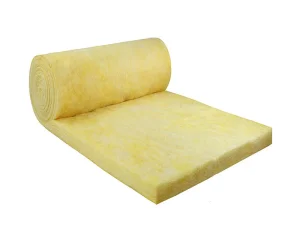
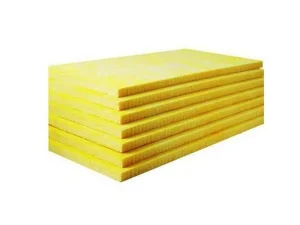
| Kingflex Glass Wool Blanket | 0.032 - 0.036 | -120°C to +400°C | Class 0 (BS 476 Part 6/7) | HVAC duct wrapping, metal roof underlayment in factories. |
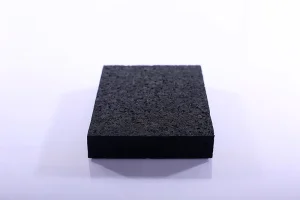
| Kingflex Elastomeric Rubber Foam | 0.033 - 0.035 | -40°C to +105°C | Class 1 / Class 0 | Chilled water pipes, cleanroom air duct lining. |
| Kingflex Rock Wool Board | 0.038 - 0.042 | -250°C to +750°C | Non-combustible (Euroclass A1) | High-temperature steam lines, power generation boilers. |
Highly effective in preventing surface condensation on HVAC distribution systems operating under high ambient humidity in southern cities like Ho Chi Minh City.
Meets stringent particulate emissions standards for high-tech cleanrooms in Bac Ninh and Thai Nguyen, ensuring zero outgassing and fiber shedding when sealed properly.
Corrosion-resistant properties protect chemical process piping from moisture-induced corrosion (CUI) in maritime heavy industrial parks like Vung Tau.
Leveraging Hebei's world-class green building materials cluster to supply Vietnam with structural cost and speed advantages.
Located in Dacheng, China—the global hub of thermal insulation manufacturing—Kingflex Insulation Co., Ltd. integrates raw material access with automated production lines to achieve unparalleled operational efficiencies.
Computer-controlled processing ensures uniform density distribution and consistent fiber sizing, leading to optimal mechanical strength and structural integrity.
Proximity to Tianjin Port enables direct shipping lanes to major Vietnamese maritime hubs, including Hai Phong (Northern Vietnam) and Cat Lai / Hiep Phuoc (Southern Vietnam), keeping lead times under 14 days.
Kingflex issues Form E Certificate of Origin documents, enabling Vietnamese importers to leverage preferential tariff treatments for lower overall project procurement costs.

Over four decades of technological innovation, industry leadership, and certified quality standard compliance.
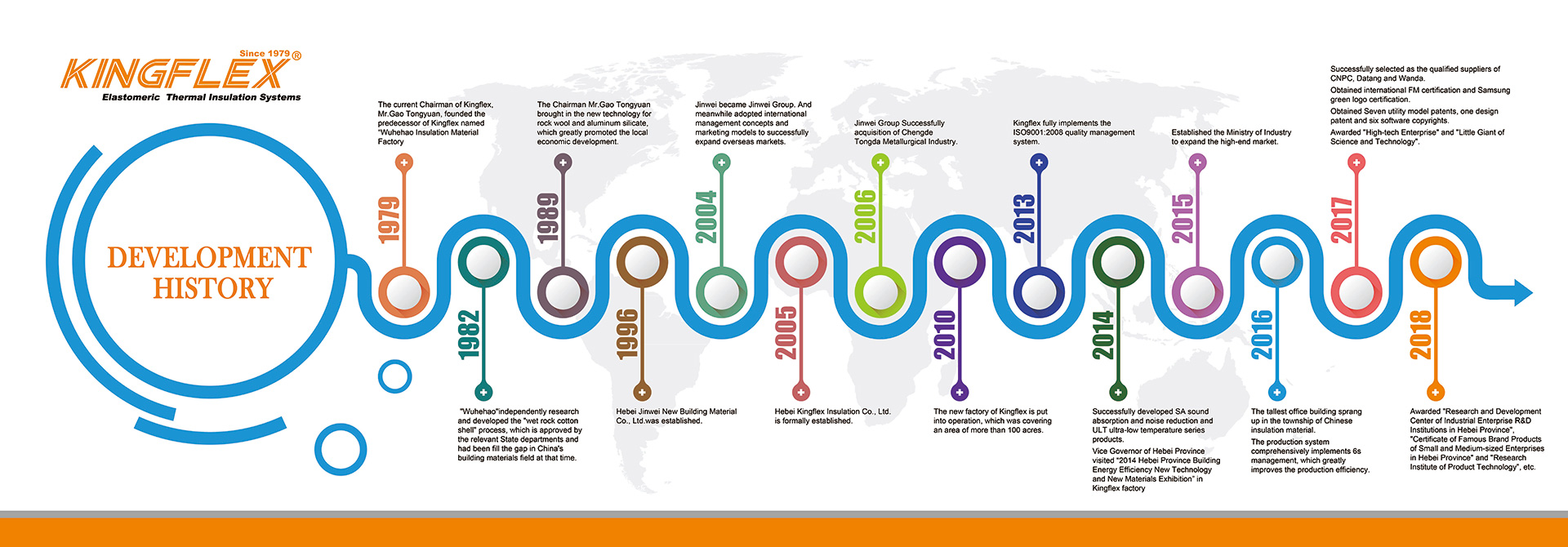
Kingflex Insulation Co., Ltd. was established by the Jinwei Group, which boasts a rich manufacturing history dating back to 1979. As the first major manufacturer of thermal insulation materials north of the Yangtze River, we have pioneered energy-saving environmental technologies for building and industrial envelopes.
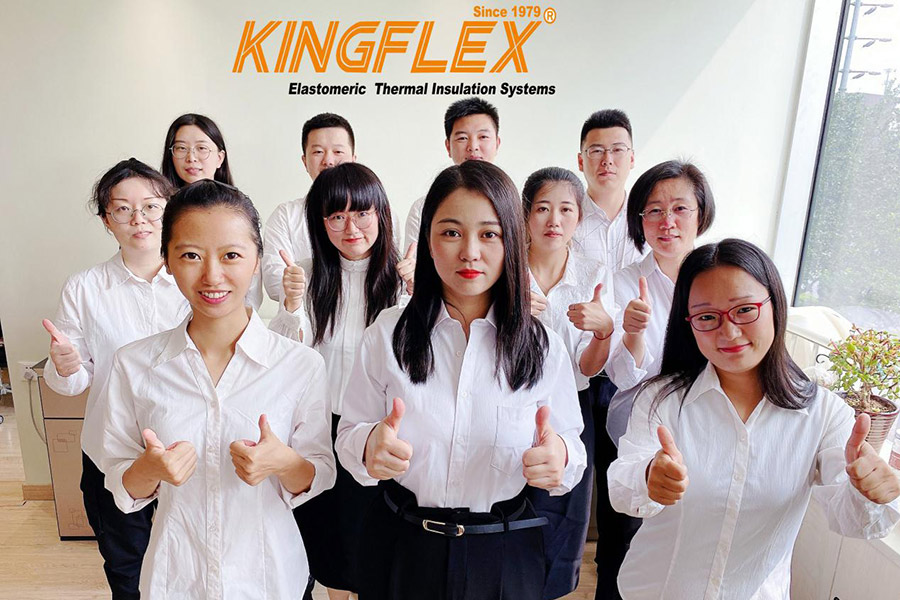
Today, our specialized R&D department features eight senior materials engineers, working alongside 230 technicians and operators across five advanced automatic assembly lines. With a production output exceeding 600,000 cubic meters annually, we are a designated manufacturer for major municipal infrastructure, power generation systems, and petrochemical installations.
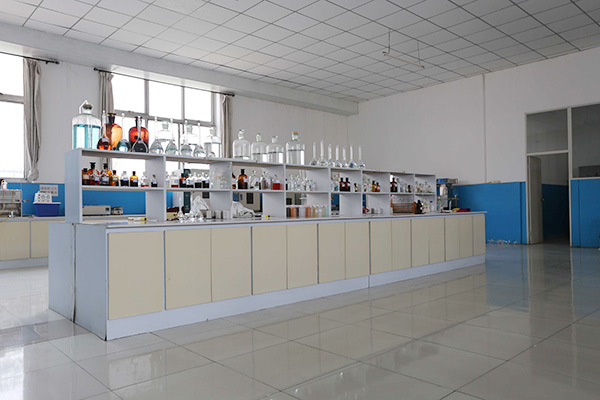
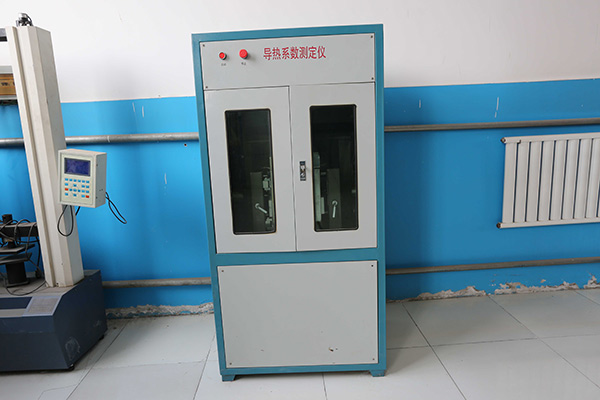
Kingflex insulation products are certified to meet international compliance frameworks, including British Standard BS 476 (Parts 6 & 7 for fire propagation), CE, REACH, RoHS, UL94 flammability ratings, and ASTM testing protocols. Every batch undergoes strict quality control checks, ensuring complete tracking traceability from raw materials to onsite delivery.

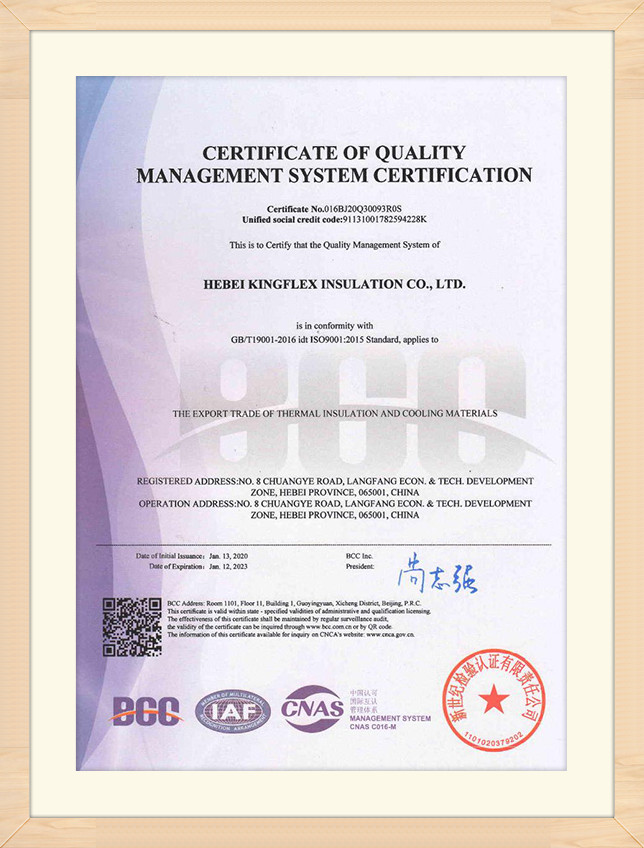


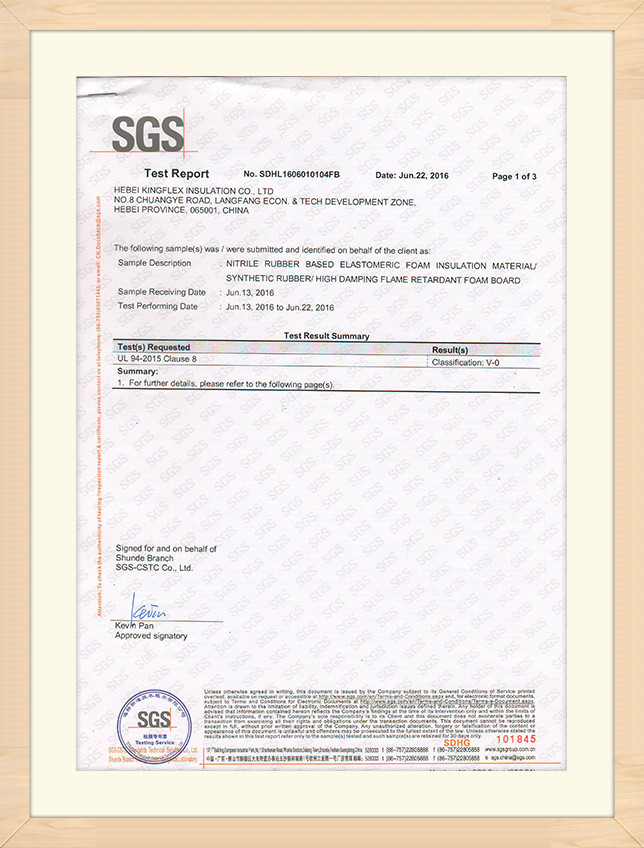
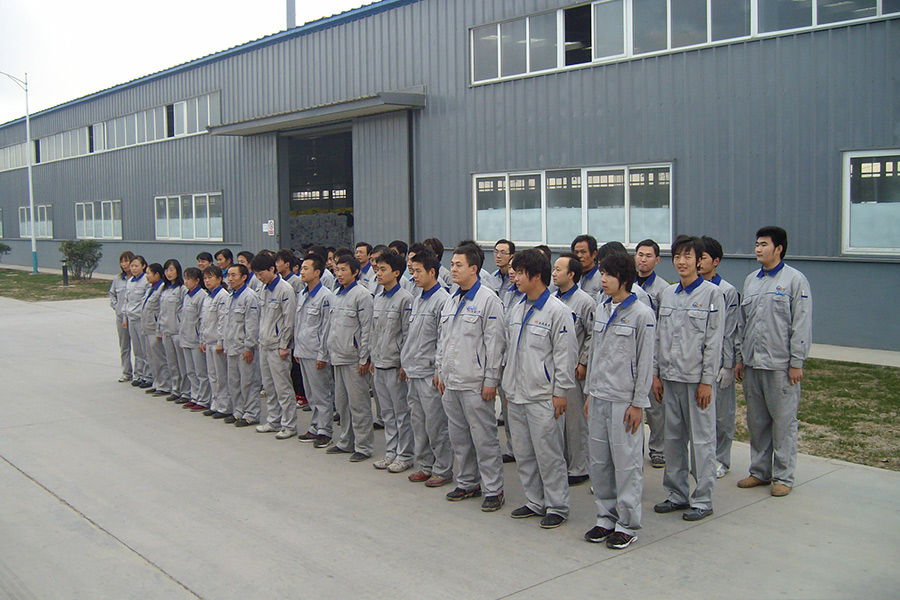
Proof of performance through real-world commercial installations and verified communication records from regional MEP contractors.

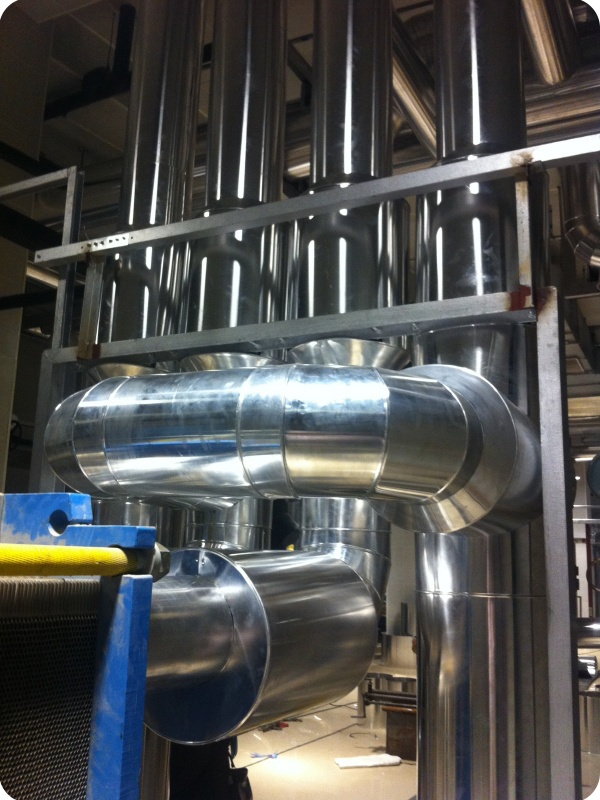
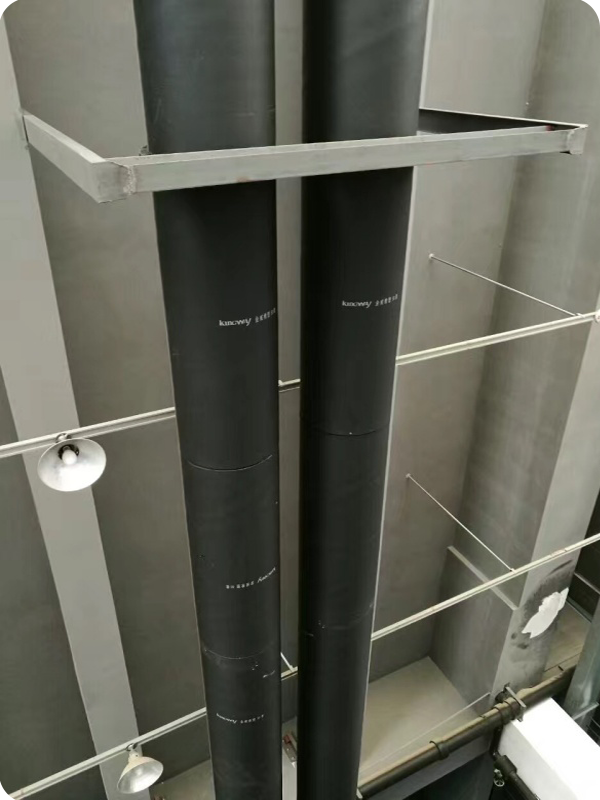
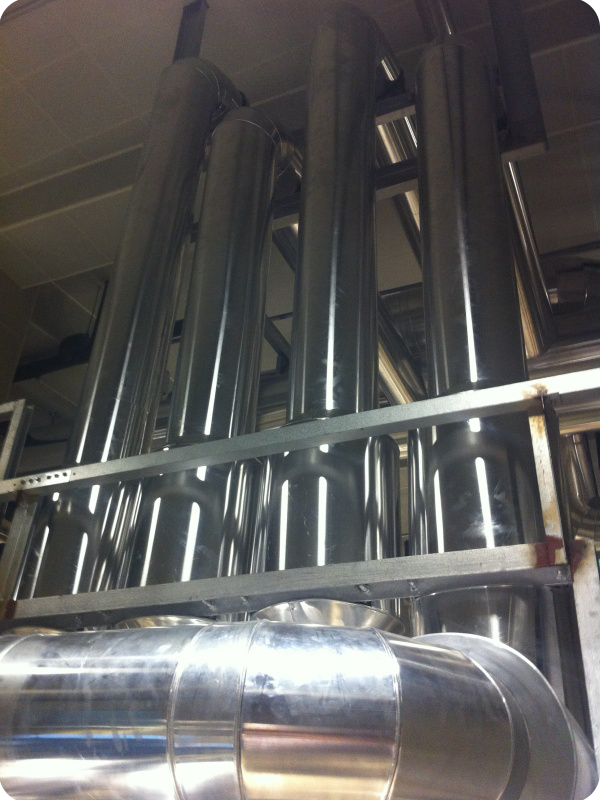
We maintain full transparency with all our clients. The chat records below showcase real communication, specifications validation, and order updates from regional project procurement managers and consultants overseeing mechanical specifications across Southeast Asia.


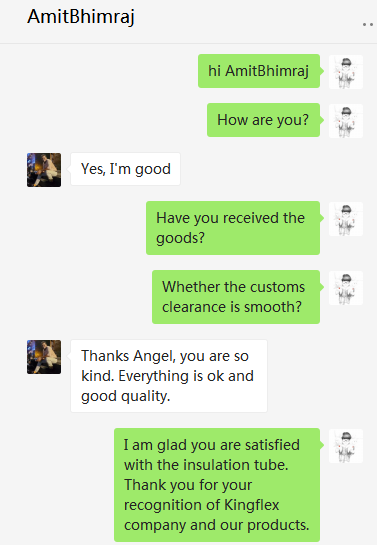

Note: Standard logistics documents, commercial invoices, packing lists, and Form E certificates are processed within 48 hours of vessel departure to ensure zero Customs clearance delay at Vietnamese ports.

Technical parameters for Kingflex standard elastomeric foam insulation systems engineered for plumbing and refrigeration.
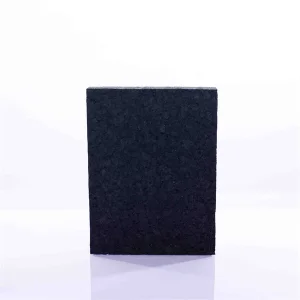
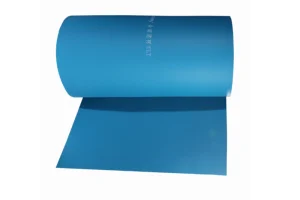
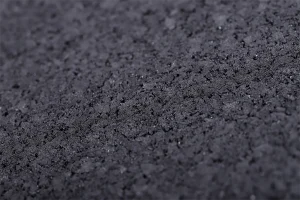
Material Structure: Closed-cell NBR/PVC elastomer matrix.
Thickness Options: 6mm to 50mm dynamic range.
Density Range: 40-55 kg/m³ for optimal thermal path dampening.
Service Limits: -40°C to +105°C continuous envelope.
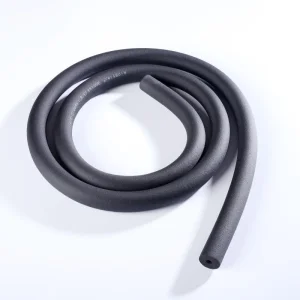
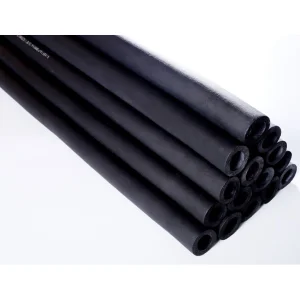
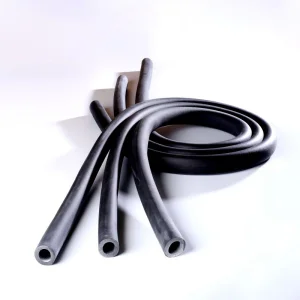
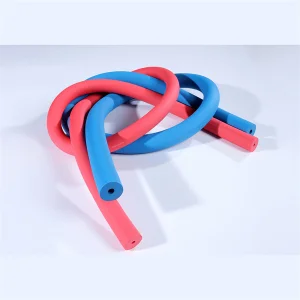
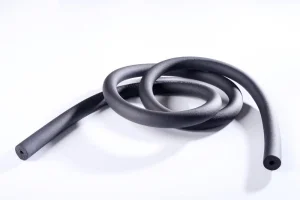
Material Structure: Pre-formed closed-cell tubing.
Wall Thickness: 9mm to 40mm options.
Internal Diameters: 6mm to 114mm compatible with copper/steel.
Density Range: 40-55 kg/m³.
Service Limits: -40°C to +105°C continuous line.
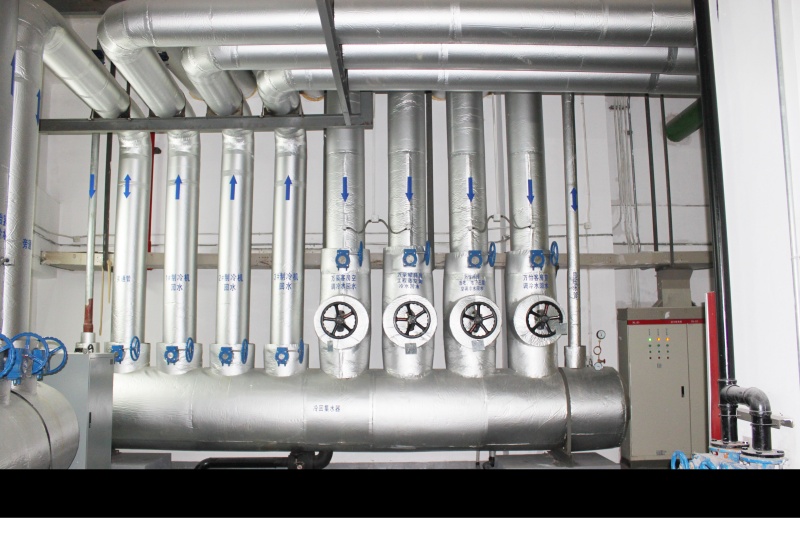


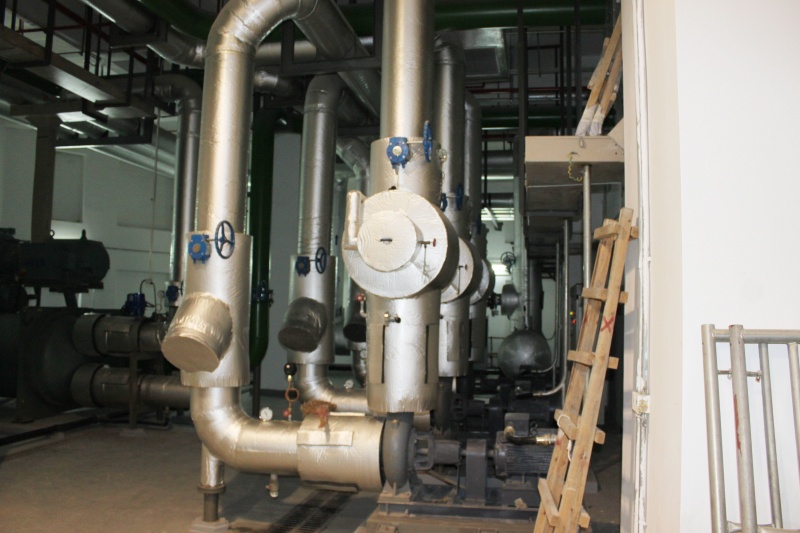
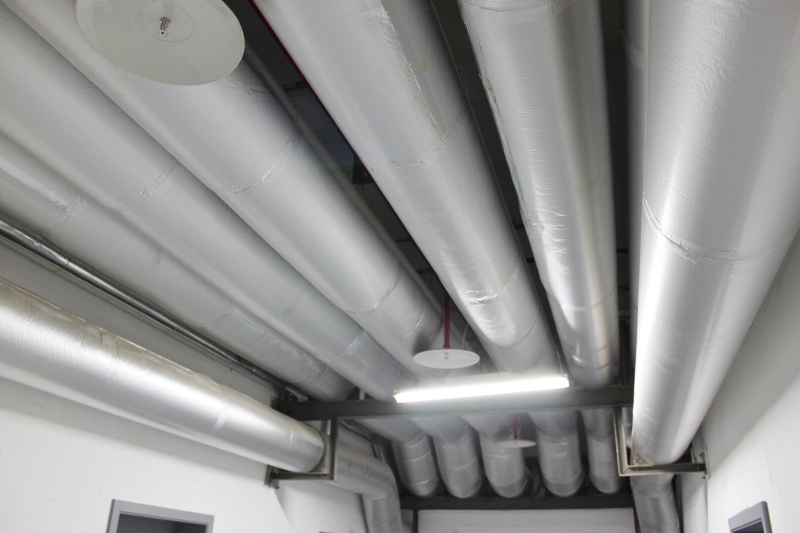

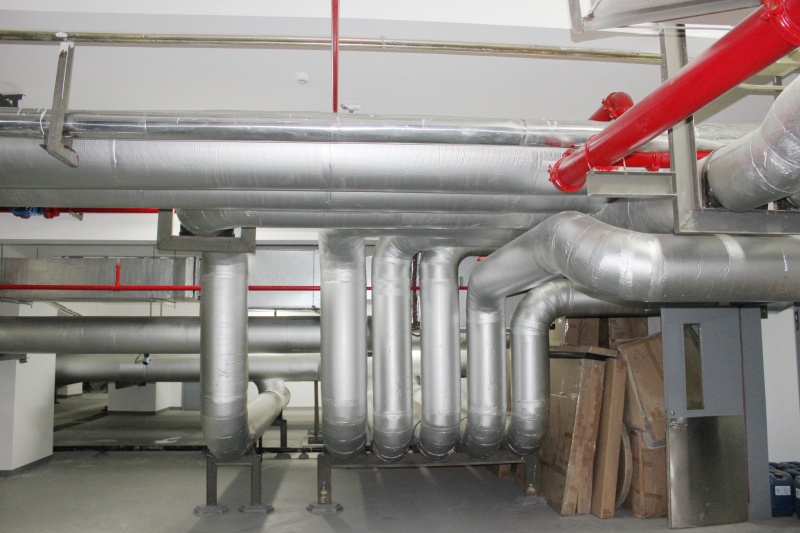
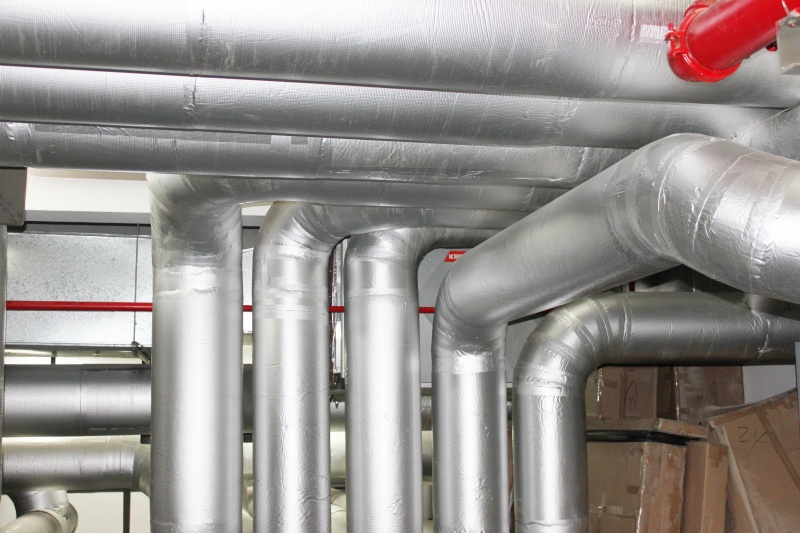
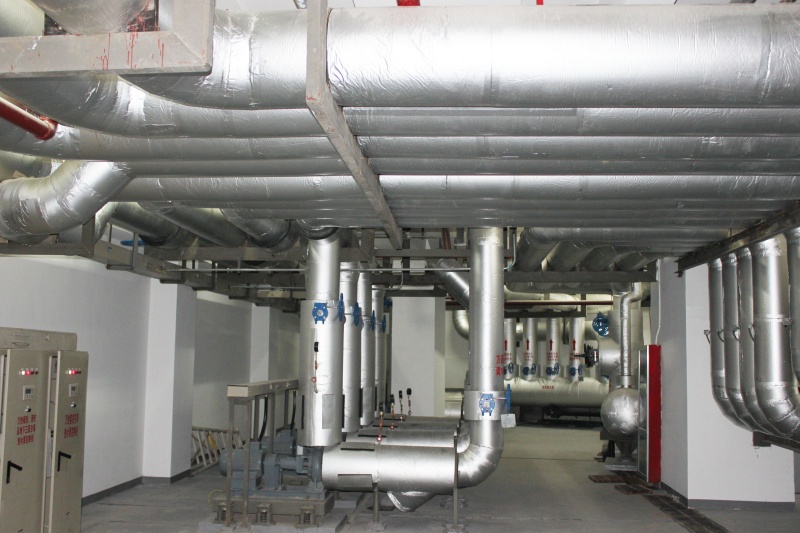
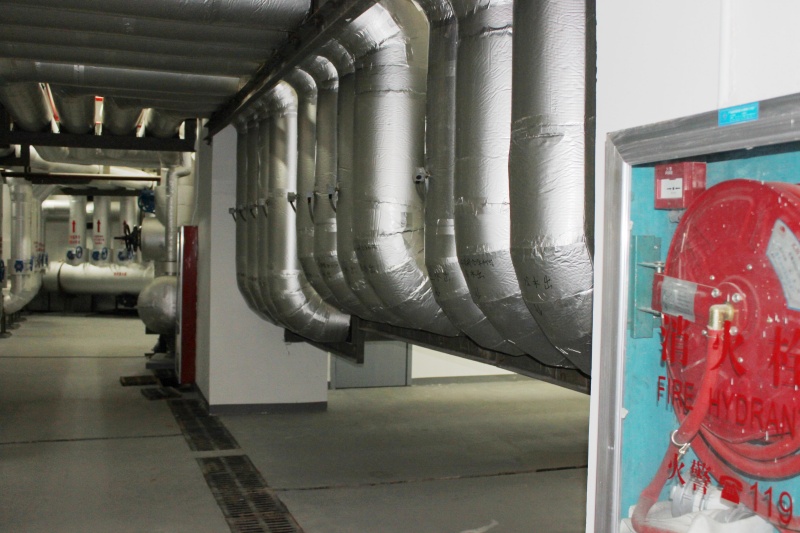
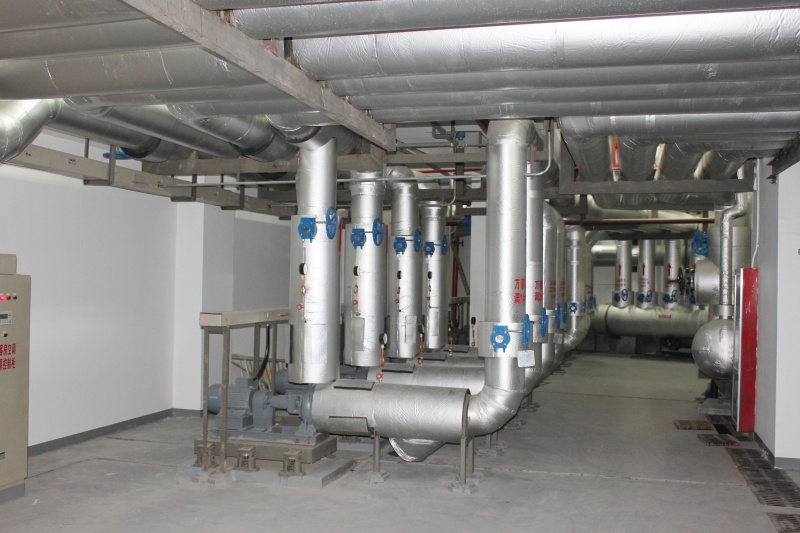

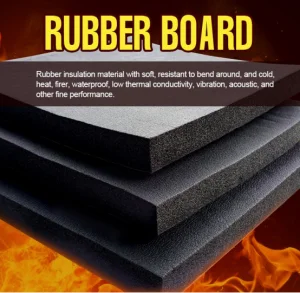
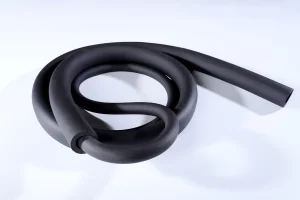
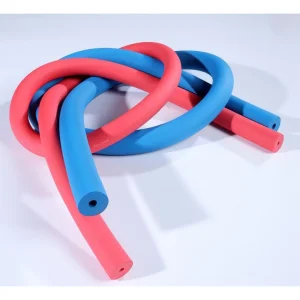
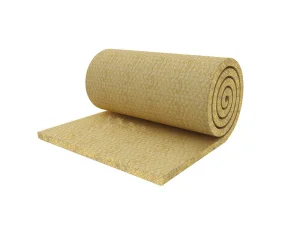
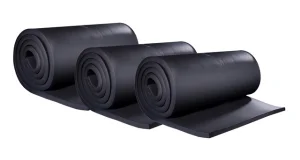
Our complete catalog of thermal barrier sheets, pre-slit pipes, high-density acoustic acoustic board and cryogenic insulation.
Detailed technical answers addressing common inquiries from mechanical engineers, procurement agents, and installers.
 Kingflex