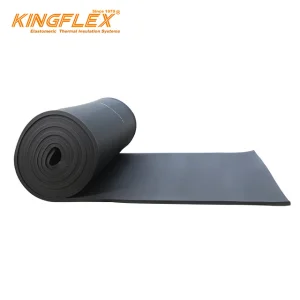
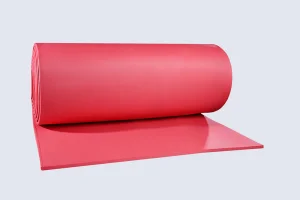
High-performance closed-cell insulation designed to combat tropical humidity, condensation, and corrosion under extreme humidity standards.
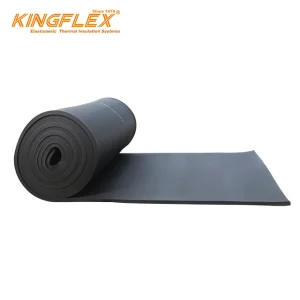
Costa Rica, a leading technological and ecotourism hub in Central America, operates under a demanding tropical climate. With relative humidity levels frequently exceeding 85% in coastal regions like Limón and Puntarenas, and distinct rainy seasons in the Central Valley (including San José, Alajuela, and Heredia), industrial infrastructure faces severe challenges. In these conditions, traditional open-cell insulation materials like glass wool absorb moisture, leading to mold development, structural deterioration, and a complete loss of thermal protection.
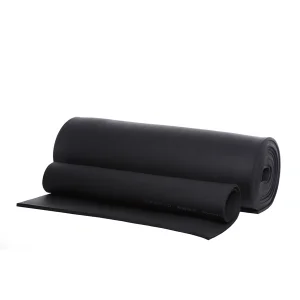
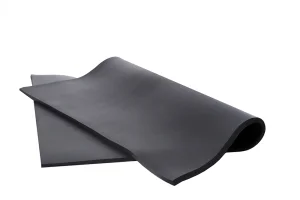
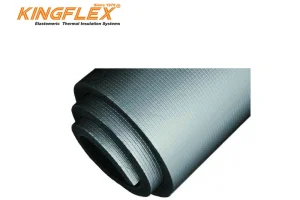
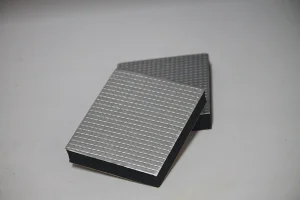
Furthermore, Costa Rica's bold National Decarbonization Plan 2018-2050 places strict pressure on modern commercial constructions and industrial plants to optimize energy efficiency. Uninsulated or poorly insulated HVAC piping and air ducts are responsible for up to 40% of thermal energy losses in buildings. Implementing high-performance closed-cell elastomeric rubber foam insulation sheet rolls has become a necessity for modern infrastructure, protecting systems against ambient moisture and preventing corrosion under insulation (CUI).
From advanced medical technology cleanrooms to eco-resorts, our products protect critical systems against tropical thermal dynamics.
Cleanrooms within the Coyol Free Zone require fiber-free insulation. Our closed-cell rubber foam rolls produce zero outgassing, ensuring air purity and strict compliance with ISO Class 5 cleanroom standards.
Boutique hotels and eco-lodges in Guanacaste rely on silent, efficient HVAC operations. Excellent sound-dampening properties combined with low thermal conductivity ensure minimal power draw for air conditioning systems.
San José agro-industrial hubs handling pineapple and banana exports depend on uninterrupted refrigeration. Cryogenic-grade insulation prevents condensation drip on cold supply lines, eliminating biological contamination risks.
Why elastomeric closed-cell rubber foam outperforms traditional insulation under Central American environmental pressures.
| Performance Characteristic | Kingflex NBR/PVC Rubber Foam | Glass Fiber / Glass Wool | Polyurethane Rigid Foam (PUR) |
|---|---|---|---|
| Structure Type | Closed-cell (>98% cell structure uniformity) | Open-cell fibrous structure | Rigid micro-cell structure |
| Water Vapor Resistance (μ-value) | ≥ 10,000 (Built-in moisture barrier) | ≤ 1.2 (Requires external cladding) | ≈ 60 - 150 |
| Thermal Conductivity (λ) at 0°C | ≤ 0.034 W/m·K (Consistent insulation) | 0.038 - 0.045 W/m·K (Degrades with moisture) | ≤ 0.028 W/m·K (Prone to aging degradation) |
| Biological Risk (Mold/Mildew) | Zero growth potential, biocidal-resistant | High risk when water vapor accumulates | Moderate risk at interface joints |
| Flexibility & Installation Ease | Highly flexible, wraps easily around complex lines | Brittle fibers, requires protective wear | Rigid blocks, difficult to custom-cut |
| Environmental Footprint | Zero ODP, Low VOC emissions | Dust emission risks during replacement | Chemical blowing agents required |
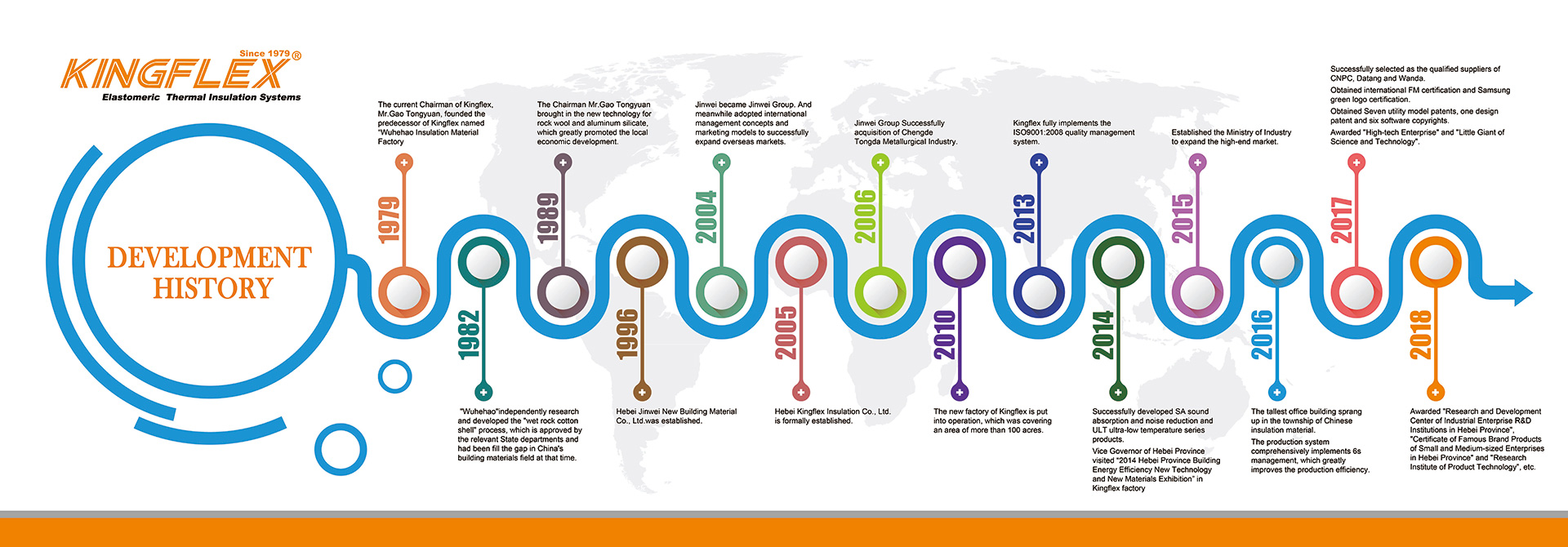
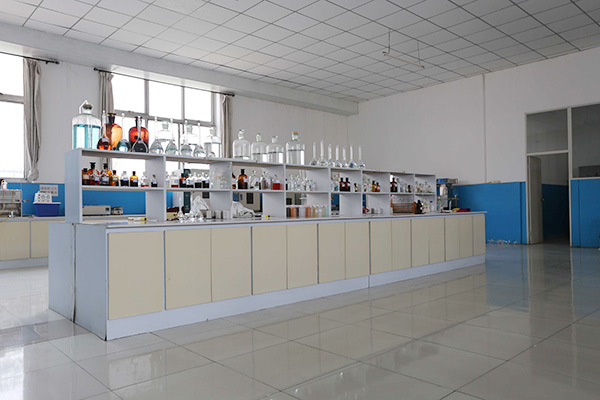
In modern industrial procurement, relying on a stable and resilient supply chain is critical. Kingflex Insulation Co., Ltd. features a professional manufacturing facility in Dacheng, China, the green-building materials capital. Leveraging 5 large automatic assembly lines, we achieve an annual output capacity exceeding 600,000 cubic meters of premium thermal insulation. This scale ensures stable lead times for bulk purchases shipping to Costa Rican ports (Puerto Caldera and Puerto Limón).
By integrating automated manufacturing systems, raw materials like NBR and PVC are mixed and extruded under precise thermodynamic conditions. The result is a highly uniform closed-cell structure with a high compression resilience rate exceeding 80%. This prevents thermal bridging and ensures that the material does not collapse at physical stress points during long-distance maritime transport.
Kingflex operates under international standards with comprehensive tracing and testing protocols.


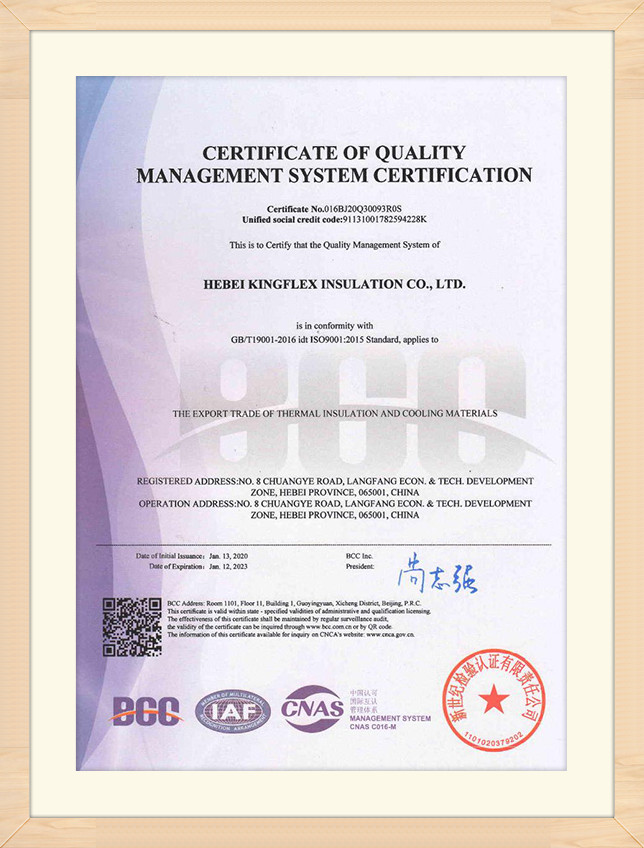


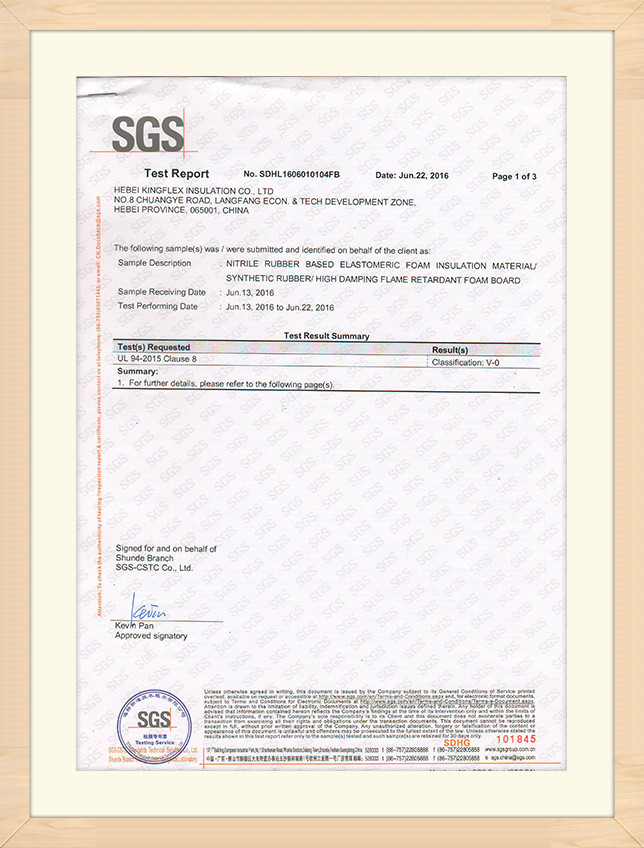
Verified compliance parameters designed to pass strict project specifications and fire codes.
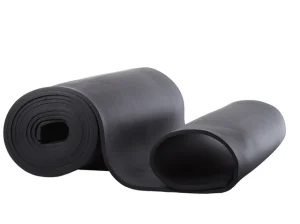
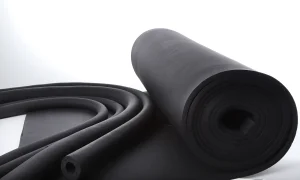
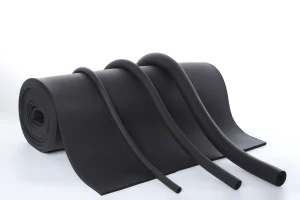
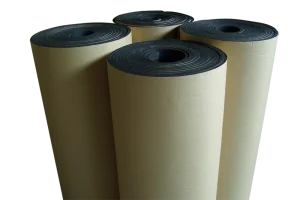
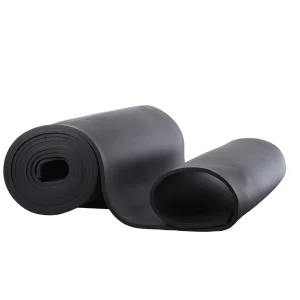
Designed for large ventilation ducts, chilled water systems, and industrial tanks. The flexible sheet roll offers easy wrapping, minimizing waste and cutting down installation time by up to 50% compared to traditional insulation systems.
| Material Composition | Premium Nitrile Butadiene Rubber / Polyvinyl Chloride (NBR/PVC) |
| Thickness Ranges | 6mm, 9mm, 13mm, 19mm, 25mm, 32mm, 40mm, 50mm |
| Density Range | 40 - 55 kg/m³ |
| Service Temperature | -40 °C to +105 °C |
| Water Vapor Permeability | ≥ 10,000 |
Optimized for direct slip-on applications on copper chilled pipes, split AC networks, and industrial steam supply conduits. Features uniform wall thickness and internal powder coatings for fast installation slide-on.
| Inner Diameter (ID) | 6mm up to 114mm (Special sizing on request) |
| Thickness Options | 9mm, 13mm, 19mm, 25mm, 32mm, 40mm |
| Fire Rating Standards | BS 476 Class 0, UL94 V-0, ASTM E84 Class A |
| Flexibility Factor | High flexibility under cold thermal loads |
| Traceability | Batch-coded labeling along length |
Delivering high-performance insulation across critical commercial networks worldwide.

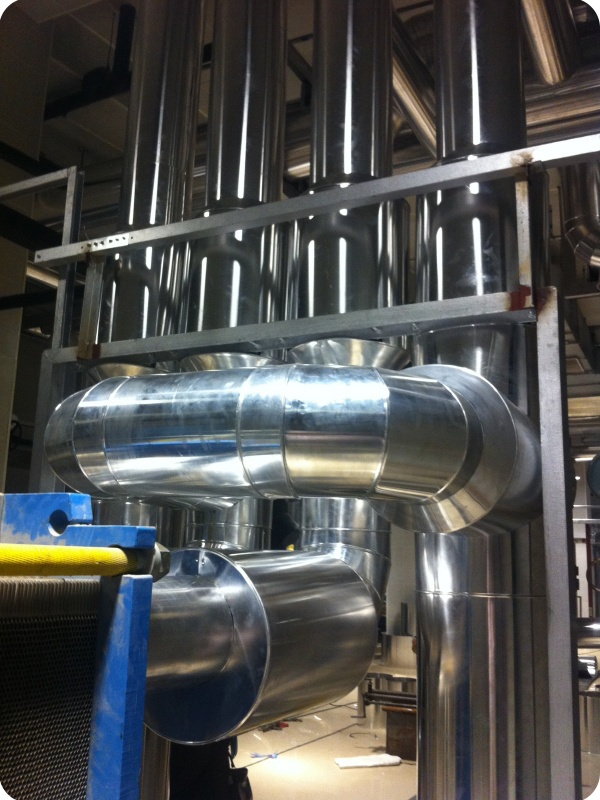
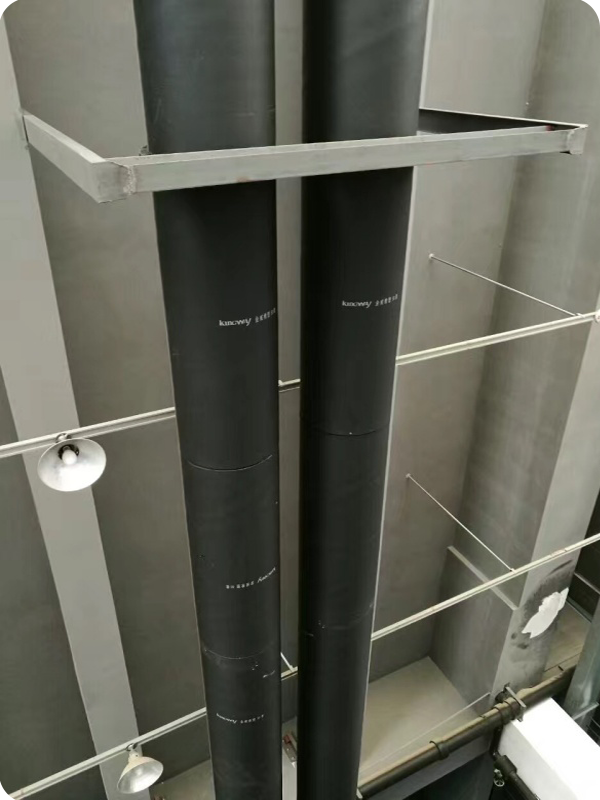
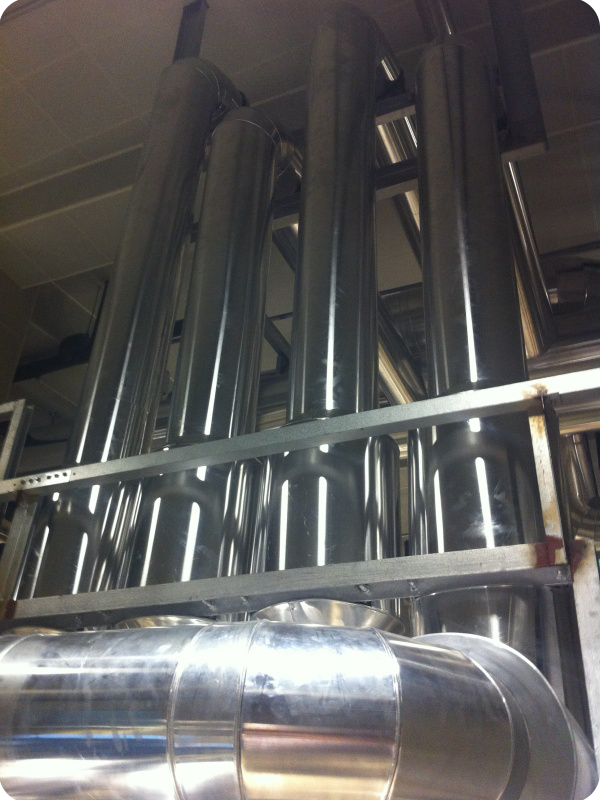
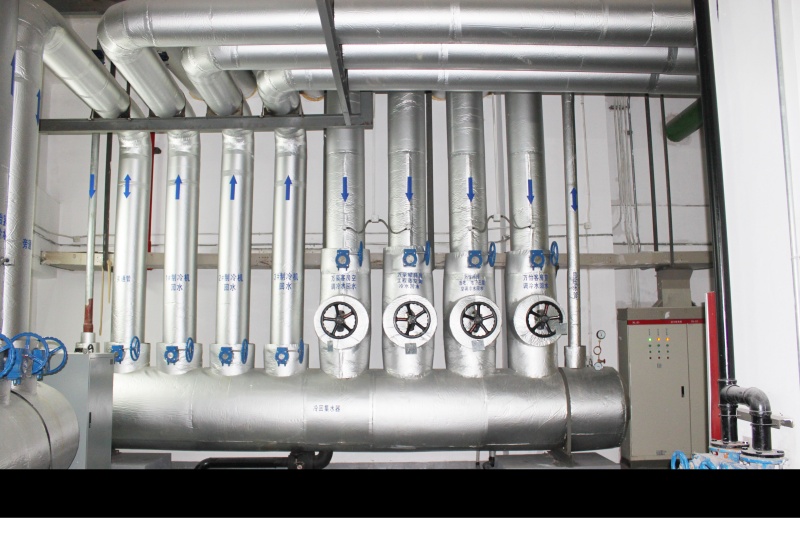

Our customers from Central America, North America, and Europe consistently confirm the physical stability, density consistency, and delivery punctuality of our NBR/PVC closed-cell foams. We focus on transparent technical communication, providing testing certificates for international construction bids.




Technical clarifications on performance, shipping, and installation for the Costa Rican industrial market.
Select the appropriate insulation profile for your specific commercial or industrial applications.
Request customized thickness measurements, structural testing documentation, and cost sheets for the Costa Rica Free Trade Zone (FTZ) or infrastructure projects. Get in touch with our team today for a tailored quote.
 Kingflex