High-efficiency elastomeric foam products tailored for Mediterranean climate resilience, cooling efficiency, and structural safety.

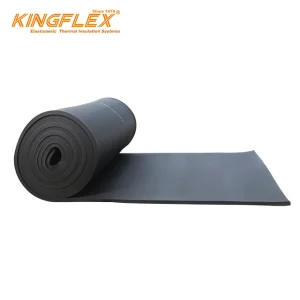
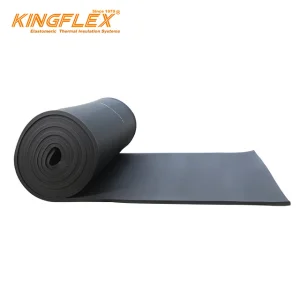
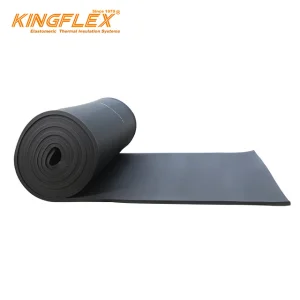
Greece’s unique geography—stretching from the high-temperature urban microclimates of Athens and Thessaloniki to the marine humidity of Piraeus and the Cycladic islands—imposes demanding performance envelopes on modern thermal insulation materials. Driven by the energy conservation mandates of the European Union’s Energy Performance of Buildings Directive (EPBD) and the Greek national regulatory framework KENAK (Regulation on the Energy Performance of Buildings), developers and industrial engineers are shifting rapidly to advanced closed-cell elastomers.
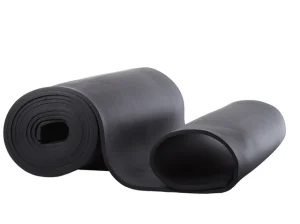
Traditional open-cell insulation variants fail under the dual threat of intense summer heat and coastal humidity. High-density, closed-cell NBR/PVC rubber foam insulation sheet rolls provide the optimal barrier system. By permanently locking out moisture vapor transmission, these materials prevent Condensation Under Insulation (CUI), safeguard structural steel components, and stabilize HVAC energy consumption cycles in multi-scale commercial resort structures, cold-chain processing yards, and historical urban preservation initiatives.
Key commercial vectors driving rubber foam insulation consumption in Greece:
Annual Production Capacity (m³)
Years Industrial Heritage
Global Export Destination Countries
Thermal Conductivity (W/m·K at 0°C)
Under the hood of Kingflex NBR/PVC closed-cell technology: Engineered for low thermal conductivity, moisture block, and structural flexibility.
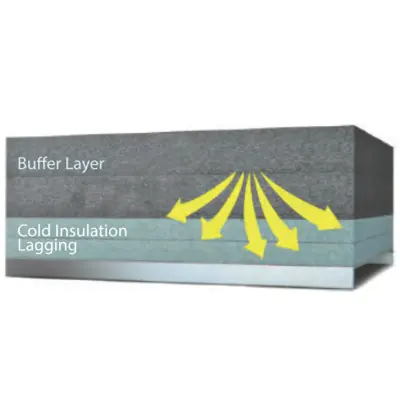
Boasts a water vapor diffusion resistance factor (μ value) exceeding 10,000. In high relative humidity conditions typical of coastal Greece, this serves as a continuous, built-in vapor barrier that remains unimpeded even if the surface layer suffers superficial scuffing during installations.
Tested and classified to BS 476 Part 6 & 7 Class 0 and Euroclass B-s3, d0 safety limits. In commercial corridors, hospital mechanical rooms, and educational institutions in Greece, this non-dripping, self-extinguishing characteristic reduces smoke toxicity hazards.
Extends system lifespans up to 15 years with minimal thermal drift. By preventing moisture saturation within the insulation body, the thermal conductivity (λ ≤ 0.034 W/m·K at 0°C) remains virtually static, maintaining initial design efficiencies for mechanical systems.

Kingflex Insulation Co., Ltd. is a professional manufacturing and trading combo for thermal insulation products. Kingflex research development and production department is located in the well-known capital of green-building materials in Dacheng, China. It is an energy-saving, environmentally friendly enterprise concentrating on research, development, production, and sales. In operation, Kingflex takes energy saving and consumption reduction as its core concept. We provide solutions regarding insulation by means of consultation, research and development, production, installation guidance, and post-sale service to lead the development of the global building materials industry.
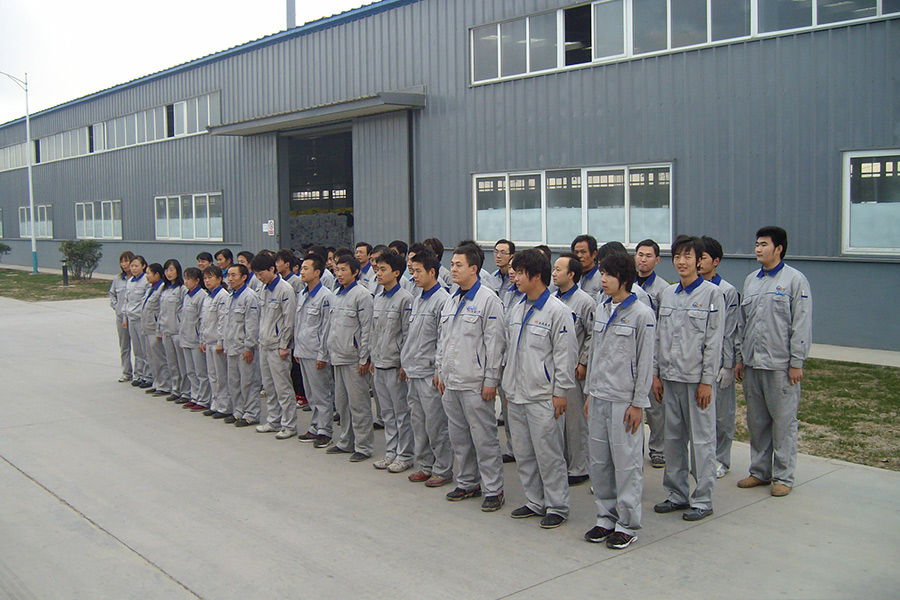
Kingflex was established by Jinwei Group, which has more than 40 years of history. Jinwei Group was established in 1979 and was the first manufacturer of thermal insulation materials north of the Yangtze River. Our employees are amazing in their own right, but together they make Kingflex such a fun and rewarding place to work. The Kingflex team is a tight-knit, talented group with a shared vision of giving consistently first-class service to our clients. Kingflex has eight professional engineers in the R&D Department, 6 professional international sales, and 230 workers in the production department.
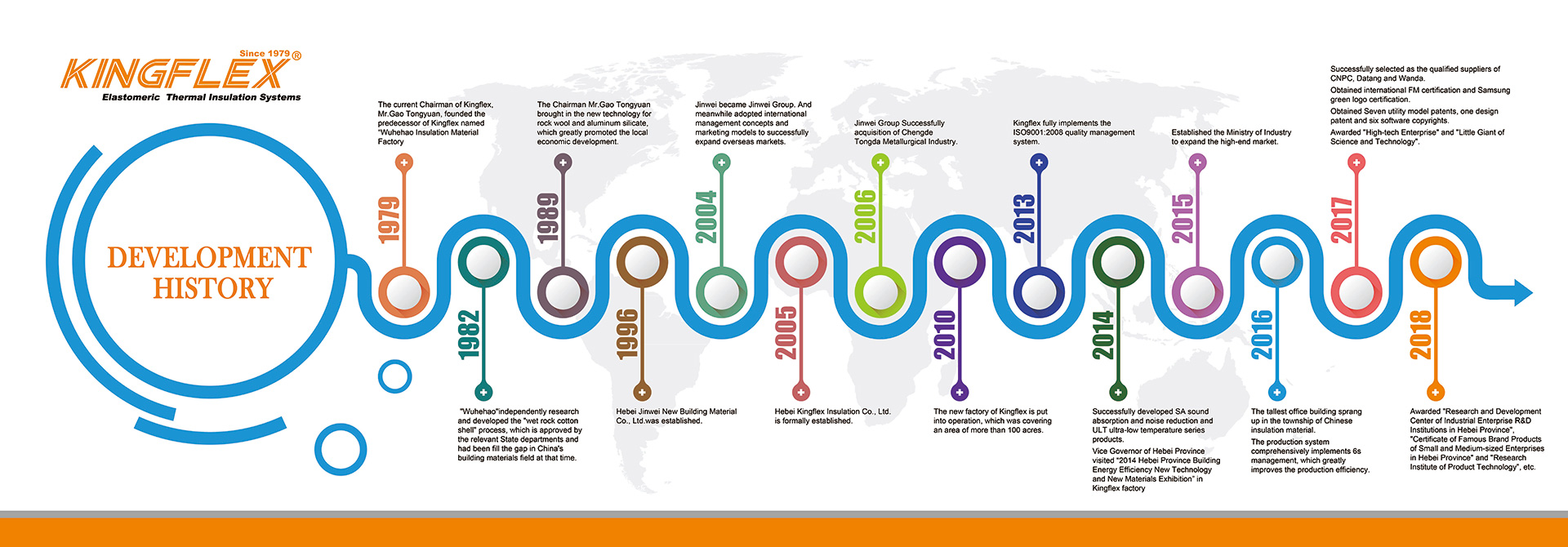
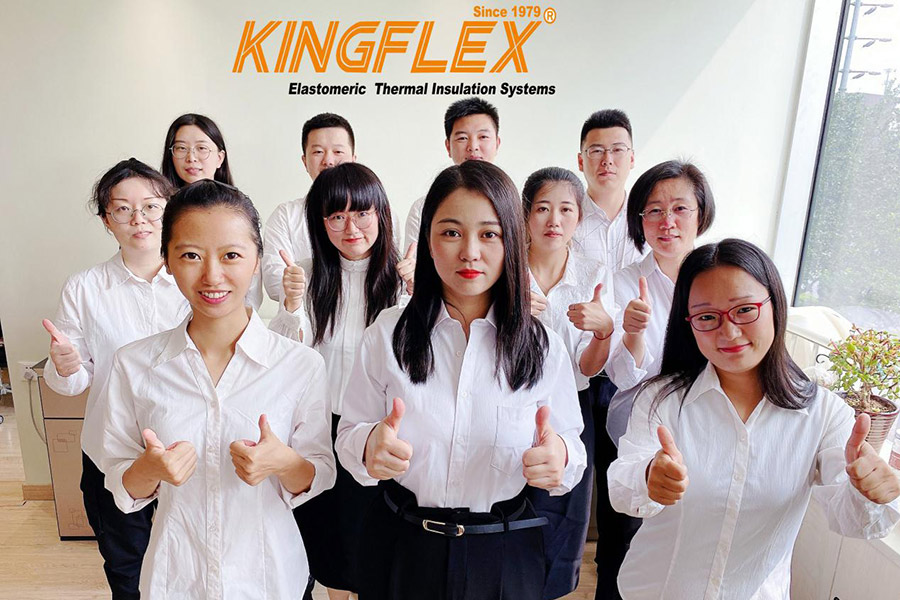
At present, Kingflex has 5 large automatic assembly lines, with an annual production capacity of more than 600,000 cubic meters, and has become a designated production enterprise designated by the Ministry of Energy, the Ministry of Electric Power, and the Ministry of Chemical Industry. Our primary responsibility is to supply customers all over the world with a full set of energy-saving insulation system solutions, acting as an integrated solution provider of thermal insulation, cold insulation, and noise reduction for buildings and industrial facilities.
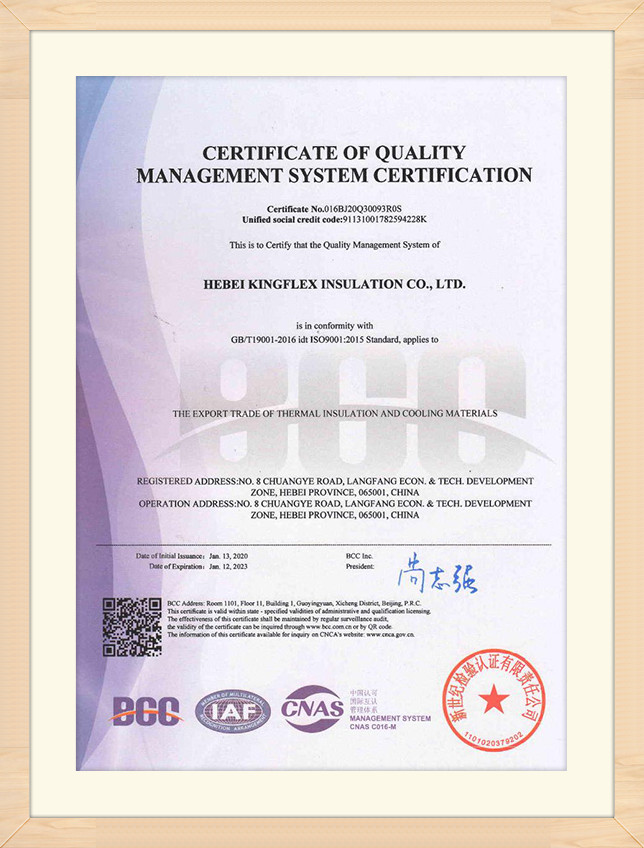
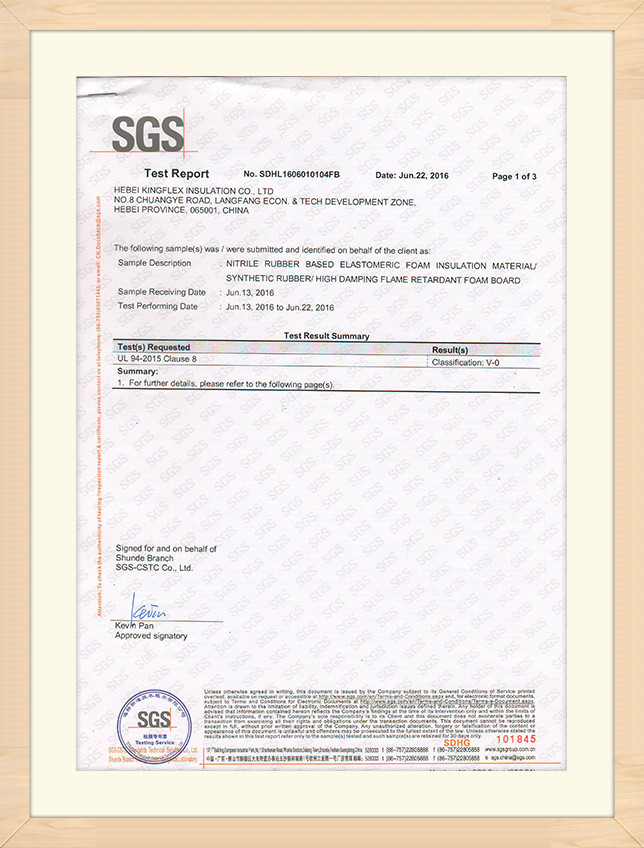
Our continuous focus on manufacturing precision and strict raw material control has allowed us to secure globally recognized performance compliance certificates.
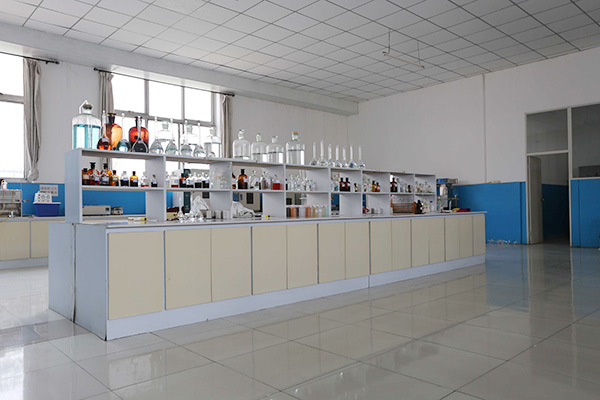

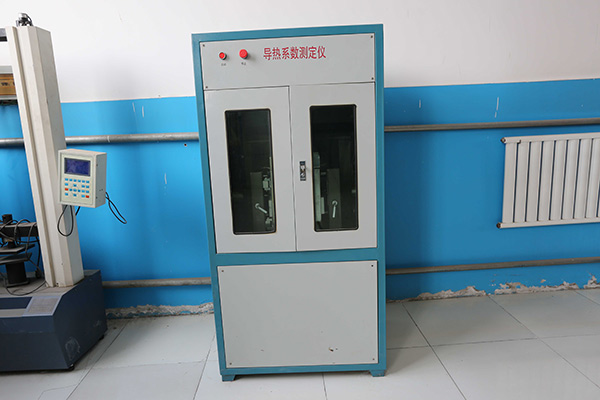


Technical drawings, application metrics, and dimensional parameters for project engineering design.

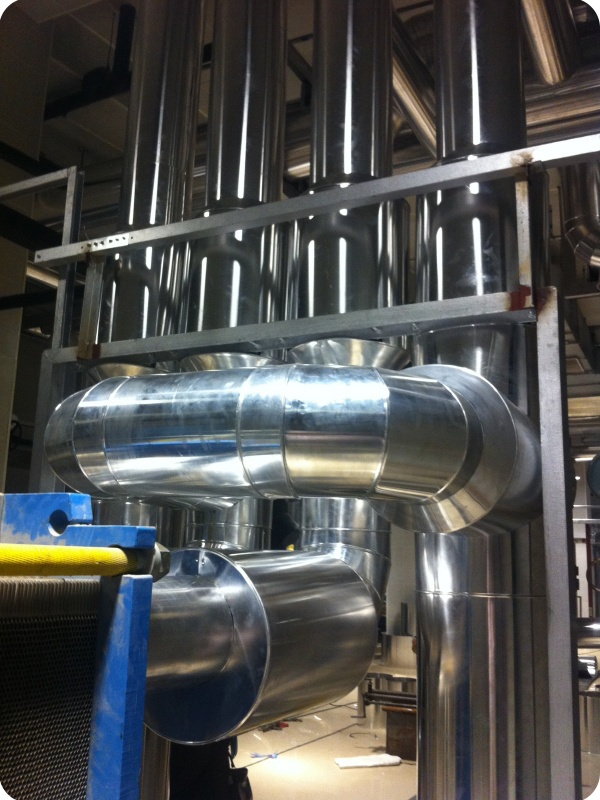
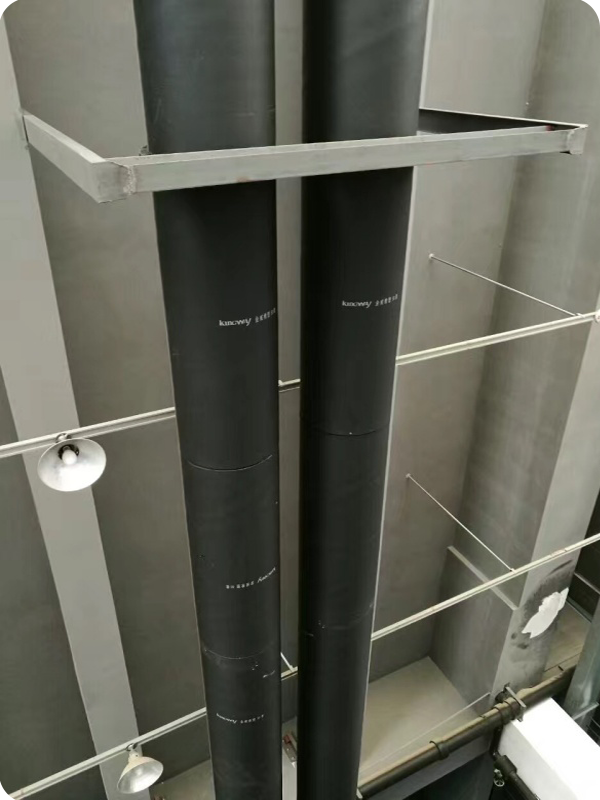
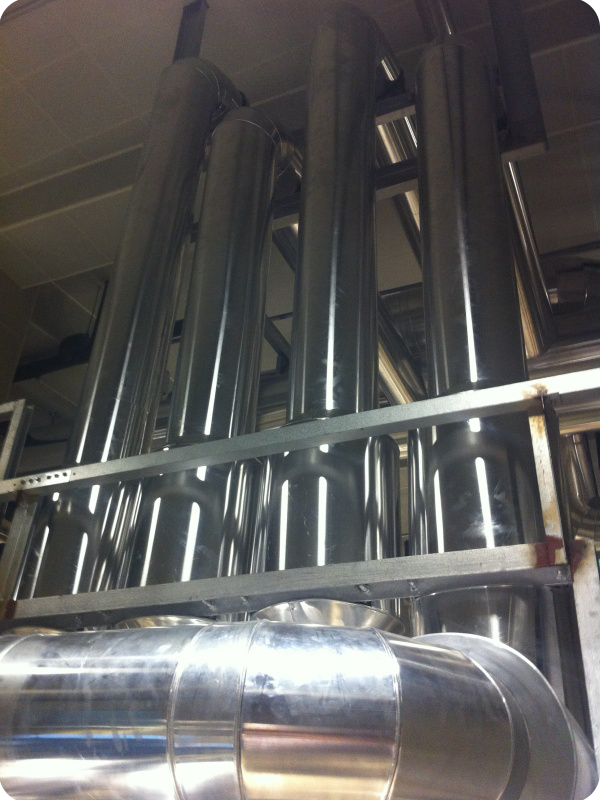
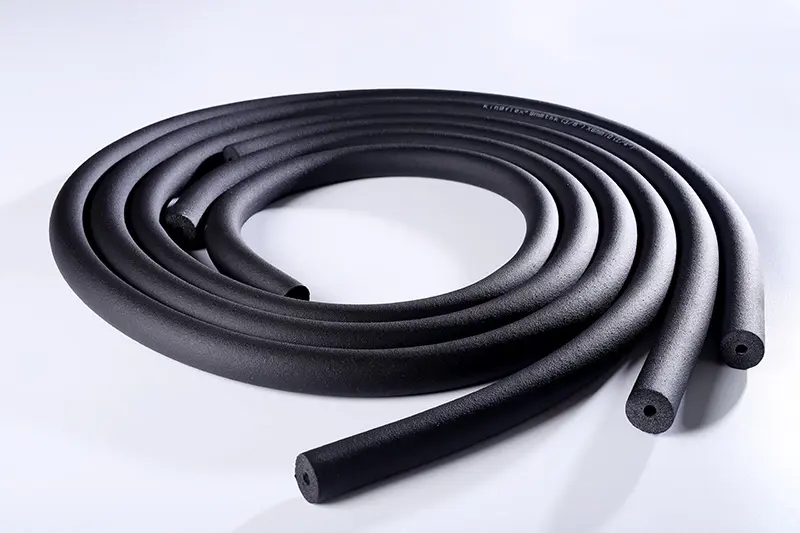
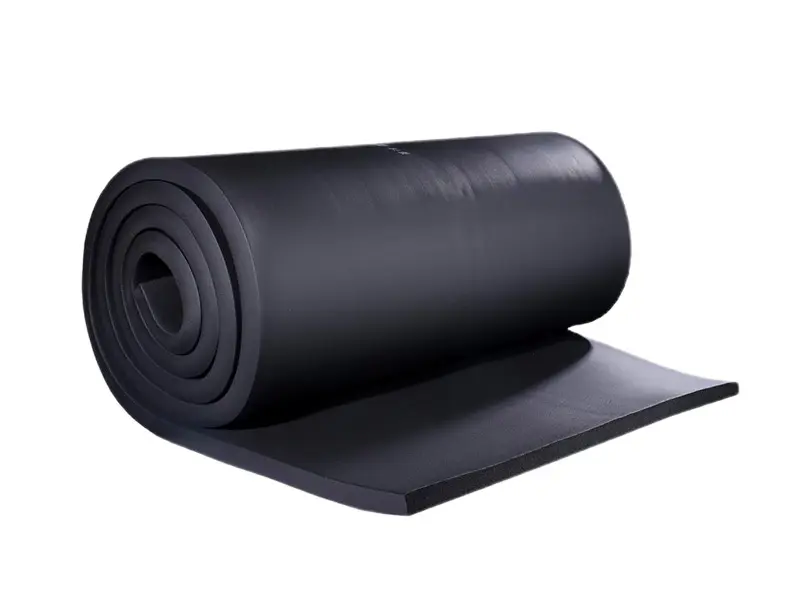
Material: Nitrile Butadiene Rubber / Polyvinyl Chloride (NBR/PVC) Synthetic Blend
Thickness Range: 6mm to 50mm
Bulk Density: 40 to 55 kg/m³
Service Temperature Range: -40℃ to 105℃
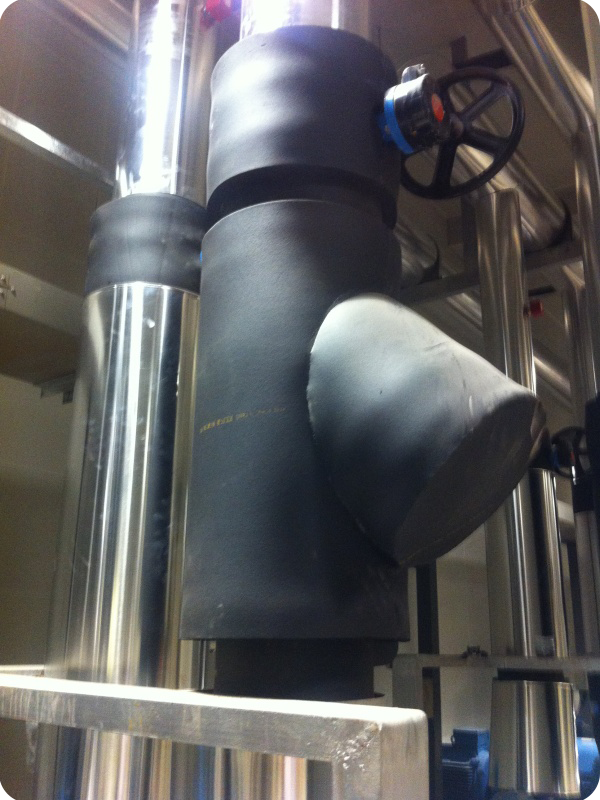
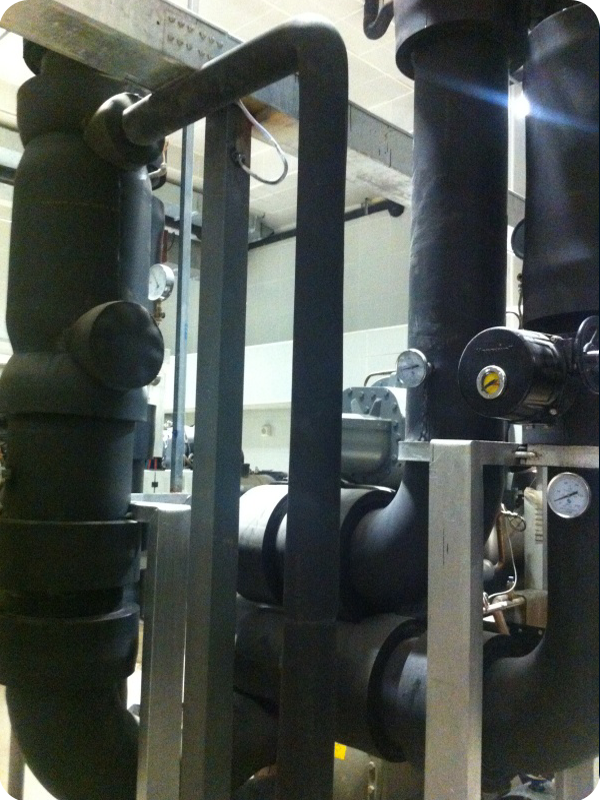
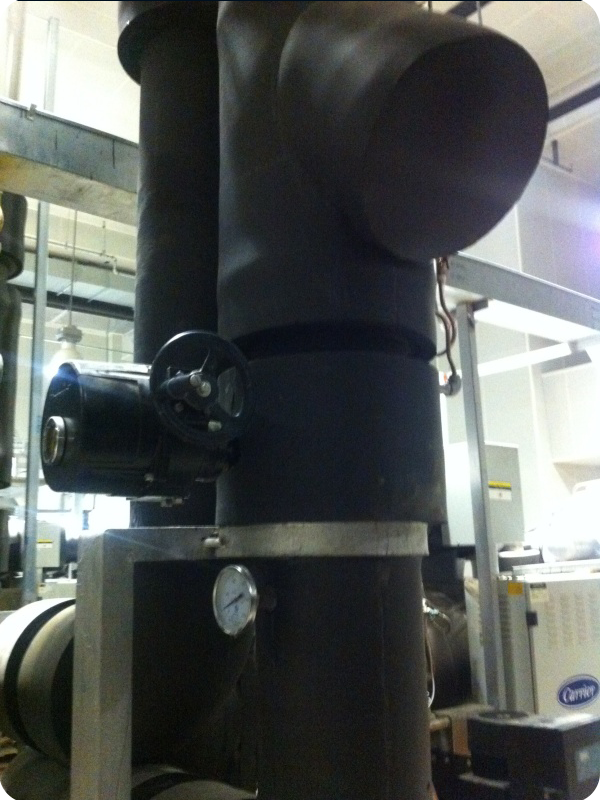
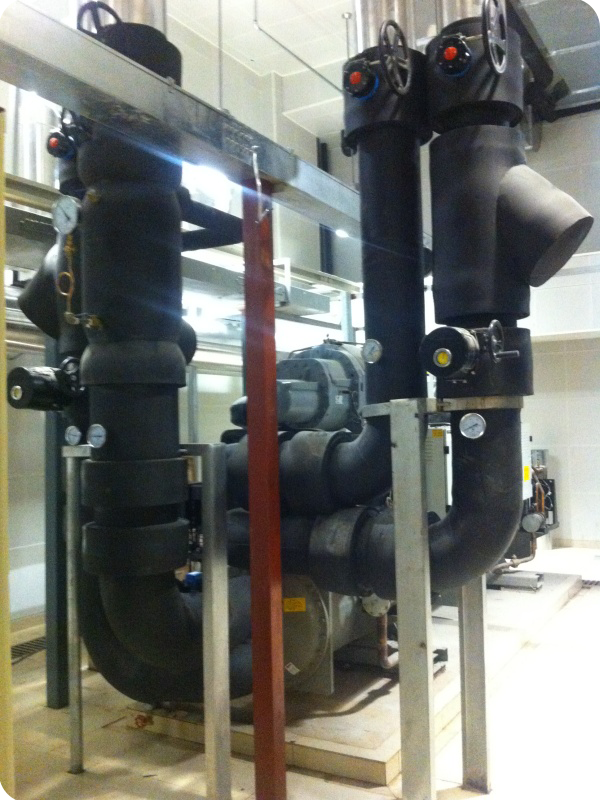
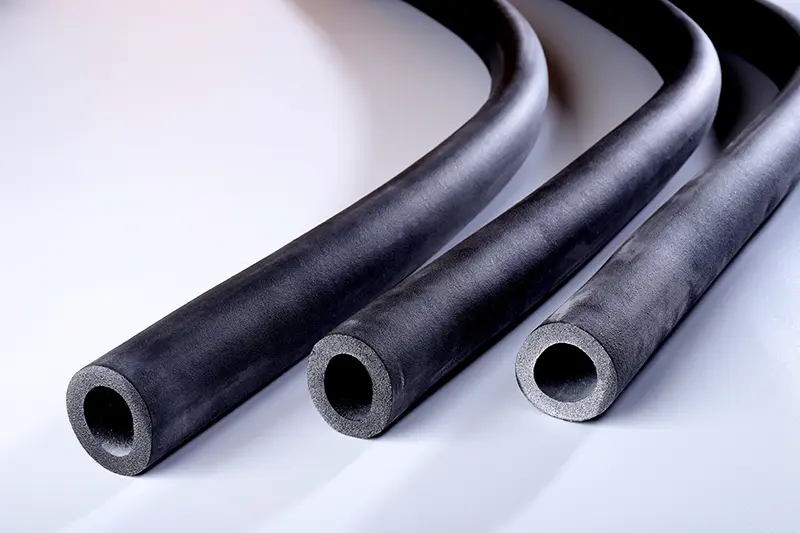
Material: NBR/PVC blend matrix
Wall Thickness: 9mm to 40mm
Inner Diameter Range (ID): 6mm to 114mm
Bulk Density: 40 to 55 kg/m³
Service Temperature Range: -40℃ to 105℃
Kingflex maintains high-volume stockpiles of raw materials and finished products, ensuring shipping schedules can deliver to Greece ports (Piraeus and Thessaloniki) within standardized lead times.
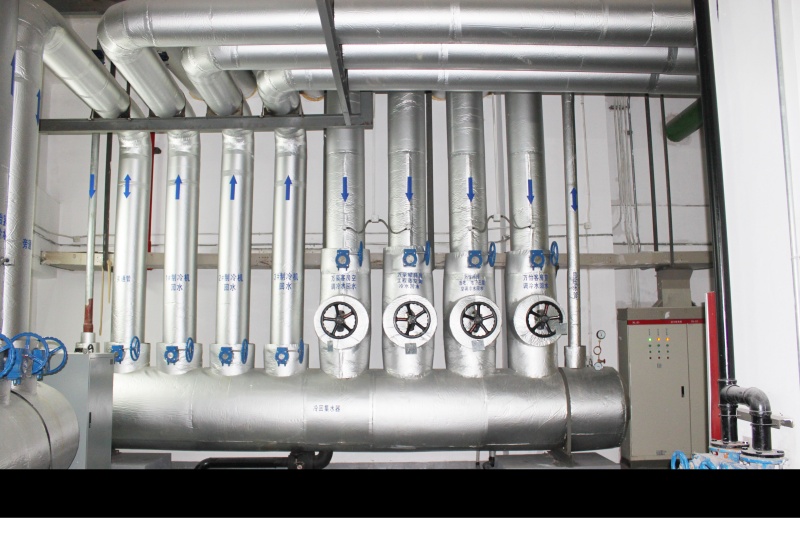


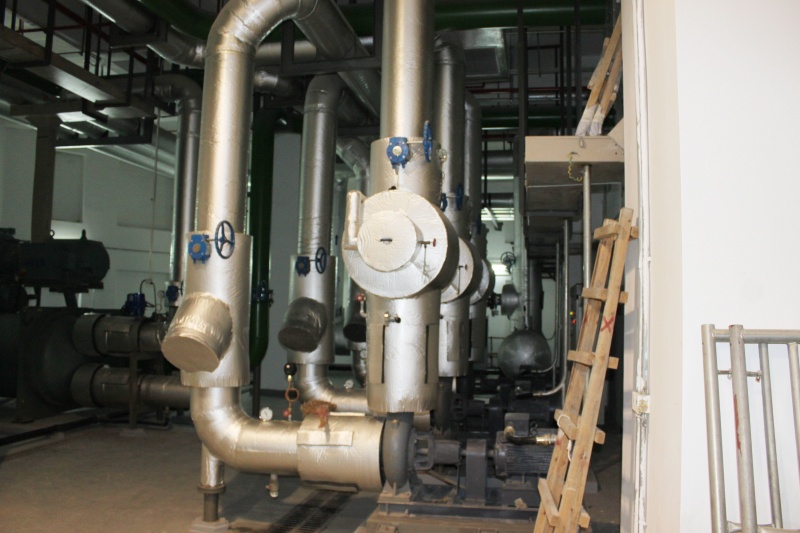
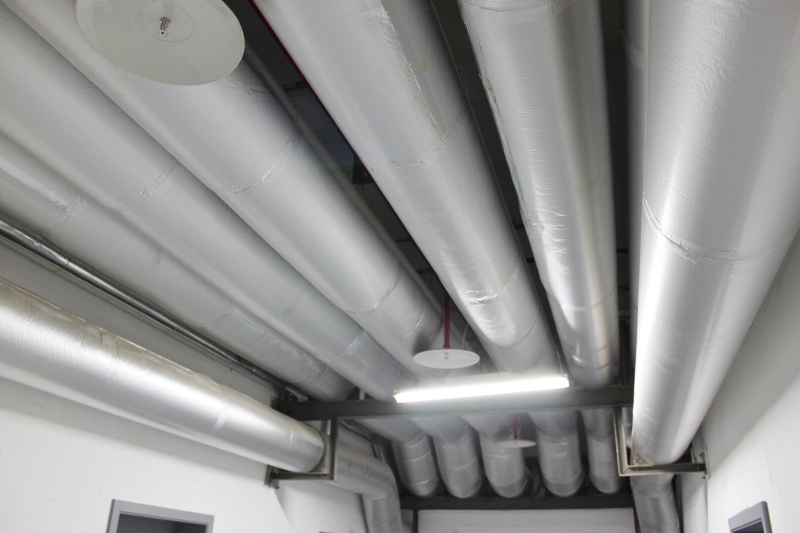

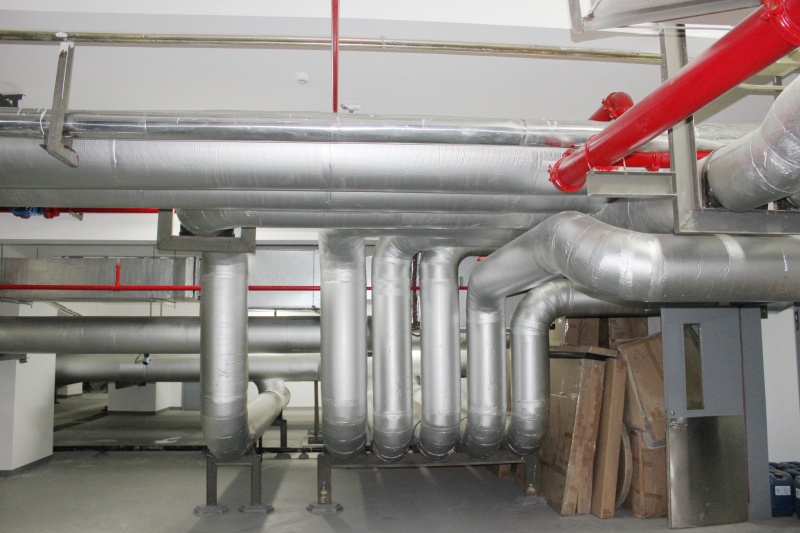
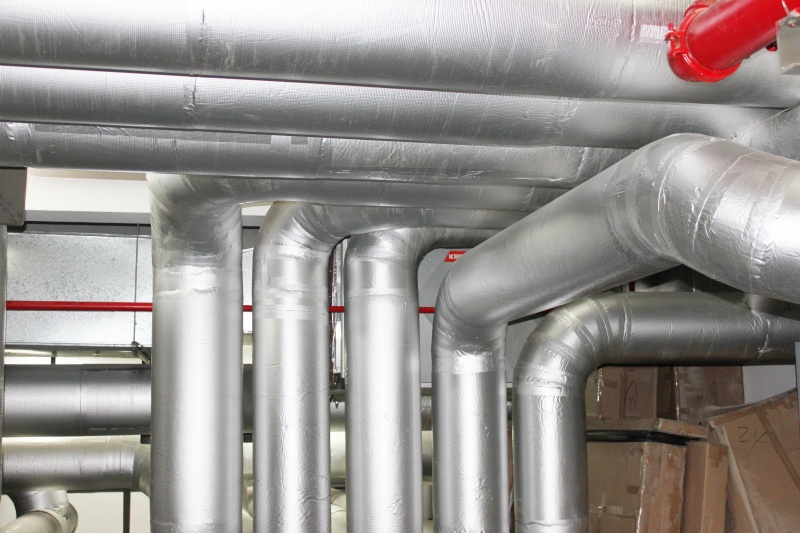
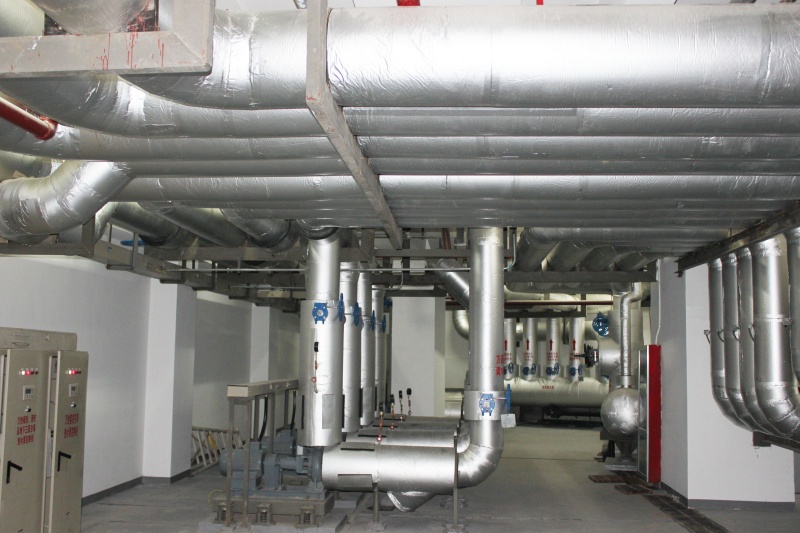
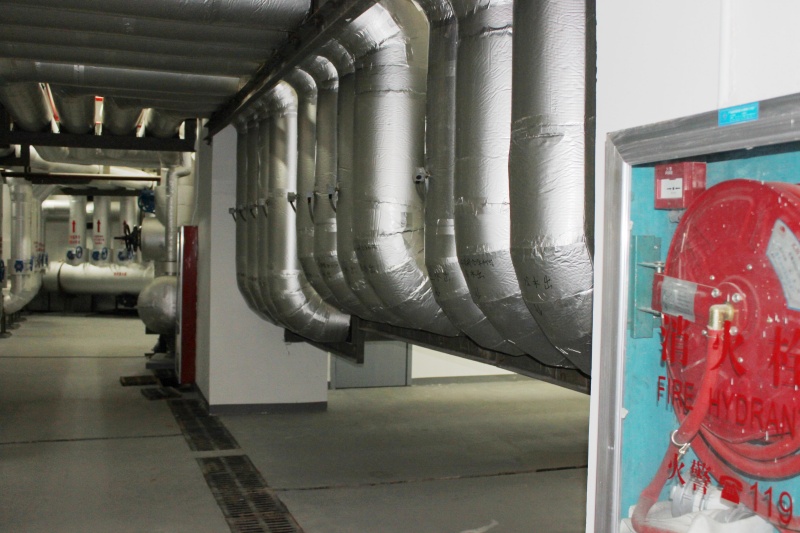
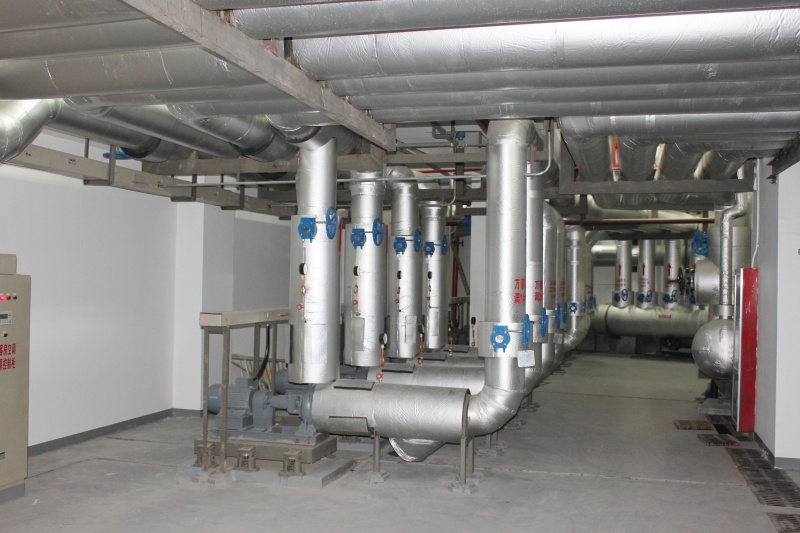

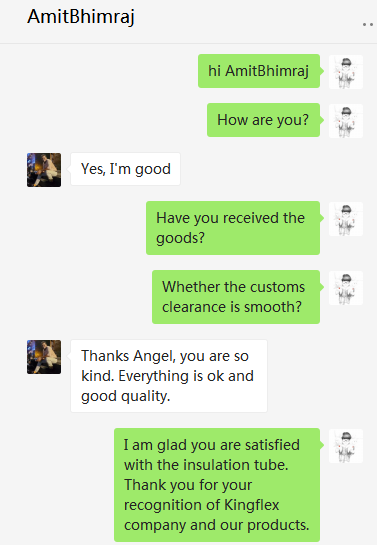
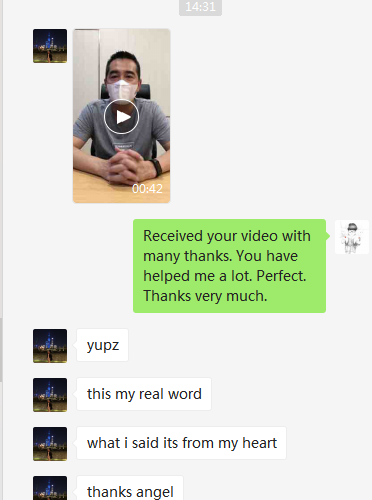
Transparent international communication validating product specifications, density limits, and port arrival feedback from our global buyers.




Select from our certified NBR/PVC elastomeric formulations and auxiliary insulation products for bulk shipping to Piraeus & Thessaloniki ports.
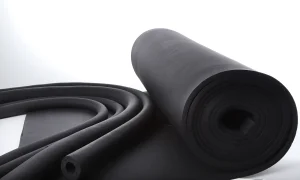
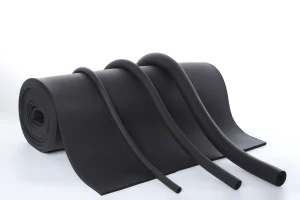
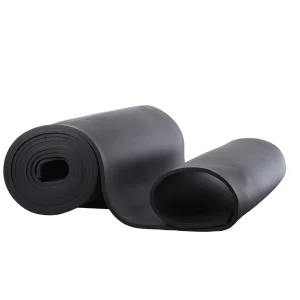
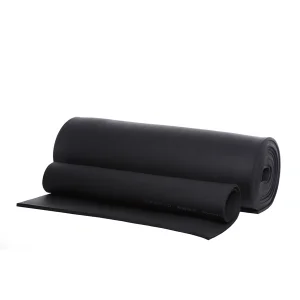
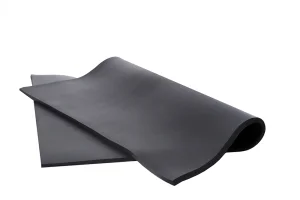
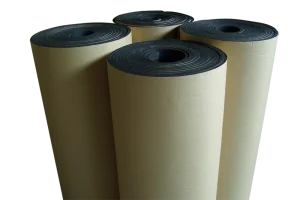
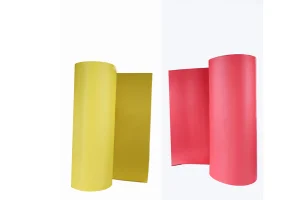
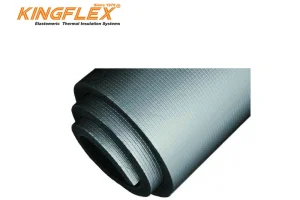
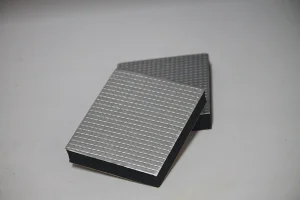
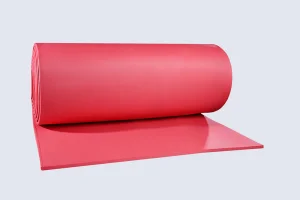
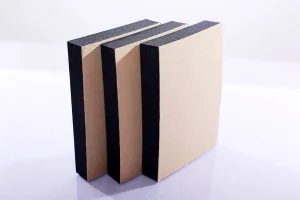
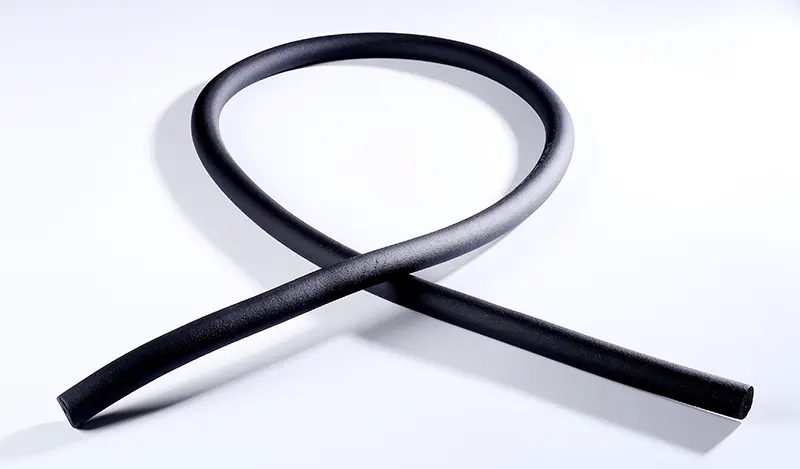






Why Hellenic contractors and global commercial purchasers are turning to direct factory-direct partnerships with Kingflex.
In Greece's competitive real estate and industrial landscape, project margins are continually squeezed. By skipping intermediate distribution markups and sourcing directly from Kingflex’s 600,000 m³ automated facility in Dacheng, engineering firms reduce material procurement costs by up to 25–35% compared to local European brands. This direct flow guarantees stable price points during long-term commercial developments.
Kingflex closed-cell rubber foam solutions do not compromise on quality. Every production run undergoes automated batch testing. Our products conform fully to CE construction product regulations (EN 14304), BS 476 flame spread limits, and chemical safety rules set by EU REACH and RoHS. This level of certification simplifies local engineering sign-offs in Athens and Thessaloniki municipal projects.
Mechanical projects often require specific wall thicknesses, integrated protective skins, or tailored densities to solve specific acoustic or heat-transfer challenges. Kingflex supports comprehensive OEM services—offering thickness scales from 6mm to 50mm, aluminum foil laminated backings to resist intense UV exposure on Greek outdoor rooftops, and specialized high-tack pressure-sensitive adhesive backings for quick installation onto large rectangular ventilation ducts.
As required by modern green building protocols (such as LEED or BREEAM assessments), every consignment of Kingflex insulation is fully traceable. From raw elastomer compounding to vulcanization line variables and ultimate shipping port inspection sheets, our documentation keeps mechanical contractors protected against material failures or non-compliance penalties.
Whether you are drafting mechanical specifications for a new hotel resort in Crete or planning bulk pipeline maintenance in Piraeus harbor, our engineering team can provide customized thickness calculations, heat transfer simulations, and competitive pricing schedules.
Send Inquiry NowEssential engineering guidance regarding elastomeric closed-cell rubber foam insulation, fire codes, and Greek project application profiles.
It is primarily utilized for mechanical system protection including HVAC air ducting, VRV/VRF air conditioning copper lines, chilled water pipeline runs, condensation prevention systems, commercial and municipal building thermal envelopes, and industrial process piping cold preservation. Its high sound absorption coefficient also makes it an excellent choice for machine room and wall acoustic lining insulation.
Yes, our rubber foam products are formulated with flame-retardant additives and undergo rigorous testing. They comply with European standards including BS 476 Class 0 and Euroclass B-s3, d0 certifications. They do not generate burning droplets when exposed to open fire, acting as a barrier to flame propagation inside commercial and public building spaces.
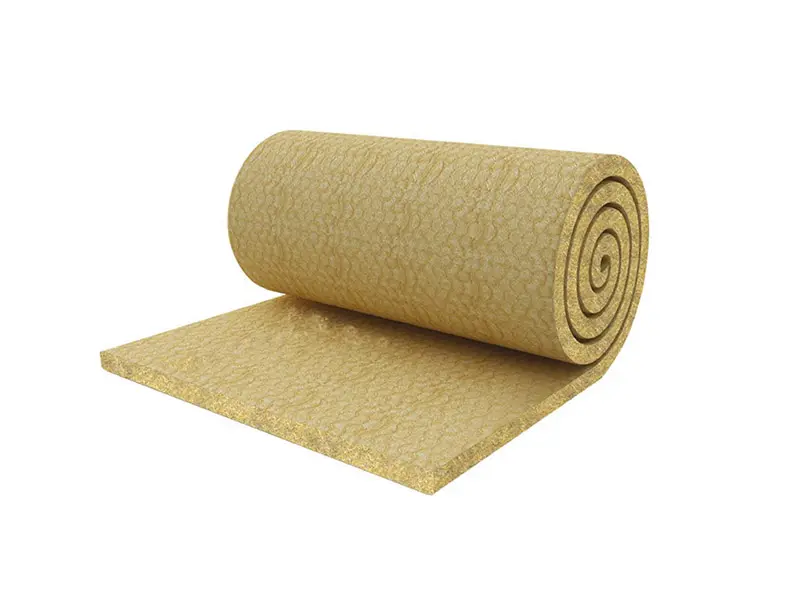
The main differences lie in cell structure, moisture handling, and temperature limits. Rubber foam is a flexible, closed-cell elastomer with high water vapor resistance, preventing condensation on cold lines (chilled water, AC) without requiring separate vapor barriers. Rock wool is a fibrous, open-cell material capable of handling extremely high industrial heat loads (above 200°C), making it better for high-temperature steam lines, whereas rubber foam is ideal for HVAC, HVAC plumbing, and cryogenic systems down to -40°C.
Yes, we support comprehensive OEM/ODM customization. We can supply self-adhesive backing configurations, fiberglass or pure aluminum foil laminations for enhanced outdoor UV protection, and custom inner diameters (IDs from 6mm up to 114mm) for non-standard pipe networks, alongside thickness options ranging from 6mm to 50mm.
Kingflex insulation products have passed rigorous evaluations, holding certificates for BS 476 Class 0, CE, REACH, RoHS, UL94, and ASTM. These documents ensure that our materials meet European quality, health, environmental, and fire safety standards, making them fully compliant with Greece's KENAK requirements.
Yes. Quality control is central to our reputation. Every batch of rubber foam rolls and pipe sleeves has traceable reference numbers that connect back to the raw material compound logs, curing oven temperatures, density inspections, and shipping manifests.
We can continuously produce rubber foam sheet rolls in thicknesses ranging from 6mm to 50mm. This wide range allows engineers to select the exact thickness required to meet condensation control calculations under any ambient relative humidity and operating fluid temperatures.
When installed professionally using recommended elastomeric adhesives and joint tapes, Kingflex insulation retains its physical stability and low thermal conductivity for approximately 10 to 15 years. Lamination with protective aluminum skins or placement within protected indoor duct chases can extend this operational lifespan even further.
 Kingflex