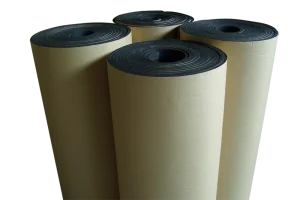
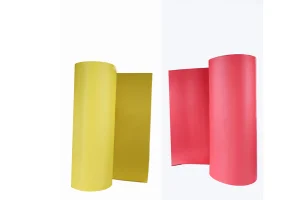
Advanced elastomeric compositions formulated for demanding thermal isolating conditions, available for supply throughout the Indonesian archipelago.

Insulation design within equatorial regions such as Indonesia presents engineers with a distinct physical paradigm. The country's ambient environment is characterized by persistent high temperatures (averaging 28°C to 34°C) combined with excessive relative humidity levels, which frequently sit between 75% and 95%. In such hot, humid environments, thermal insulation is not merely a mechanism for thermal control, but rather the primary defense against systemic moisture ingress and condensation.
Condensation occurs when the surface temperature of piping, ductwork, or equipment drops below the ambient dew point. In high humidity environments like Jakarta, Surabaya, or Batam, the dew point is very close to the dry-bulb temperature. For instance, at an ambient temperature of 32°C and 85% relative humidity, the dew point is approximately 29°C. Any chilled water pipe operating at standard HVAC supply temperatures of 6°C to 8°C will immediately sweat if the insulation surface drops even slightly below 29°C.
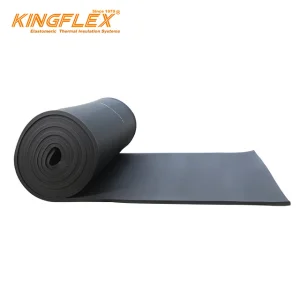
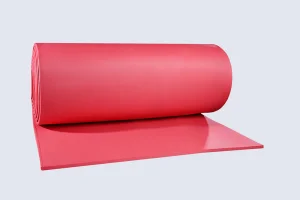
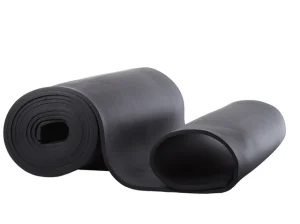
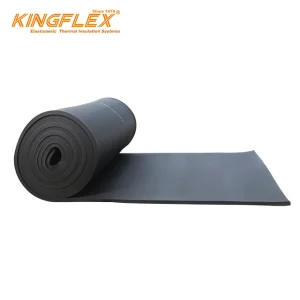
Unlike open-cell alternatives (such as rock wool or glass wool) which rely on external vapor barriers that can tear or degrade, Kingflex closed-cell rubber foam insulation sheet rolls feature an inherent water vapor resistance factor (μ) exceeding 10,000. Each cell acts as a built-in vapor barrier, ensuring that even if the outer surface is scratched, the internal structure remains completely dry and maintains its low thermal conductivity (λ ≤ 0.034 W/m·K at 0°C) over decades of service.
Our supply chains and engineering support target major industrial nodes across Indonesia:
Chilled water system design parameters to ensure dry operation under tropical conditions:
Understanding the micro-structure and high-density formulation of Kingflex elastomeric foam insulation rolls.
The performance of Kingflex rubber foam insulation is rooted in its chemical composition. Combining Nitrile Butadiene Rubber (NBR) and Polyvinyl Chloride (PVC), the material undergoes a specialized vulcanization process that creates a highly stable, chemically cross-linked molecular grid. This formulation provides elastic mechanical properties alongside high chemical resistance to oils, greases, and environmental aging.
During the thermal expansion process, a nitrogen gas-blowing agent creates millions of microscopic, non-communicating spherical cells. This closed-cell structure blocks air movement, preventing convective heat transfer. Because nitrogen is inert and locked within the cell walls, the thermal conductivity remains stable over time, unlike materials that use blowing gases prone to diffusion.
| Physical / Chemical Property | NBR/PVC Elastomeric Foam Value | Test Standard Reference |
|---|---|---|
| Thermal Conductivity (λ) at 0°C | ≤ 0.034 W/(m·K) | ASTM C518 / ISO 8301 |
| Water Vapor Permeability Resistance (μ) | ≥ 10,000 | EN 12086 / ISO 1663 |
| Water Absorption by Volume | ≤ 0.2% | ASTM C209 |
| Reaction to Fire (BS 476) | Class 0 (Part 6: I ≤ 12, i1 ≤ 6; Part 7: Class 1) | BS 476 Part 6 & 7 |
| Operating Service Temperature | -40°C to +105°C (Cryogenic variants down to -200°C) | ASTM C411 |
| Density Range | 40 - 55 kg/m³ | ASTM D1622 |
| Fungi & Bacteria Resistance | Excellent, Mold Resistant | ASTM G21 / ASTM G22 |
Backed by over 40 years of thermal isolation engineering expertise under the Jinwei/Kingway Group umbrella.
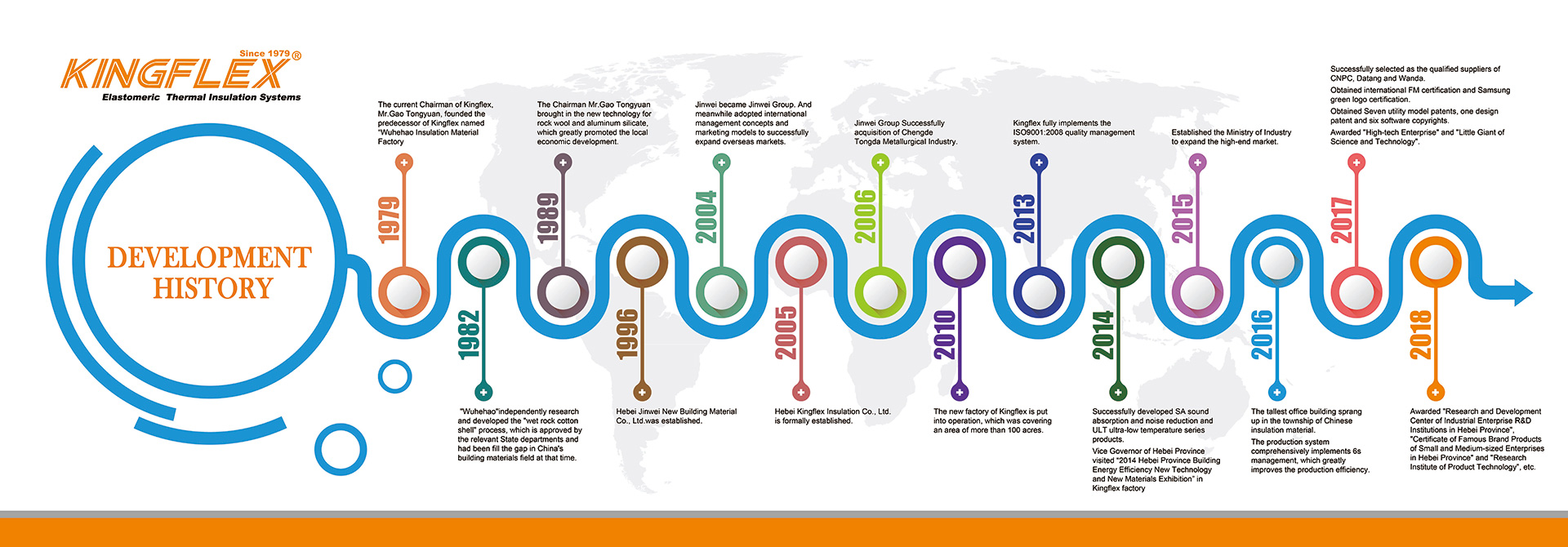
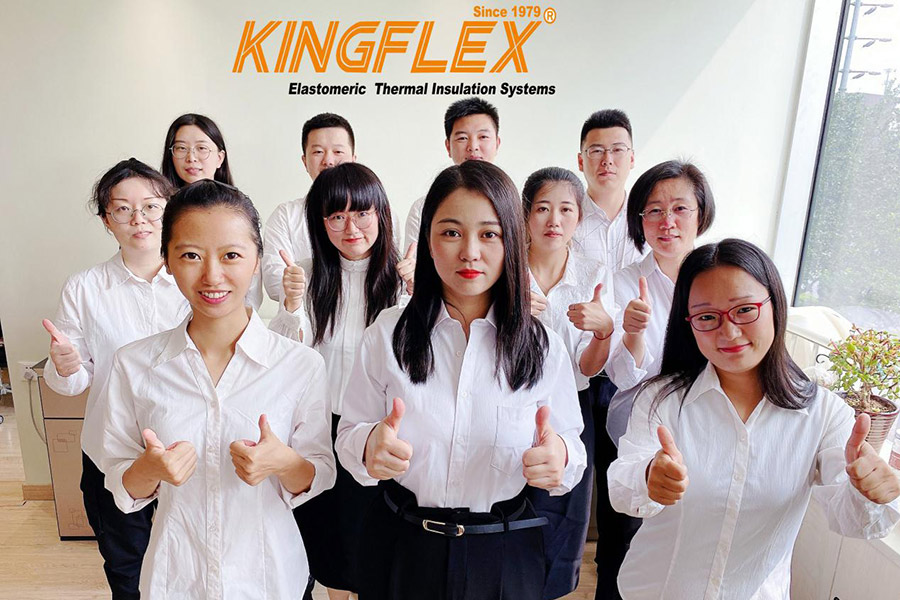
Kingflex Insulation Co., Ltd. is a professional manufacturing and trading combo for thermal insulation products. Our research, development, and production facility is located in Dacheng, China—a hub for green building materials. As an energy-saving, environmentally friendly enterprise, we integrate research, production, sales, and technical consulting to support thermal projects worldwide.
Our parent organization, the Jinwei/Kingway Group, was established in 1979 and holds a 40-year history as a pioneer in northern China's thermal insulation sector. Today, Kingflex runs five automated assembly lines yielding an annual production capacity exceeding 600,000 cubic meters. We serve as a designated supplier to the Ministry of Energy, the Ministry of Electric Power, and the Ministry of Chemical Industry.
Our team includes eight professional engineers in our R&D Department, six international sales representatives, and 230 production workers, allowing us to export to over 66 countries over the past 16 years.

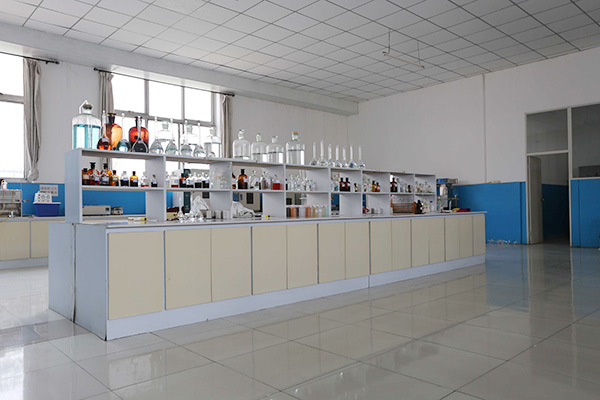
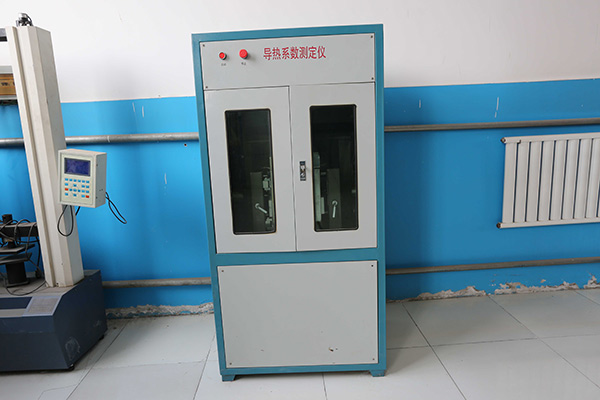
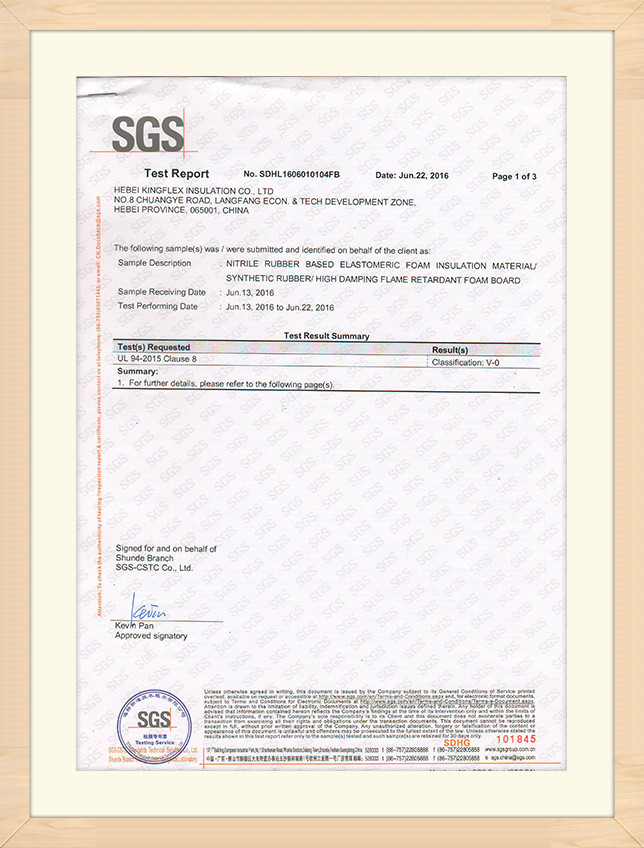
We operate a dedicated testing facility monitoring chemical composition, density consistency, and fire performance standards.



Engineered for cold storage, chemical processing, and extreme low-temperature pipelines.
Providing reliable performance in critical infrastructure projects throughout Indonesia.
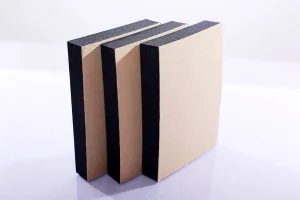
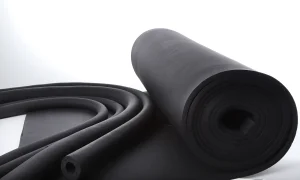
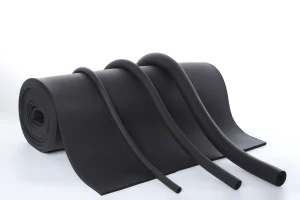
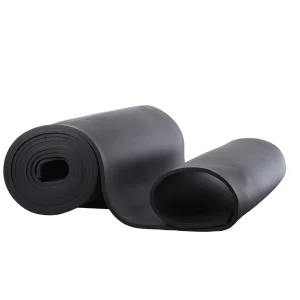
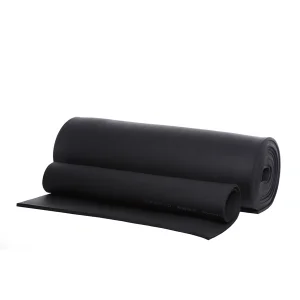
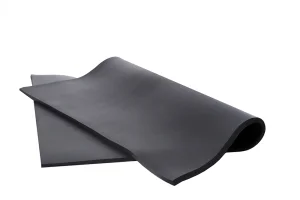
Our product line is split into two primary form factors: Sheet Rolls for large-diameter pipes, ductwork, and flat equipment surfaces; and Insulation Tubes for standard piping runs.

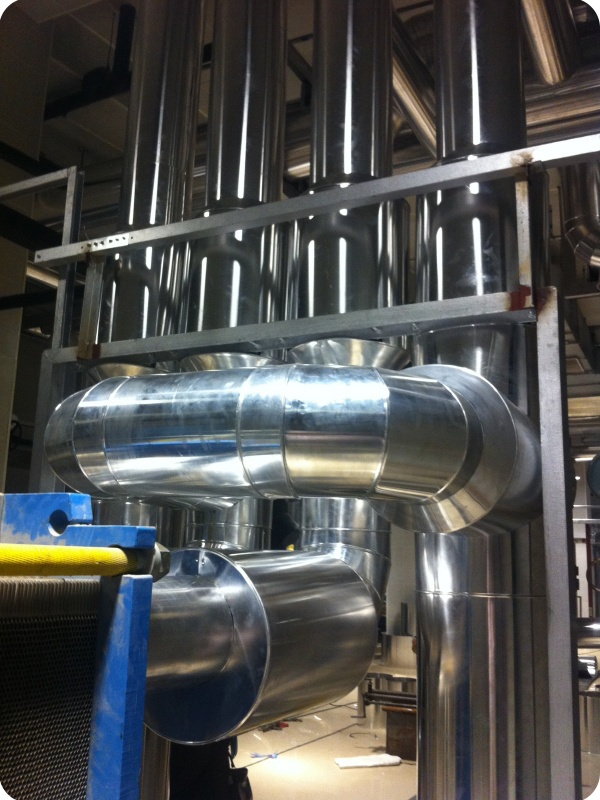
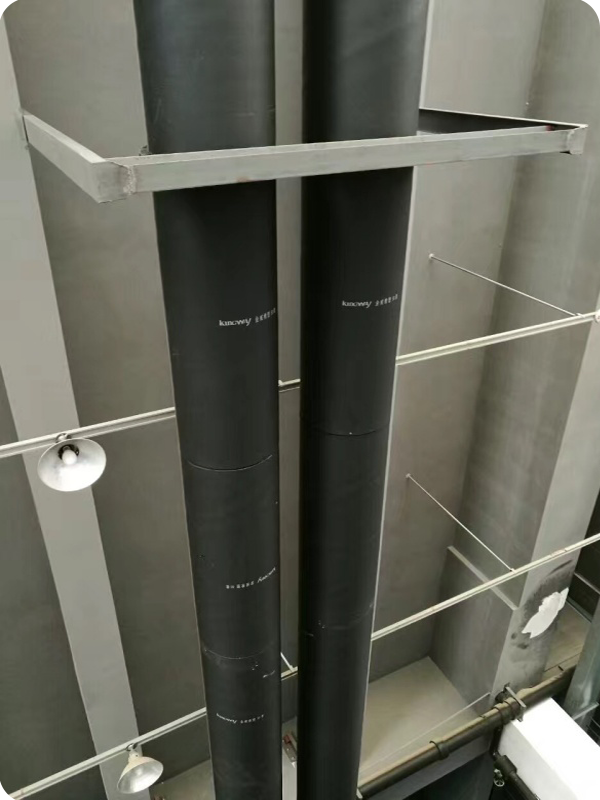
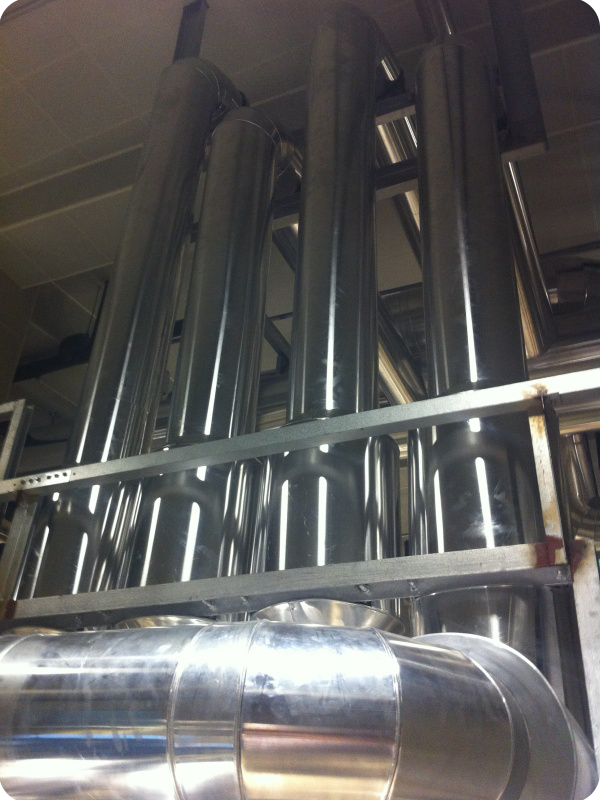
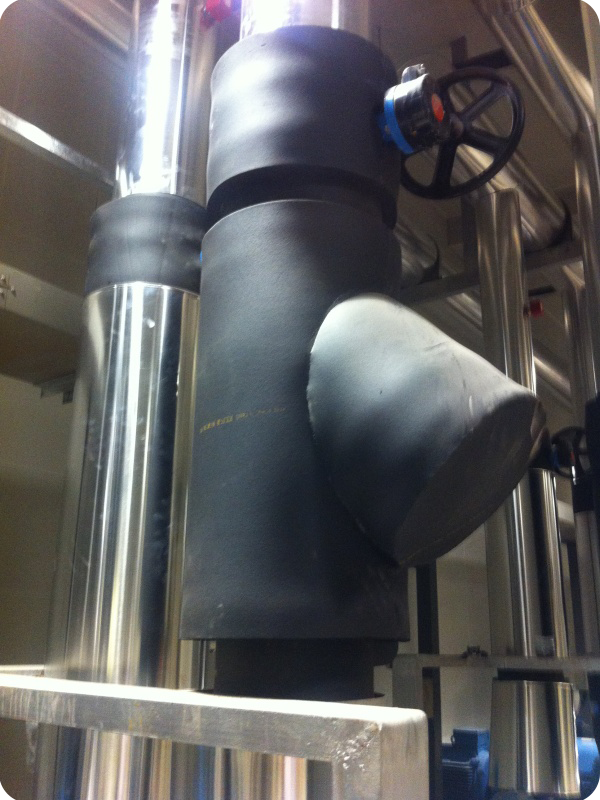
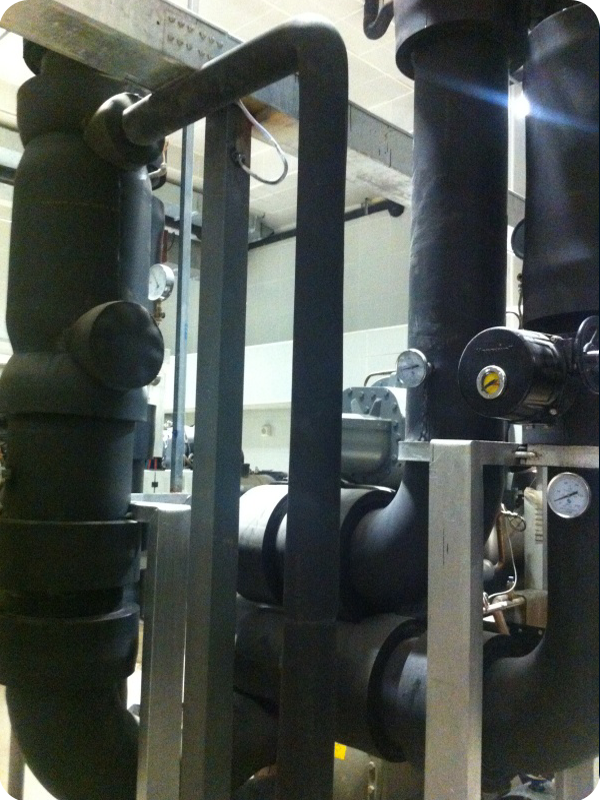
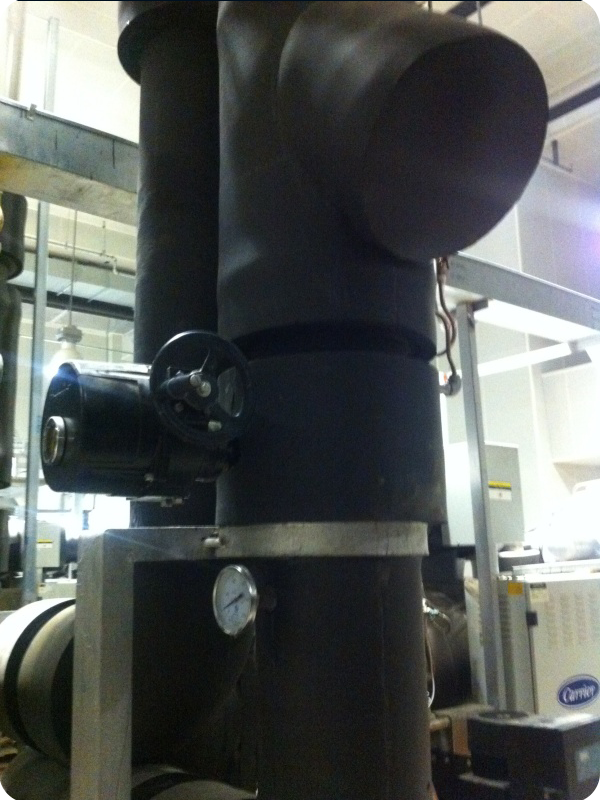
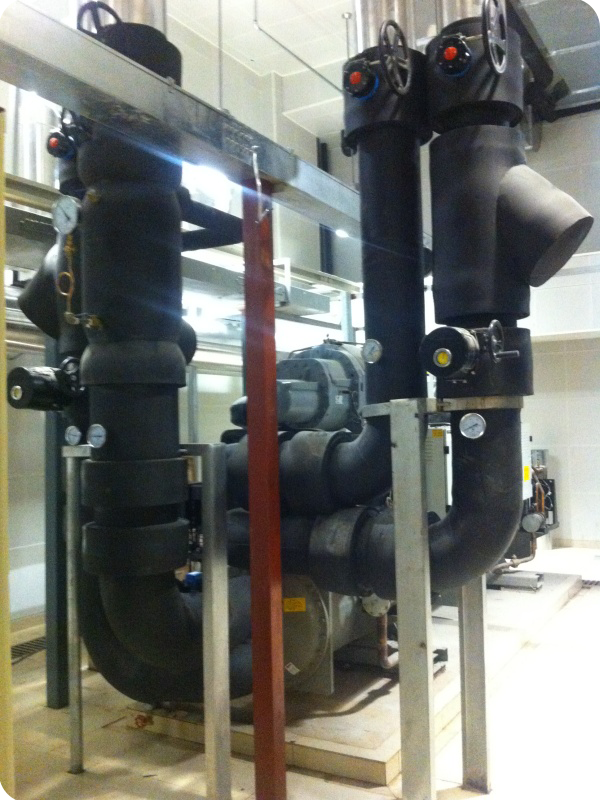
Select from our range of standard elastomeric foam sheets, rolls, and composite structures for commercial and industrial use.
Streamlined supply chain services delivering directly to projects across Java, Sumatra, Kalimantan, and Sulawesi.
Importing insulation materials into Indonesia requires careful coordination with local standards, customs frameworks, and transport logistics. Kingflex provides comprehensive export support to ensure smooth delivery through key ports like Tanjung Priok (Jakarta), Tanjung Perak (Surabaya), and Belawan (Medan).
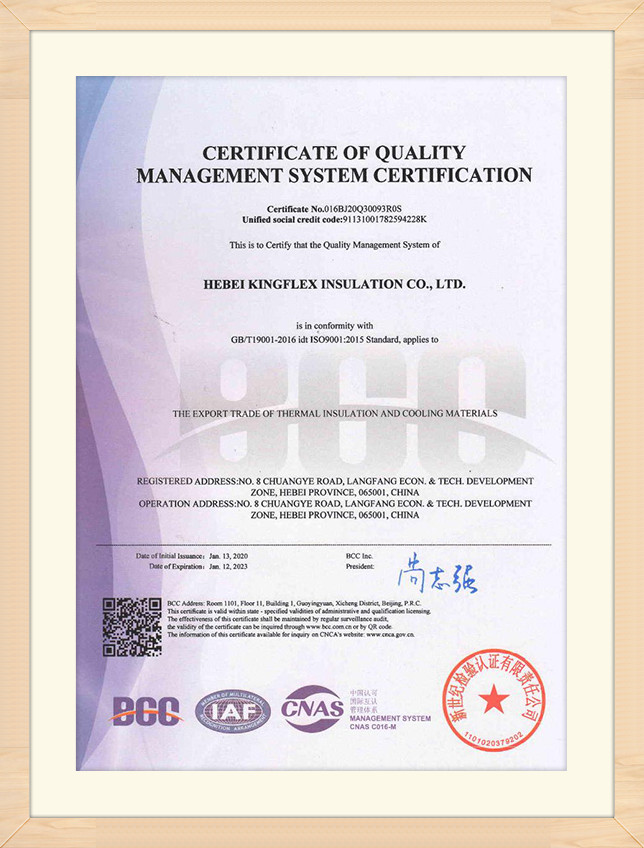
Our engineering support services help ensure compliance with local building codes, including the green building criteria set by the Green Building Council Indonesia (GBCI). By using low-VOC, fiber-free NBR/PVC sheets, projects can earn points under the Indoor Health and Comfort (IHC) category. Furthermore, our fire performance ratings are certified to match international standards (BS 476, ASTM E84, UL 94) commonly required by Indonesian ministries and local inspectors.
Given the high volume and low weight of elastomeric foam rolls, shipping efficiency is critical. We pack our rolls in high-tensile PE bags or sturdy cartons to maximize container loading capacity (40' HQ containers) and protect the material from crushing or moisture during sea transit.
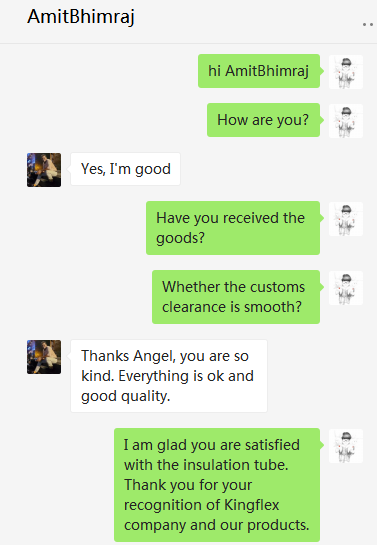
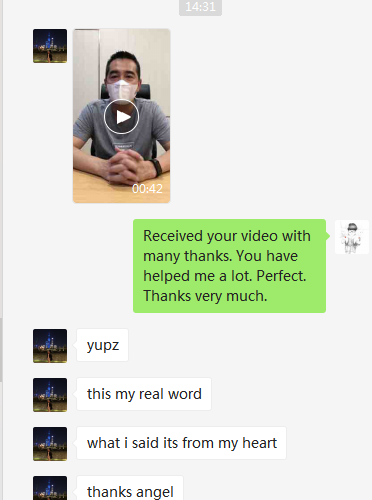
We work closely with procurement teams throughout Southeast Asia. Below are snippets of feedback from clients regarding quality checks and shipments:



Developing advanced, environmentally friendly insulation materials for green construction.
As global environmental standards tighten, the thermal insulation industry is shifting toward safer chemical formulations. Kingflex is committed to this transition by developing materials with zero Ozone Depletion Potential (ODP) and zero Global Warming Potential (GWP). Our manufacturing process has replaced halogenated foaming agents with nitrogen-blowing systems, aligning with the Montreal Protocol.
Additionally, we are researching bio-based rubber alternatives and non-halogenated flame retardants. These developments will help reduce toxic smoke emissions in fire situations while maintaining the low thermal conductivity and high moisture resistance of our NBR/PVC sheets. These future-ready materials are designed to support sustainability goals in new developments like the IKN Nusantara capital project and green industrial estates across Indonesia.
Technical answers regarding installation, material choice, and performance in humid environments.
 Kingflex