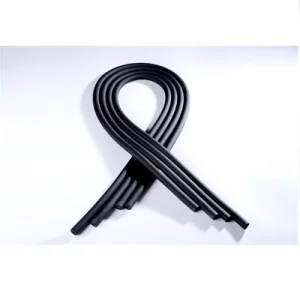
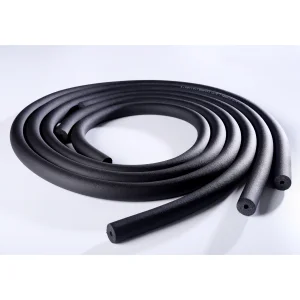
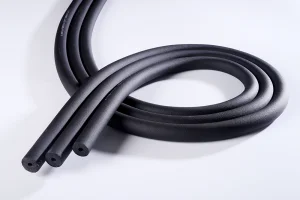
Explore our core engineered products, tailored for high structural stability, low thermal conductivity, and optimal vapor barriers.
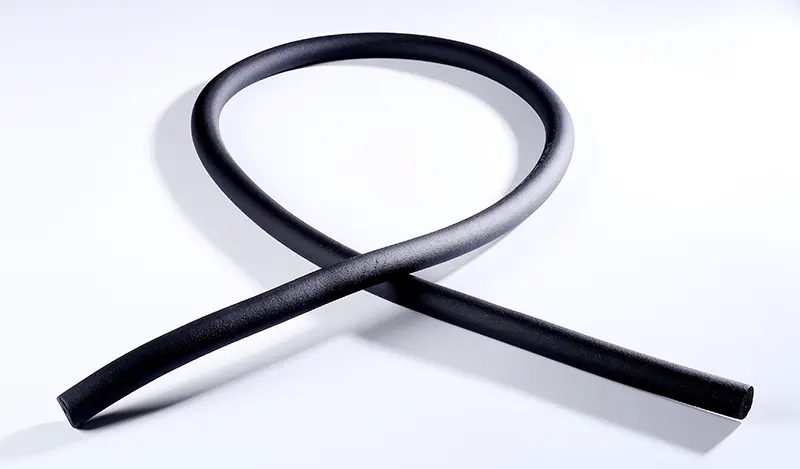
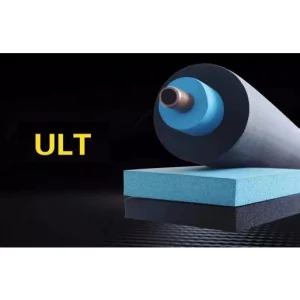
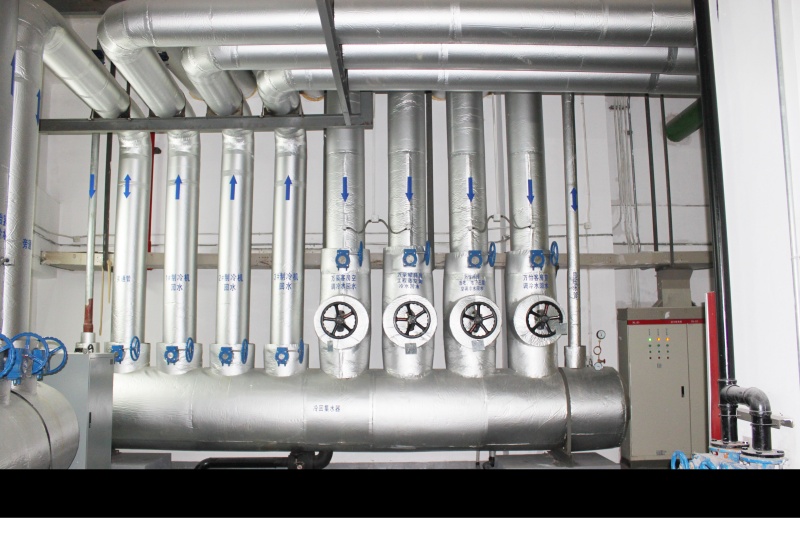
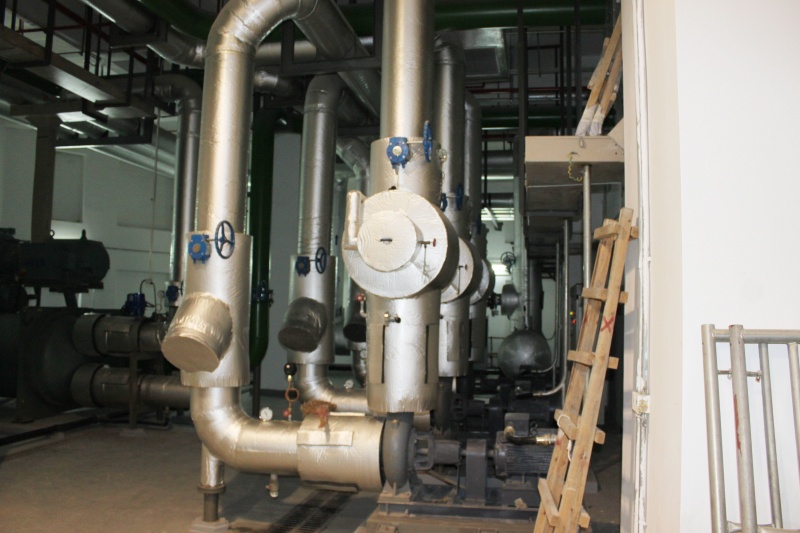
Within the architectural and industrial cooling frameworks, the efficiency of an HVAC network stands or falls by the quality of its thermal barrier. Air conditioner insulation hoses are not merely protective jackets; they are essential thermodynamic controls designed to limit radiant, conductive, and convective heat transfers.
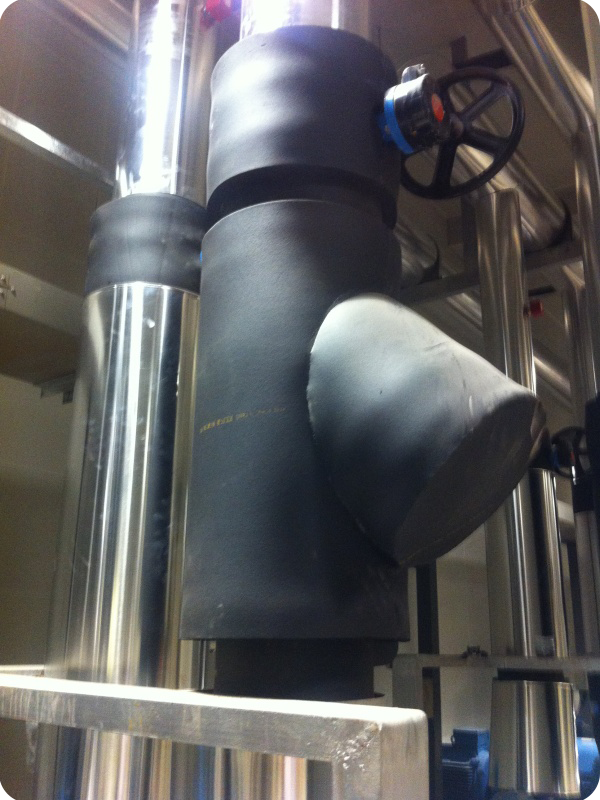
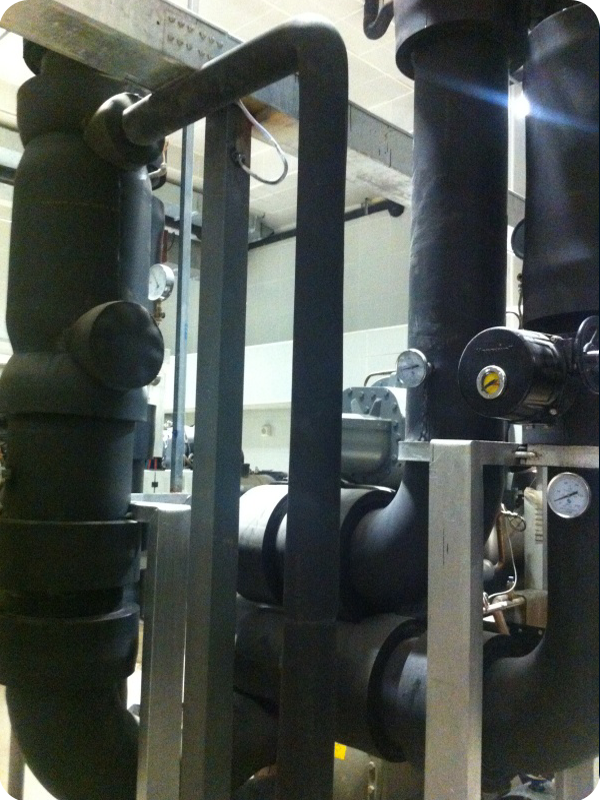
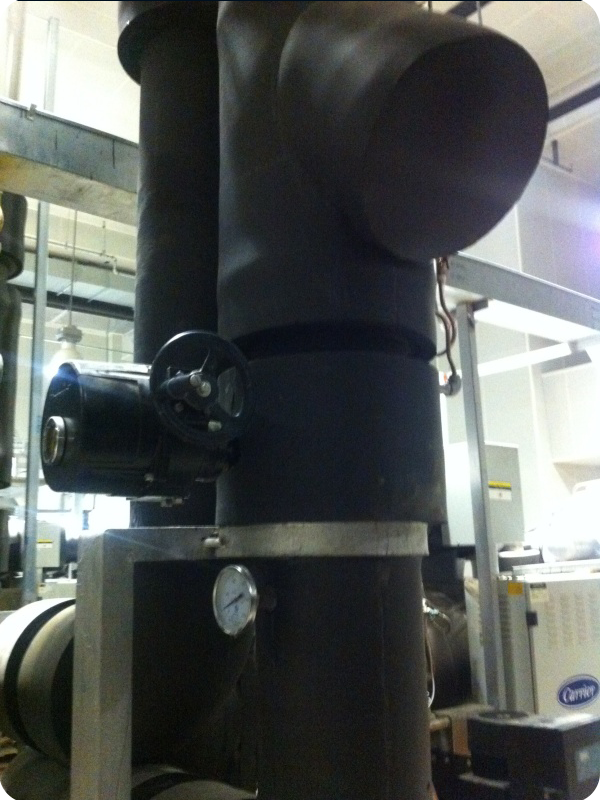
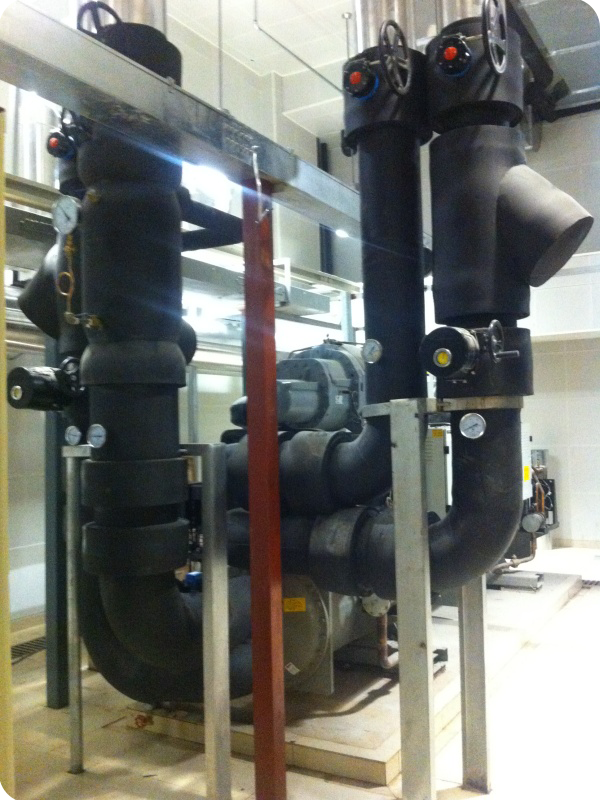
Condensation forms when moist ambient air hits uninsulated or poorly insulated pipelines carrying cold liquid refrigerant. This condensation ruins acoustic tiles, leads to structural mold growth, and triggers surface oxidation (corrosion under insulation, or CUI). Using premium elastomeric foam hoses shuts down this risk cycle completely, keeping thermal operations running at maximum efficiency.

Analyzing the critical role of elastomer formulations in reducing carbon footprints and maximizing energy efficiency across global infrastructures.
Decarbonizing HVAC infrastructures is key to global sustainability goals. High-performance NBR/PVC insulation reduces thermal loss in liquid lines, helping cooling plants draw less energy and lower operational carbon emissions.
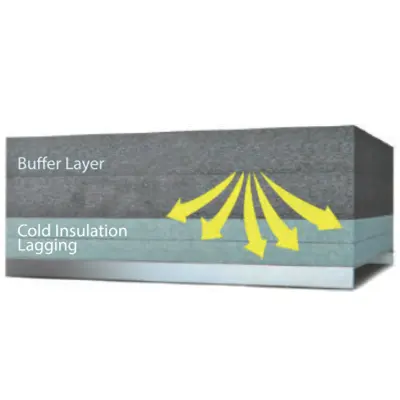
Modern structures require strict noise control. The dense, micro-cellular configuration of our elastomeric rubber foam functions as a natural acoustic barrier, absorbing ambient structure-borne pipe vibrations and motor hums.
Under-insulation condensation causes silent rust and pipeline deterioration. Closed-cell elastomers prevent moisture ingress, protecting lines in highly corrosive industrial environments like offshore platforms and chemical plants.
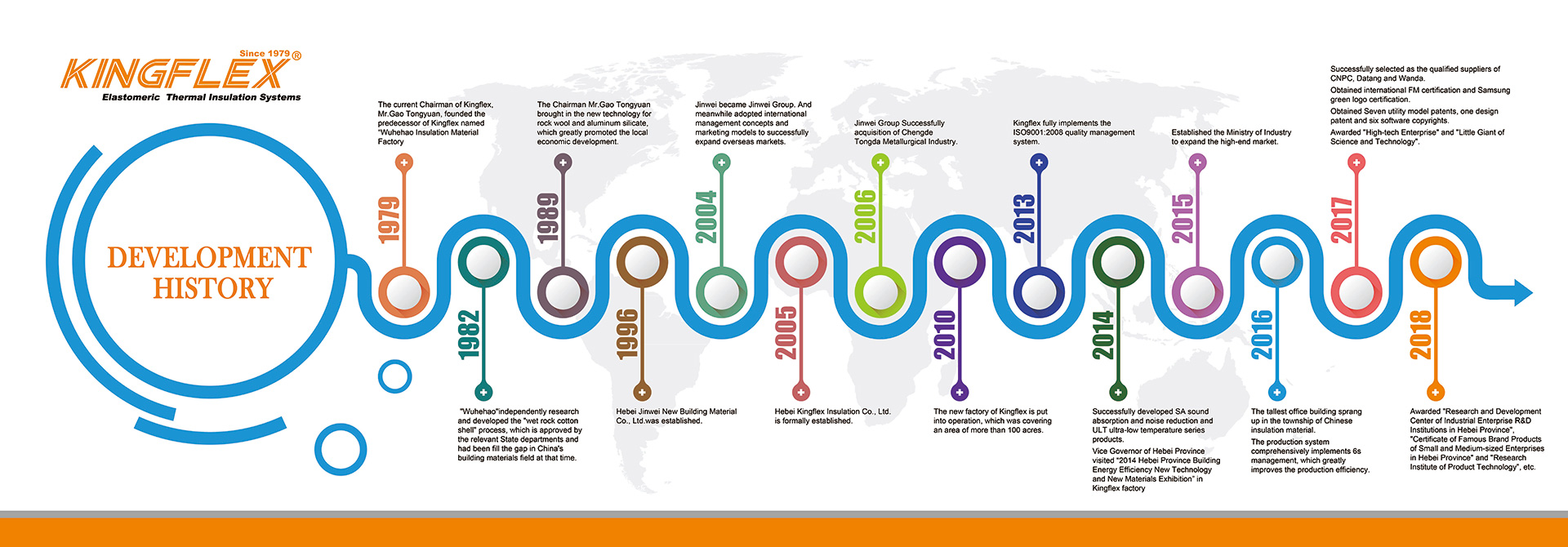
Kingflex Insulation Co., Ltd. stands as a premier manufacturing and trading cooperative in Dacheng, China—a hub for green building materials. Our operations are centered on energy conservation, providing complete thermal solutions through consulting, customized R&D, product manufacturing, and detailed installation support.
Established by the Jinwei Group (founded in 1979), Kingflex carries over 40 years of structural expertise. Jinwei Group was the pioneer manufacturer of thermal insulation materials north of the Yangtze River, establishing a standard of reliability that defines Kingflex today.
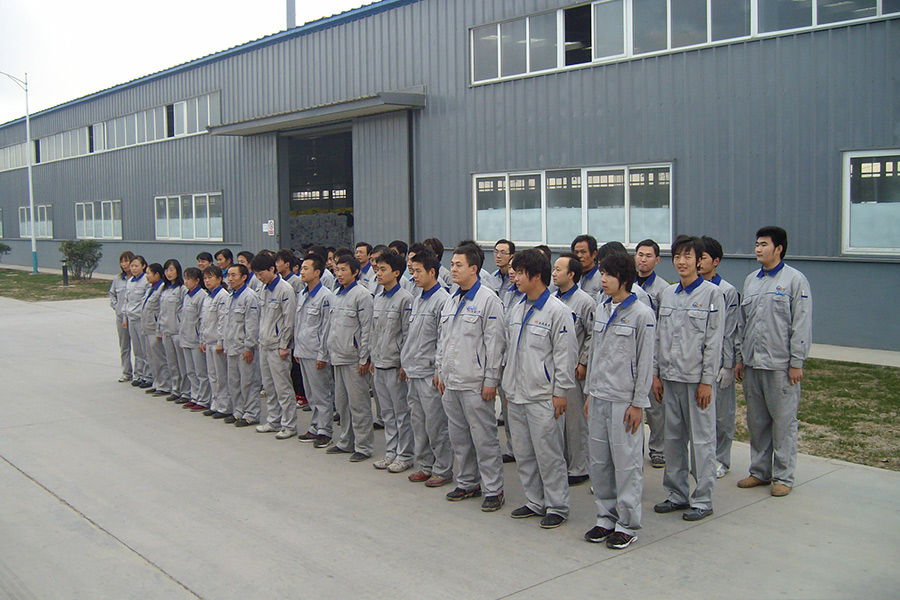
With an R&D department led by 8 professional engineers, 6 international sales experts, and over 230 production workers, we deliver consistent, first-class insulation systems to our clients worldwide.
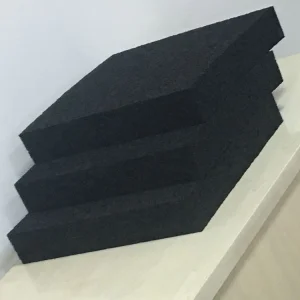
Our NBR/PVC closed-cell elastomeric foam formulations are engineered to meet strict technical specifications across varying operations.
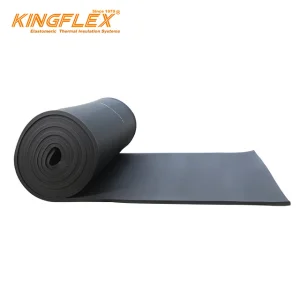
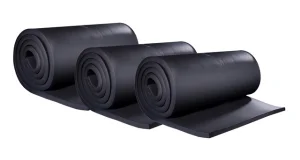
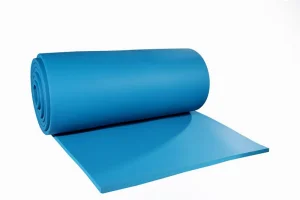
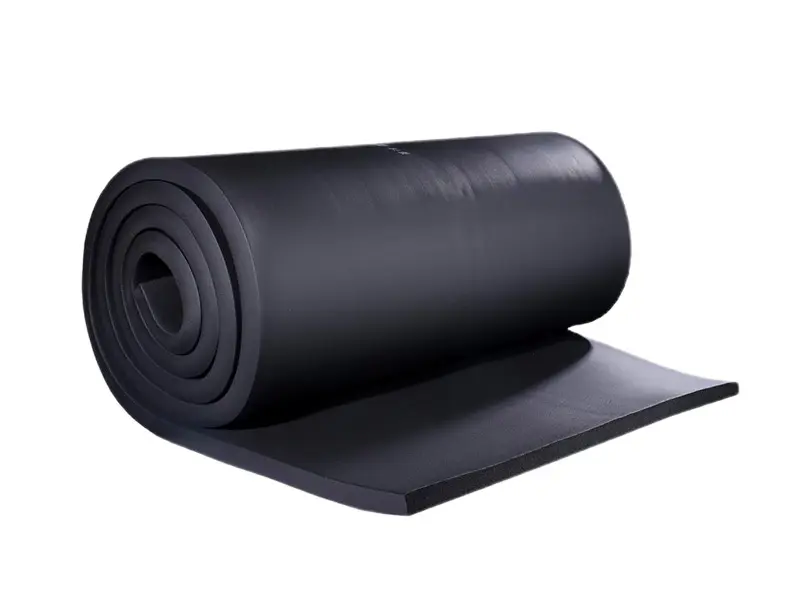
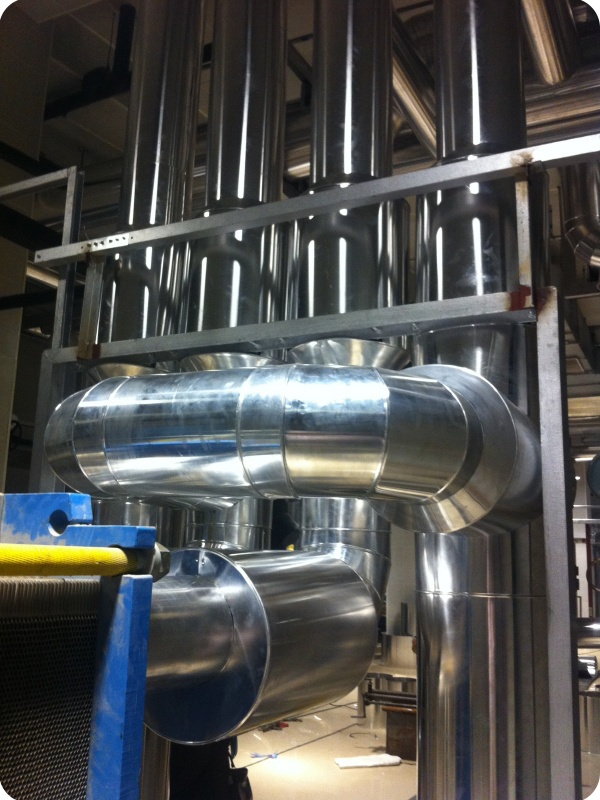
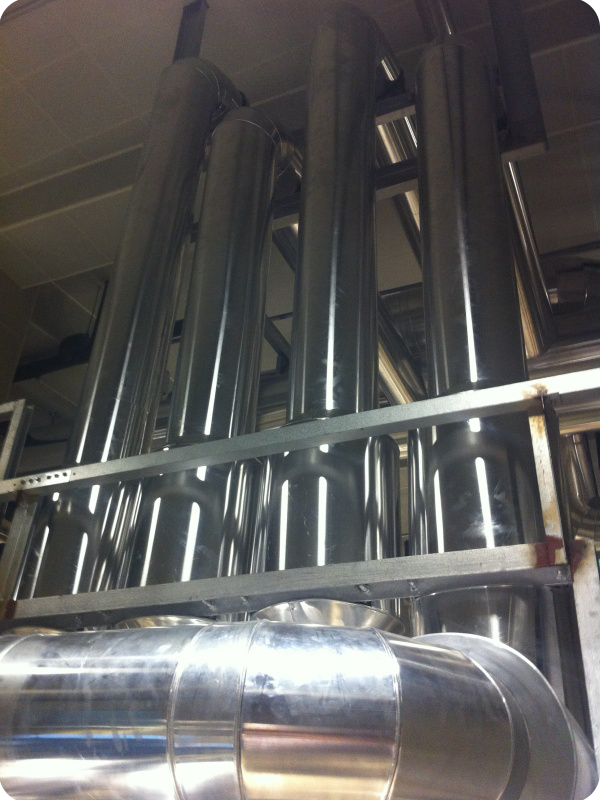
Designed for large ducts, flat surfaces, complex large-diameter elbows, and equipment housing.
| Parameters | Specifications |
|---|---|
| Material Composition | NBR/PVC Elastomeric Nitrile Matrix |
| Thickness Range | 6mm to 50mm |
| Density Profile | 40 - 55 kg/m³ |
| Operating Temperature Limit | -40℃ to 105℃ |
| Closed-Cell Ratio | > 98% |
| Flame Retardancy Standard | Class 0, Class 1 Rating |
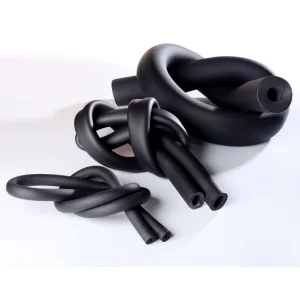
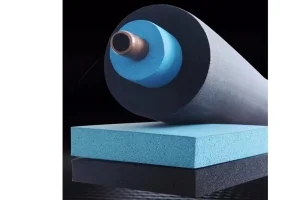
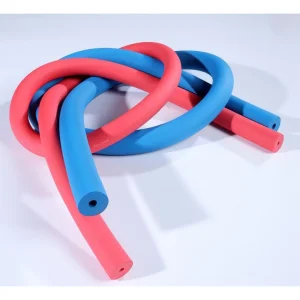
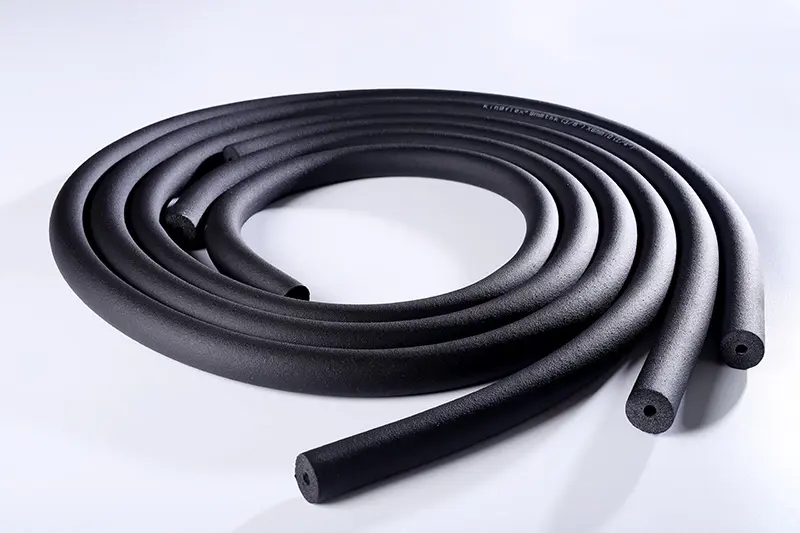
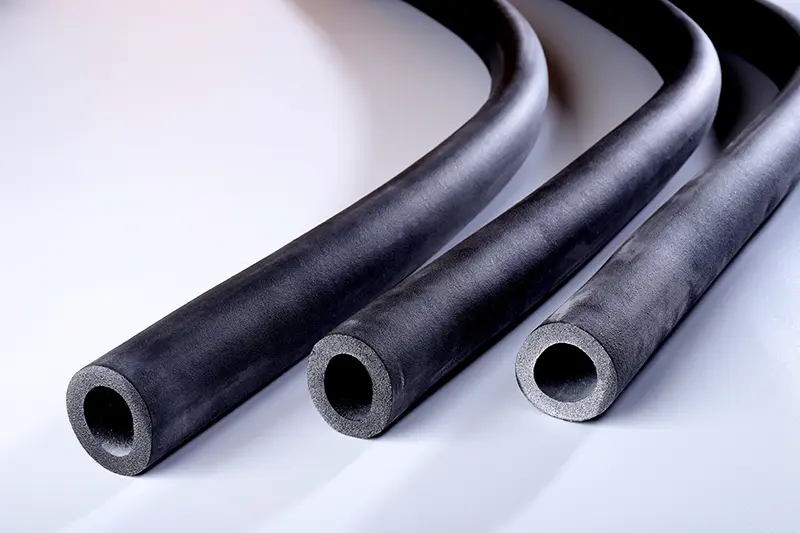
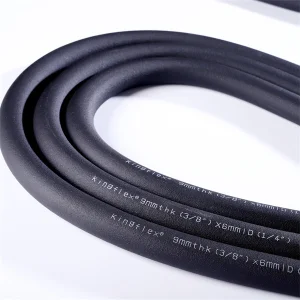
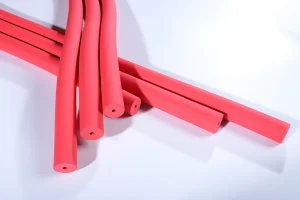
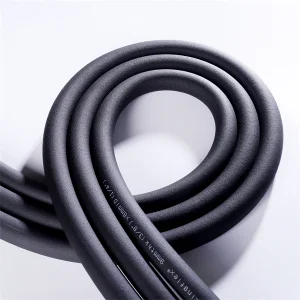
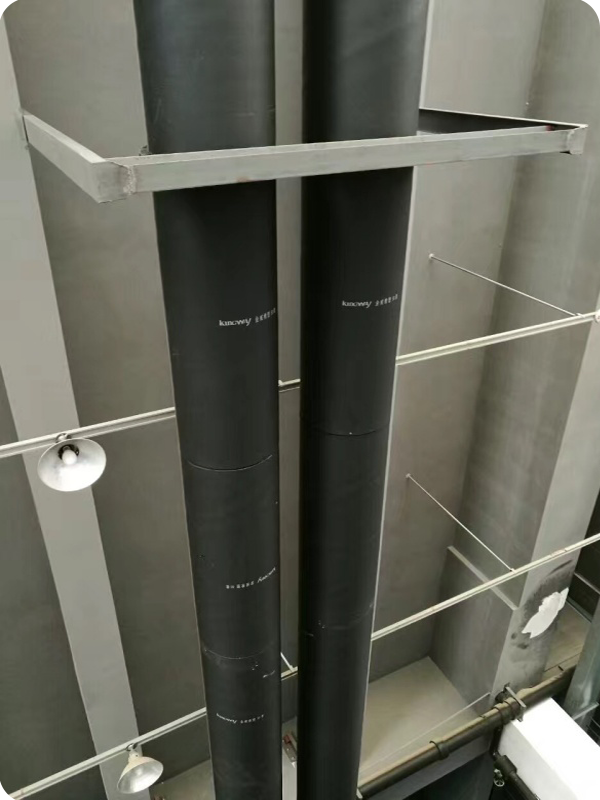
Designed for seamless pipeline installations, featuring precise tolerances to slide onto standard copper and steel configurations.
| Parameters | Specifications |
|---|---|
| Material Composition | NBR/PVC Elastomeric Nitrile Matrix |
| Wall Thickness Range | 9mm to 40mm |
| Inner Diameter (ID) Range | 6mm to 114mm |
| Density Profile | 40 - 55 kg/m³ |
| Compression Resilience | > 80% |
| Moisture Permeability | High Moisture Resistance Factor |
Kingflex insulation systems are engineered to perform in various demanding environmental conditions.
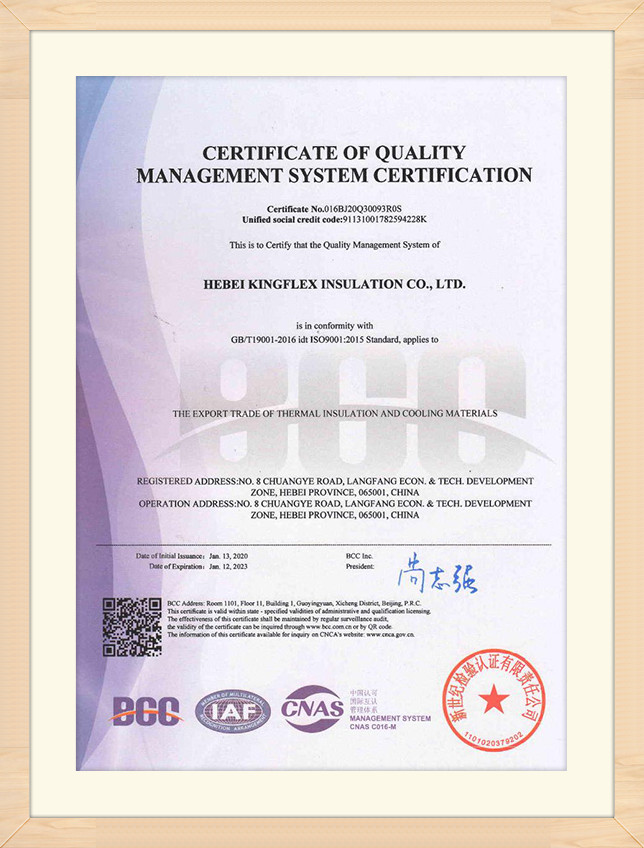
Our manufacturing facility features 5 automated lines producing over 600,000 m³ annually, backed by international quality certifications.





To meet the demands of modern architecture and industry, Kingflex is continuously upgrading its materials. Our R&D department focuses on key areas to advance standard closed-cell NBR/PVC structures:
1. Halogen-Free Elastomeric Foam (HF-Elastomers): Developing formulations free of brominated or chlorinated flame retardants. This limits toxic smoke generation during fire events, meeting strict safety guidelines for indoor air quality and public buildings.
2. Bio-Based Materials: Integrating bio-derived polymers to reduce fossil fuel dependence while keeping the exact thermal conductivity properties (K-value) intact.
3. Advanced Nanocomposite Barriers: Adding graphene oxide nanoplatelets to the polymer cell walls. This enhances resistance to moisture transmission, maintaining long-term insulating properties even in challenging high-humidity environments.
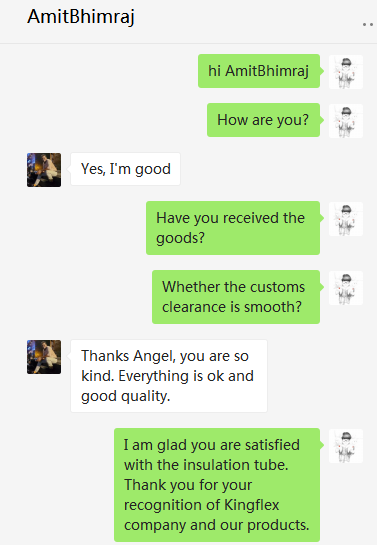
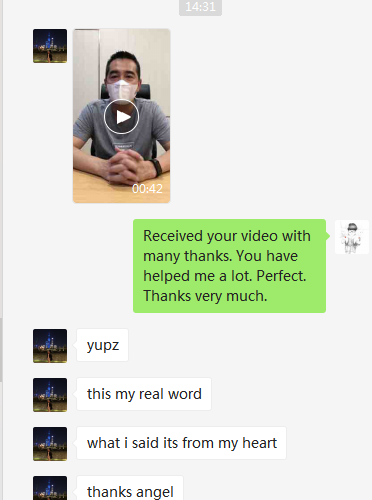
Our business practices prioritize transparency, technical consultation, and global tracking. Below are verified records of client inquiries and orders.



Providing clear, professional answers on elastomeric foam technology, fire safety compliance, and installation best practices.
A1: It is primarily used for HVAC ducts, air conditioning piping networks, building thermal insulation, industrial pipelines, cryogenic systems, and acoustic sound insulation.
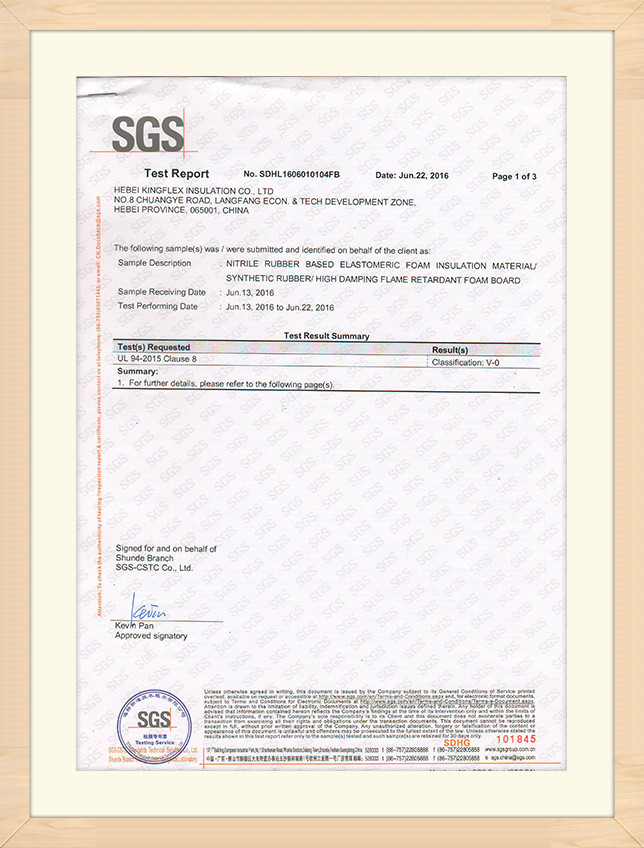
A2: Yes, our elastomeric products are designed with flame retardants, allowing them to meet BS 476, UL94, and international construction safety standards.
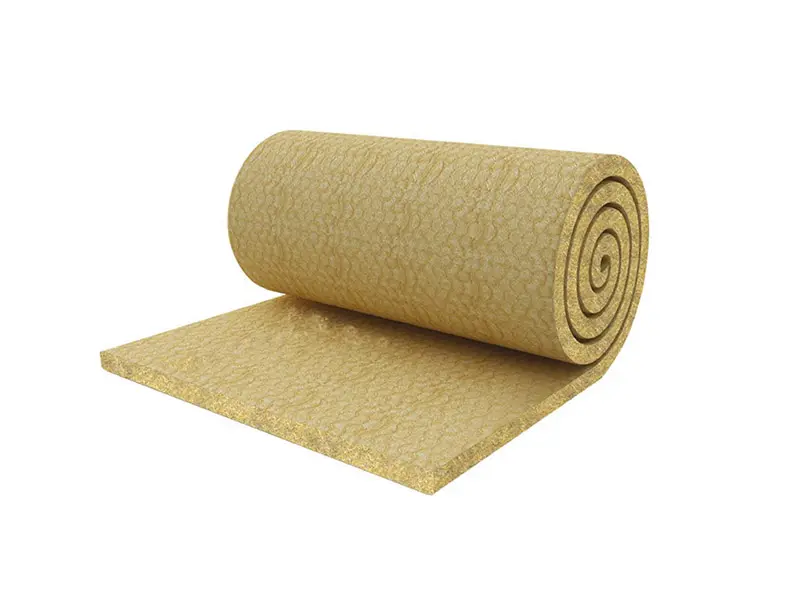
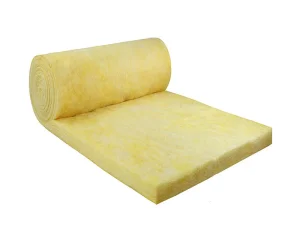
A3: Rubber foam is highly flexible with a closed-cell, moisture-proof structure, making it ideal for HVAC and preventing condensation. Rock wool is a high-density, high-temperature fibrous material suitable for industrial boilers and fireproofing.
A4: Yes, we provide full OEM and ODM services, allowing customization of thicknesses, inner diameters, and outer foil coatings for specific project requirements.
A5: Our products are certified under BS 476, CE, REACH, RoHS, UL94, and ASTM standards, ensuring compliance across major global markets.
A6: Yes, we utilize batch-level barcode tracking and quality control logging from raw materials through final shipping to ensure full transparency.
A7: Our specialized lines can produce sheet thicknesses ranging from 6mm to 50mm, accommodating a wide range of industrial specifications.
A8: When properly installed and maintained under standard operating conditions, our elastomeric rubber insulation has a typical service life of 10 to 15 years.
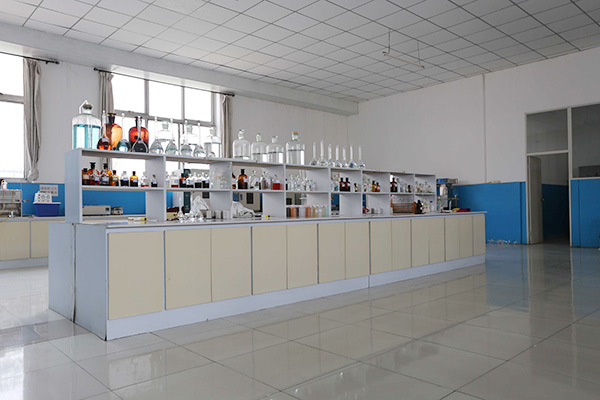
A look inside our facility, showing our raw material handling, automated processing, and quality control systems.
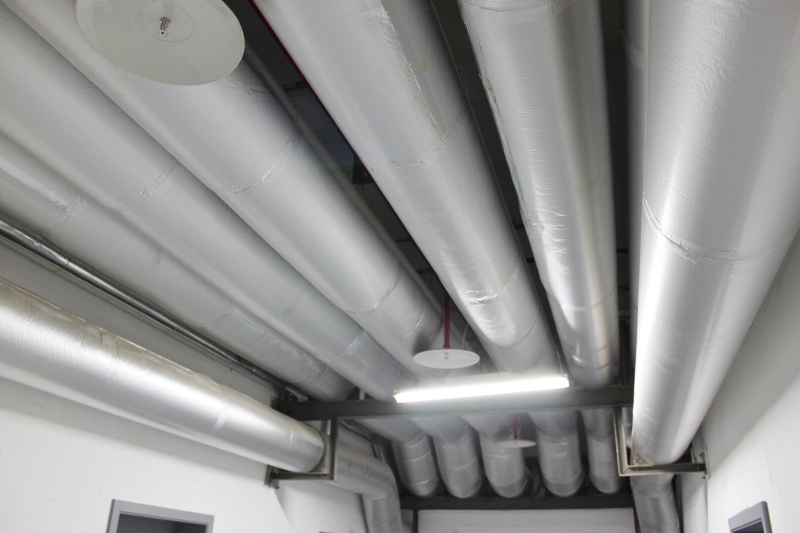

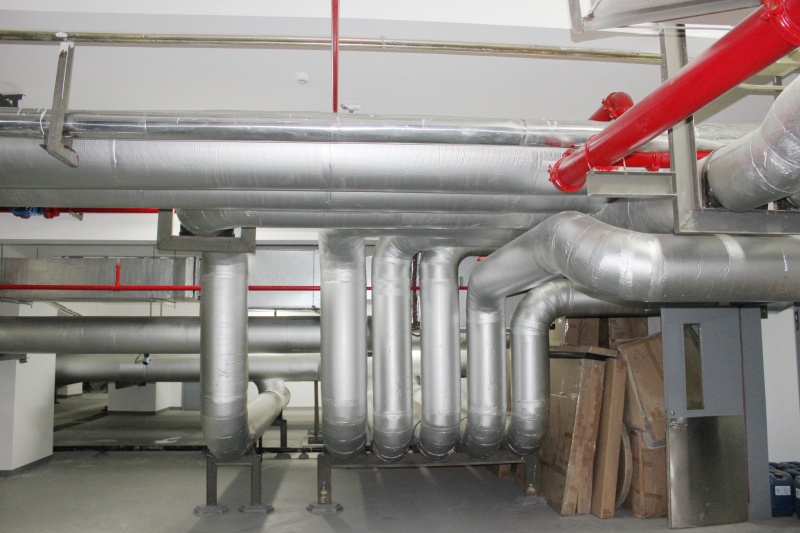
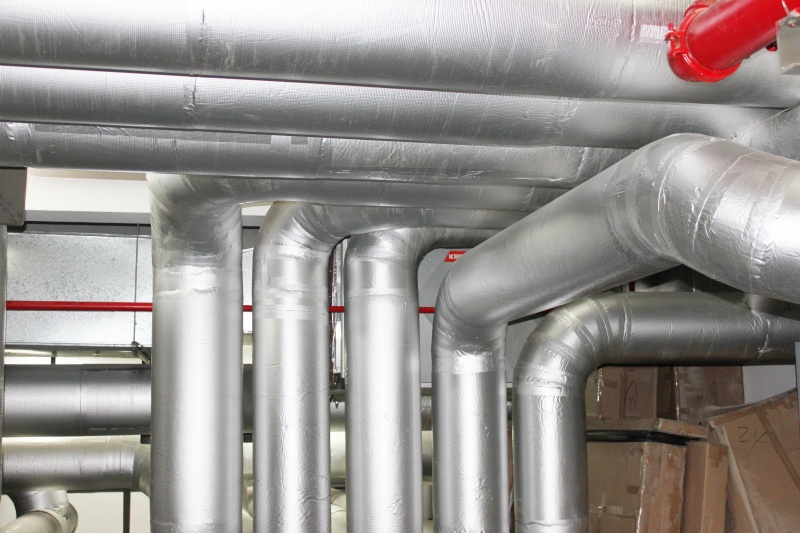
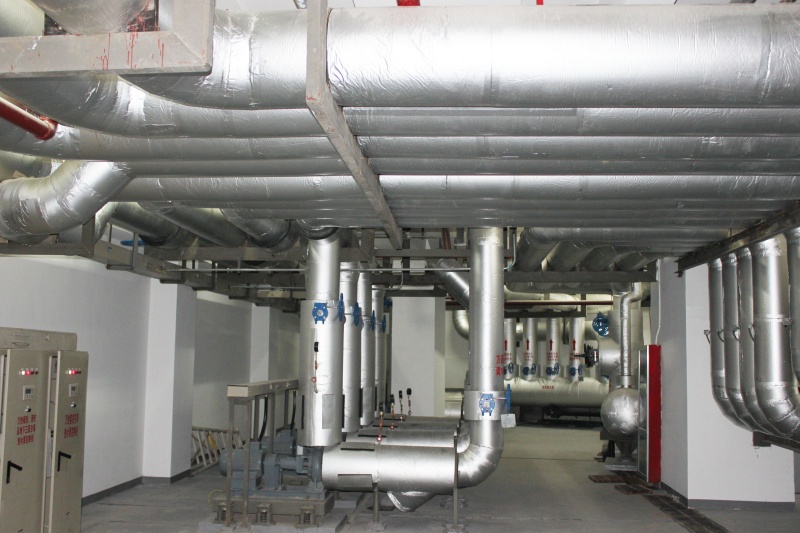
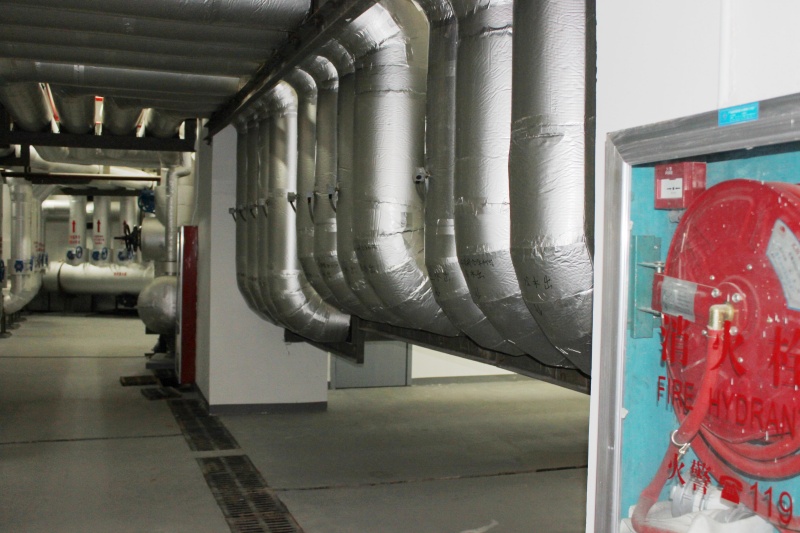
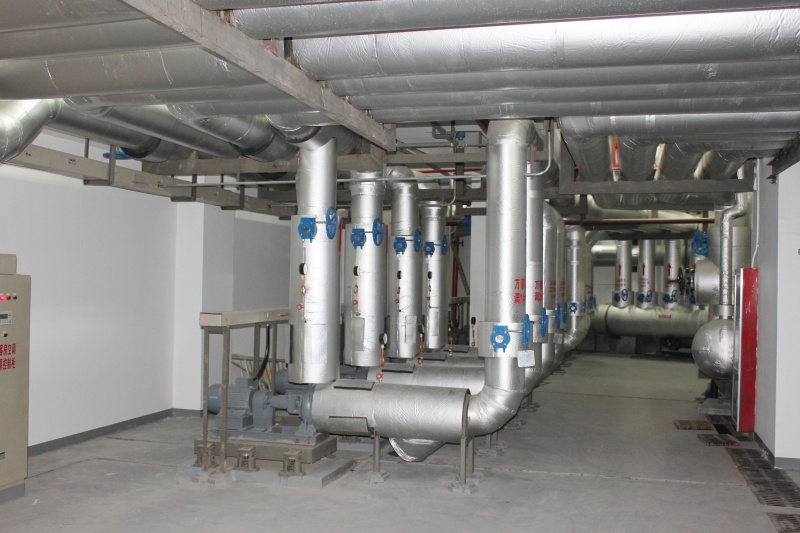

Review our core line of elastomeric closed-cell insulation materials, designed for high temperature stability and low heat conductivity.
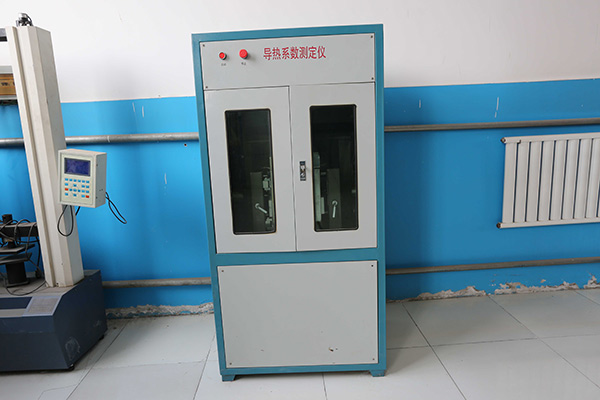
Each production run undergoes comprehensive testing to verify its structural integrity and performance metrics. These quality control steps ensure consistent cell structure and thickness across all product lines.

Explore our complete product catalog, designed for temperature-sensitive processing systems, acoustics, and high-safety environments.
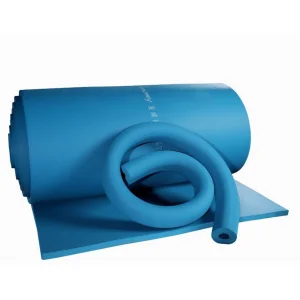
Explore our sub-product listings, offering tailored options for sheet rolls, tubes, and specialized insulation wraps.
Our Quality Assurance process tests density distribution, dimensional accuracy, and flame resistance across all lines.








 Kingflex