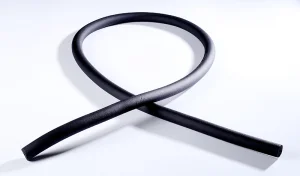
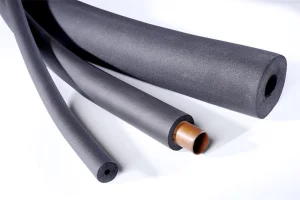
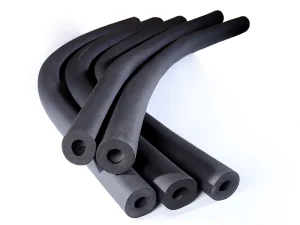
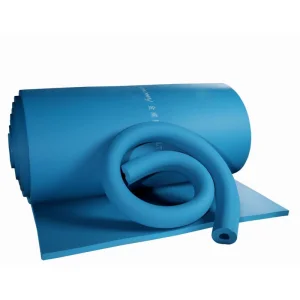
In modern industrial applications, managing sub-zero temperatures is a major thermodynamic challenge. Thermal solutions must prevent both extreme heat gain and condensation. Cryogenic foam insulation is key in industrial gas pipelines, liquid natural gas (LNG) transport, and refrigeration technology. This insulation must withstand temperatures below -40°C to -200°C without becoming brittle or failing structurally.
Traditional rigid closed-cell polyurethane foams can crack under thermal shock. In contrast, advanced rubber elastomeric foams use a high-performance NBR/PVC blend. The fine, high-density closed-cell structure operates dynamically within a flexible elastomer matrix, ensuring stable thermal conductivity ($\lambda \le 0.035$ W/(m·K) at 0°C) and robust resistance against moisture vapor permeability.

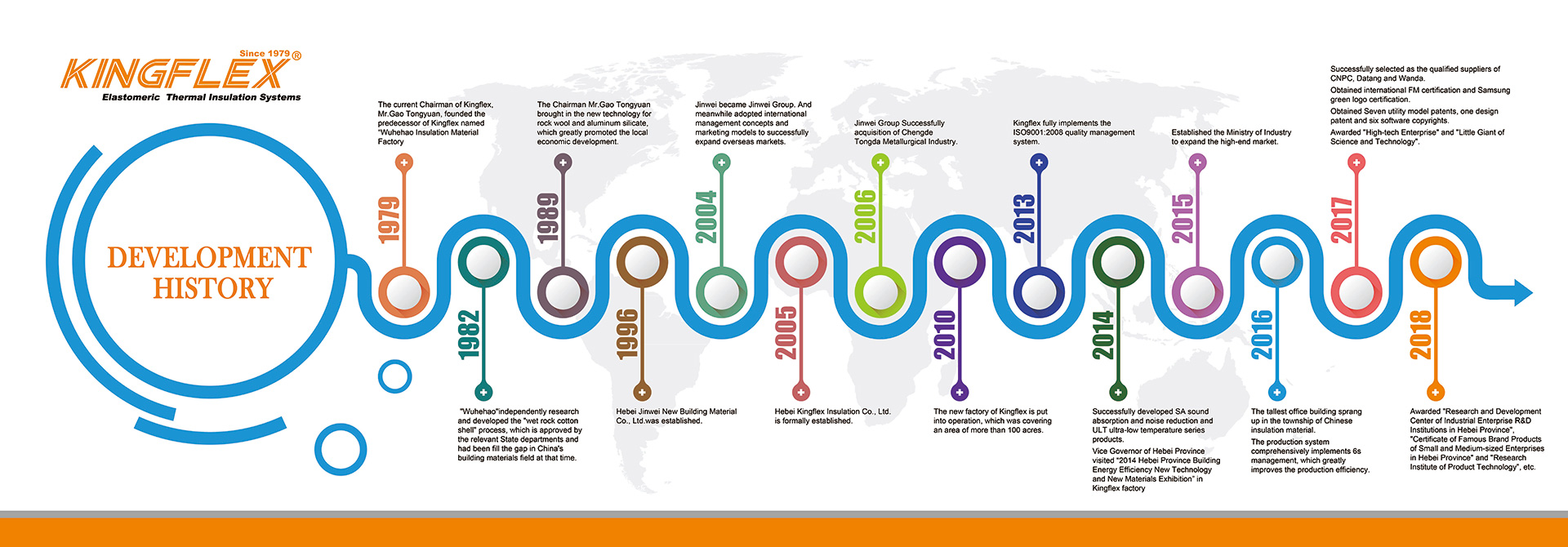
Founded by the Jinwei Group (established in 1979 as the pioneering thermal insulation manufacturer north of the Yangtze River), Kingflex Insulation Co., Ltd. is a leading manufacturer of advanced thermal and cryogenic insulation systems. Located in Dacheng, China—a hub for green building materials—our facility integrates research, development, and production.
Our operation focuses on energy conservation and system reliability. We support international engineering procurement with consultations, custom R&D, product testing, and on-site technical guidance.
Designed for reliability in challenging environments. Below are the physical and thermodynamic parameters of our standard elastomeric foam range.
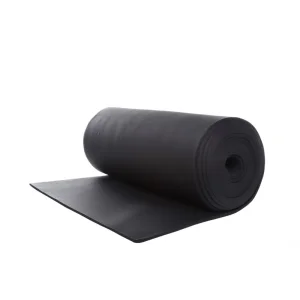
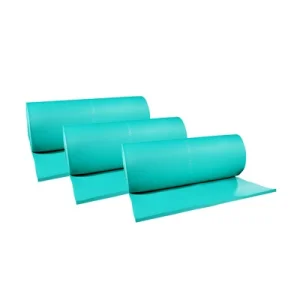
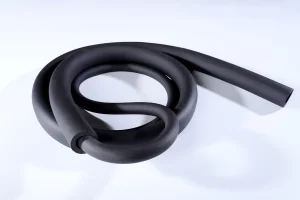
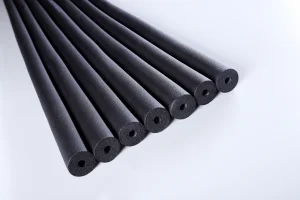
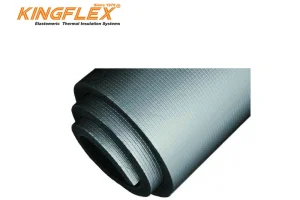
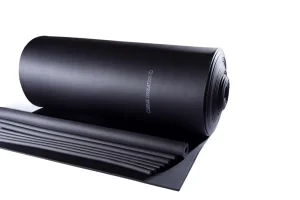
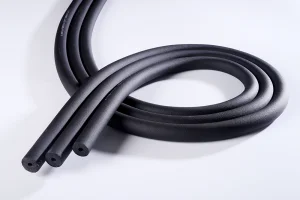
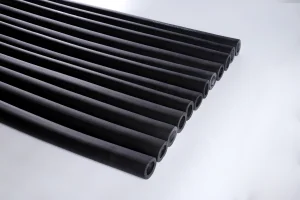
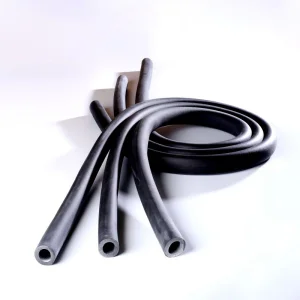
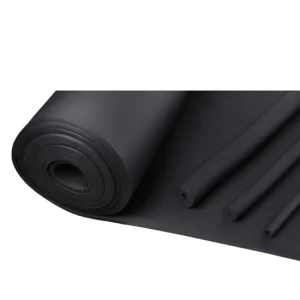
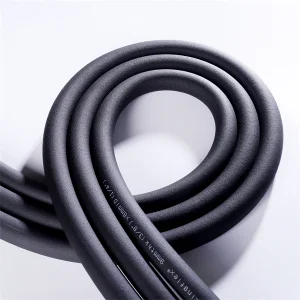
| Performance Metric | Black Rubber Foam Sheet Roll | Black Rubber Foam Insulation Pipe |
|---|---|---|
| Material Base | Premium Nitrile-Butadiene Rubber / Polyvinyl Chloride (NBR/PVC) | Premium Nitrile-Butadiene Rubber / Polyvinyl Chloride (NBR/PVC) |
| Thickness Range | 6mm - 50mm | 9mm - 40mm |
| Inner Diameter (ID) | N/A (Flat Roll format) | 6mm - 114mm |
| Bulk Density | 40 - 55 kg/m³ | 40 - 55 kg/m³ |
| Operating Temp. Range | -40°C to +105°C (Extended cryogenic grades available) | -40°C to +105°C (Dual-temperature rated) |
| Cell Structure | Over 98% Closed-Cell Rate, homogeneous micro-voids | Closed-cell matrix with vapor-barrier skin |
| Thermal Conductivity | $\lambda \le 0.034$ W/(m·K) at 0°C | $\lambda \le 0.034$ W/(m·K) at 0°C |
| Flame Retardancy | Class 0 & Class 1 (BS 476 Part 7 / Part 6), UL94 V-0 | Self-extinguishing, low smoke generation |
Our dedicated R&D department features 8 professional engineers testing mechanical fatigue, long-term thermal resistance, and flammability parameters.
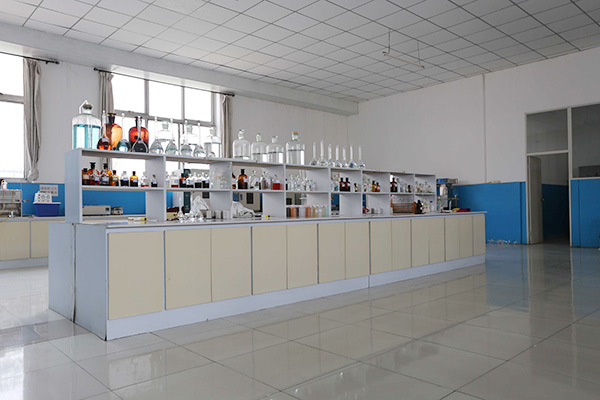

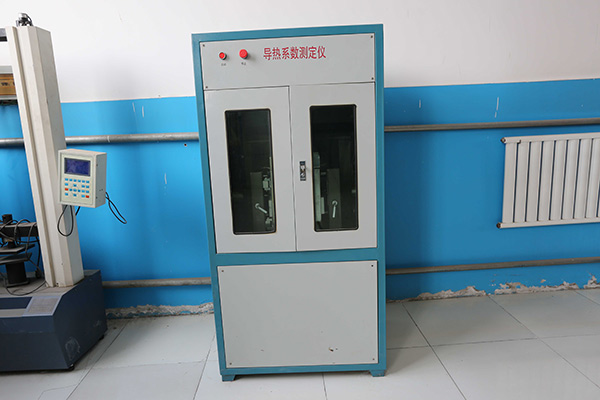
Buying cryogenic and rubber foam insulation at scale requires more than low product costs. The Kingflex factory model balances efficiency with strict quality control.
Located in Dacheng, the green building material capital of China, we have access to local raw materials, stable power infrastructure, and a skilled workforce, keeping production costs stable.
Our cryogenic foam meets international standards, including BS 476, CE, REACH, RoHS, UL94, and ASTM. This compliance simplifies customs and qualification for overseas projects.
We provide OEM and ODM manufacturing services to meet project-specific requirements, such as custom tube inner diameters, custom-density sheet rolls, and laminated protective finishes.
Industrial projects rely on closed-cell elastomeric insulation to manage thermal energy, prevent ice formation, and control condensation.
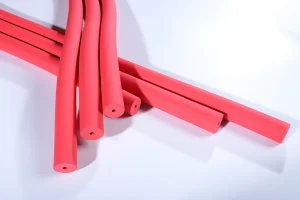
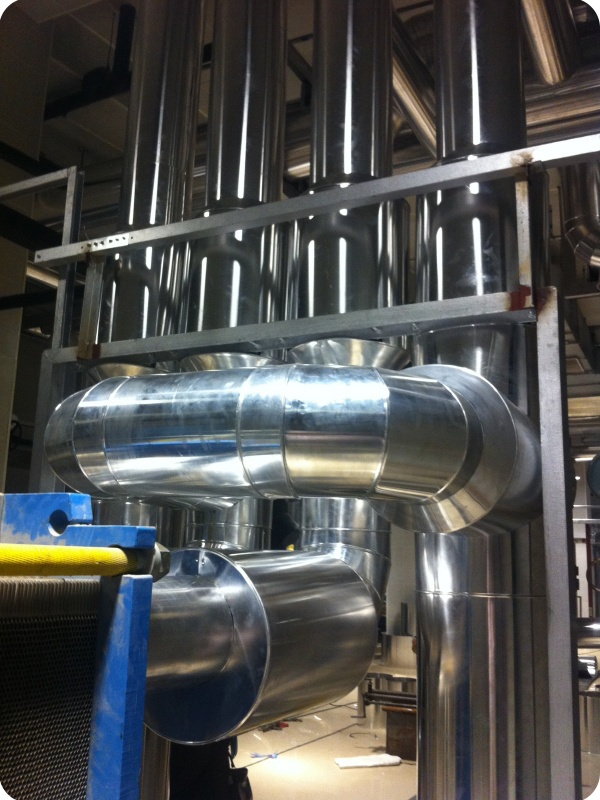
Kingflex elastomeric tube and sheet insulation is used to insulate chilled water pipes, condensate lines, and ductwork, preventing condensation and reducing system power loads.
Handling LNG requires materials that perform at ultra-low cryogenic temperatures. Our high-density foam systems minimize thermal transfer and maintain gas phase stability.
Chemical processing plants use our NBR/PVC elastomeric rubber pipes to insulate process pipelines, protecting them from weathering, UV damage, and corrosion under insulation (CUI).
For applications where weight and space are limited, our flexible, lightweight foam provides reliable thermal barrier protection on ships, offshore rigs, and aerospace platforms.
With dust-free structures and flame-retardant properties, our class 0/1 insulation sheets help maintain clean conditions in hospitals, laboratories, and microelectronic fabrication plants.
Laminating rubber foam to storage vessels keeps operating temperatures stable and reduces external noise, serving as an all-in-one thermal and acoustic barrier.

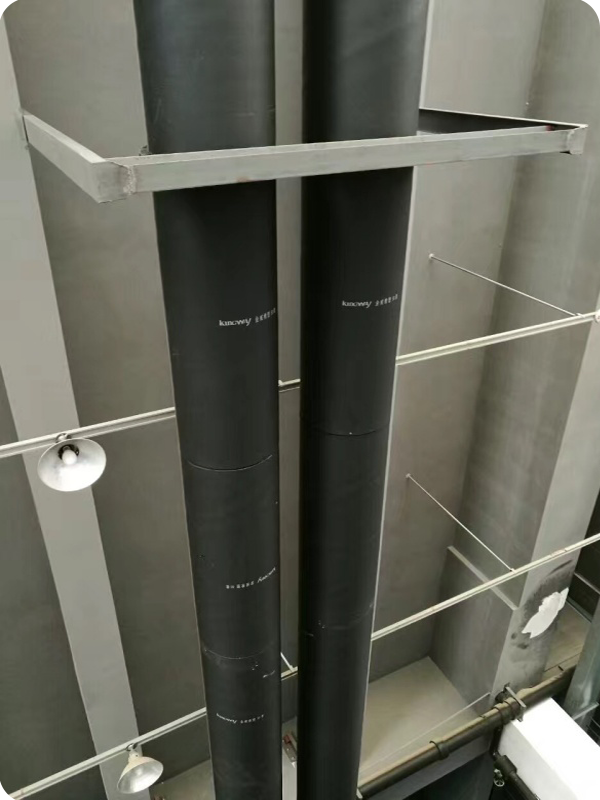
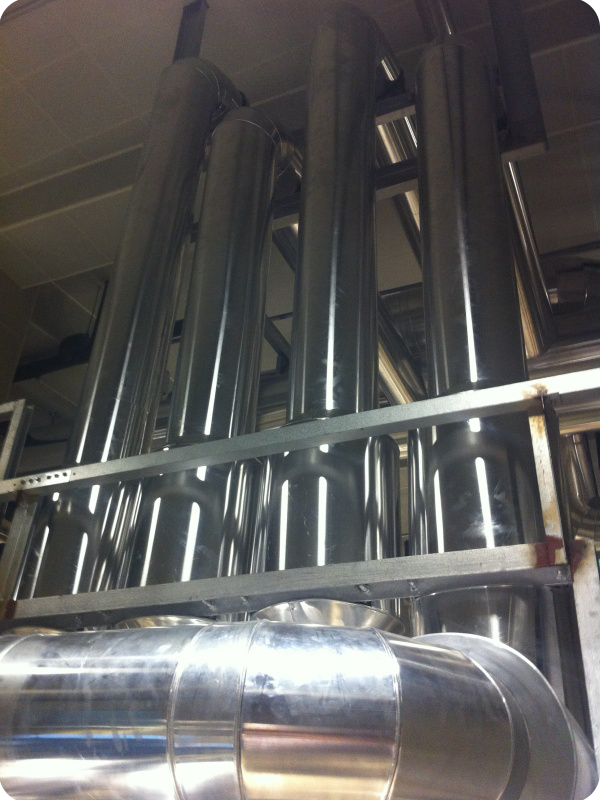
Quality control is central to our manufacturing process. Kingflex products have passed rigorous test procedures to achieve major regional building certifications.
Our thermal and cold-retardant materials are tested for fire resistance under BS 476 Parts 6 & 7. Our chemical compositions comply with REACH and RoHS regulations, confirming that no halogenated flame retardants or hazardous heavy metals are added during extrusion.
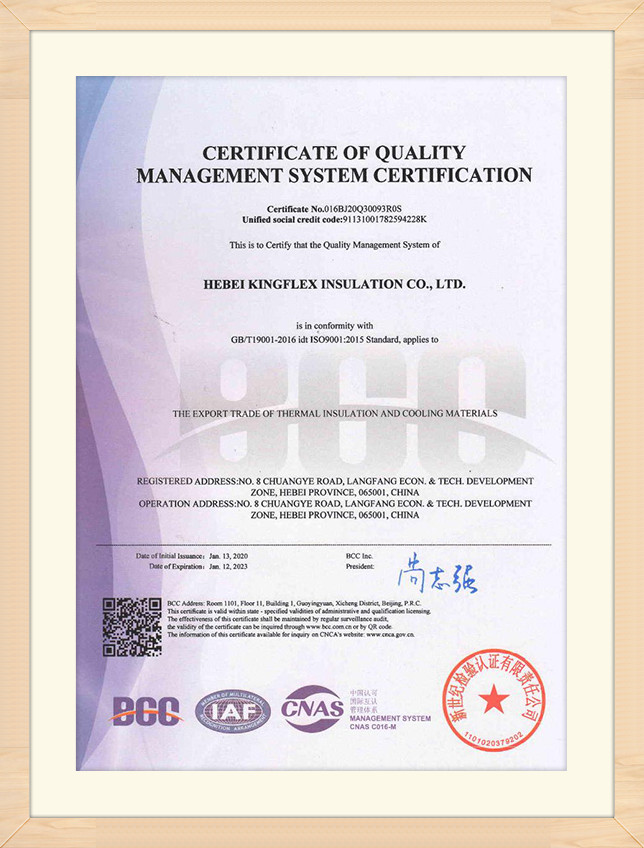


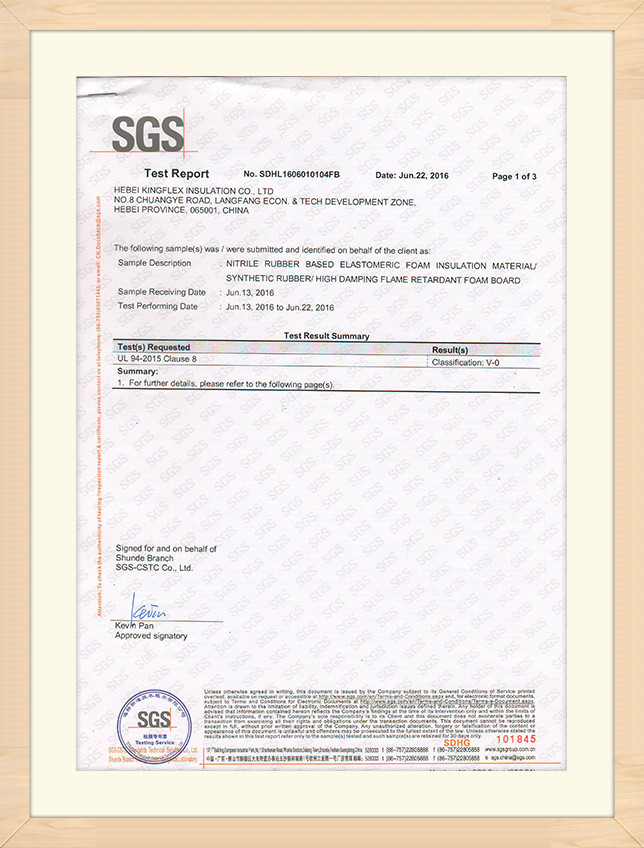
To maintain accountability, every batch of Kingflex foam insulation is marked with a batch tracking number. Our production logs are saved for 10 years, ensuring full material traceability.
We work closely with customers through clear documentation, technical updates, and transparent production reporting.


We use automated extrusion and vertical chemical foaming lines to ensure consistent quality across all production batches.
Raw NBR rubber and PVC resins are blended with stabilizers, foaming agents, and flame retardants inside our sealed internal mixers.
The compound is fed into high-pressure extruders to form tubes or flat sheets, ensuring precise control of wall thickness.
The material passes through multi-stage ovens where heating agents trigger chemical expansion, creating a uniform, closed-cell gas structure.
Cured insulation products are cooled and inspected for density, dimensions, cell consistency, and structural defects before packaging.
Technical guidance and answers for purchasing agents and engineers regarding Kingflex cryogenic & rubber foam systems.
 Kingflex