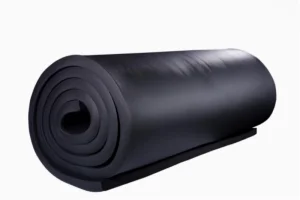
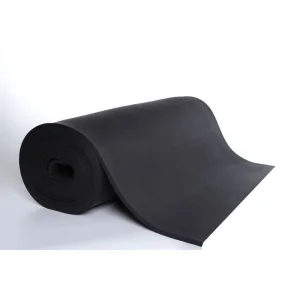
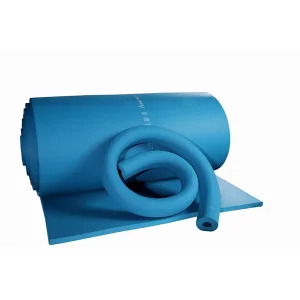
Explore our foundational range of closed-cell elastomeric foam insulation rolls, tubes, and performance-clad variants designed for modern energy mitigation.
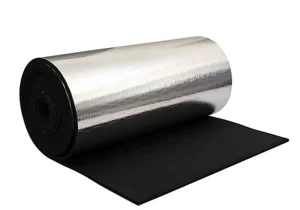
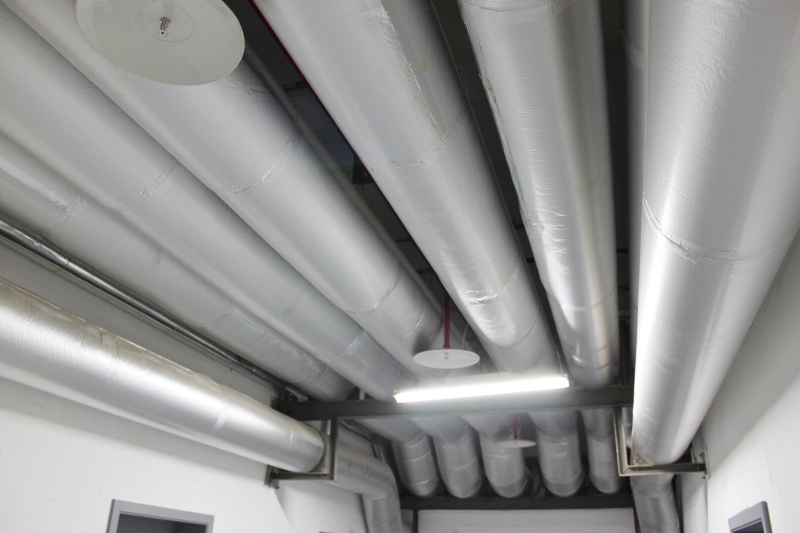
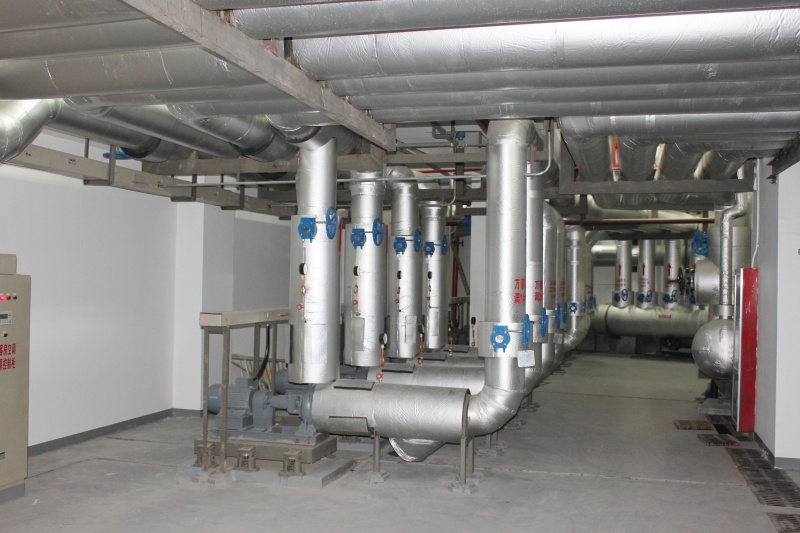
Glass cloth facing acts as a high-tensile, puncture-resistant membrane that prevents physical degradation in HVAC systems. Used alongside closed-cell elastomeric rubber foam or mineral fibers, it provides critical vapor sealing to combat condensation and thermal bridging.
High-density weave configurations dampen turbulent duct acoustics. When paired with open-cell soundproofing cores, the glass cloth shell stabilizes air-facing paths, protecting internal fibers from delamination at high velocities.
Woven fiberglass composites resist temperatures beyond typical building requirements. Combined with Class 0 and Class 1 elastomeric foundations, glass cloth systems meet strict BS 476 and UL 94 safety requirements.
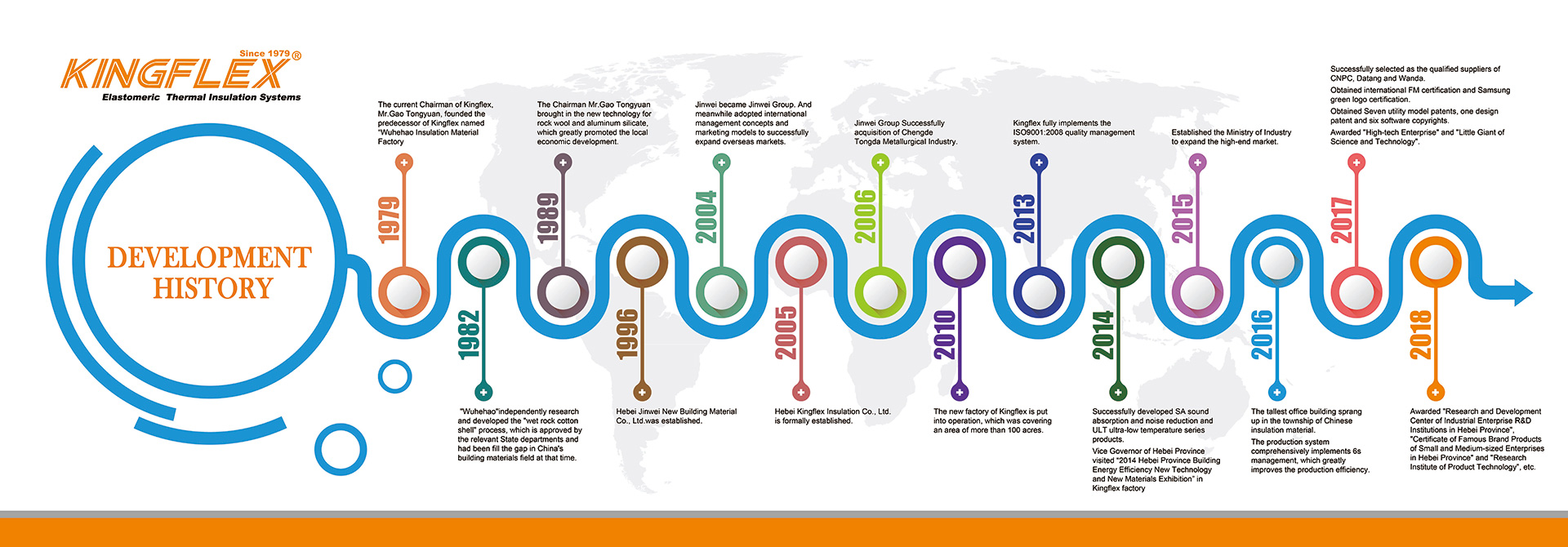
Kingflex Insulation Co., Ltd. is a specialized manufacturing and trading combo for thermal insulation systems. Headquartered in Dacheng, China—the historic manufacturing center for green building materials—our operations cover scientific research, precision manufacturing, and professional support.
Our focus on energy conservation shapes our consultation, R&D, product supply, and field installation guidance, supporting the development of global architectural and industrial systems.

Established under the Jinwei Group, becoming the first thermal insulation manufacturer north of the Yangtze River.
Integrated automated elastomer extrusion and chemical foaming technologies to support commercial HVAC expansion.
Operating five automated assembly lines with a capacity of over 600,000 cubic meters, serving projects in over 66 countries.
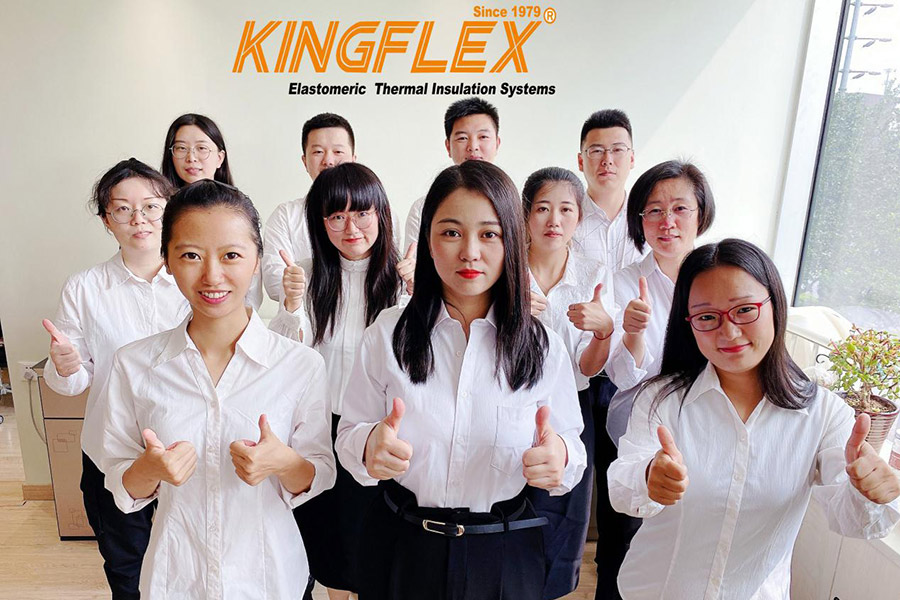
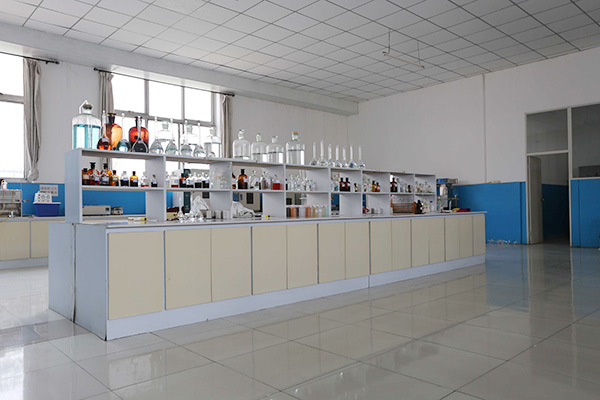
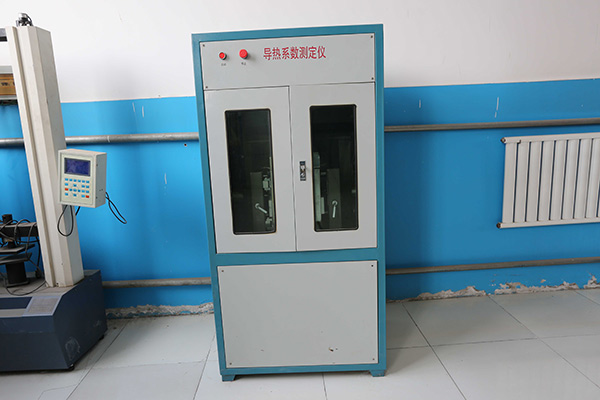
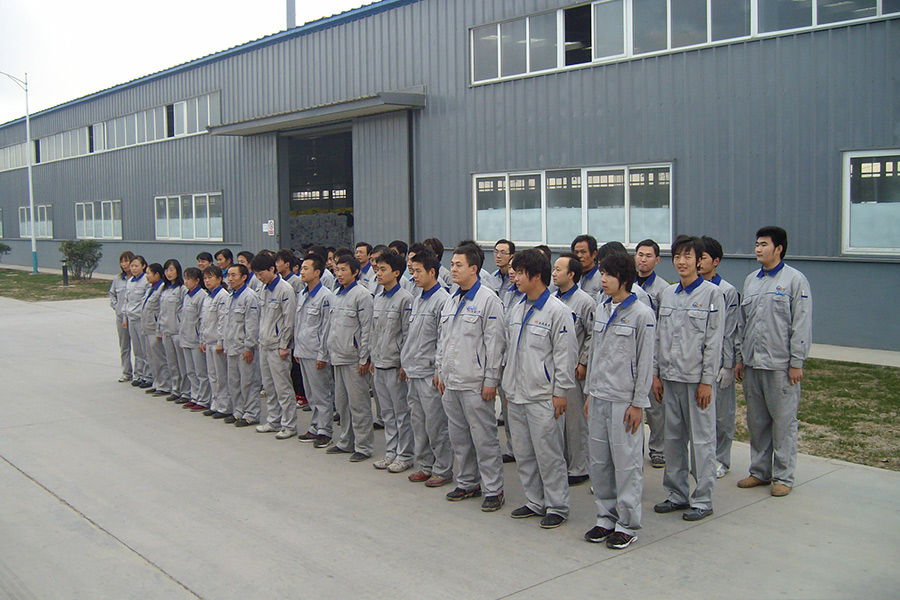
Our engineering division includes 8 specialized research specialists, 6 international customer support representatives, and 230 technicians. This team manages our testing lab, where raw materials are screened for fire performance, thermal conductivity, and density distribution.
Supporting advanced industrial processes, sub-zero logistics, and sustainable building systems.
Extreme cooling systems demand insulation that resists moisture ingress. Our elastomeric cryogenic configurations prevent freezing in liquefied gas lines and cleanroom HVAC networks.
Large infrastructure projects require insulation with consistent thermal performance. Our materials reduce thermal bridging in structural envelopes, helping projects meet modern efficiency standards.

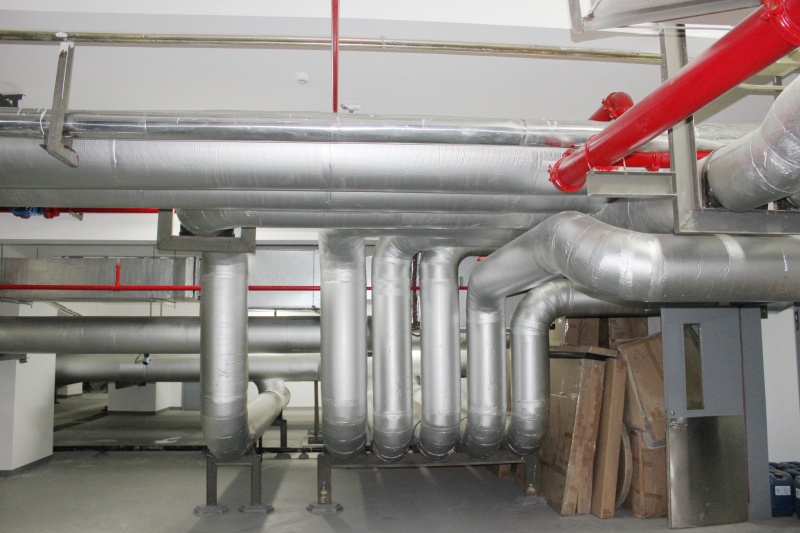
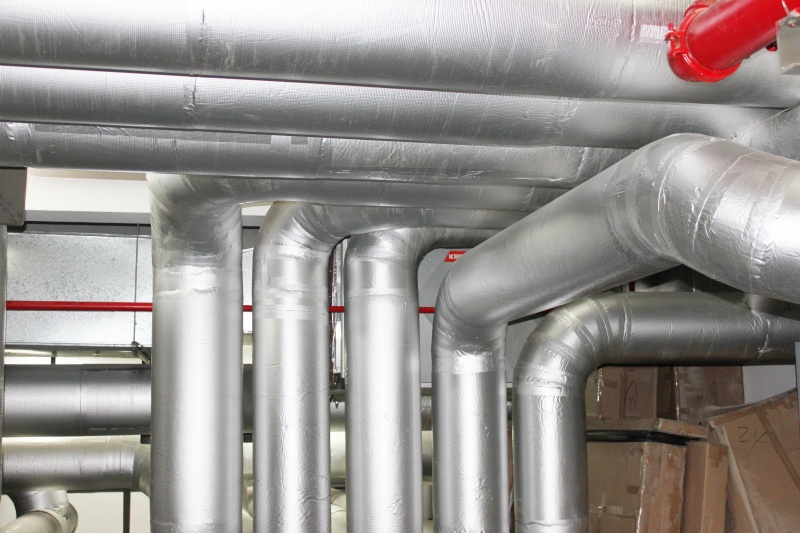
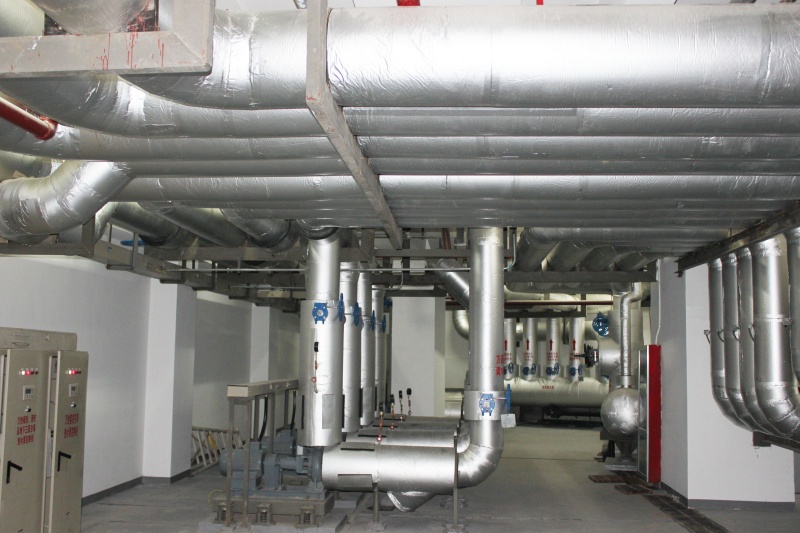
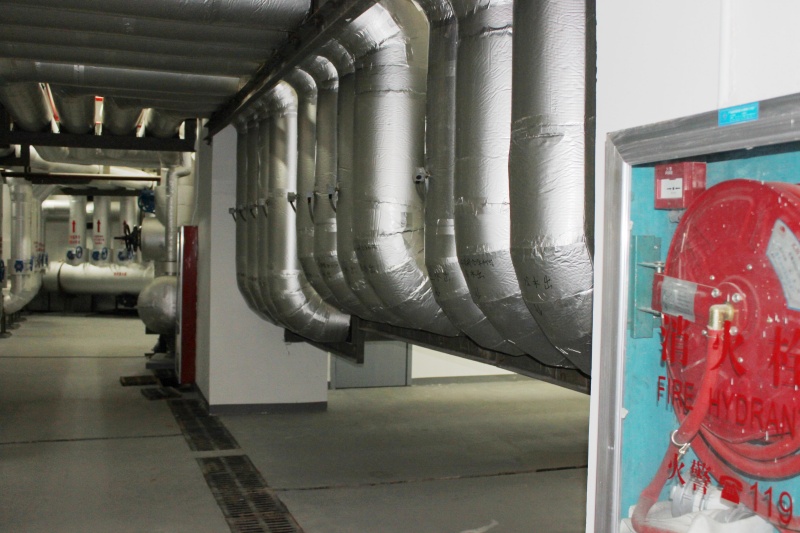
Exposed air distribution channels in factories face high wear. Applying glass-cloth facing creates a hard shell that resists abrasion, moisture ingress, and ambient heat transfers.
Our facility runs five automated manufacturing lines. Automated temperature tracking ensures consistent density and cell structure throughout production.
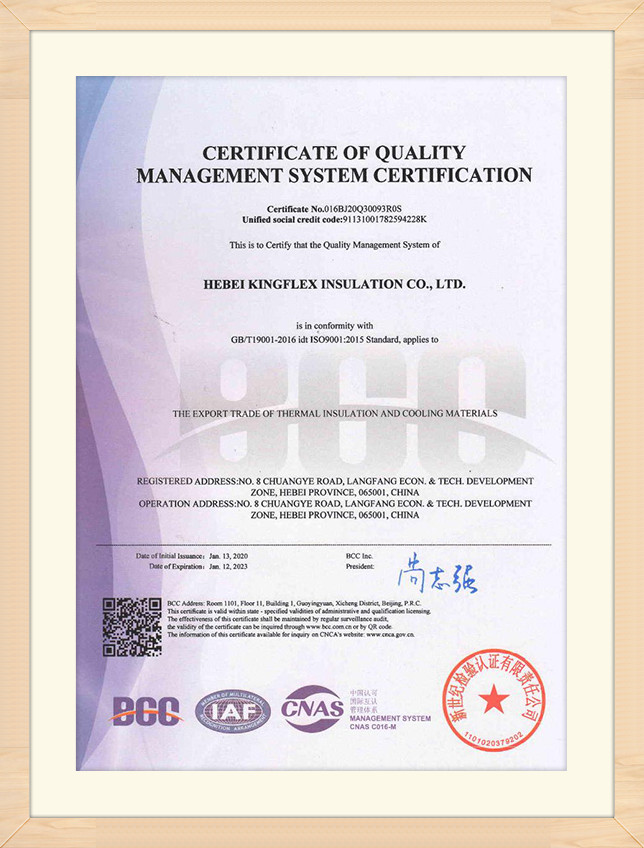

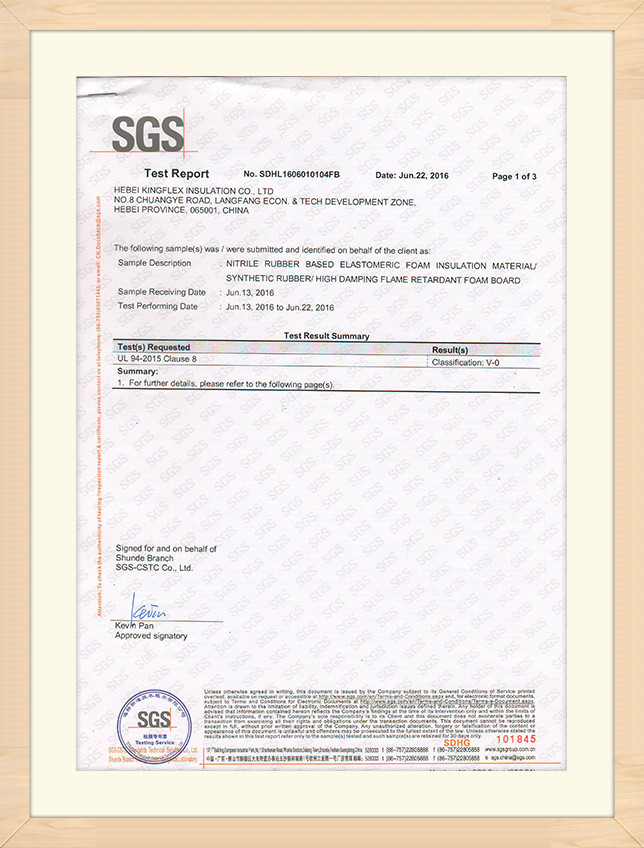
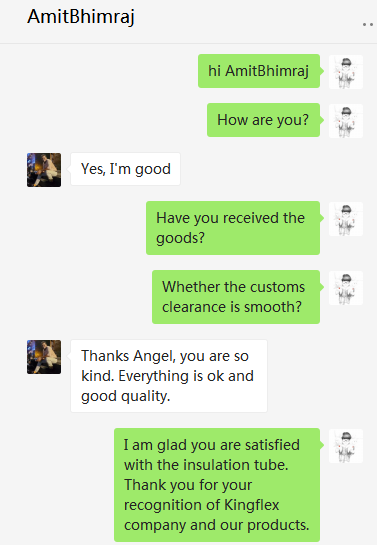
All batches undergo testing to ensure compliance with standards like BS 476, CE, REACH, RoHS, UL94, and ASTM. This documentation supports international customs clearance and project approvals.

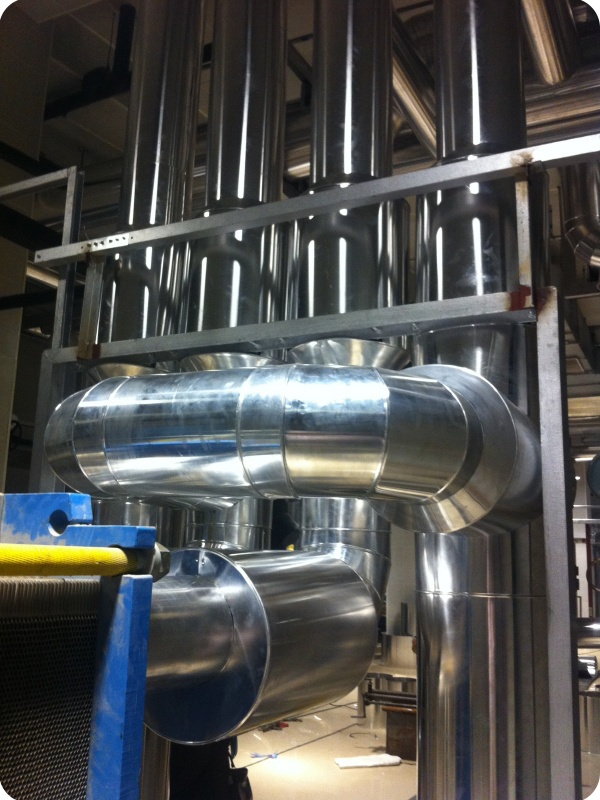
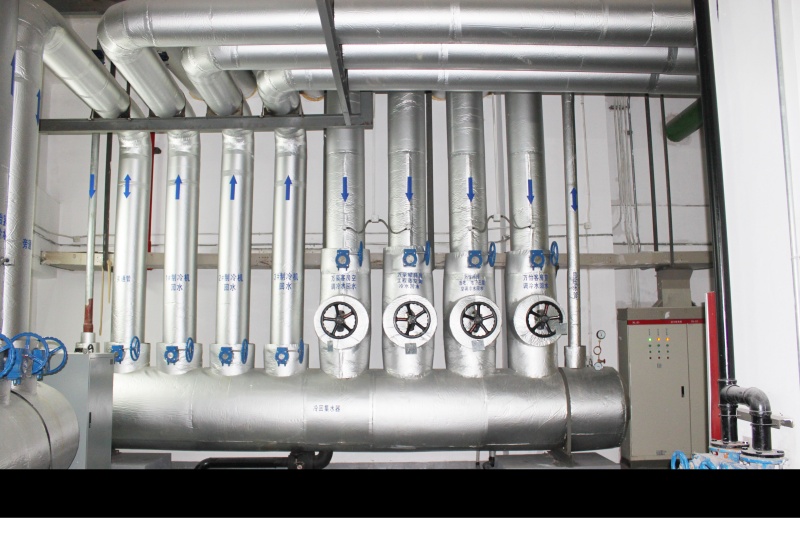
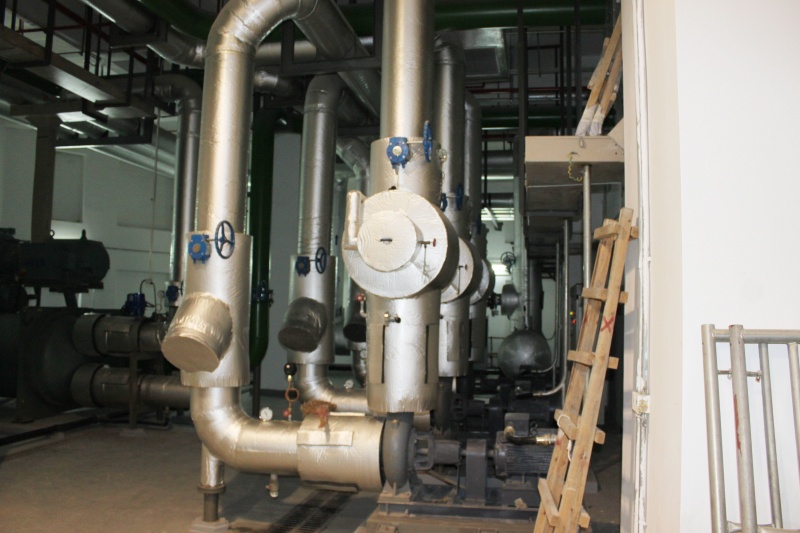
Our solutions have been implemented in large-scale commercial complexes and high-precision chemical facilities globally, demonstrating reliable service life under demanding operating conditions.

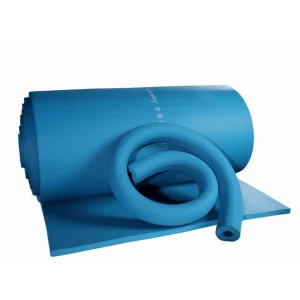
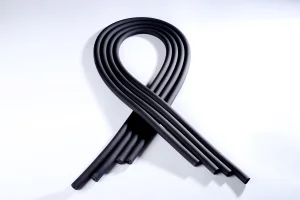
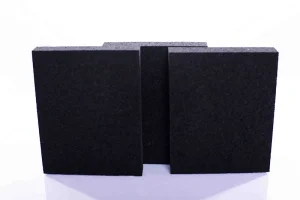
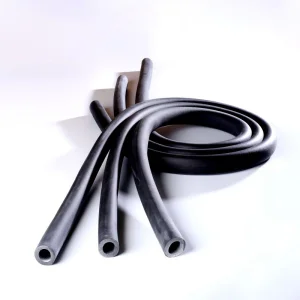
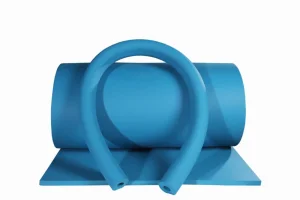
Performance profiles for our principal sheet rolls and piping insulation.
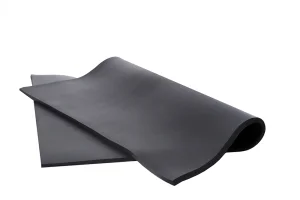
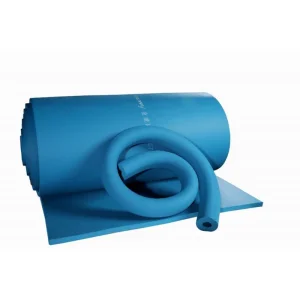
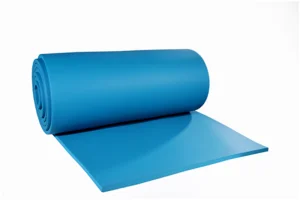
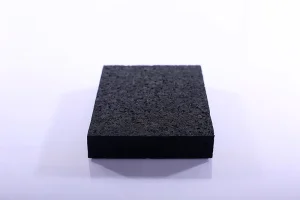
Material: Premium NBR/PVC blend
Thickness: 6mm to 50mm
Density: 40 to 55 kg/m³
Service Temperature: -40℃ to 105℃
Key Advantages: Even cell structure, closed-cell ratio over 98%, compression resilience above 80%, flame retardant, self-extinguishing.

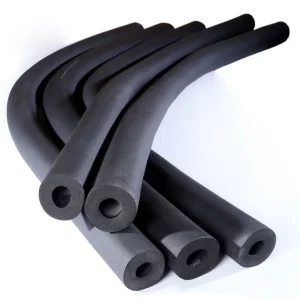
Material: Premium NBR/PVC blend
Thickness: 9mm to 40mm
Inner Diameter (ID): 6mm to 114mm
Service Temperature: -40℃ to 105℃
Key Advantages: High moisture resistance factor, helps prevent freezing and cracking, uniform inner wall thickness.
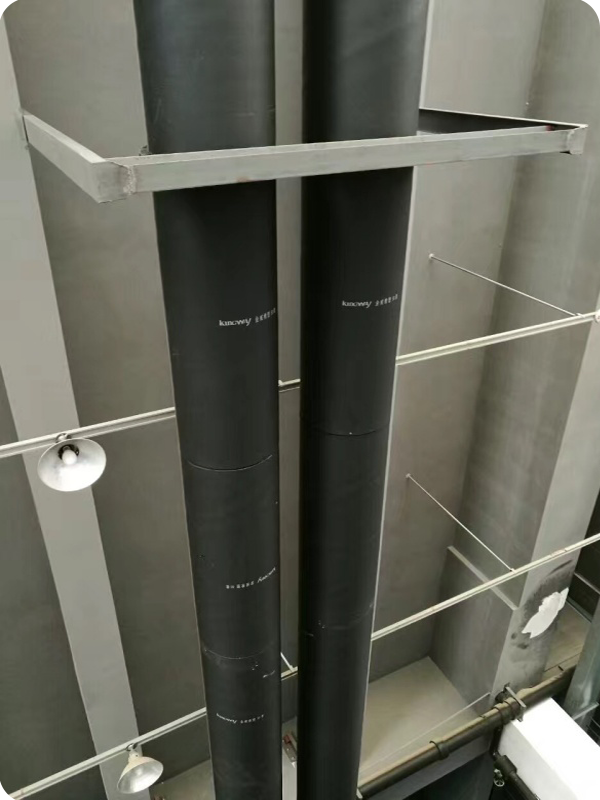
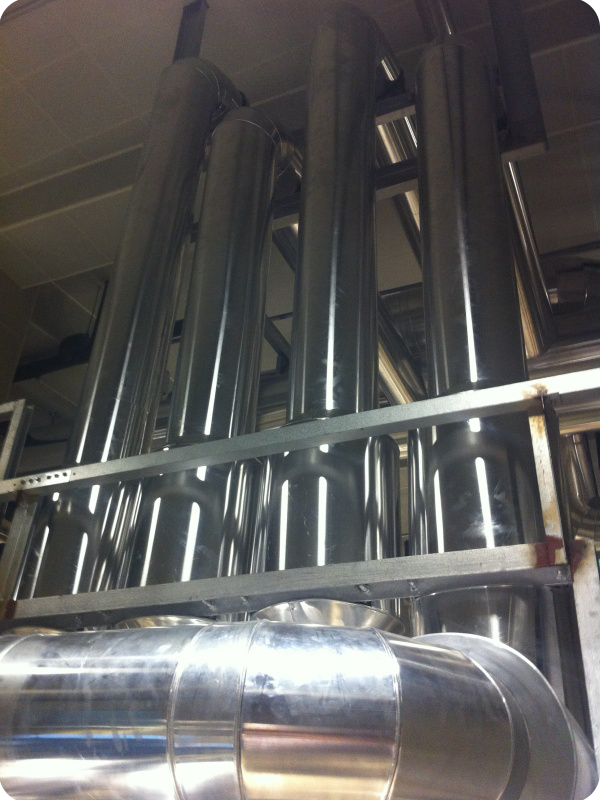
HVAC Systems: Air handling units, high-flow air ducting, chiller piping networks.
Process Engineering: Heavy chemical steam networks and refrigeration loops.
Transportation: Rolling stock, shipboard duct networks, and refrigerated logistics.
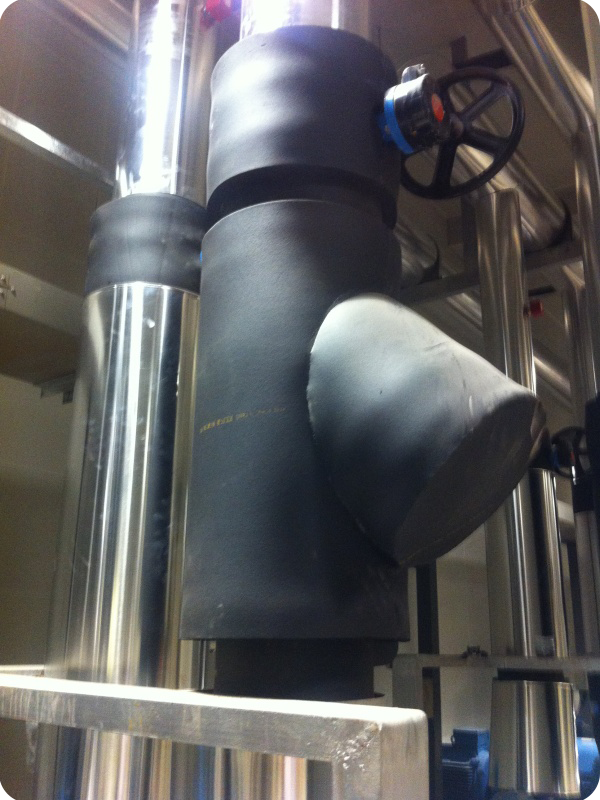
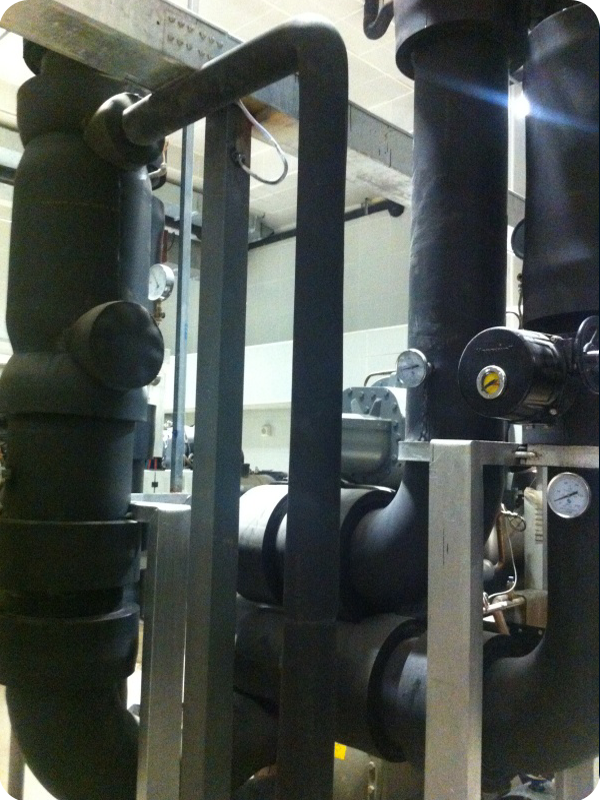
Transparency and reliability through active customer communication and project validation.



A look at our raw material refining, automated extrusion, and final packaging processes.




Direct answers regarding specifications, materials testing, and implementation protocols.
Specific claddings, acoustics, and high-temp materials for industrial environments.
 Kingflex