Direct supply from state-of-the-art automatic manufacturing lines. Fully certified thermal & cold conservation materials.
Glass wool insulation, manufactured from fine, inorganic glass fibers bonded with a thermosetting resin, represents one of the most thermal-efficient and cost-effective bulk insulation materials available. However, in modern B2B building design and industrial process environments, the core fiber structure must be paired with an effective moisture control system. This is where FSK (Foil-Scrim-Kraft) facing plays a critical role.
The FSK facing consists of three layers: a protective outer aluminum foil, a reinforcing fiberglass scrim, and a heavy-duty Kraft paper backing. These layers are laminated together using a flame-retardant adhesive. Mechanically, the scrim provides high tensile strength to prevent tears during installation, while the aluminum foil serves as an exceptional vapor barrier with a water vapor permeance rating near 0.02 perms. In humid zones or cold-water HVAC environments, FSK prevents warm, humid air from migrating into the cold glass wool core, avoiding interstitial condensation which would otherwise compromise the structural R-value and encourage toxic mold growth.
Industrial estimators and MEP engineers require clear data matrices to calculate structural thermal gains or heat losses. The table below represents standard manufacturing tolerances of premium Chinese FSK Glass Wool Blanket factories:
| Specification Parameter | Standard Tested Value | Reference Metric Protocol |
|---|---|---|
| Nominal Density Range | 10 kg/m³ to 48 kg/m³ | ASTM C167 |
| Thermal Conductivity (λ) at 24°C | 0.033 - 0.041 W/m·K | ASTM C518 / ISO 8301 |
| Vapor Permeance of FSK Facing | ≤ 0.02 perms (1.15 ng/Pa·s·m²) | ASTM E96 (Procedure A) |
| Combustibility Classification | Class A / Non-combustible base | EN 13501-1 / BS 476 Part 4/6/7 |
| Service Temperature Limit | -120°C up to +350°C | ASTM C411 |
| Noise Reduction Coefficient (NRC) | 0.70 to 0.95 (varies by thickness & density) | ASTM C423 |
When procuring Glass Wool with FSK from China, global buyers (specifically EPC contractors, structural fabricators, and local building supply distributors) must navigate complex variable costs. The final landed price is not merely a reflection of raw material costs but is influenced by several critical logistics and manufacturing variables.
Originating from Jinwei Group's 40-year thermal engineering legacy since 1979.

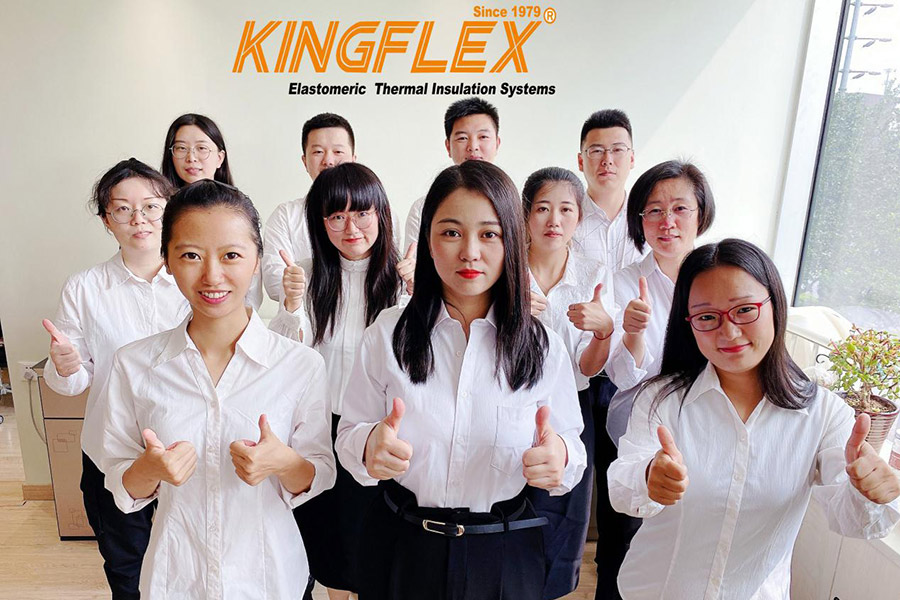
Kingflex Insulation Co., Ltd. is a professional manufacturing and trading combo for high-performance insulation systems. Our primary research and development department is located in Dacheng, China—a hub for green building solutions. We manage the process from core R&D through production to installation support.
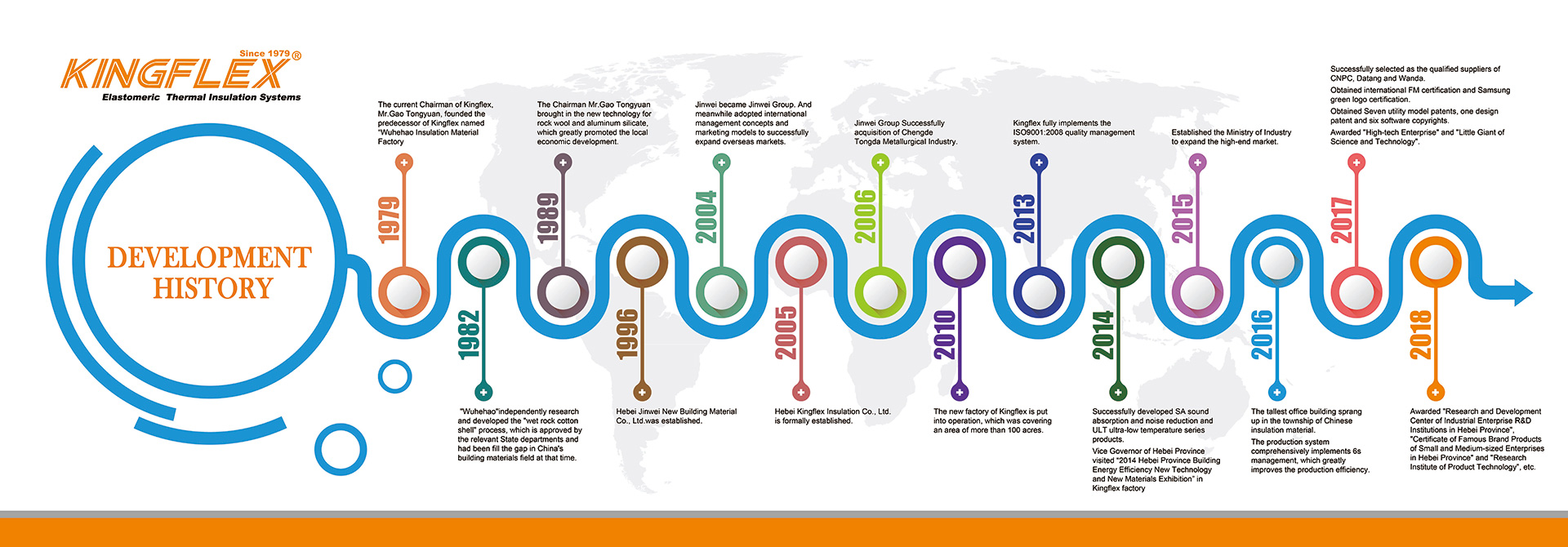
Established by the Jinwei Group, our lineage dates back to 1979. We were the first thermal insulation manufacturer north of the Yangtze River, paving the way for advanced glass wool and closed-cell elastomeric foam technologies.
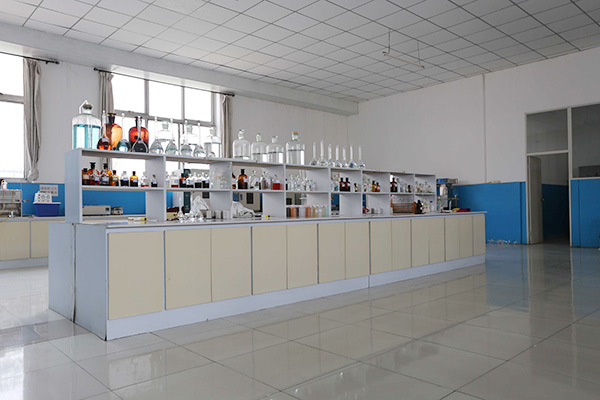
Equipped with a specialized engineering department consisting of eight professional R&D engineers, we focus on thermal and acoustic attenuation systems, cryogenic insulation, and fire safety certifications.

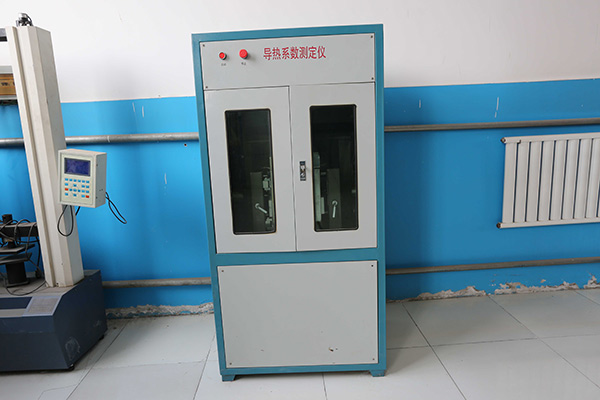
The selection of insulation materials must align with the specific thermal demands and fire safety requirements of the application. China-manufactured glass wool blankets with FSK facings are designed for several key systems:
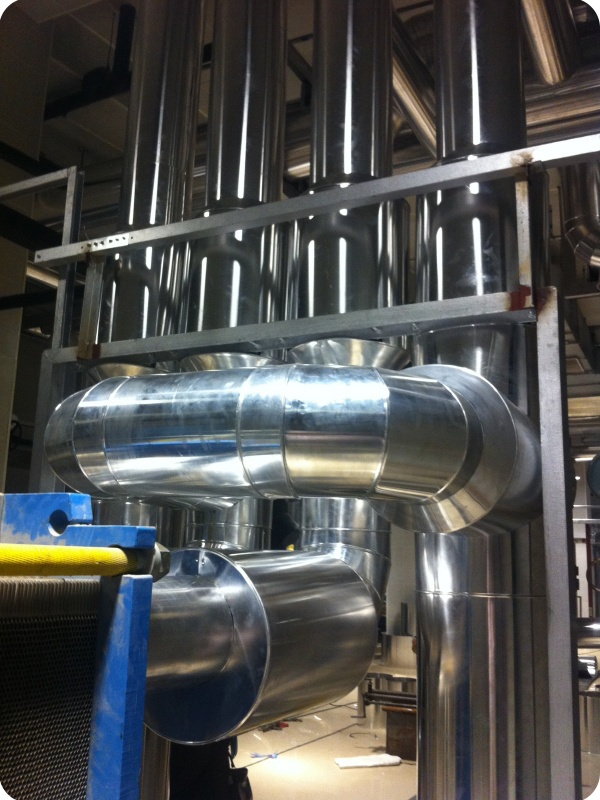
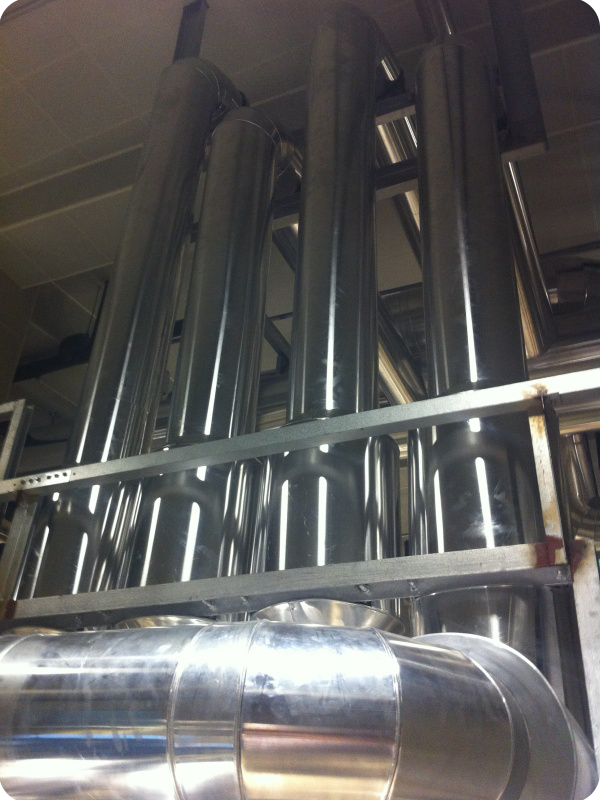
Applied externally to sheet metal ductwork, FSK-faced glass wool provides thermal insulation to maintain air conditioning temperatures while preventing condensation from forming on duct walls.
In industrial steel warehouses, FSK blankets are installed over purlins before roofing sheets are fixed. The FSK layer acts as a vapor barrier and improves internal light reflection.
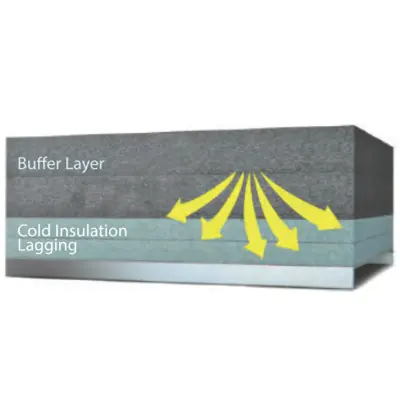
Used in chemical and petrochemical facilities, glass wool is applied to storage tanks and process pipelines to minimize heat transfer. It can be paired with elastomeric foam for multi-layered thermal protection.
While Kingflex is a major manufacturer of both rubber foam and glass/rock wool systems, choosing the correct material depends on the operating temperature and environment:
Tested by international laboratories to ensure compliance with strict building codes.
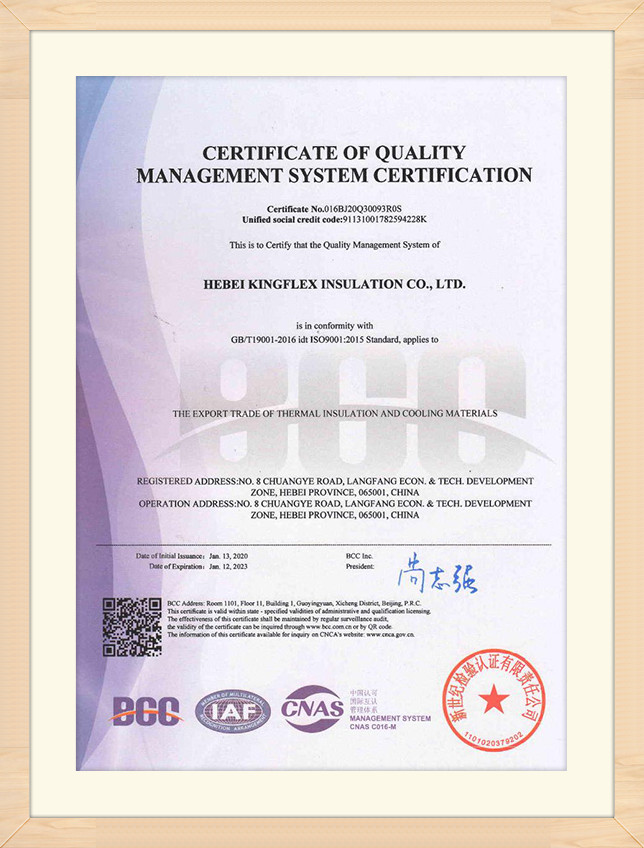


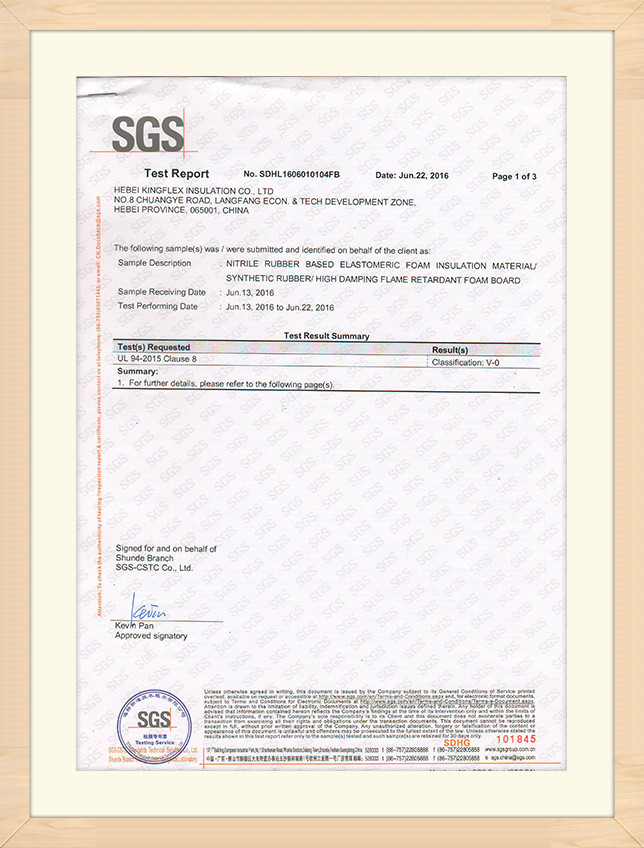
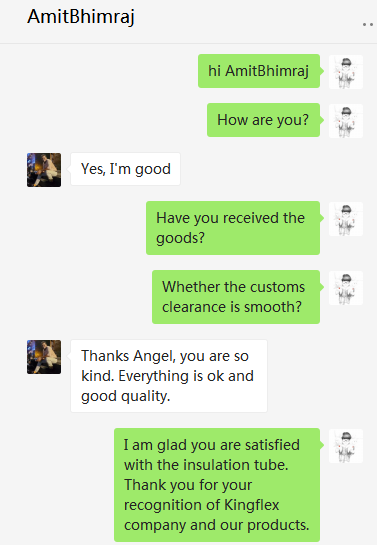
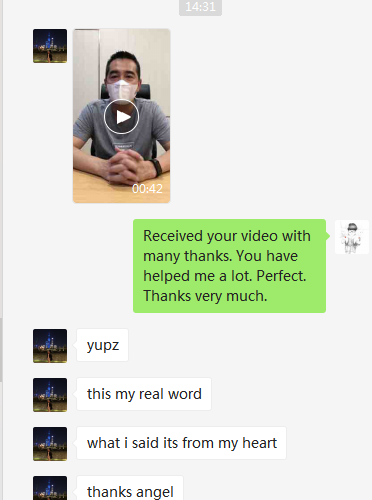
Our export operations are supported by documented transaction logs and feedback from overseas buyers, demonstrating our commitment to reliable delivery and product compliance.



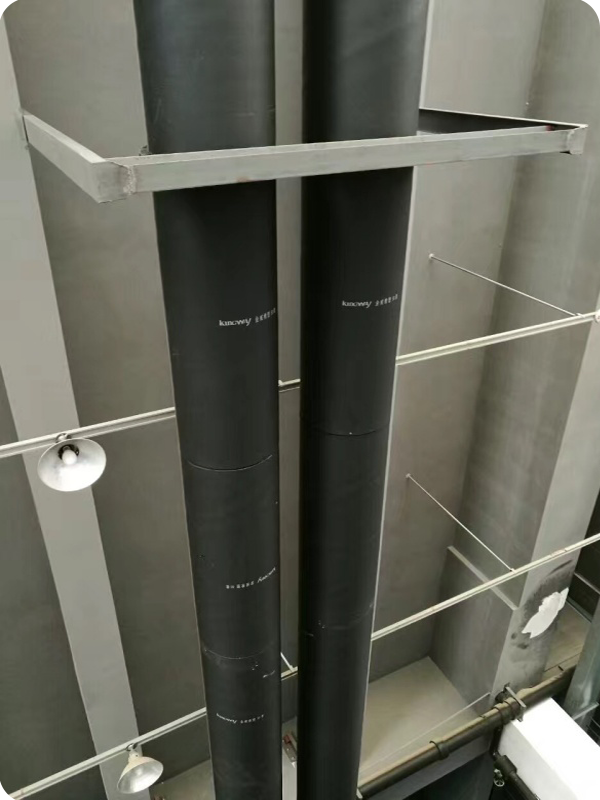
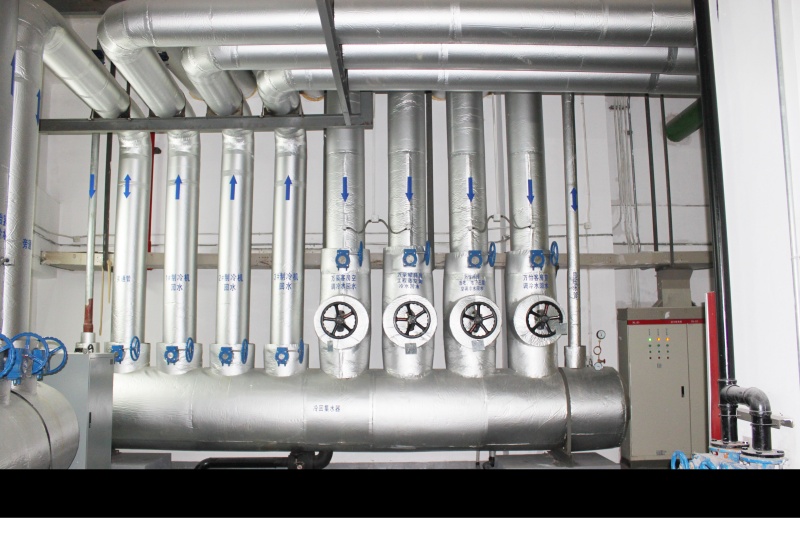
From central ventilation systems in high-rise buildings to industrial petrochemical pipelines.



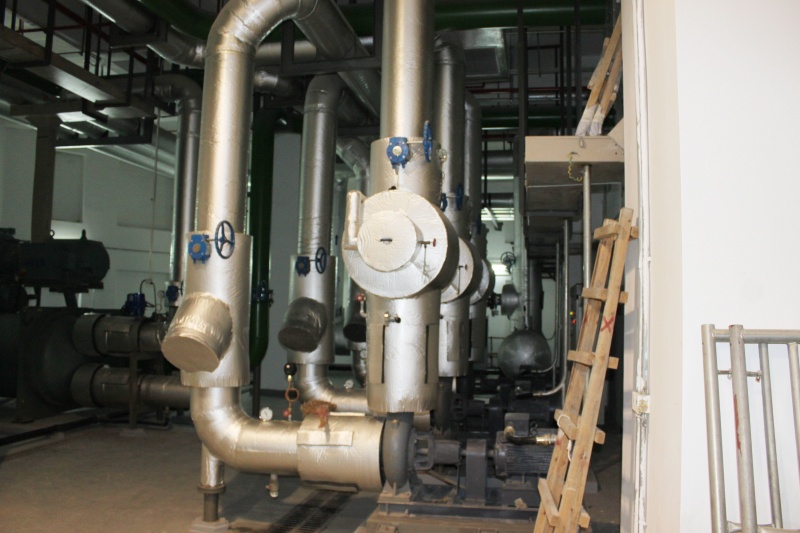
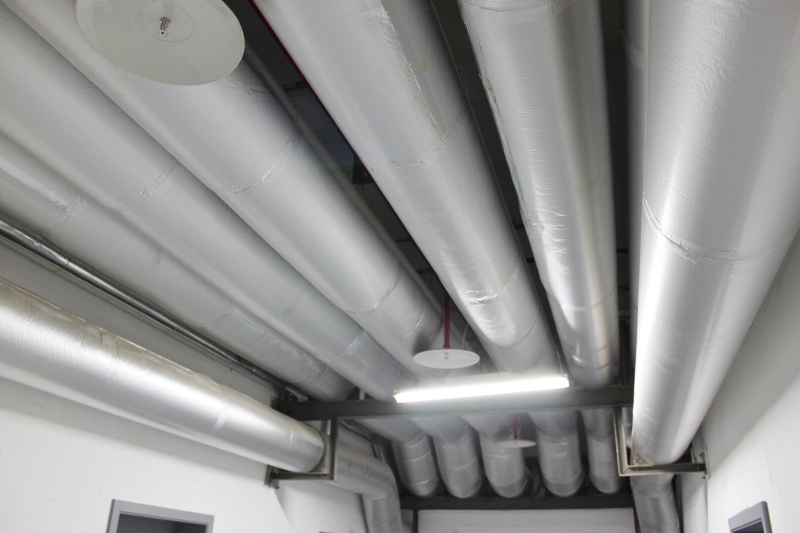

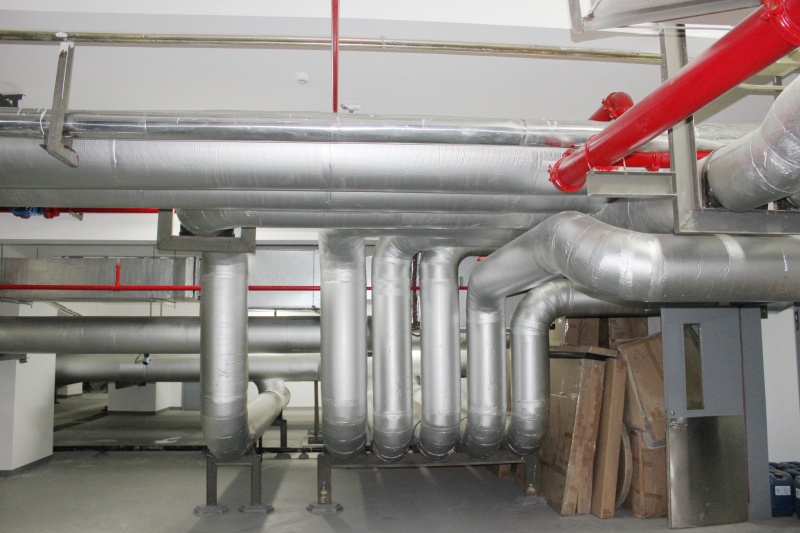
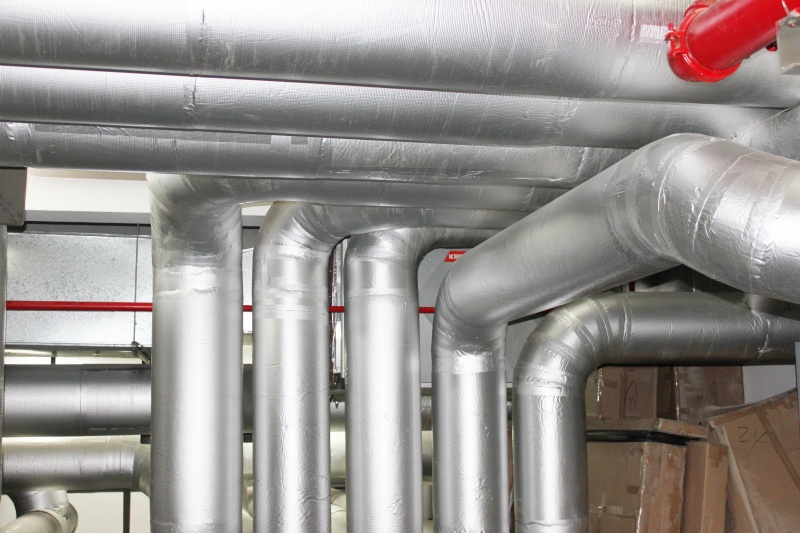
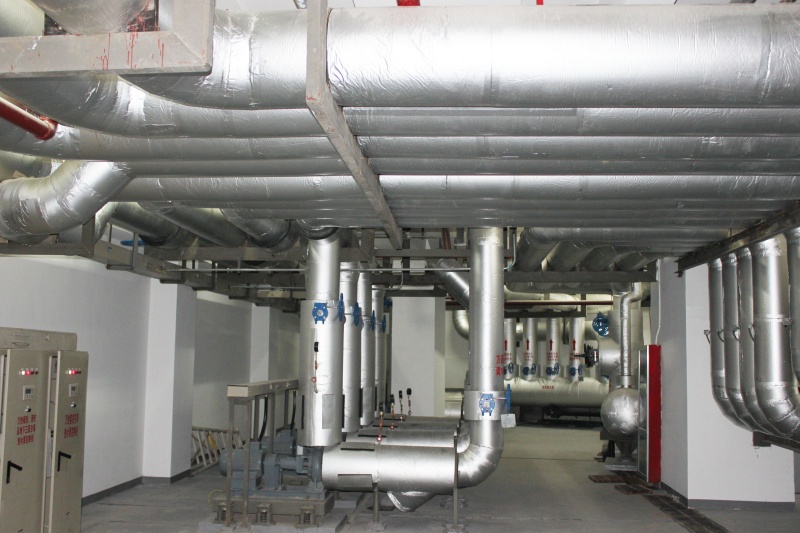
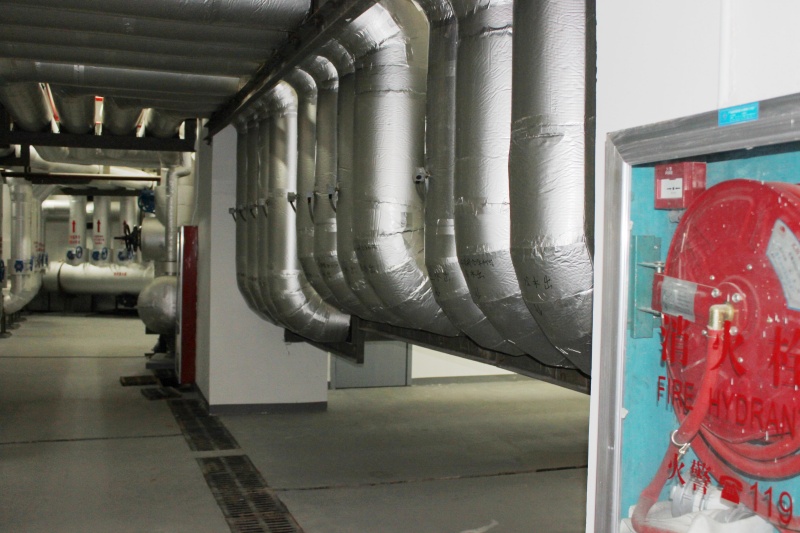
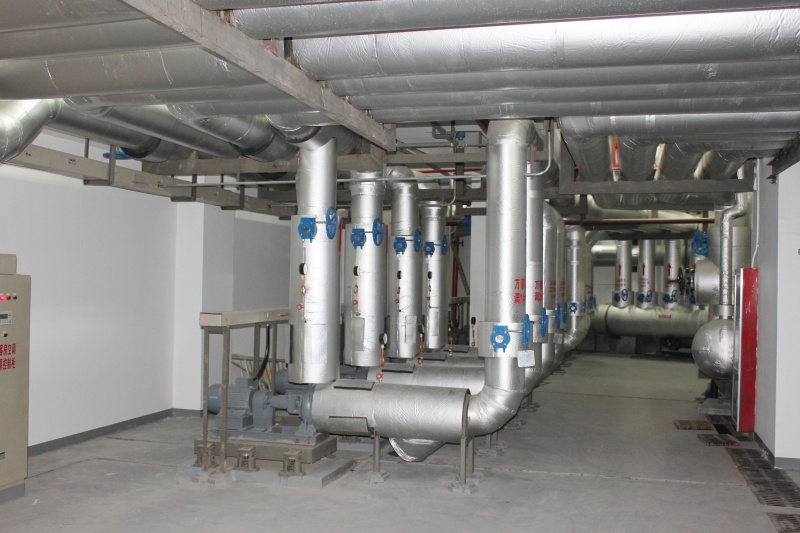

Explore detailed dimensions, material compounds, and performance characteristics.
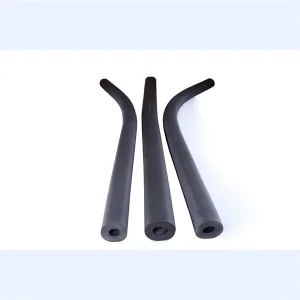
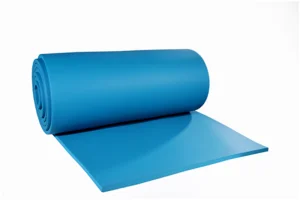
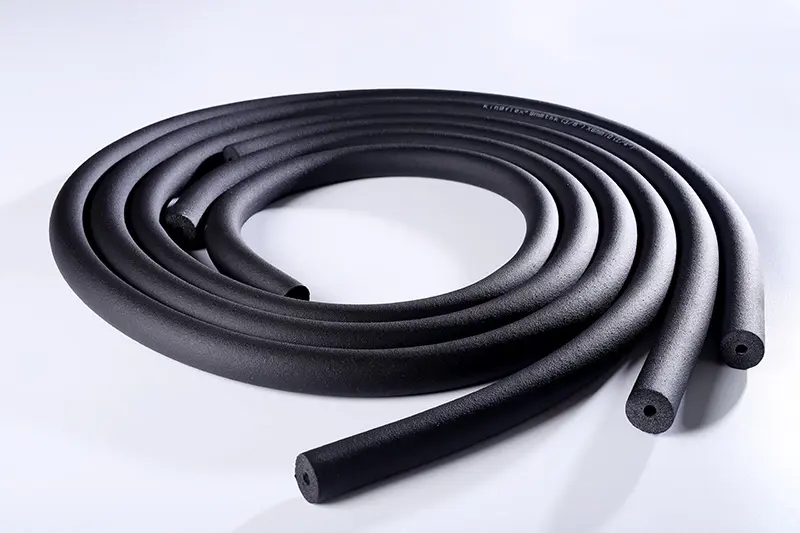
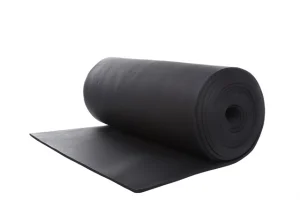
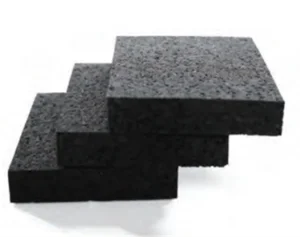
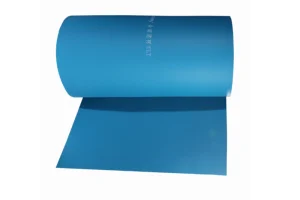
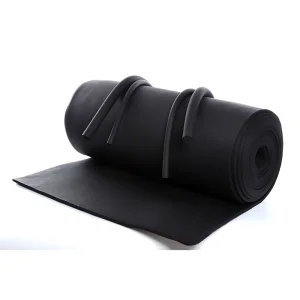
Material: NBR/PVC Composite Foam
Thickness: 6mm - 50mm
Density: 40 - 55 kg/m³
Service Temperature: -40℃ to 105℃
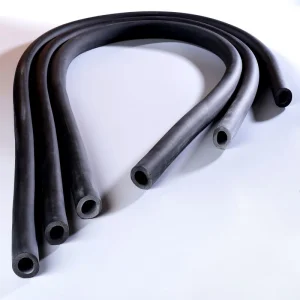
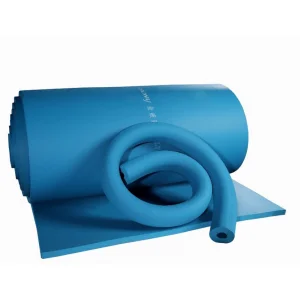
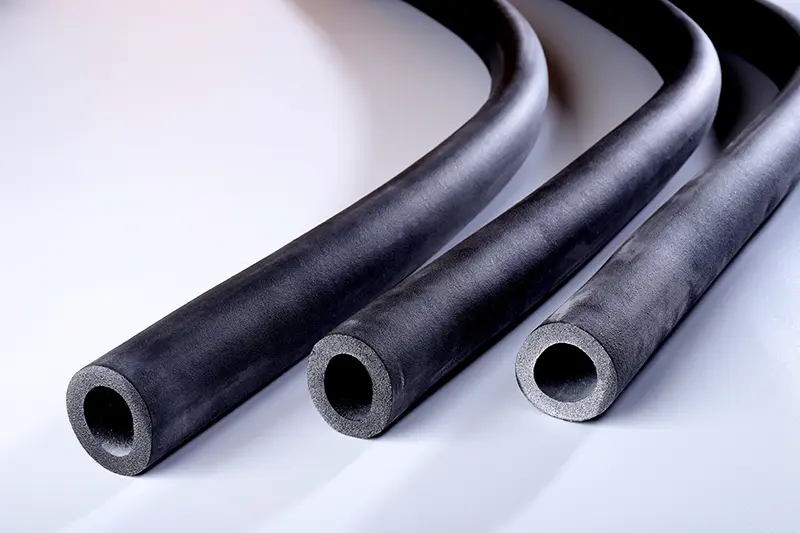
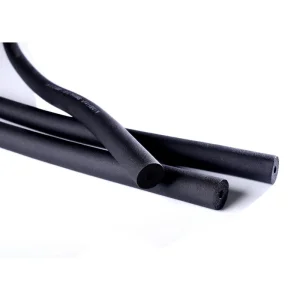
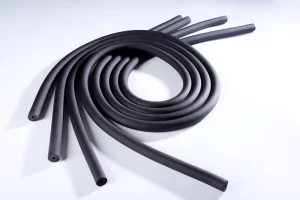
Material: NBR/PVC Composite Foam
Thickness: 9mm - 40mm
ID Range: 6mm - 114mm
Service Temperature: -40℃ to 105℃
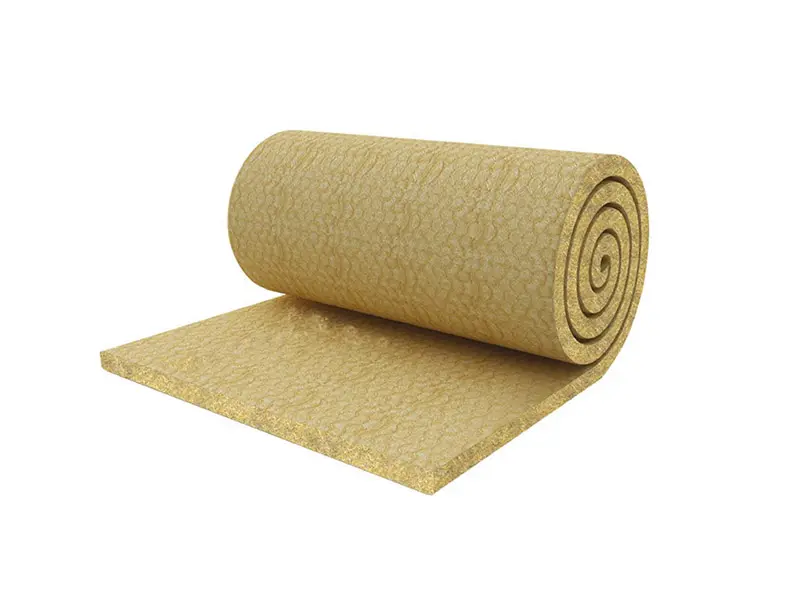
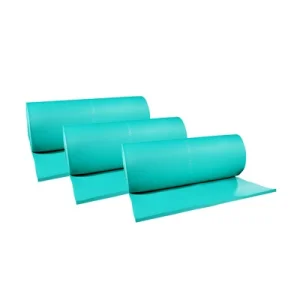
Material: Biosoluble Silicate Fibers
Thickness: 25mm - 150mm
Facing Options: FSK, Aluglass, Plain
Max Temperature: up to 650℃ (Rock Wool)
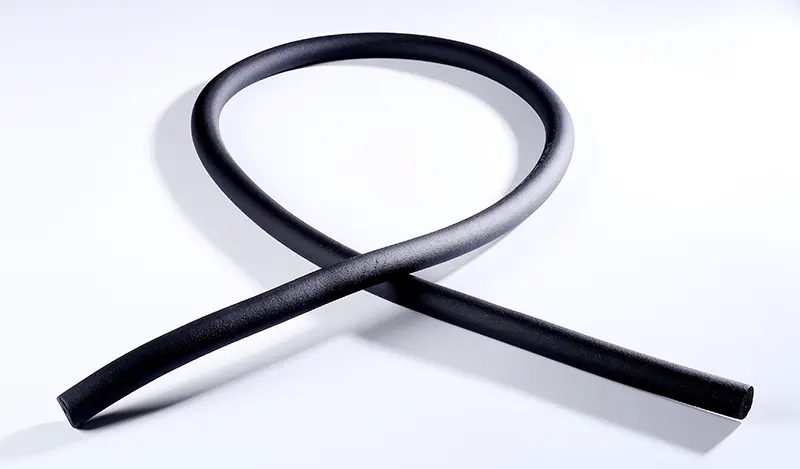
Original high-resolution product inventory and engineering spec configurations.





Building regulations and insulation material standards vary by region. When importing Glass Wool with FSK from China, compliance with local building codes is essential for project approval:
Requires declaration of thermal performance, density tolerances, and CE marking. Standardized Euroclass flammability classification ensures compliance with fire safety codes.
Requires flame spread index (FSI) ≤ 25 and smoke developed index (SDI) ≤ 50. Tests are conducted according to ASTM E84 for commercial duct installations.
Building codes in the Gulf region (UAE, Saudi Arabia) require thermal insulation materials to have Civil Defense Approval, verifying class A1/Class 0 compliance.
Technical answers to support project specifications and purchasing decisions.
Premium thermal barriers, adhesive backing rolls, and specialized cryogenic insulation systems.
 Kingflex