Direct from Jinwei Group assembly lines: standard NBR/PVC structures engineered for high resistance to vapor transfer and thermal bridging.
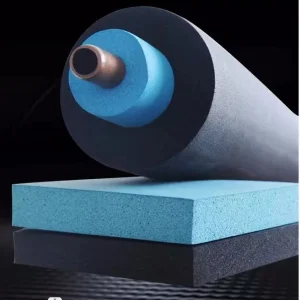

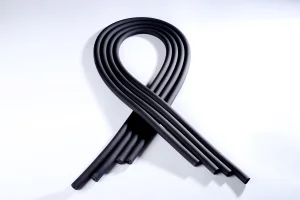
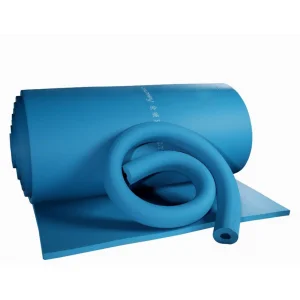
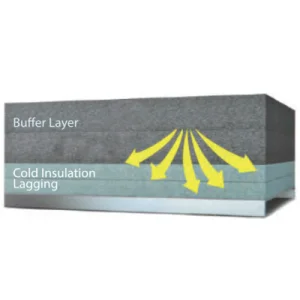
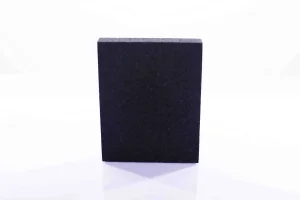
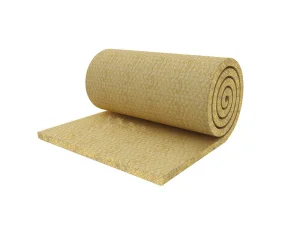
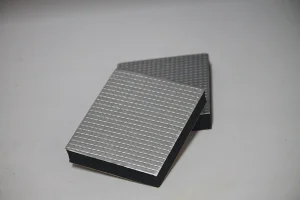
Modern HVAC/R infrastructures require insulation materials that combine structural longevity, thermal reliability, and safety compliance. Global procurement directors in cold storage, industrial HVAC, and aerospace sectors prioritize materials that minimize energy losses while preventing moisture condensation. Long-term operating expenditures depend directly on the material's water vapor transmission rate.
For large-scale projects, sourcing directly from Chinese manufacturing hubs like Dacheng offers key cost-efficiency benefits. Kingflex Insulation Co., Ltd. leverages integrated supply chains to provide high-performance elastomeric NBR/PVC and rock wool materials. Choosing direct factory supply ensures consistent compliance with fire resistance classifications, stable density profiles, and competitive pricing without middleman markups.

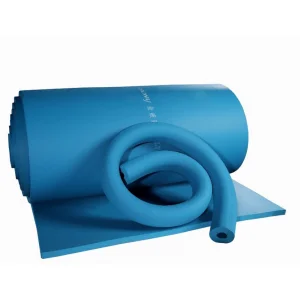
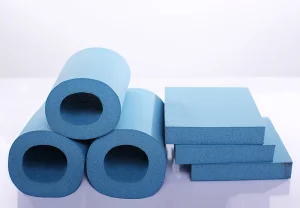
Technical data detailing dimensions, densities, and operational limits of the Kingflex NBR/PVC closed-cell matrix.
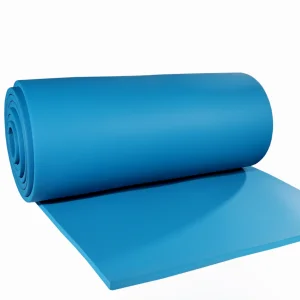
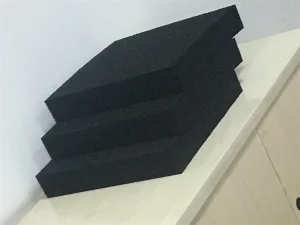
| Black Rubber Foam Insulation Sheet Roll Details | |
|---|---|
| Material Matrix | NBR/PVC Elastomeric Blend |
| Thickness Limits | 6mm to 50mm |
| Density Class | 40 - 55 kg/m³ |
| Service Temperature | -40℃ to 105℃ |
| Closed-Cell Rate | > 98% uniformly distributed cells |
| Compression Resilience | > 80% recovery rate |
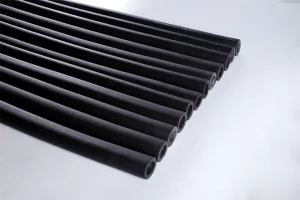
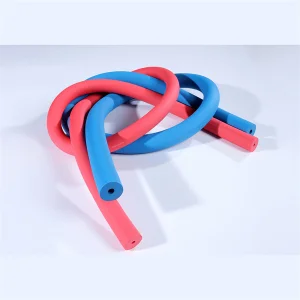
| Black Rubber Foam Insulation Pipe Details | |
|---|---|
| Material Matrix | NBR/PVC Elastomeric Blend |
| Thickness Limits | 9mm to 40mm |
| Inner Diameter (ID) | 6mm to 114mm |
| Density Class | 40 - 55 kg/m³ |
| Service Temperature | -40℃ to 105℃ |
| Moisture Absorption | Low thermal conductivity drift |
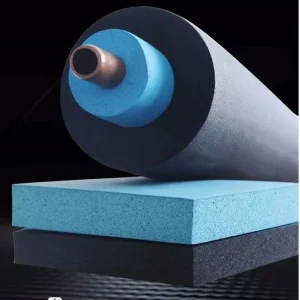
Condensation on refrigerant pipes can cause structural corrosion and organic growth within building plenums. Kingflex closed-cell insulation controls thermal bridging, preventing ambient relative humidity from contacting cold pipe surfaces. The closed-cell structure keeps vapor transmission rates near zero, maintaining stable thermal conductivity over the lifespan of the system.
Chemical processing and industrial plants operate at temperature extremes that challenge standard insulation. Kingflex elastomeric systems support thermal integrity from cryogenic temperatures up to 105°C. Their chemical resistance helps protect underlying piping from corrosion under insulation (CUI) in humid, saline, or acidic environments.
Building codes require insulation to meet strict flame and smoke indices to prevent fire spread in plenum spaces. Kingflex materials are engineered to be self-extinguishing and flame-retardant. The NBR/PVC blend forms a protective char barrier under fire conditions, helping limit flame propagation and smoke density in compliance with BS 476 and UL94 standards.
The performance of elastomeric insulation depends directly on its polymer matrix structure. Our R&D department focuses on refining the rubber foaming process to produce uniform cell size distribution and high closed-cell density. This reduces convection within the cells, lowering overall thermal conductivity while maintaining high flexibility for fast installation around elbows and tees.
We work to eliminate halogenated compounds and ozone-depleting blowing agents from our formulations. By optimizing environmental profiles without losing mechanical strength, Kingflex provides LEED-compatible materials that help projects meet green building standards. The resulting product line offers reliable, long-term performance under demanding operating conditions.
A corporate structure built on over four decades of thermal insulation manufacturing experience, supplying industrial and building projects worldwide.
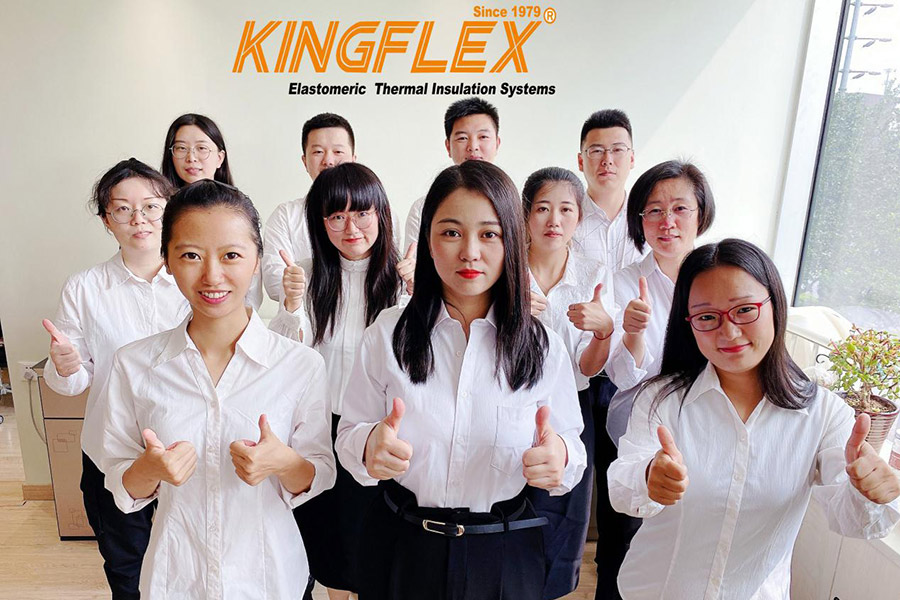
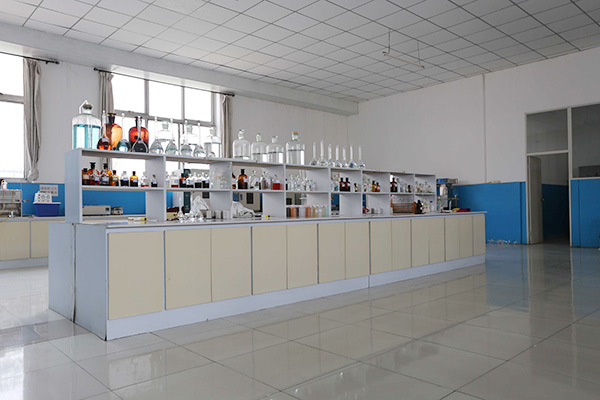

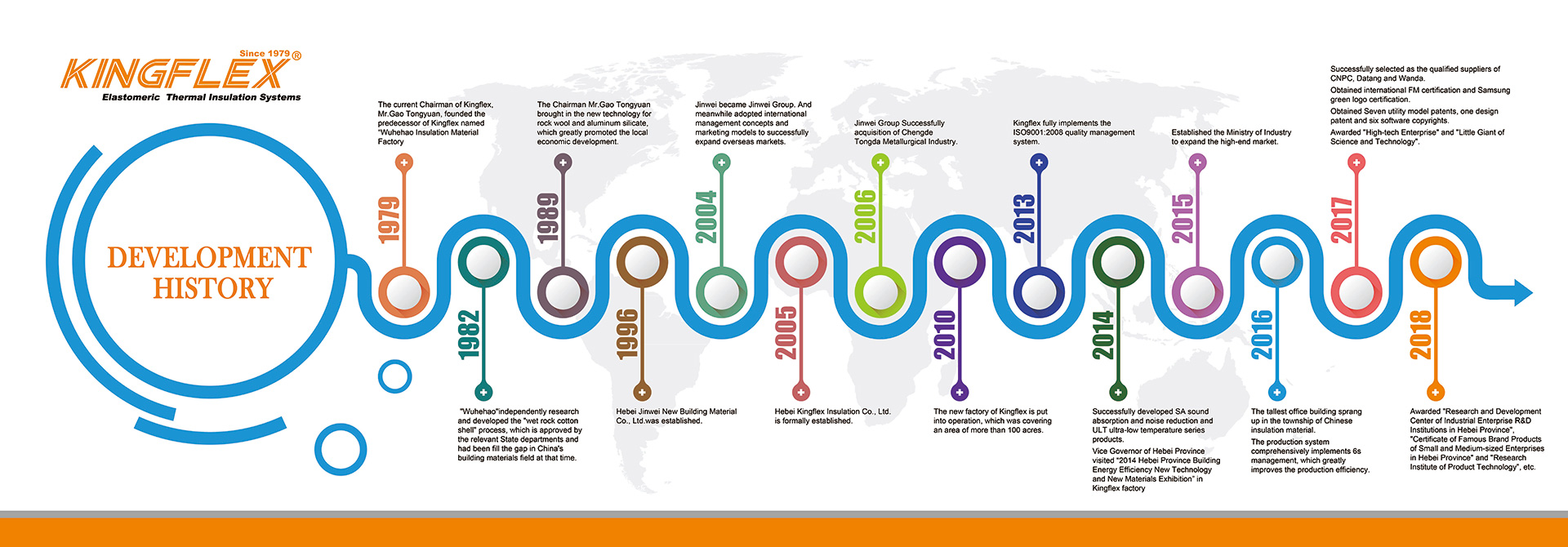
Established as part of the Jinwei Group—which holds a manufacturing history dating back to 1979—Kingflex has grown into a major producer of thermal insulation materials north of the Yangtze River. The company integrates research, development, production, and technical sales from its main manufacturing base in Dacheng, China, a recognized hub for building material technology.
Our workforce is organized to maintain consistent product quality and service. Kingflex employs eight dedicated engineers in the R&D department to drive formulation improvements and certification testing. A six-person international sales group manages logistics, compliance, and support for overseas buyers, backed by 230 production personnel across our manufacturing lines.
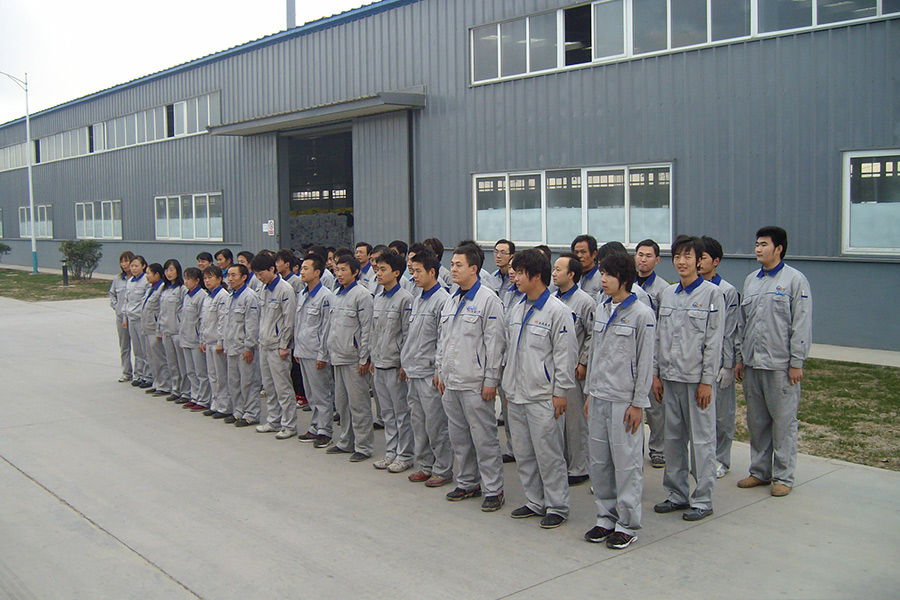

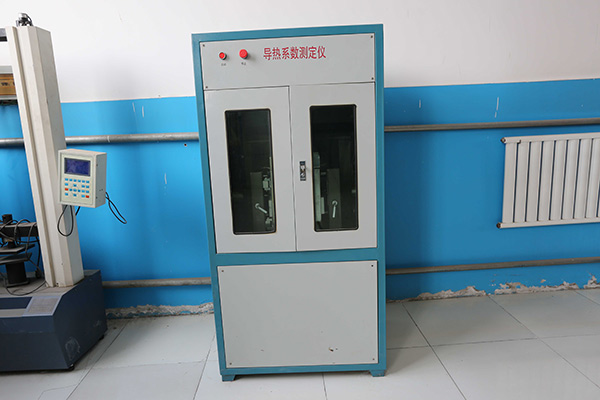
Industrial projects depend on verified material properties. Kingflex insulation materials undergo testing to verify density, thermal conductivity, and fire safety ratings. We maintain product traceability throughout the manufacturing process, from raw NBR/PVC raw materials to the final packaged rolls and pipes.
Our products carry testing certifications from independent global safety and standards organizations, including:
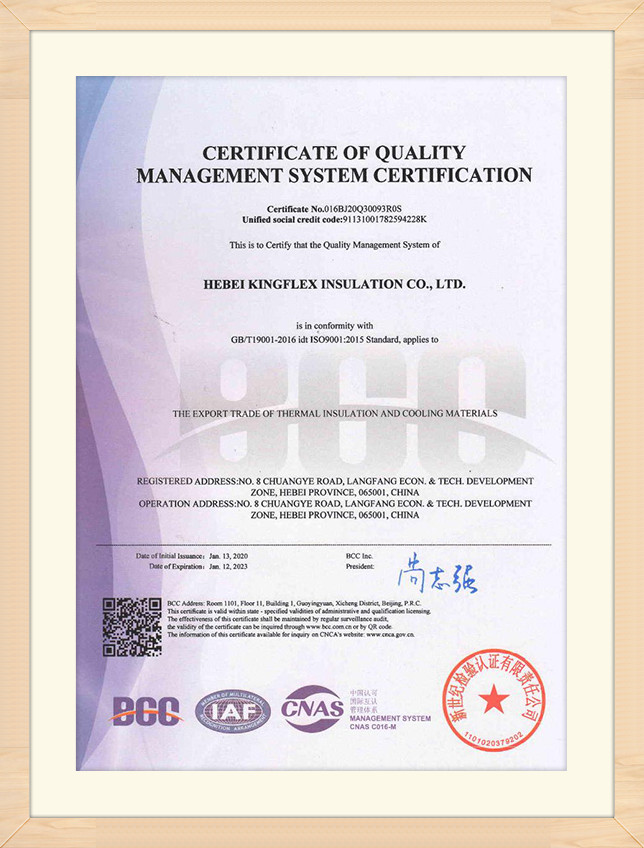


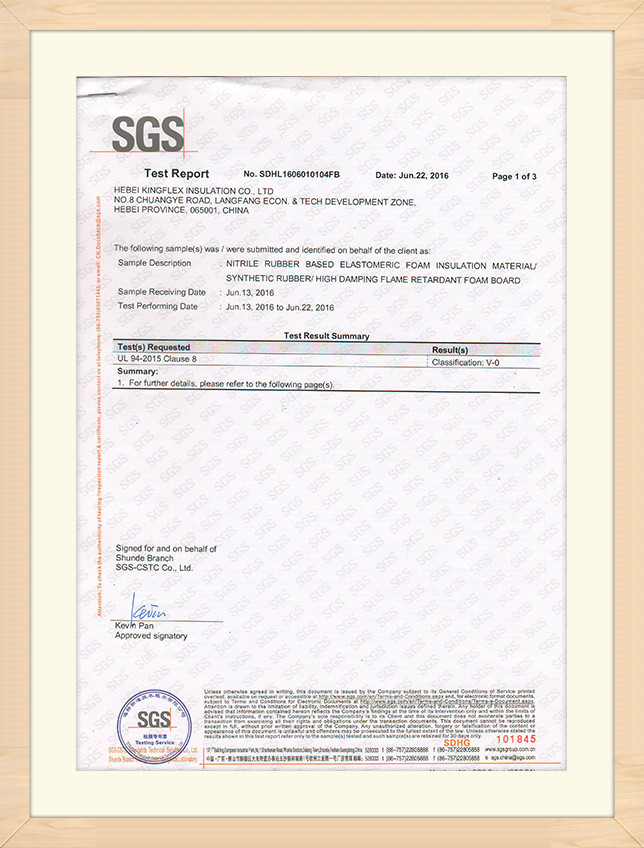
Verified communication records showing direct feedback and order details from our international business partnerships.





Kingflex insulation products are used in commercial HVAC, industrial piping, and cold-chain facilities worldwide.

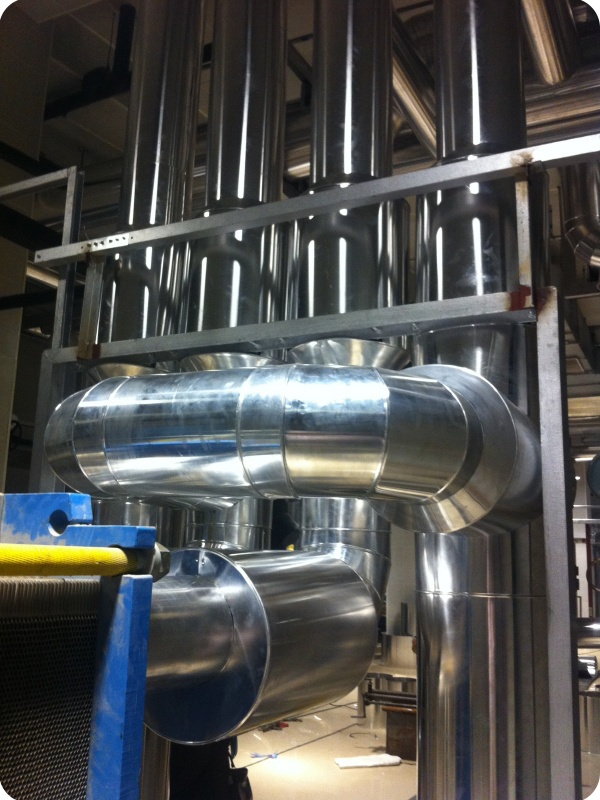
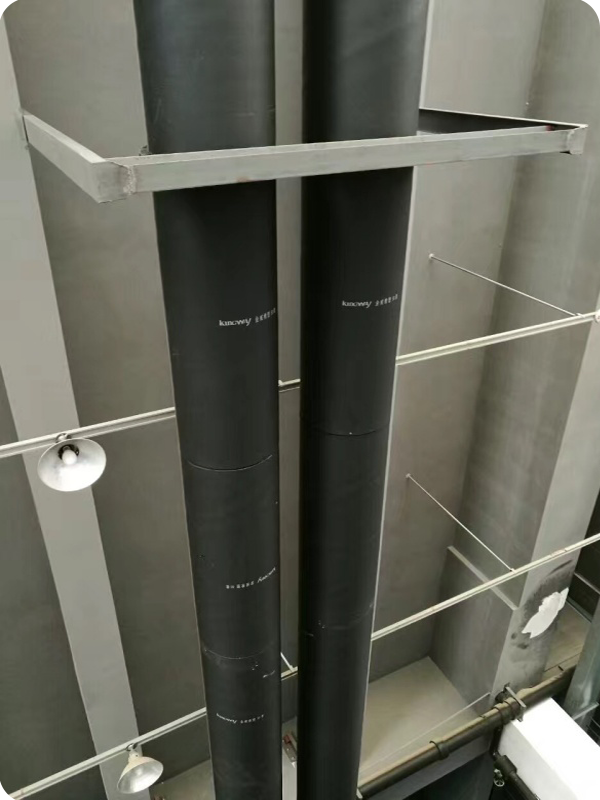
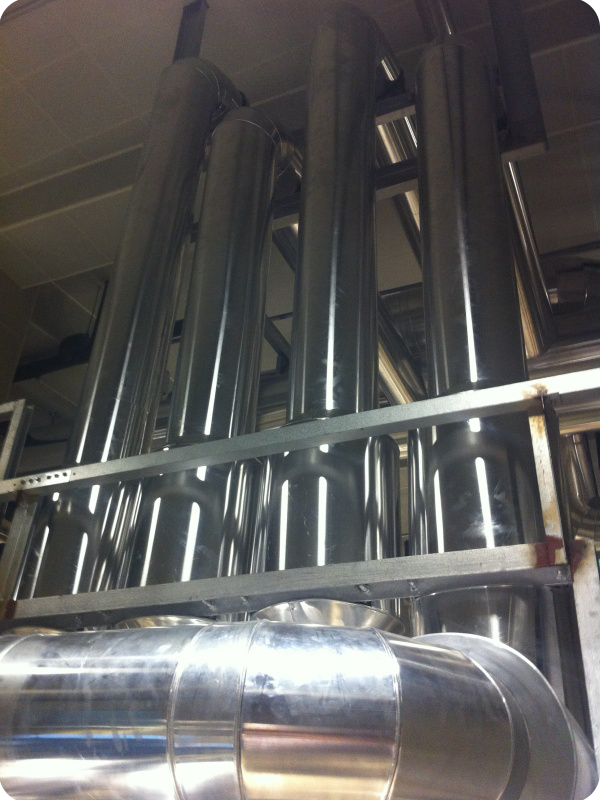
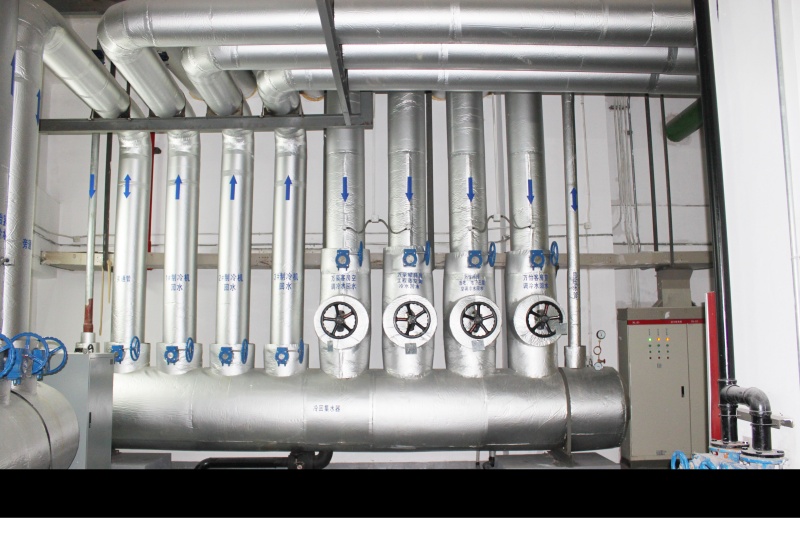


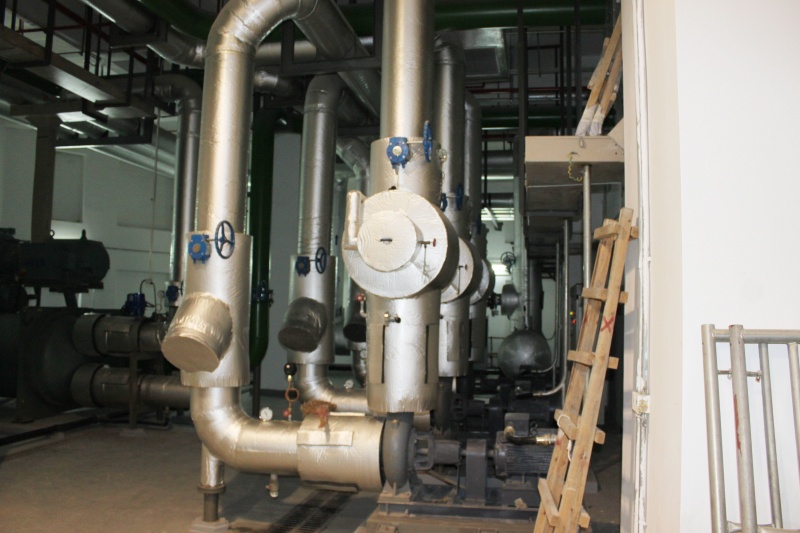
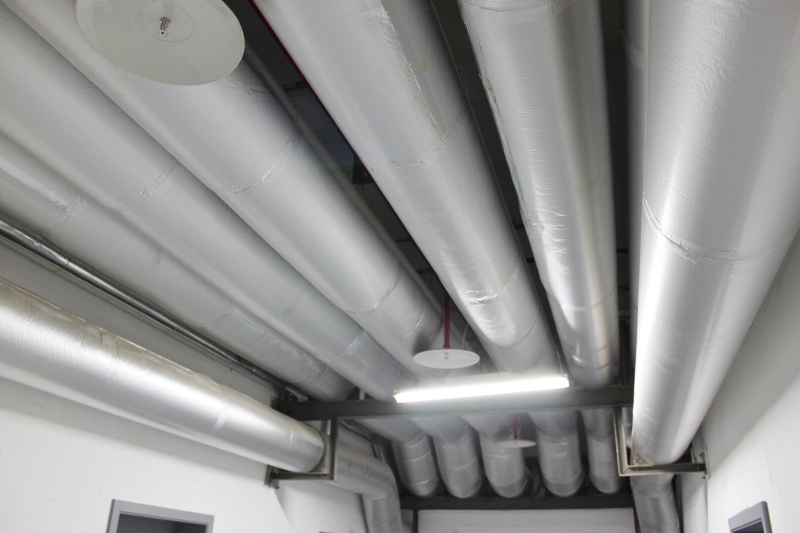

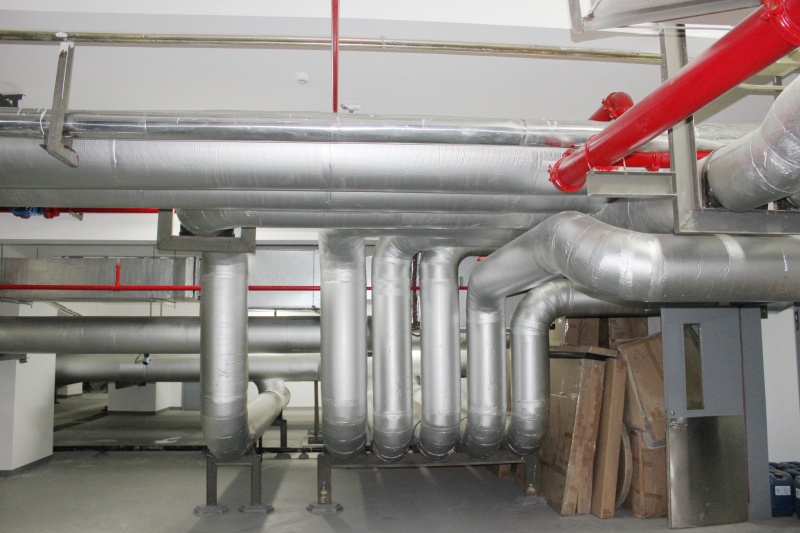
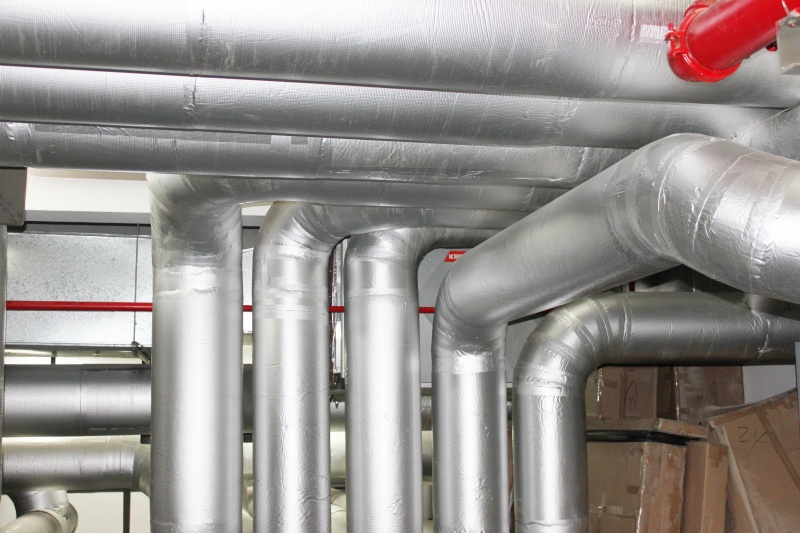
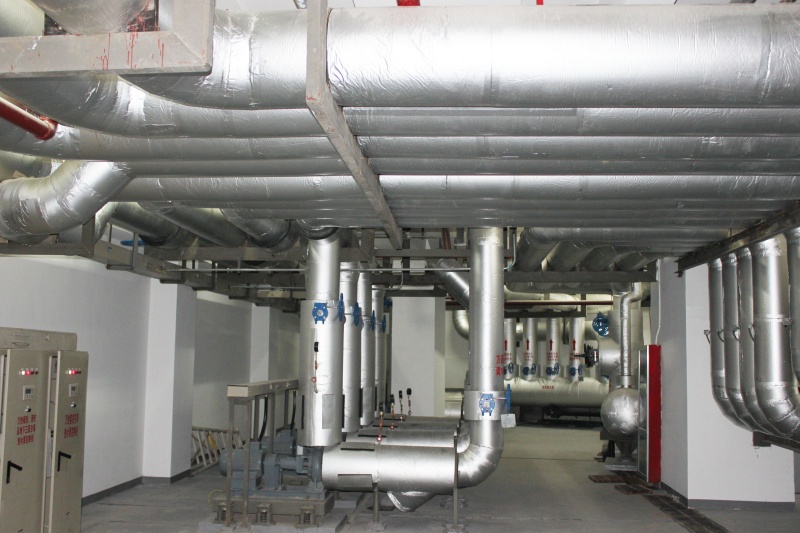
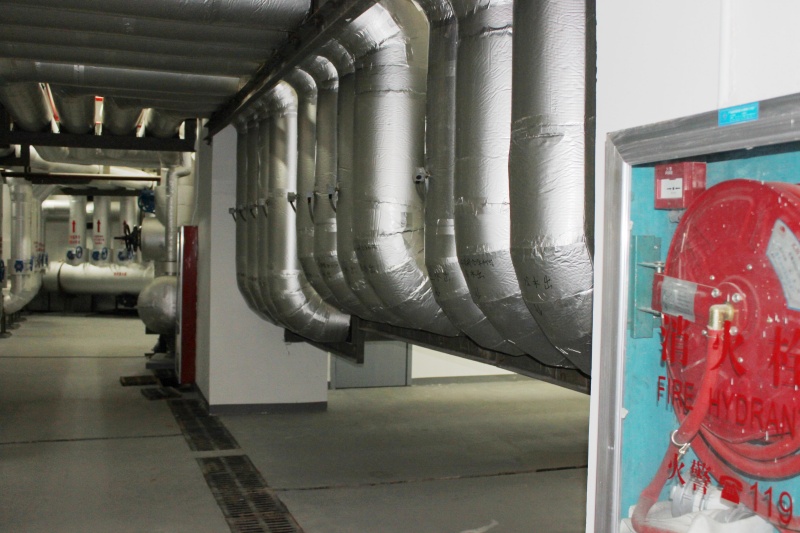
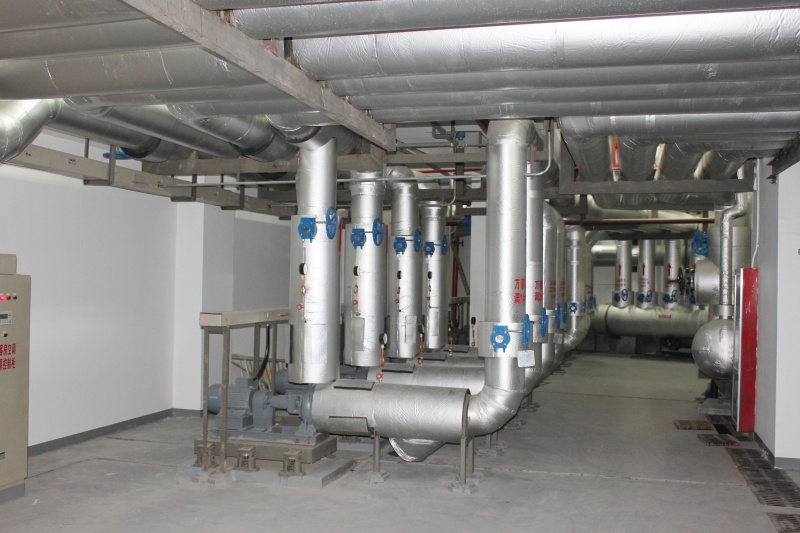

Proper installation is necessary to maintain the thermal and condensation resistance of elastomeric insulation. Closed-cell rubber foam should be applied without excessive compression, as crushing the cell structure reduces its thermal performance. Adhesives should be applied uniformly at all joints and butt seams to maintain a continuous vapor barrier.
For outdoor installations, NBR/PVC elastomeric materials must be protected from ultraviolet (UV) degradation. Applying a weather-resistant protective jacket or UV-resistant coating prevents cracking and extends the service life of the insulation. Additionally, selecting the correct wall thickness based on ambient design conditions helps prevent condensation on high-humidity projects.
High-performance material design optimized for easy installation and long-term energy savings.
The closed-cell structure traps gas inside a dense polymer matrix, limiting conductive heat transfer and reducing HVAC system energy use.
With a closed-cell rate exceeding 98%, the material resists moisture absorption, maintaining its thermal performance in high-humidity environments.
The elastic NBR/PVC blend bends easily around complex piping configurations, helping speed up installation and lower labor costs.
Expert answers to common technical, compliance, and purchasing questions about refrigerant pipe insulation.
Technical-grade insulation components designed for low-temperature applications and industrial process systems.
 Kingflex