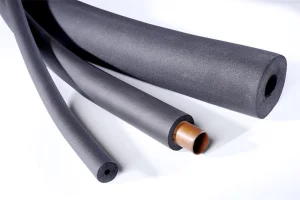
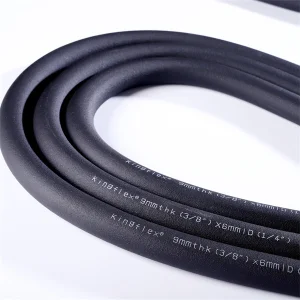
Engineered for Precise Thermal Insulation, Cold Preservation & Acoustical Isolation
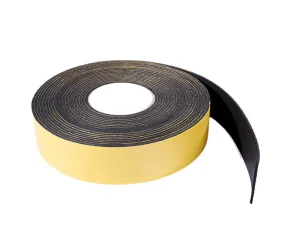
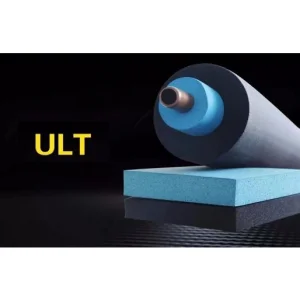
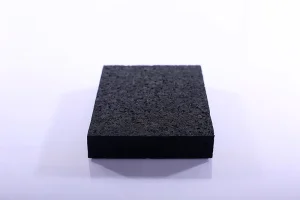
Thermal conductivity, represented by the Greek letter λ (or k-value), measures a material's capacity to conduct heat. In HVAC systems, cryogenic pipelines, and structural thermal envelopes, precise calculation of thermal conductivity is crucial to prevent structural energy loss, condensation build-up, and localized thermal bridging.
The calculation of heat transfer through a planar insulation wall is governed by Fourier's Law of Thermal Conduction:
Where:
q = Heat flow rate (W)
λ = Thermal Conductivity (W/m·K)
A = Heat transfer surface area (m²)
dT/dx = Temperature gradient in the direction of heat flow (K/m)
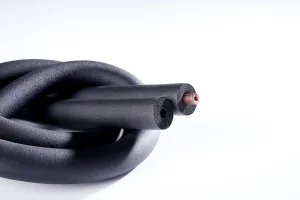
For cylindrical insulation setups—specifically rubber foam insulation pipes wrapping chilled water tubes—the equation transforms to accommodate radial coordinates:
Where:
L = Pipe length (m)
r_1 = Inner radius of insulation (m)
r_2 = Outer radius of insulation (m)
T_in = Outer surface temperature of the bare metal pipe (°C)
T_out = External insulation surface temperature (°C)
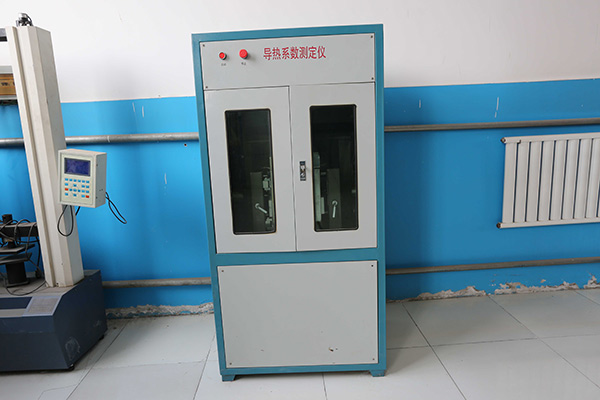
Kingflex Insulation uses standardized thermal flow meters (governed by ASTM C518 and ISO 8301) to calculate real-world conductivity values. By locking in gas molecules within homogeneous closed cells (rates exceeding 98%), Kingflex NBR/PVC elastomeric foam reaches extremely low thermal conductivity values: ≤ 0.032 W/(m·K) at 0 °C.
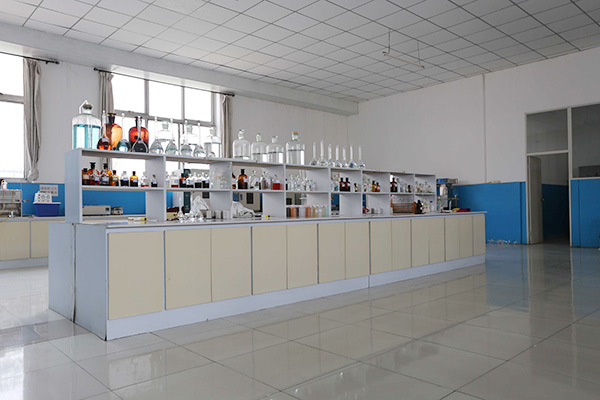

With urbanization, strict ESG regulations, and rising energy costs, insulation is no longer a generic commodity. It is a critical component of high-efficiency architecture and industrial systems. Global engineering firms demand components verified under international fire safety and environmental guidelines like BS 476, CE, REACH, and UL94.
In regions with high humidity (such as tropical Southeast Asia or coastal Middle Eastern hubs), poor calculations lead to condensation on chilled water pipes, resulting in mold growth, structural wood rot, or industrial corrosion under insulation (CUI). Utilizing materials with high resistance to water vapor diffusion (μ ≥ 10,000) is essential to maintain structural stability.
Established by the Jinwei Group, which holds over 40 years of history since its foundation in 1979, Kingflex Insulation Co., Ltd. is a leading manufacturer of thermal insulation materials north of the Yangtze River. The research, development, and primary production facility is located in Dacheng, China—a hub for green building material manufacturing.
Operating with a core focus on energy conservation, Kingflex provides end-to-end services including engineering consultancies, customized product formulation, system installation guidelines, and post-sale technical support.

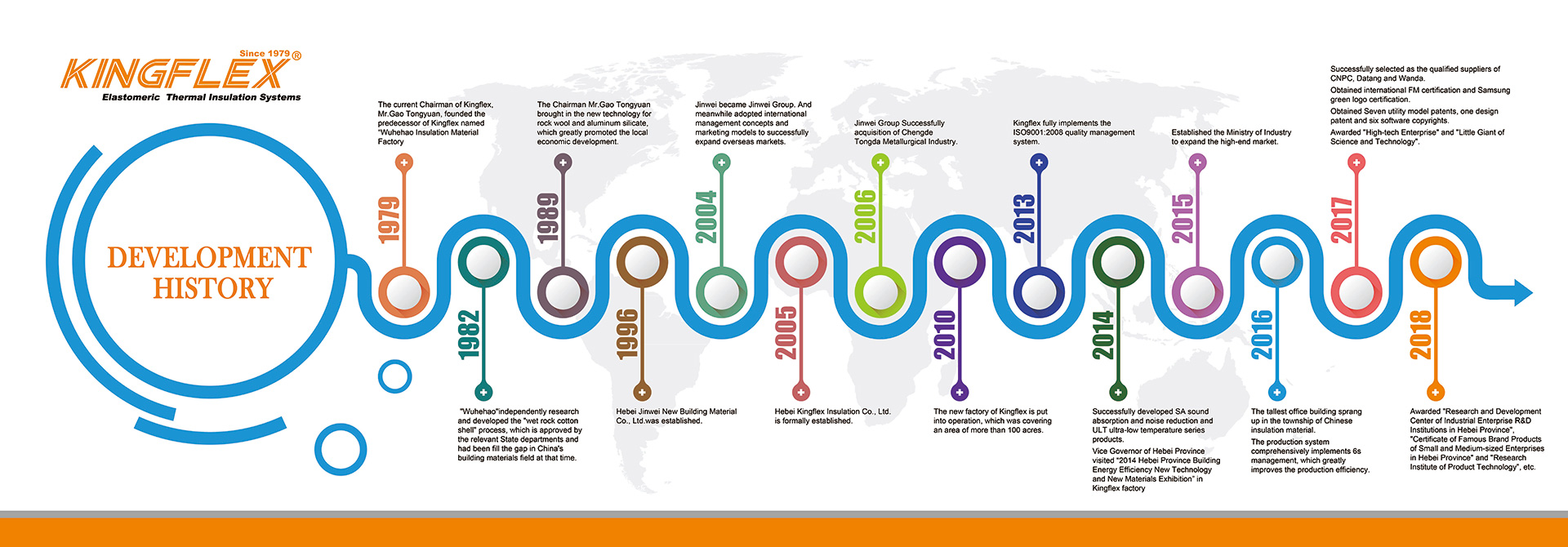
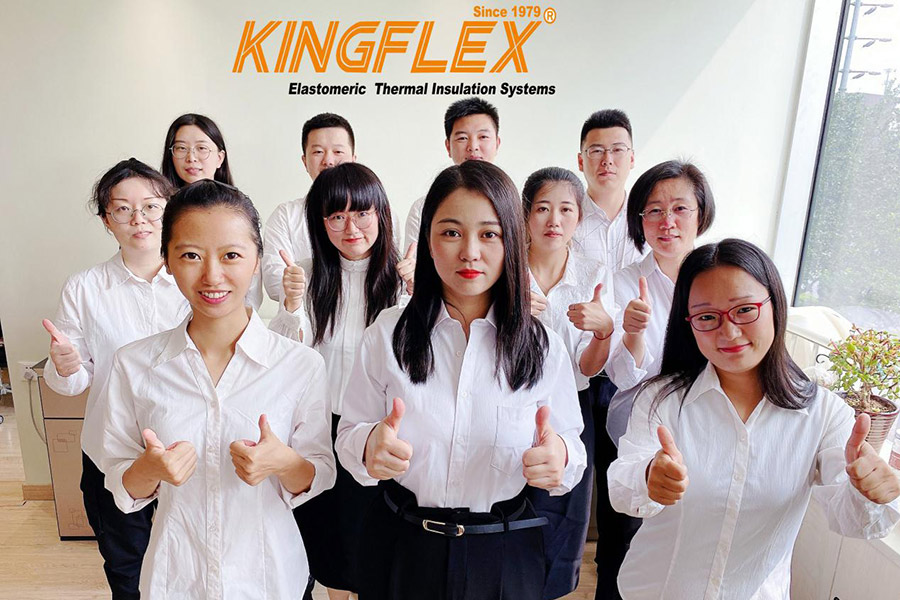
Currently, Kingflex operates 5 large automatic production lines with an annual capacity of over 600,000 cubic meters. These operations are officially certified by national ministries, including the Ministry of Energy, the Ministry of Electric Power, and the Ministry of Chemical Industry.
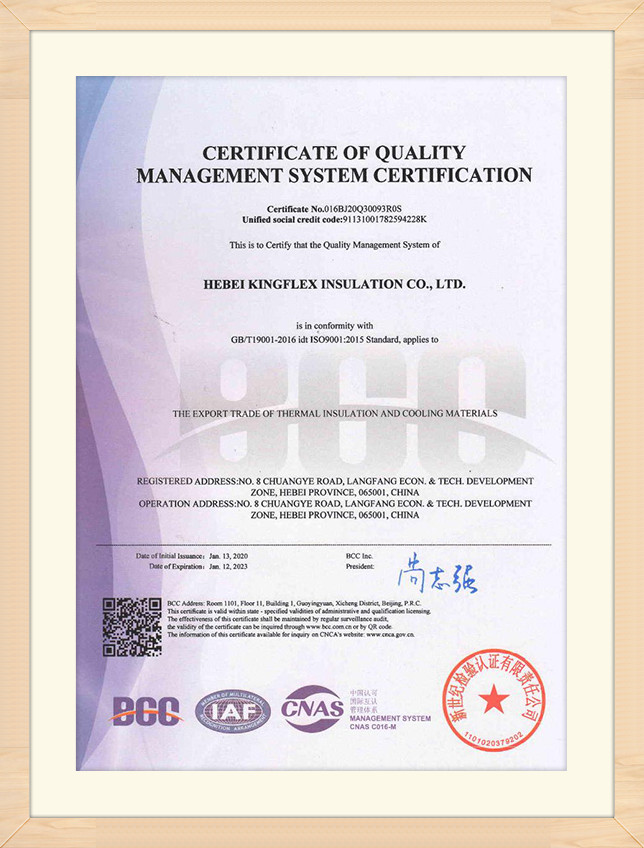


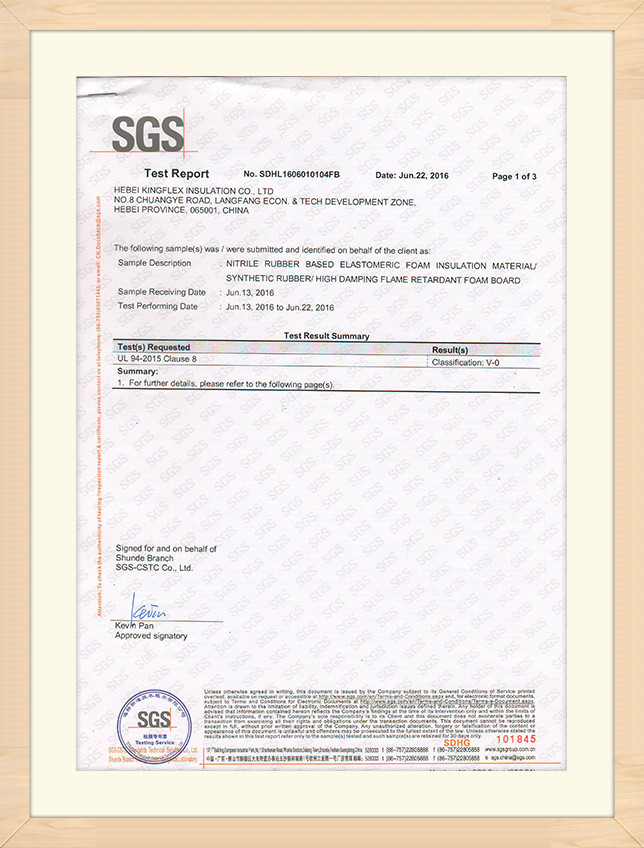
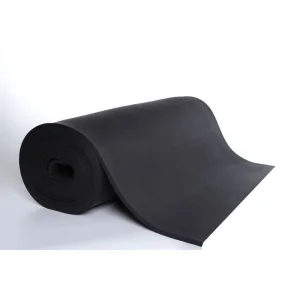
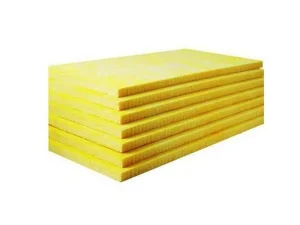
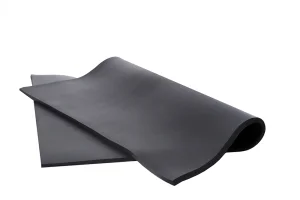
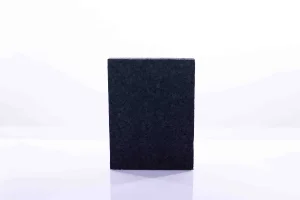
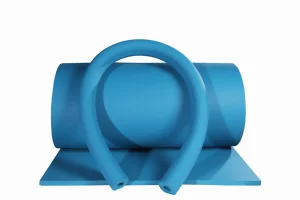
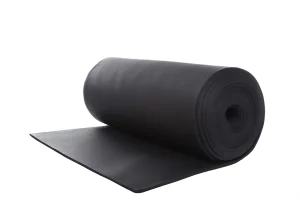
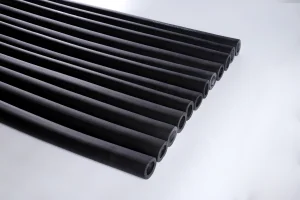
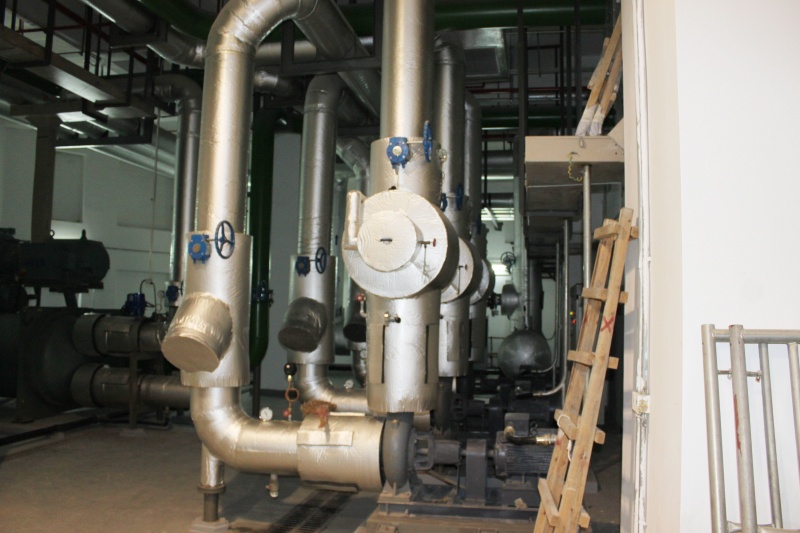
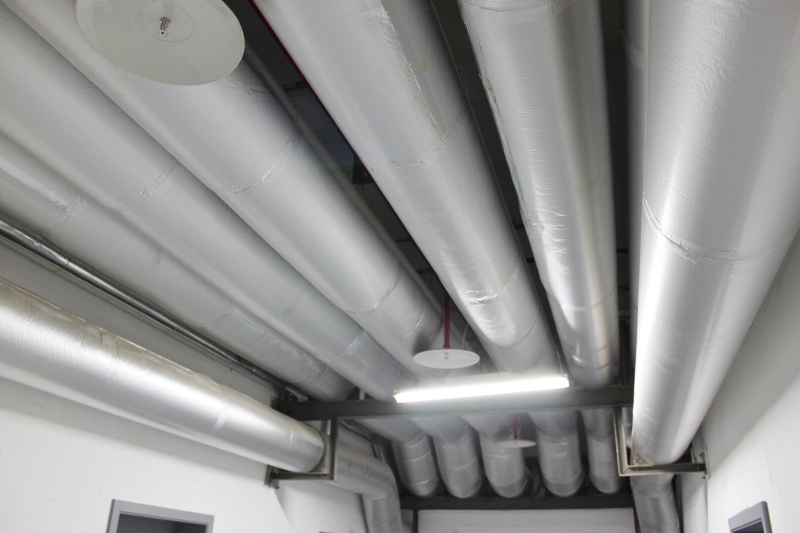
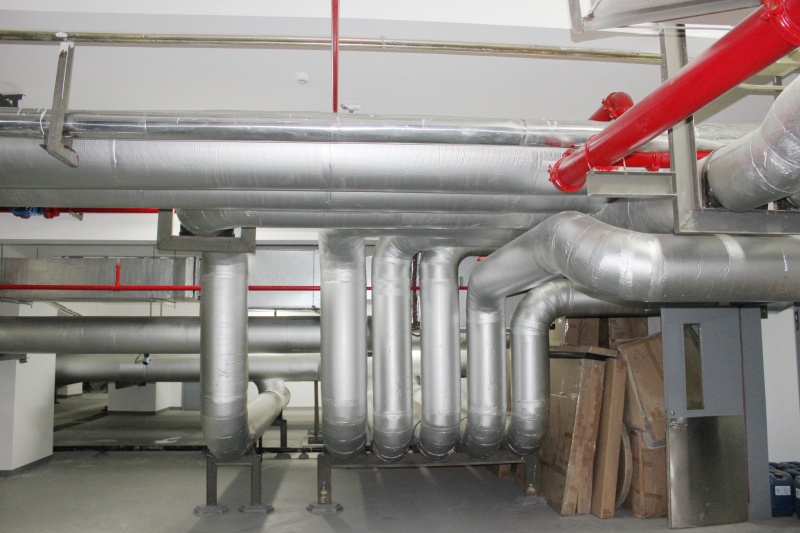
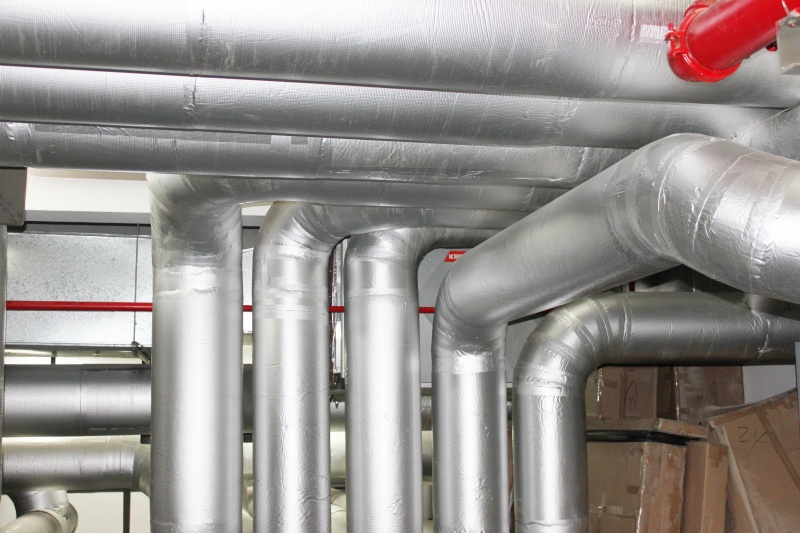
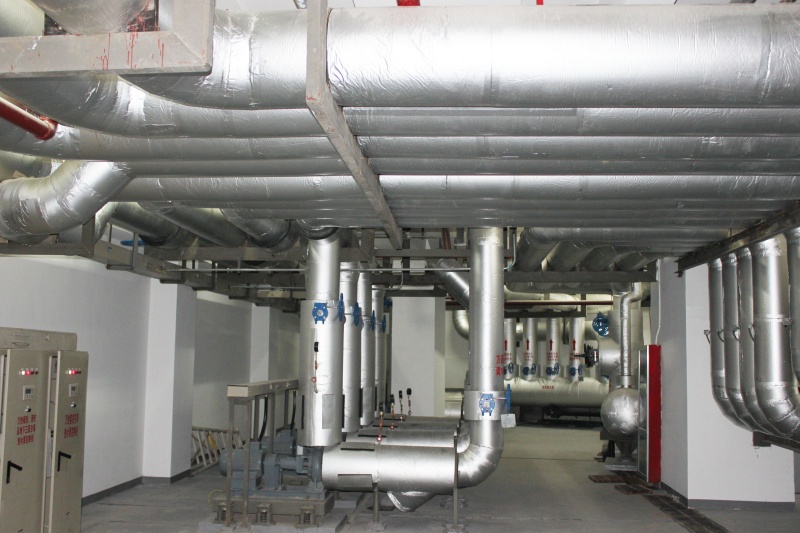
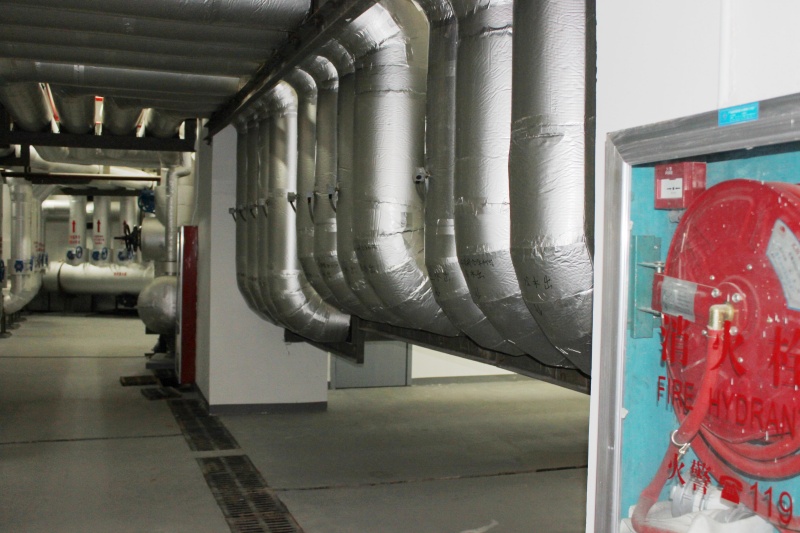
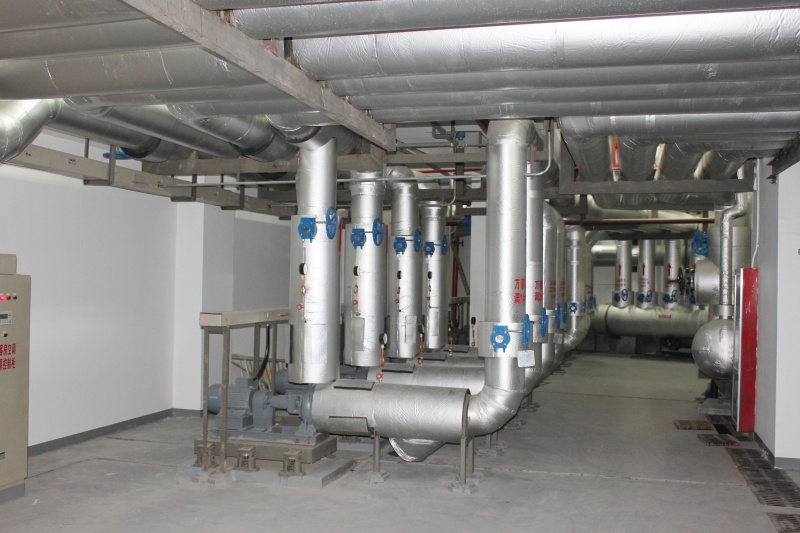
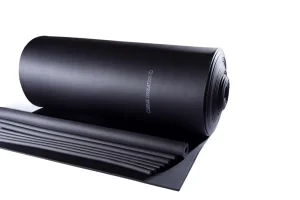
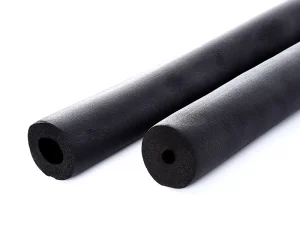
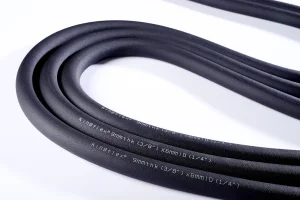
Kingflex elastomeric NBR/PVC rubber foam insulation solutions are categorized into sheets, rolls, and pre-formed tubes. These materials are formulated with a closed-cell matrix containing microscopic dry-air voids that restrict convection.

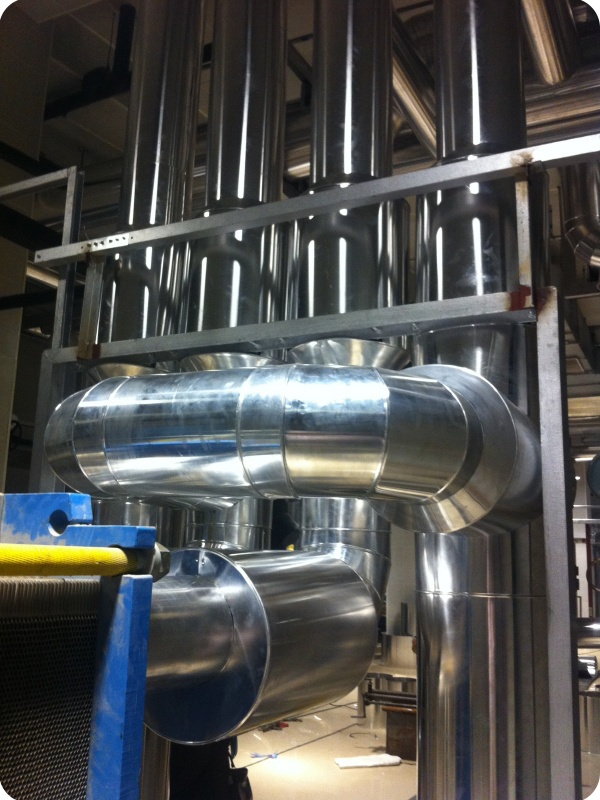
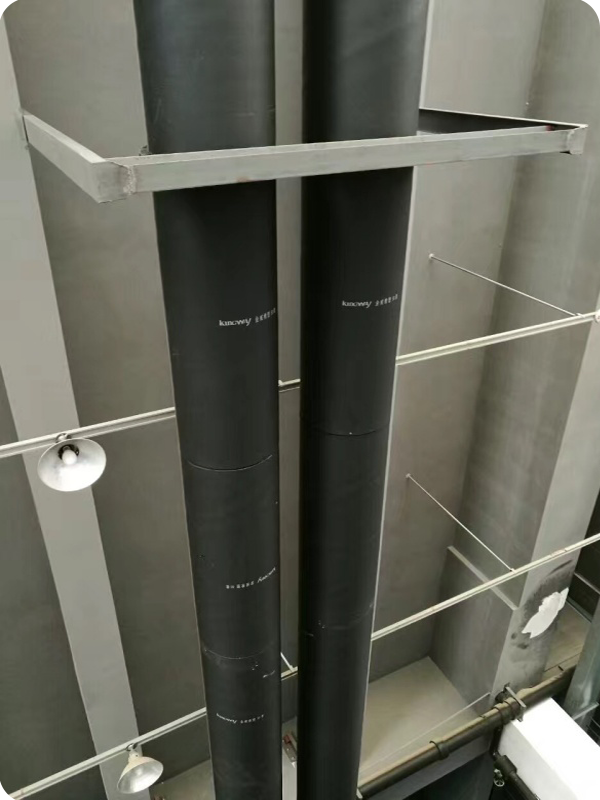
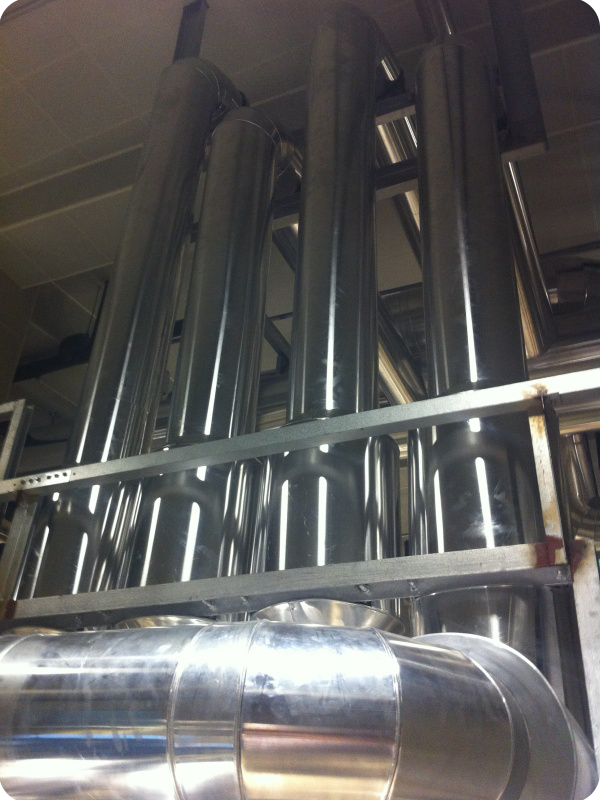
Kingflex thermal insulation systems are deployed across various commercial and industrial fields. Detailed specifications and thickness calculations are customized to meet the distinct demands of each sector:
Prevents external moisture ingress and surface condensation on refrigeration pipes and air ducts, supporting building climate control efficiency.
Provides chemical resistance and thermal control for process pipes handling volatile substances under varying temperatures.
Meets strict fire protection requirements (Class 0 and Class 1 ratings) and provides acoustic dampening for mechanical equipment rooms.
Maintains stable internal environments for refrigerated shipping containers, cargo storage facilities, and transportation systems.
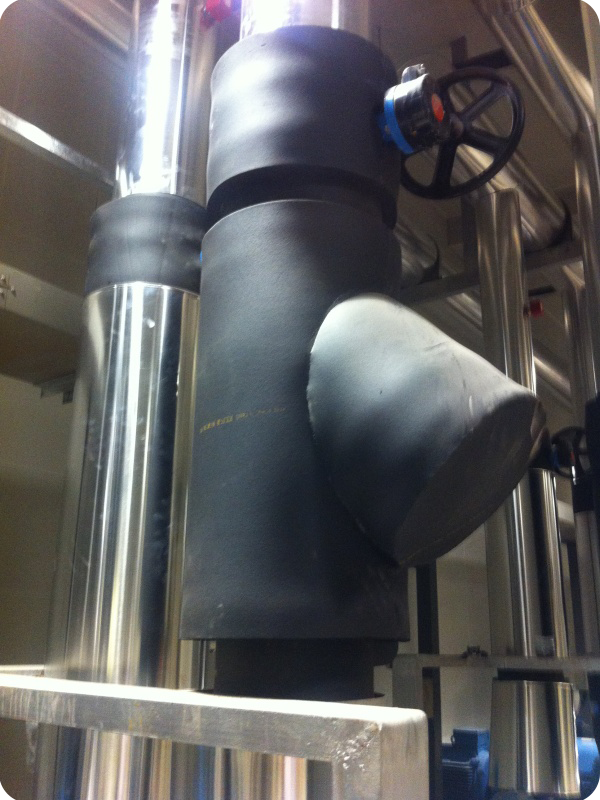
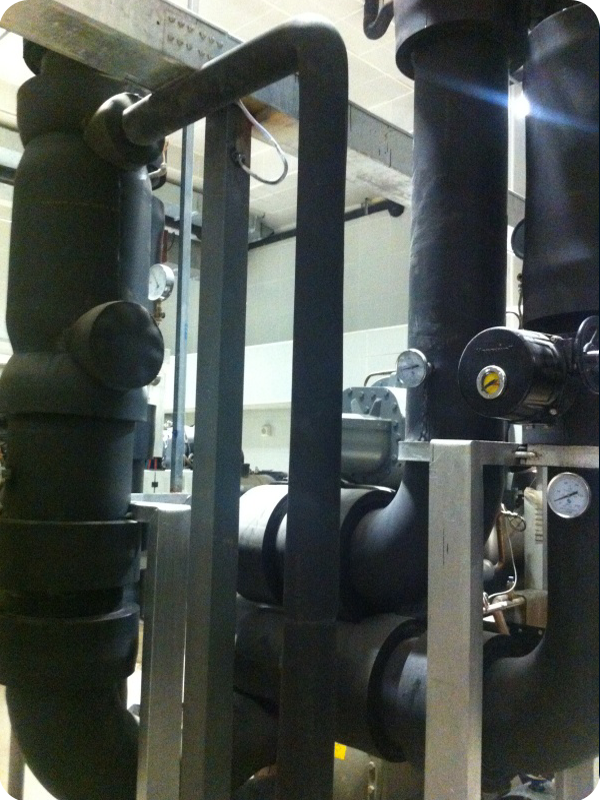
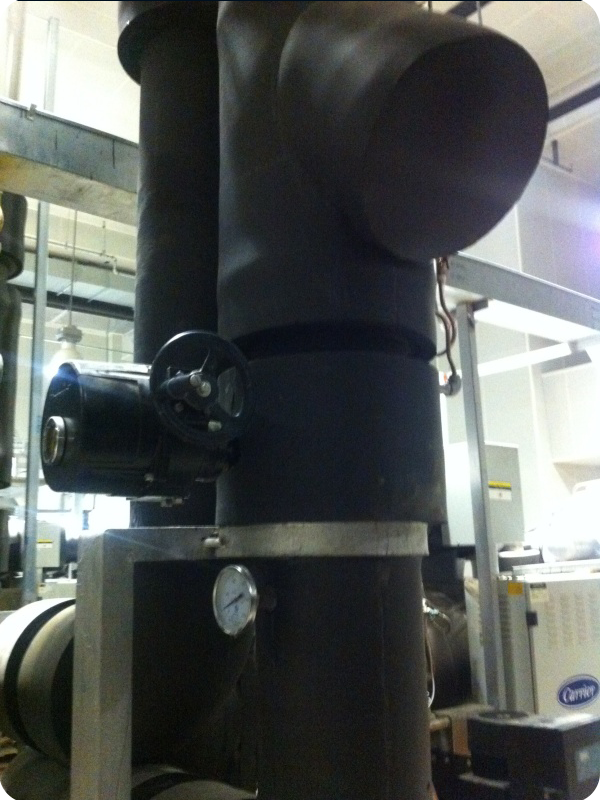
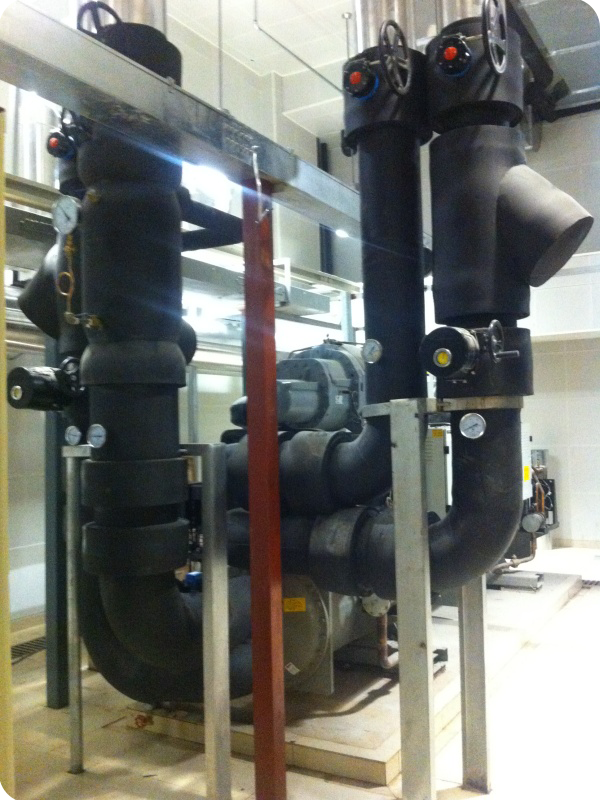
Kingflex supports tailored sizing, self-adhesive backing options, and custom density parameters. Our engineering teams review site measurements, relative humidity parameters, and design temperatures to recommend appropriate sheet thicknesses.


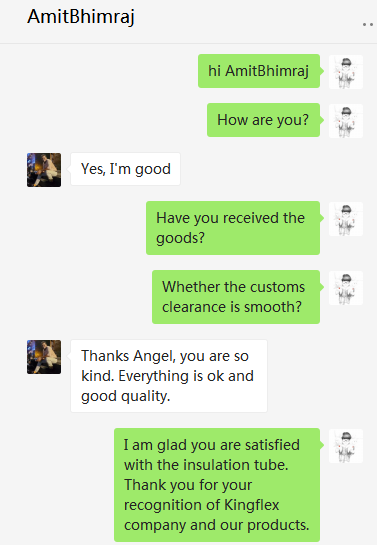


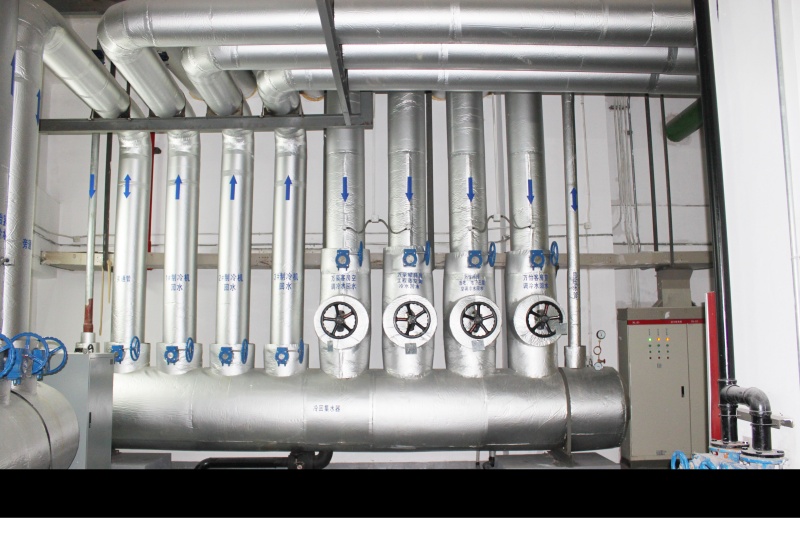












Kingflex continues to invest in material science R&D. The current development roadmap focuses on:
Developing polymer structures derived from renewable biological materials to reduce carbon footprint while maintaining low thermal conductivity.
Integrating silica aerogels into the rubber-plastic matrix to lower the thermal conductivity coefficient closer to 0.024 W/(m·K).
Implementing sensor systems within insulation wraps to monitor real-world thermal gradients and automatically predict degradation risk.
Detailed technical answers addressing common engineering queries regarding elastomer foam installation, calculations, and certification profiles.
Advanced Elastomeric Foam Systems for Cryogenics, Deep Cold & Anti-Aging Systems
 Kingflex