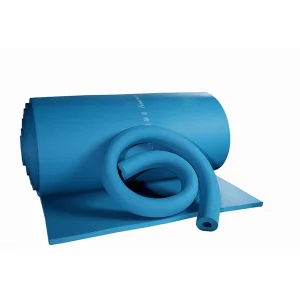
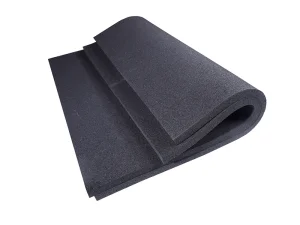
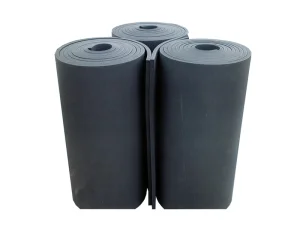
Discover our primary product lines certified for high moisture resistance and thermal stability across global infrastructure projects.
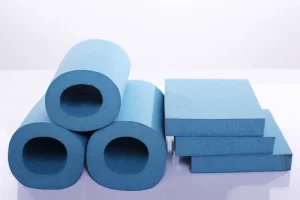
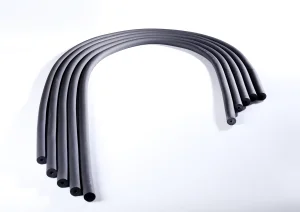
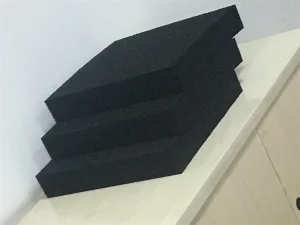
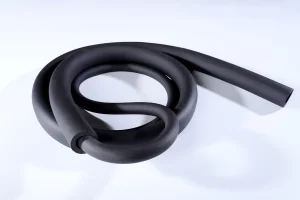
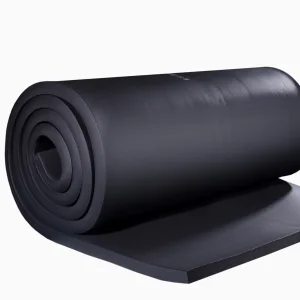
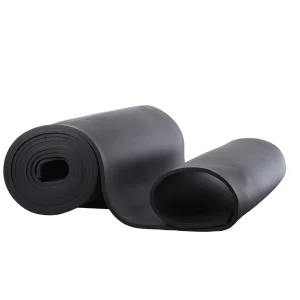
In modern building engineering, petrochemical processing, and cryogenic logistics, calculation of the exact insulation thickness is not merely a question of material conservation; it is a fundamental thermodynamics problem. Thermal insulation performance behaves non-linearly. Specifically, in cylindrical systems such as pipelines, adding insulation increases both the thermal resistance and the outer convective surface area. The interaction of these two physical mechanisms introduces the concept of the critical radius of insulation:
Where k represents the thermal conductivity of the insulation material (W/m·K) and h represents the external heat transfer coefficient (W/m²·K). If the outer radius of the piping system is less than the critical radius, adding insulation will counterintuitively increase the total rate of heat loss. Our Online Insulation Thickness Calculator applies ASTM C680 mathematical models to compute precise thickness values that optimize energy efficiency and prevent condensation.
For HVAC systems, chilled water lines, and cryogenic operations, the principal design objective is often condensation control. If the surface temperature of the insulation drops below the ambient dew point, water vapor will condense on the surface, initiating thermal degradation, corrosion under insulation (CUI), and fungal growth. The calculation for the minimum thickness to prevent condensation ($x$) is formulated as follows:
$$x = k \cdot \left( \frac{T_a - T_d}{T_d - T_i} \right) \cdot \frac{1}{h}$$
Where $T_a$ is the ambient temperature, $T_d$ is the dew point, $T_i$ is the internal fluid temperature, and $h$ is the surface coefficient of heat transfer. Because ambient humidity and wind velocity fluctuate dynamically, digital calculators are critical to ensure that system designs perform across varying environmental conditions.
Kingflex Insulation Co., Ltd. operates as a manufacturing and trading configuration specialized in high-performance thermal insulation solutions. Established by the Jinwei Group, which possesses over 40 years of industrial expertise (founded in 1979 as the pioneer manufacturer of thermal insulation materials north of the Yangtze River), Kingflex has structured its R&D and production facilities within Dacheng, China—the capital of green building materials.
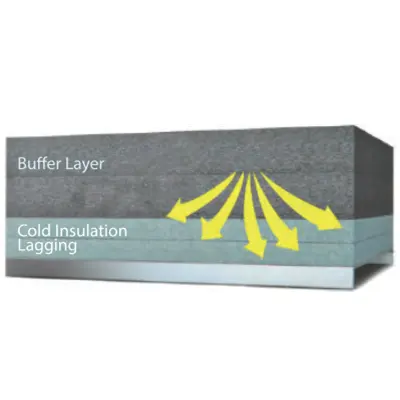
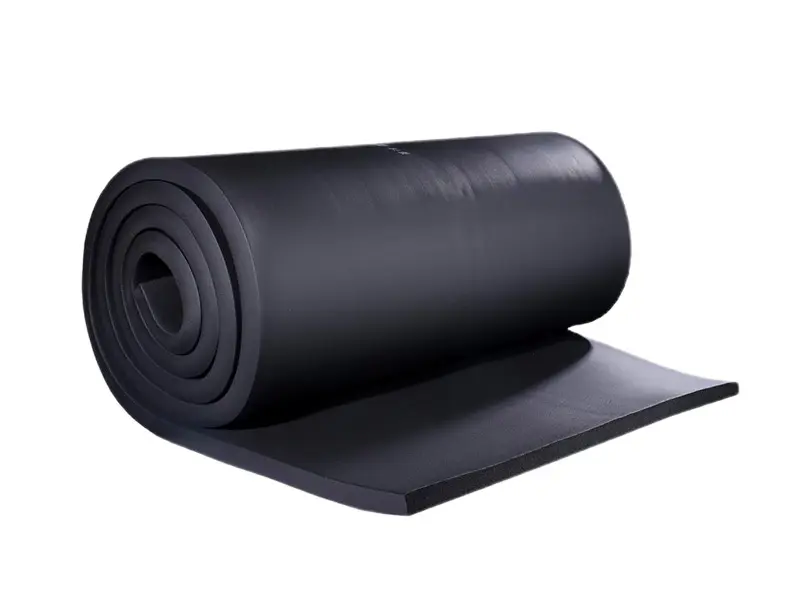
Operating five automated assembly lines, Kingflex maintains an annual production capacity exceeding 600,000 cubic meters. This operational volume has earned the company official designations from the Ministry of Energy, the Ministry of Electric Power, and the Ministry of Chemical Industry. The core manufacturing focus centers on closed-cell rubber foam elastomeric structures that retain stable thermal conductivity ($\lambda \le 0.034$ W/m·K at 0°C) over extended life cycles.

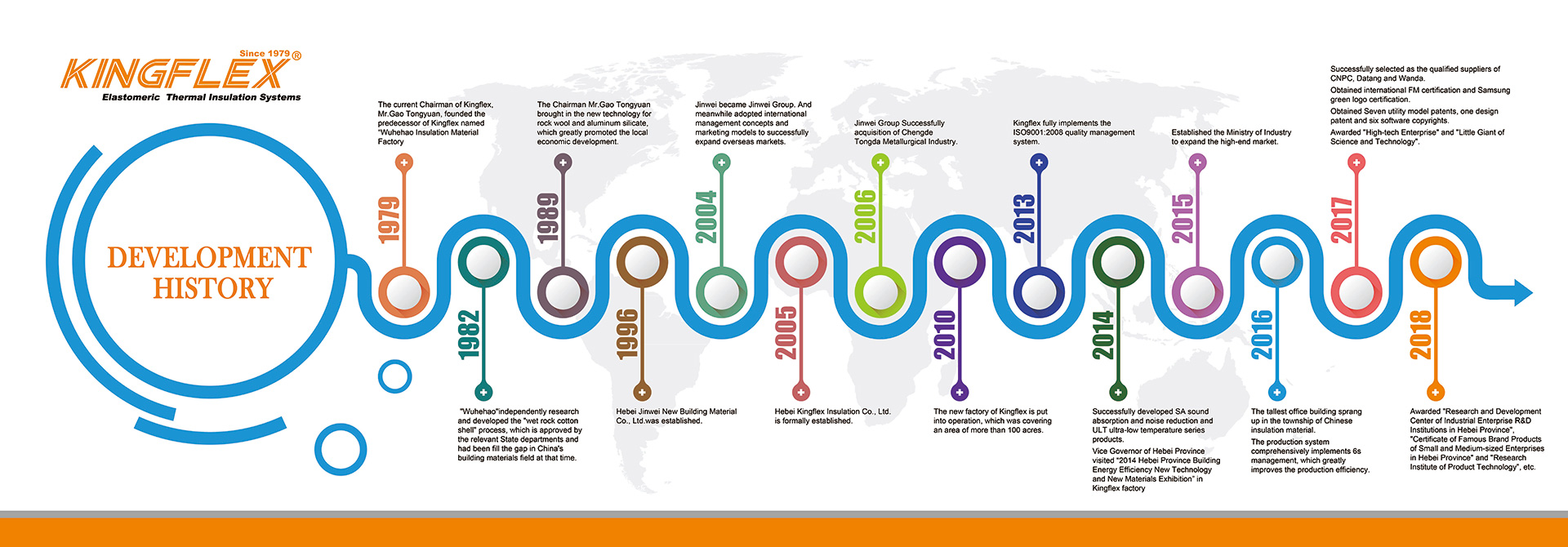
Since the foundation of the Jinwei Group in 1979, the enterprise has driven the evolution of insulation manufacturing technology from manual batch operations to modern, continuous continuous-foaming lines. This industrial lineage informs Kingflex’s approach to materials engineering, ensuring that all structural foam cells are closed at a rate exceeding 98%.
The organizational staff constitutes a highly coordinated engineering team. Kingflex deploys 8 professional engineers in the R&D department, 6 professional international sales, and 230 workers in the production department. The technical group continuously refines the NBR/PVC polymer blend ratios to achieve optimal fire-retardant performance and thermal properties.

Our R&D division is equipped with thermal conductivity testing devices, smoke density chambers, and automated moisture absorption analyzers. This allows the team to simulate environmental conditions ranging from ultra-low cryogenic limits (-196°C) to high-pressure steam environments (105°C).
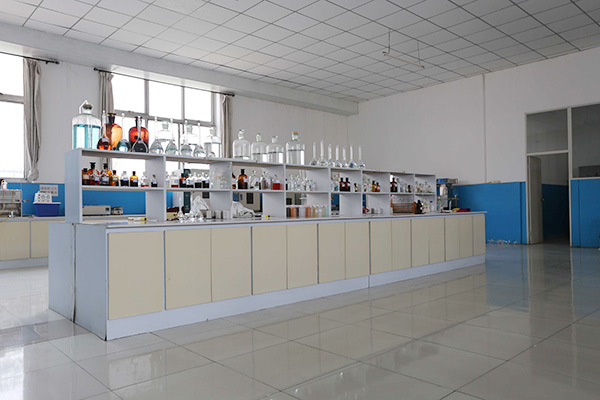

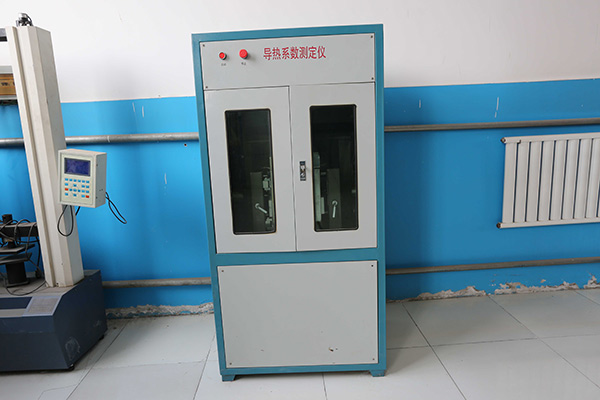
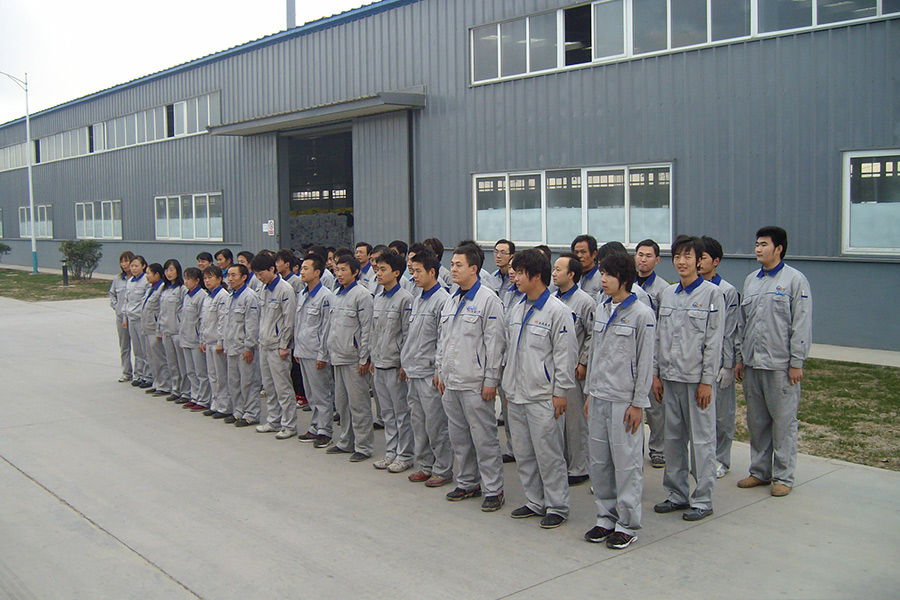
Decades of manufacturing precision, verified through global deployment and technical validation.
Procurement teams in regions such as the European Union, North America, and the Middle East face complex challenges when sourcing elastomeric insulation. They must balance environmental regulations with long-term capital expenditure efficiency. The primary challenge is verifying the integrity of performance claims. Many low-grade manufacturers produce open-cell structures that absorb moisture, resulting in a dramatic increase in thermal conductivity.
By utilizing an Online Insulation Thickness Calculator, engineers can specify the exact material parameters required, allowing procurement teams to generate precise quotes based on data rather than estimates. Kingflex helps eliminate these discrepancies by providing transparent, test-backed material specifications.
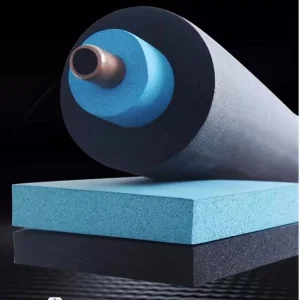
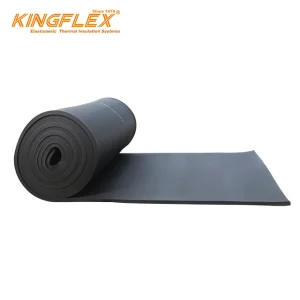
The tables below outline the structural and dimensional characteristics of our standard NBR/PVC elastomeric foam products, manufactured in accordance with ASTM and BS international standards.
| Material Core | Thickness Scope | Density Range | Operational Temperature Limit | Closed-Cell Percentage |
|---|---|---|---|---|
| NBR/PVC Elastomeric Matrix | 6mm - 50mm | 40 - 55 kg/m³ | -40℃ to 105℃ | > 98% |
| Material Core | Thickness Scope | Inner Diameter (ID) Range | Density Range | Compression Resilience |
|---|---|---|---|---|
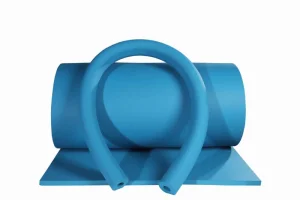
| NBR/PVC Elastomeric Matrix | 9mm - 40mm | 6mm - 114mm | 40 - 55 kg/m³ | > 80% |
Prevents surface condensation on air ducts and chilled water piping in commercial HVAC installations.
Maintains thermal stability on process piping, steam transport systems, and chemical vessels.
Insulates pipelines and storage vessels in ultra-low temperature and liquefied gas logistics.
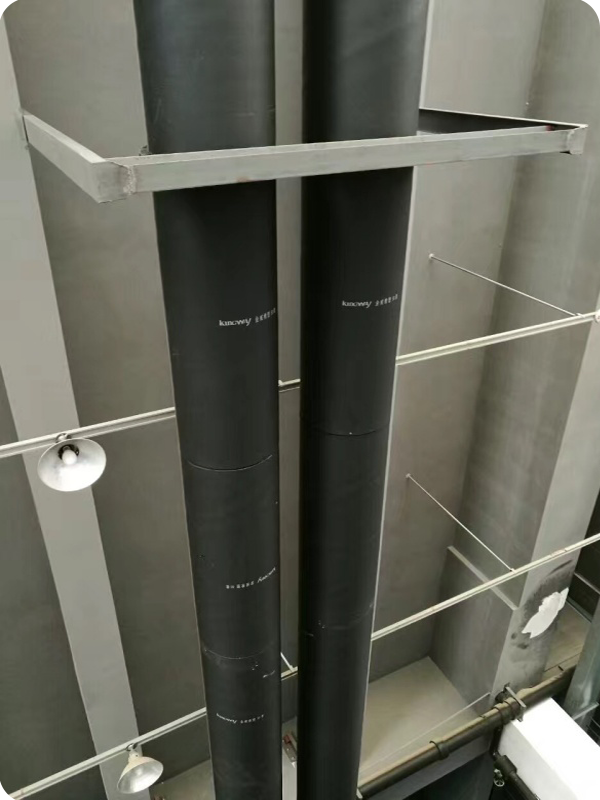
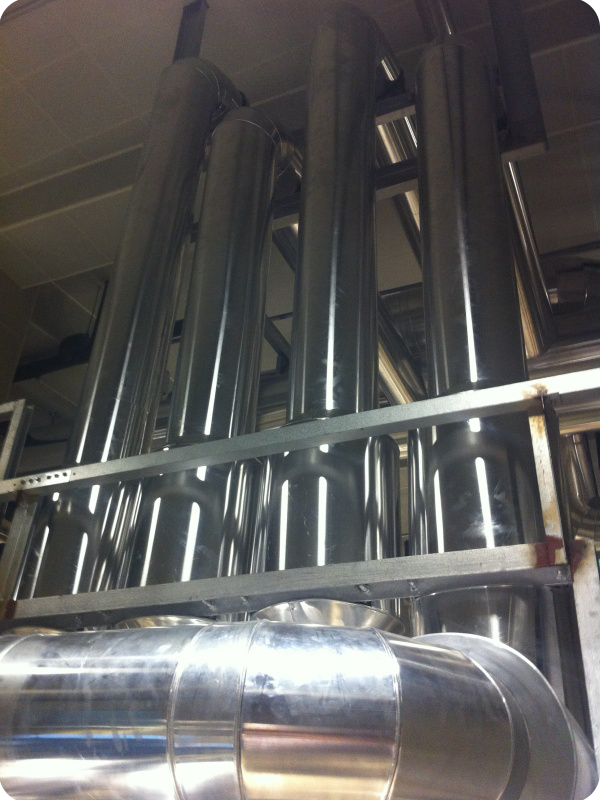
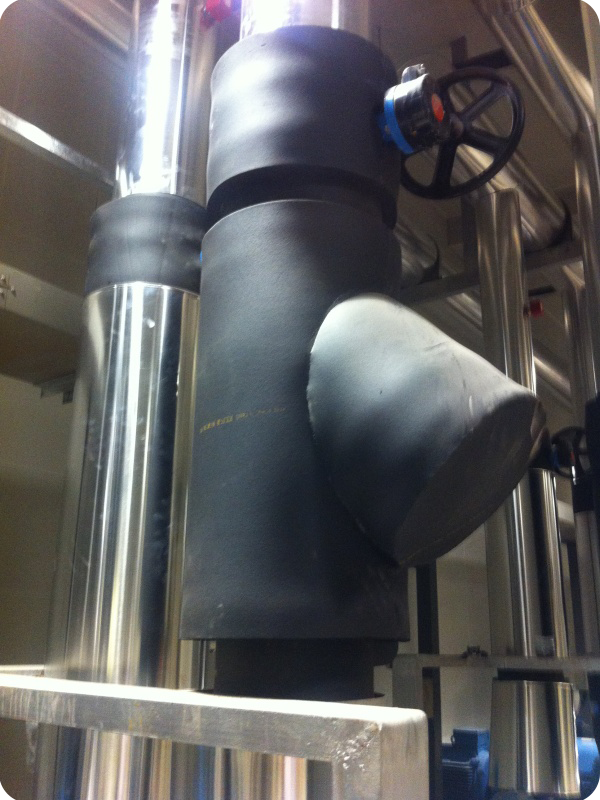
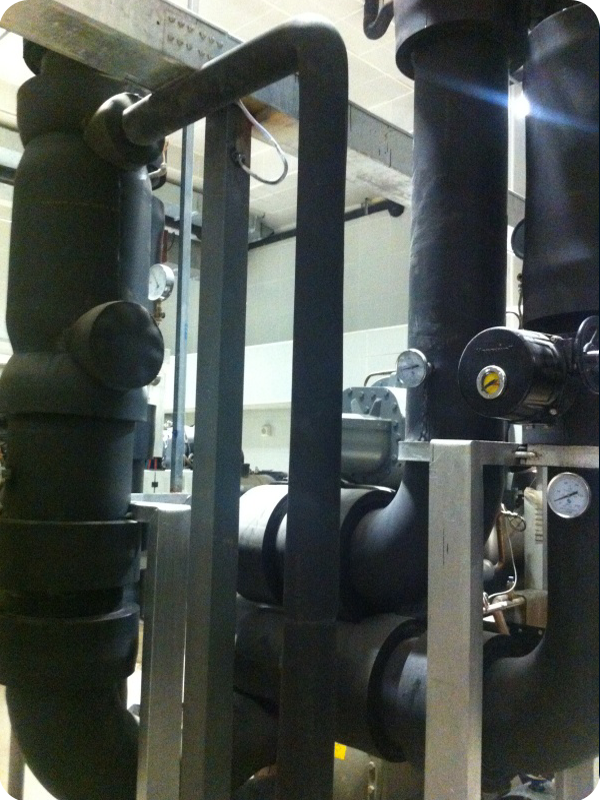
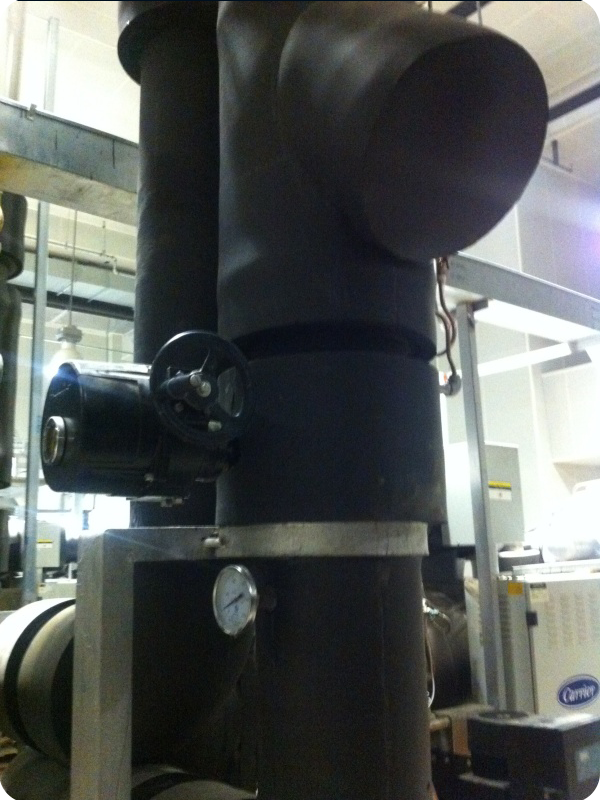
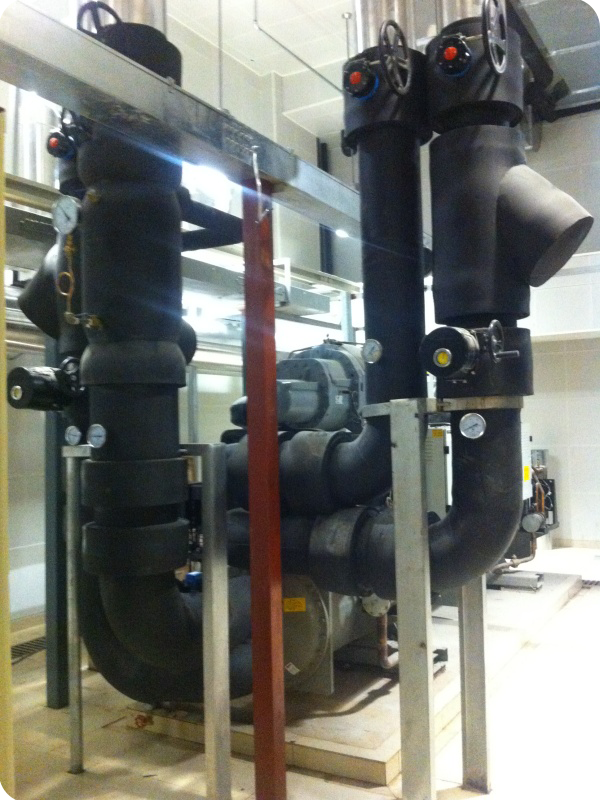
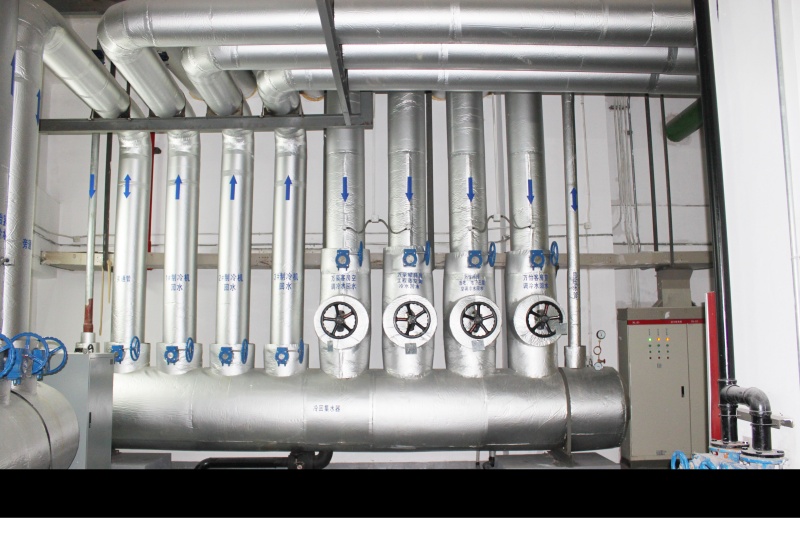
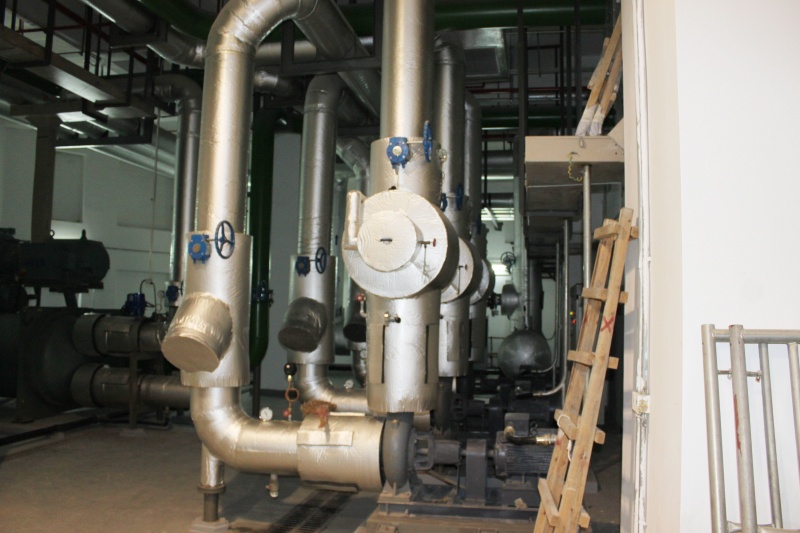
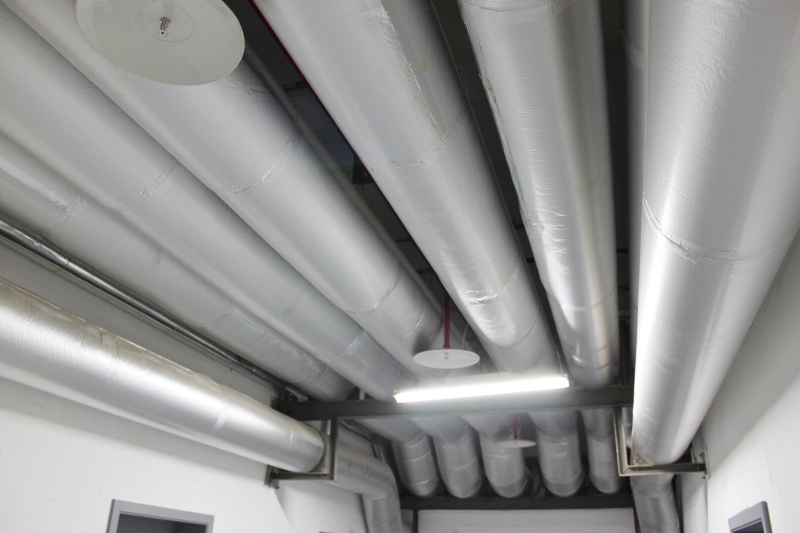
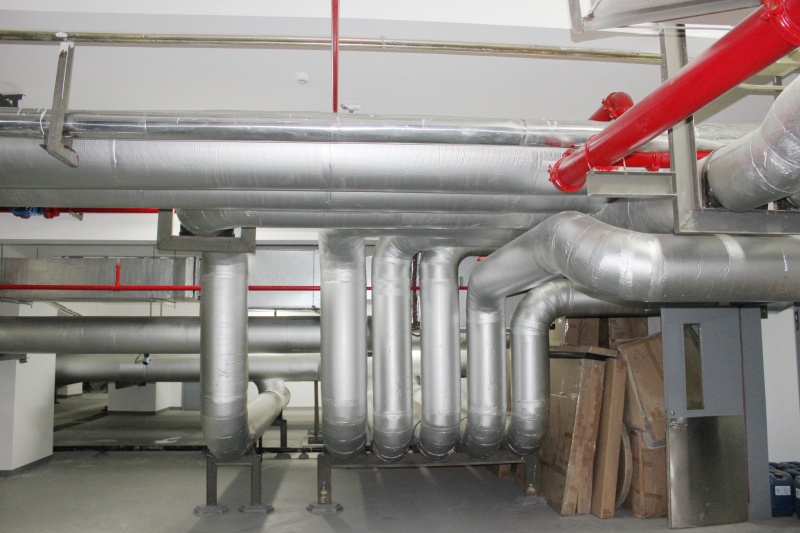
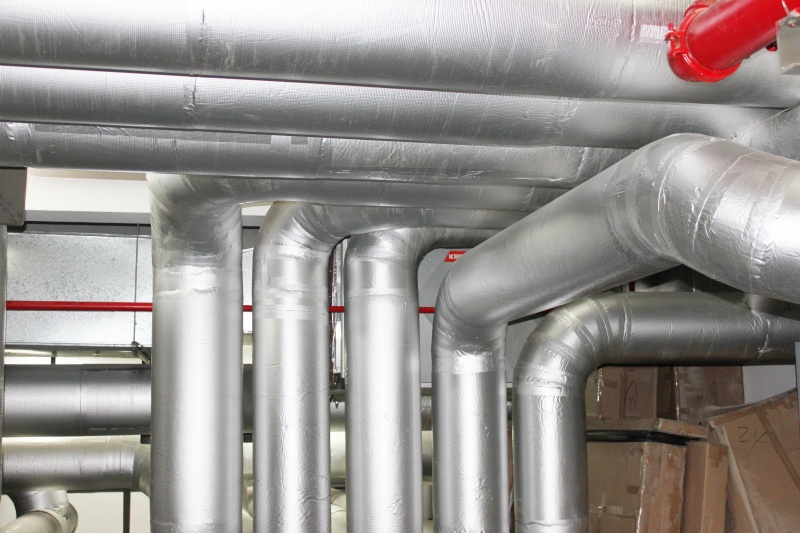
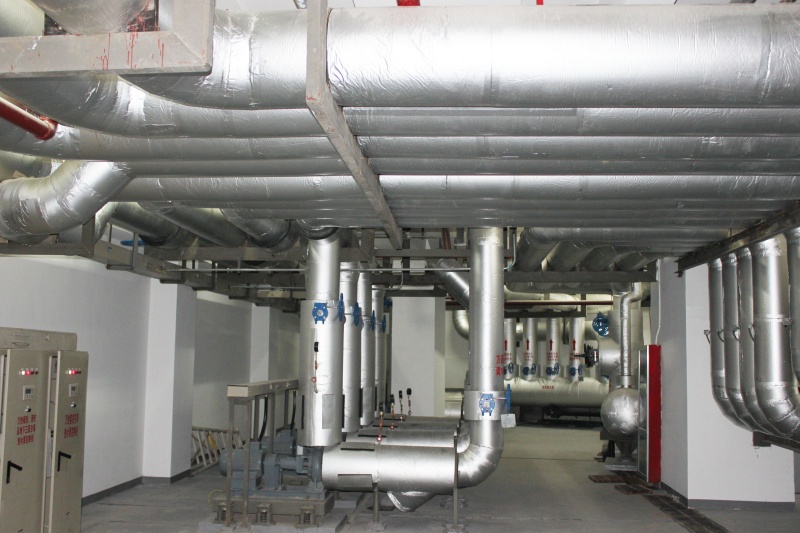
Visual evidence of manufacturing precision, material quality inspection, and architectural integrations.

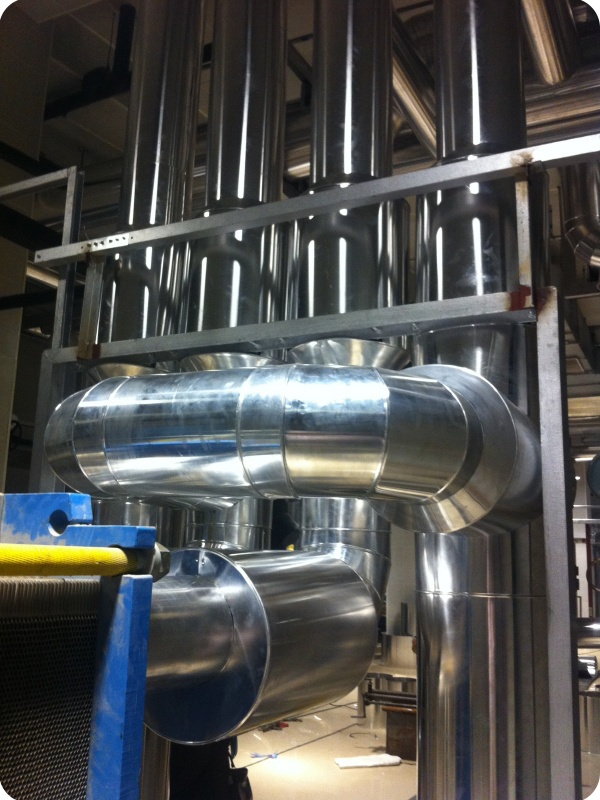



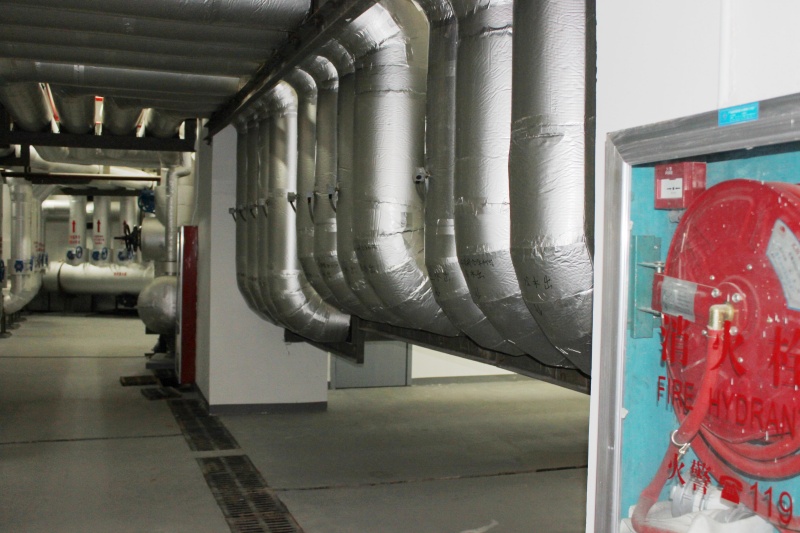
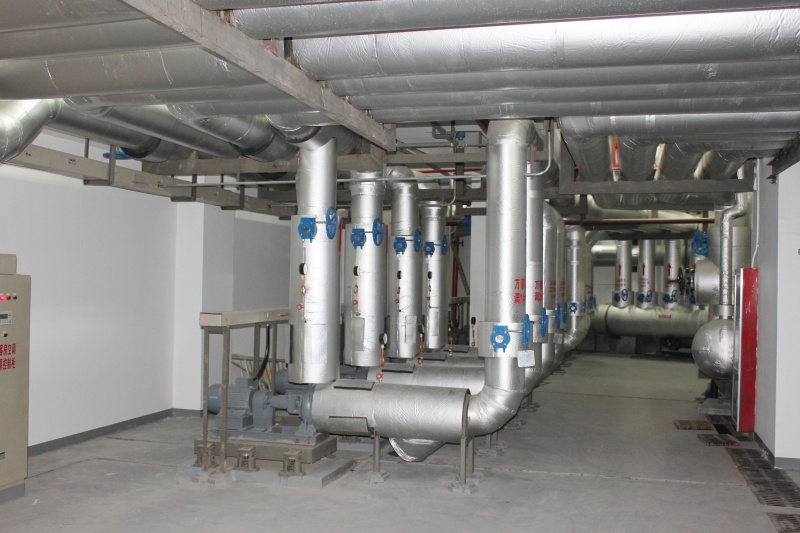

Explore our catalog of certified elastomeric, rock wool, and sound attenuation products.
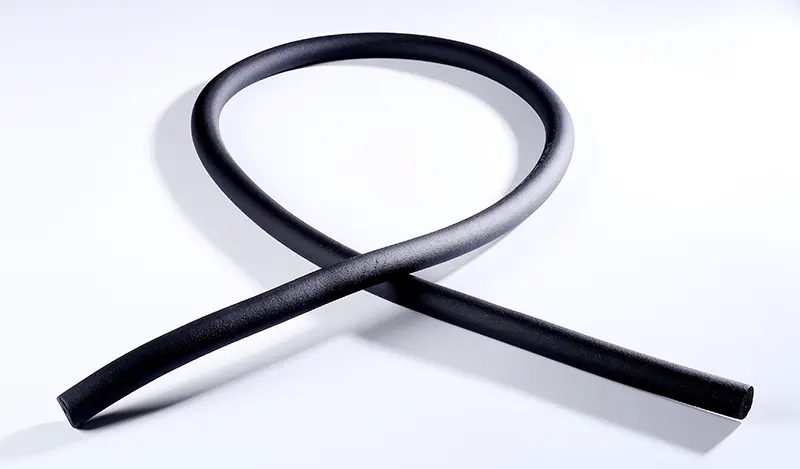


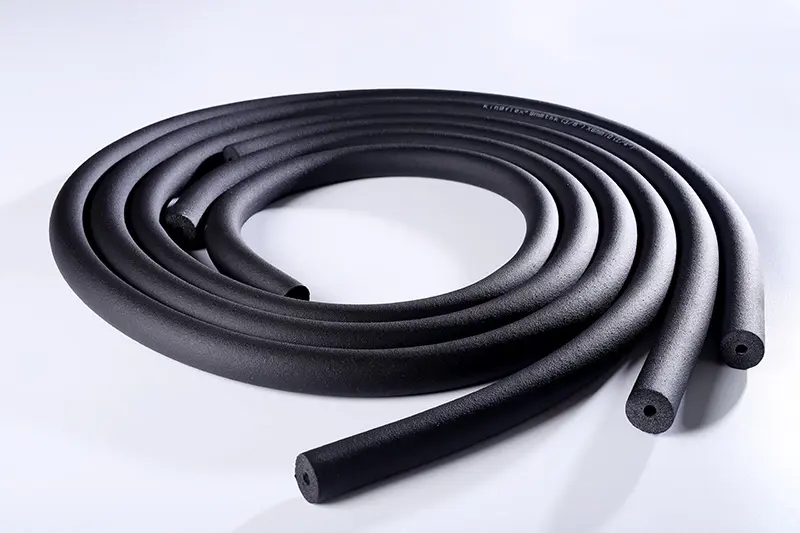
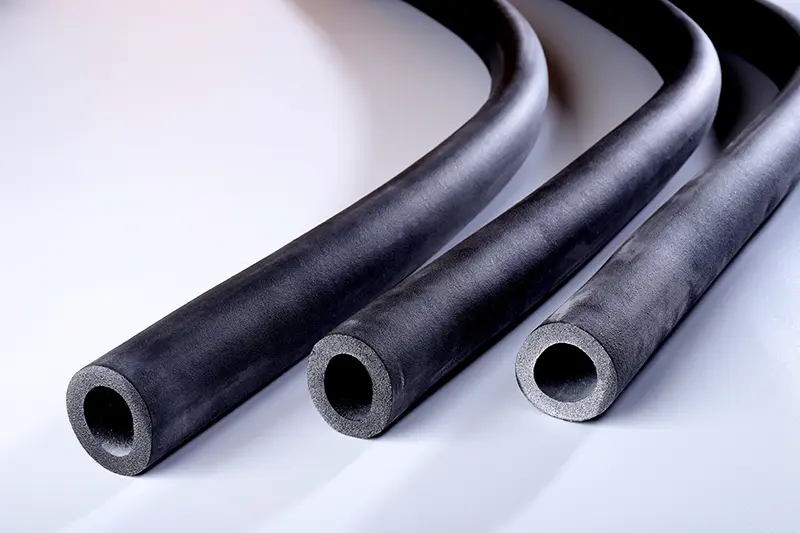


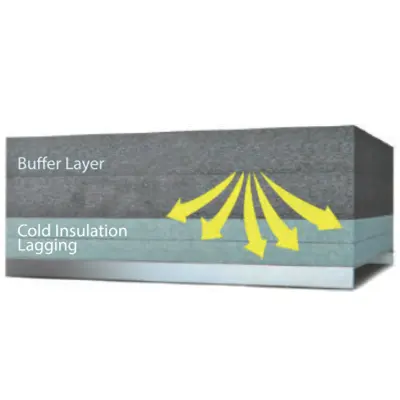

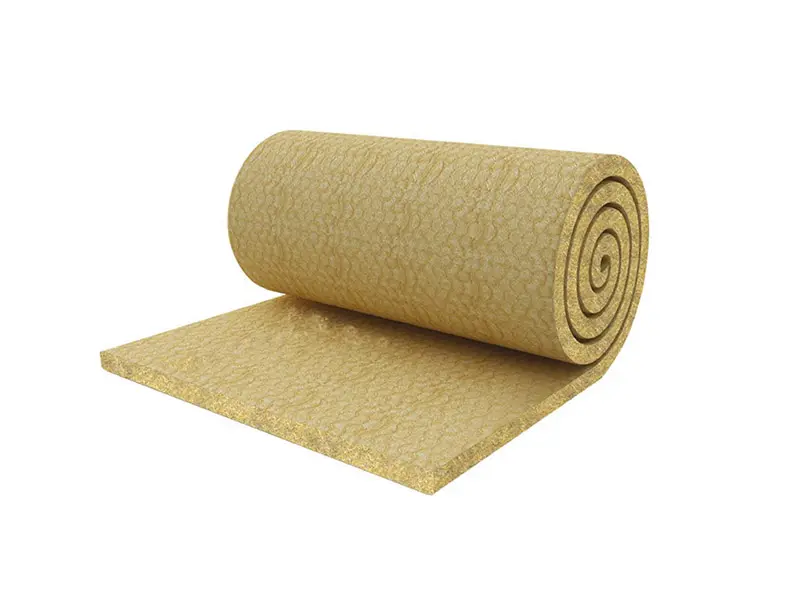
Our industrial manufacturing capacity covers all thermal performance classes. You can navigate directly to specialized categories using the quick access links below.
Kingflex products undergo third-party evaluation to ensure alignment with international engineering specifications.
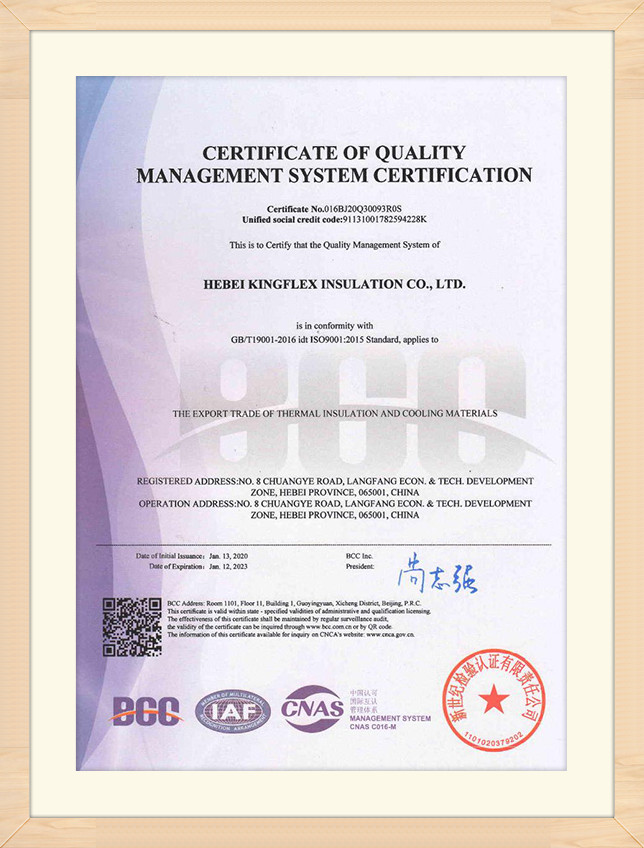


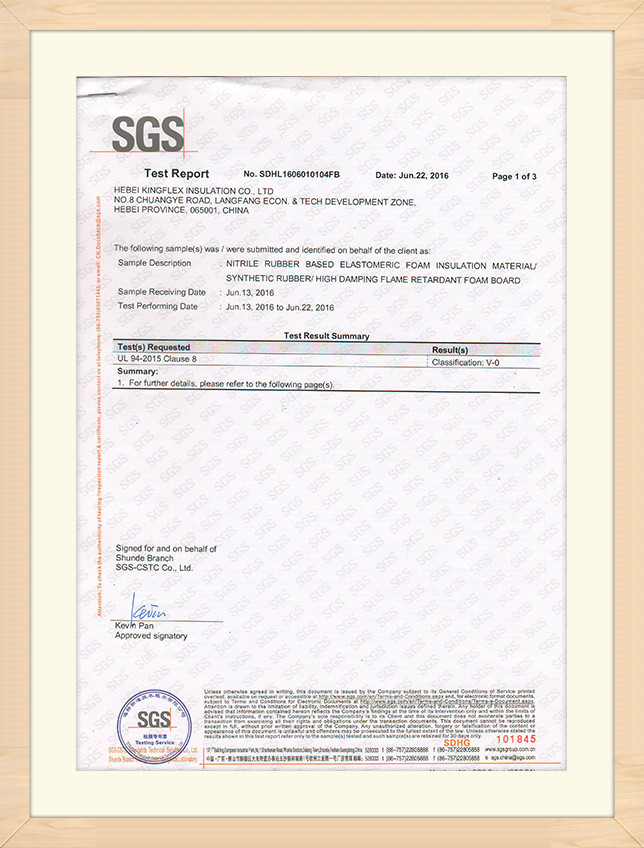
Every production run at Kingflex is assigned a batch tracking code. From the compounding stage of NBR and PVC raw polymers to continuous extrusion, vulcanization, and foaming, our quality control team tests samples from each batch. This data is logged into our ERP system to verify that the thermal conductivity and cell structure of the final products match specified parameters.
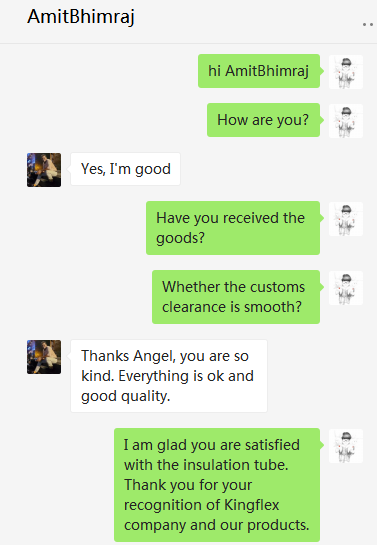
Transparent order updates and client consultation screenshots showing our active verification process.




Technical answers compiled by our R&D team to address key thermal dynamics and compliance questions.
Additional NBR/PVC elastomeric formulations and thermal systems for global shipping and supply chains.
 Kingflex