Engineered to eliminate condensation, maximize thermal efficiency, and attenuate environmental noise.
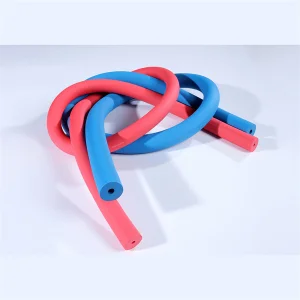
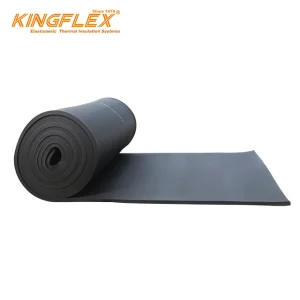
In modern high-performance HVAC systems, return air duct insulation is not merely an optional installation consideration; it is a critical thermodynamic necessity. While many design engineers focus exclusively on supply air ducts, return air paths present unique challenges regarding latent heat gain and localized condensation risks. Uninsulated or poorly insulated return ducts passing through unconditioned plenums absorb significant radiant and convective heat. This increases the load on air handling units (AHUs), decreasing the overall system coefficient of performance (COP).
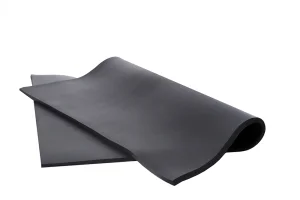
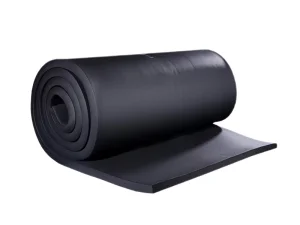
Elastomeric closed-cell NBR/PVC insulation represents the benchmark material for addressing these energy drains. Offering an exceptionally low thermal conductivity ($\lambda \le 0.034 \text{ W/(m}\cdot\text{K)}$ at $0^\circ\text{C}$), it creates an impermeable barrier against thermal transfer. The integrated closed-cell matrix encapsulates millions of micro-bubbles of dry air, which limits convective heat exchange within the material itself. This prevents thermal bridges, ensuring that the return air reaches the cooling coils at design temperatures, optimizing refrigeration cycle efficiency.
Condensation forms when the surface temperature of the return air duct falls below the ambient dew point. In high-humidity climates or unconditioned ceiling plenums, this thermal differential can lead to liquid water accumulation. The resulting moisture can ruin acoustic ceiling tiles, degrade structural components, and create a breeding ground for mold and mildew (such as *Aspergillus* or *Stachybotrys*).
Because Kingflex elastomeric foam possesses a built-in water vapor permeability resistance factor ($\mu \ge 10,000$), it eliminates the need for separate vapor barriers. Even if the outer surface is scratched, the internal closed-cell structure prevents moisture migration, maintaining its dry, high-insulating value indefinitely.
The shifting paradigm toward low-carbon footprints, commercial compliance, and supply chain integrity.
Worldwide green building protocols, including LEED v4.1, BREEAM, and DGNB, now mandate strict operational energy limits and material ingredient disclosures. Project developers prioritize elastomeric insulation because it is free of CFCs, HFCs, and fibers, ensuring indoor air quality (IAQ) compliance and contributing to thermal comfort credits.
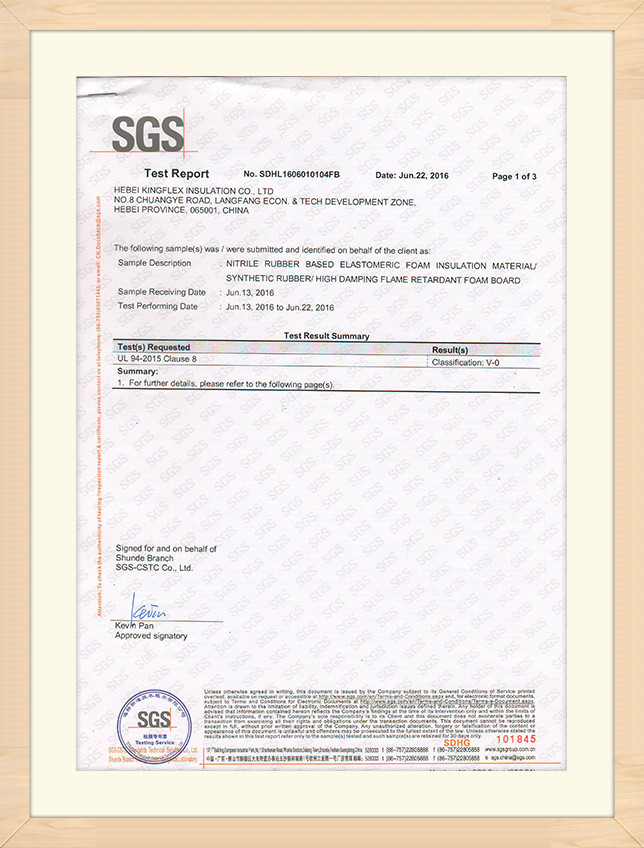
Procurement parameters require compliance with rigorous international fire standards. Kingflex products are engineered to meet British Standard BS 476 Class 0, European EN 13501-1 (Class B-s3, d0), and American ASTM E84, providing excellent self-extinguishing properties and minimal smoke development in fire situations.
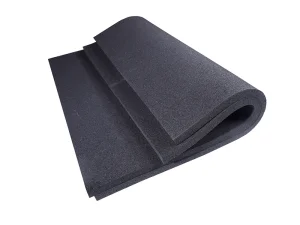
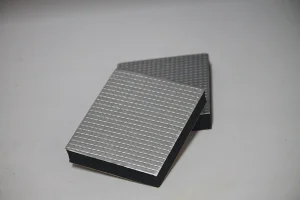
With HVAC systems operating at higher volumetric flow rates, return duct noise transmission (crosstalk) is a common issue. Specifying sound absorption thermal insulation sheets on return paths effectively dampens mechanical fan hums and air turbulence, creating quieter indoor environments.
In the highly competitive commercial HVAC landscape, supplier reliability is just as critical as thermal specs. Kingflex's manufacturing hub in Dacheng, China, leverages Factory 4.0 automation principles. Operating 5 fully automated continuous extrusion lines, we minimize human error and ensure uniform cell structures across all batches. By localizing our raw material sourcing for NBR rubber and PVC polymers, we insulate our global clients from supply chain disruptions, offering competitive factory-direct pricing with dependable lead times.
Kingflex Insulation Co., Ltd. is a professional manufacturing and trading combo for thermal insulation products. Kingflex research development and production department is located in the well-known capital of green building materials in Dacheng, China. It is an energy-saving, environmentally friendly enterprise concentrated on research, development, production, and sales. In operation, Kingflex takes energy saving and consumption reduction as its core concept. We provide insulation solutions by means of consultation, research and development, production, installation guidance, and post-sale service to lead the development of the global building materials industry.
Established by the Jinwei Group, which possesses more than 40 years of history, Kingflex carries forward a rich legacy. The Kingway Group, established in 1979, was the first manufacturer of thermal insulation materials north of the Yangtze River. Today, this experience translates into unmatched product consistency and engineering depth.

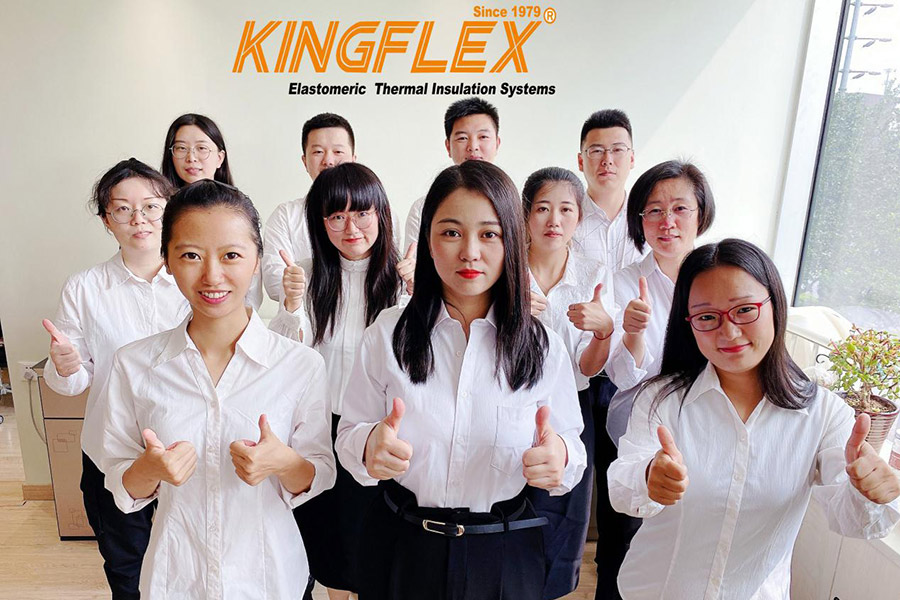
Our employees are amazing in their own right, but together they make Kingflex a rewarding and collaborative place to work. The Kingflex team is a close-knit, talented group with a shared vision of providing consistently first-class service to our clients. Our structure includes 8 professional engineers in our R&D Department, 6 international sales consultants, and 230 skilled production professionals.
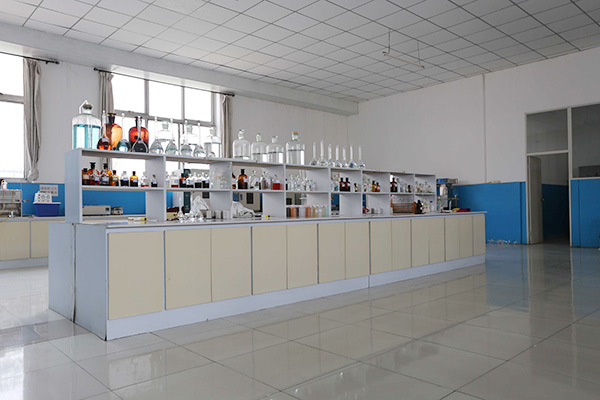
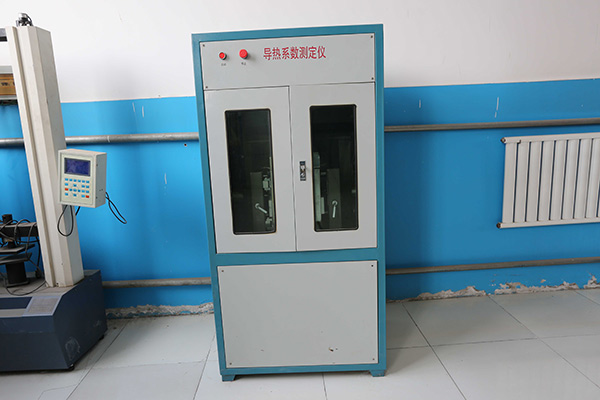
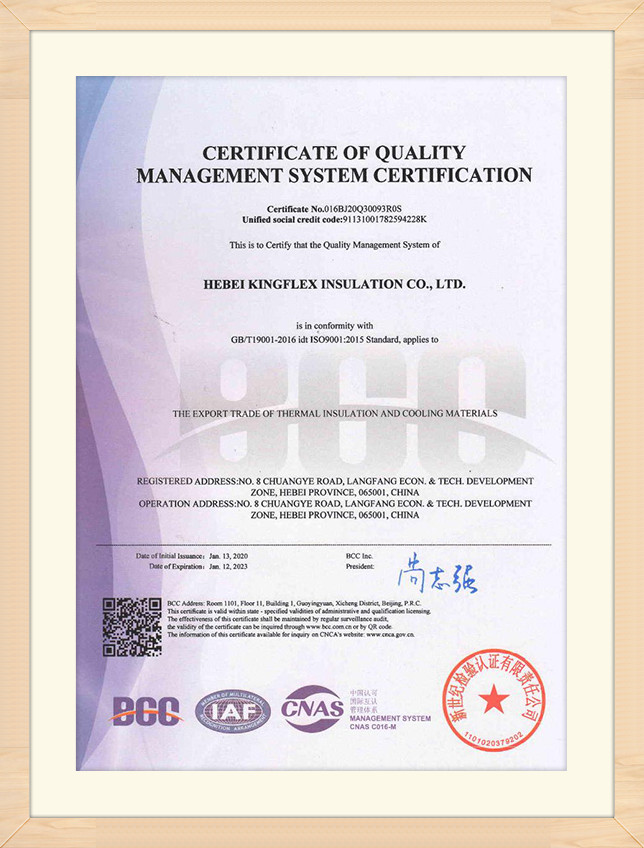
Our state-of-the-art laboratory continually evaluates thermal performance, flame spread limits, smoke toxicity indices, and mechanical longevity. This rigorous quality control ensures that every cubic meter of elastomeric foam meets the highest international certifications before dispatch.



Tailoring elastomeric configurations to meet specific environmental conditions.
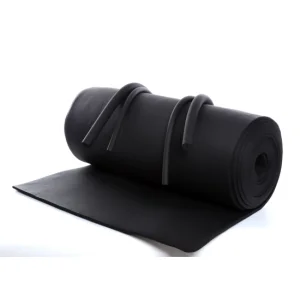
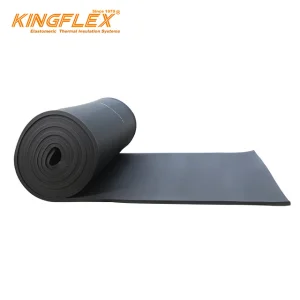
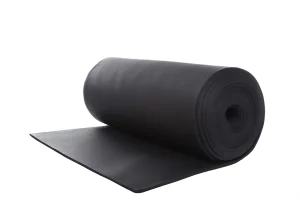
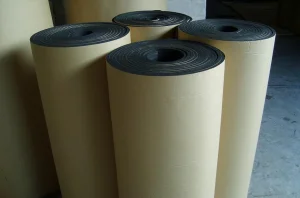
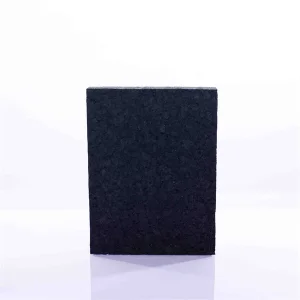
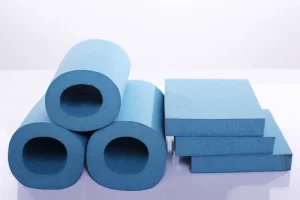
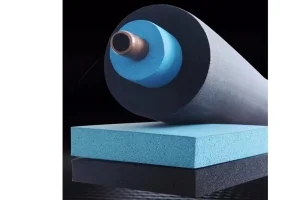
Installed as external wraps or internal duct liners. Internal installations attenuate fan-induced noises, while external wraps prevent condensation in unconditioned service plenums. The NBR/PVC composition provides resistance to moisture vapor intrusion, maintaining performance over time.
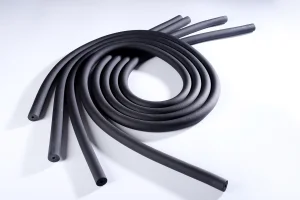
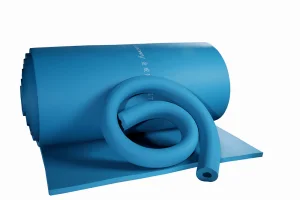
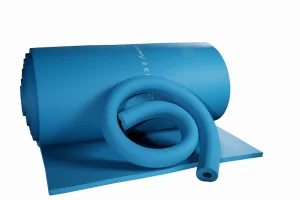
Return air systems often run parallel to cold water supply lines, which are highly vulnerable to condensation. Fitting closed-cell elastomeric pipe insulation blocks thermal transfer and protects structural assemblies from water damage.
| Parameters | Standard Specifications | Testing Standards & Compliance |
|---|---|---|
| Material Base | Premium NBR (Nitrile Butadiene Rubber) / PVC Blend | ASTM D1667 / ISO 1923 |
| Density Range | 40 kg/m³ to 55 kg/m³ | ASTM D1622 / ISO 845 |
| Thickness Availability | 6 mm to 50 mm | Custom OEM thicknesses on request |
| Thermal Conductivity ($\lambda$) | $\le 0.034 \text{ W/(m}\cdot\text{K)}$ at $0^\circ\text{C}$ | ASTM C518 / ISO 8301 |
| Water Vapor Diffusion Resistance ($\mu$) | $\ge 10,000$ | EN 12086 / ASTM E96 |
| Service Temperature Range | $-40^\circ\text{C}$ to $+105^\circ\text{C}$ (Cryogenic options available) | ASTM C411 |
| Fire Performance Class | Class 0 (BS 476 Part 6 & 7) / Class B-s3, d0 (EN 13501) | UL 94 V-0 / ASTM E84 Class A |
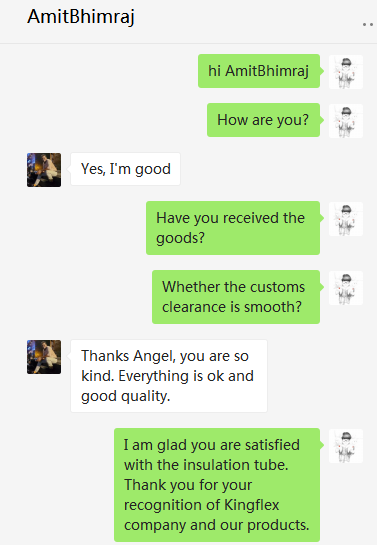
Highlighting our global project footprints, client satisfaction screenshots, and advanced production lines.




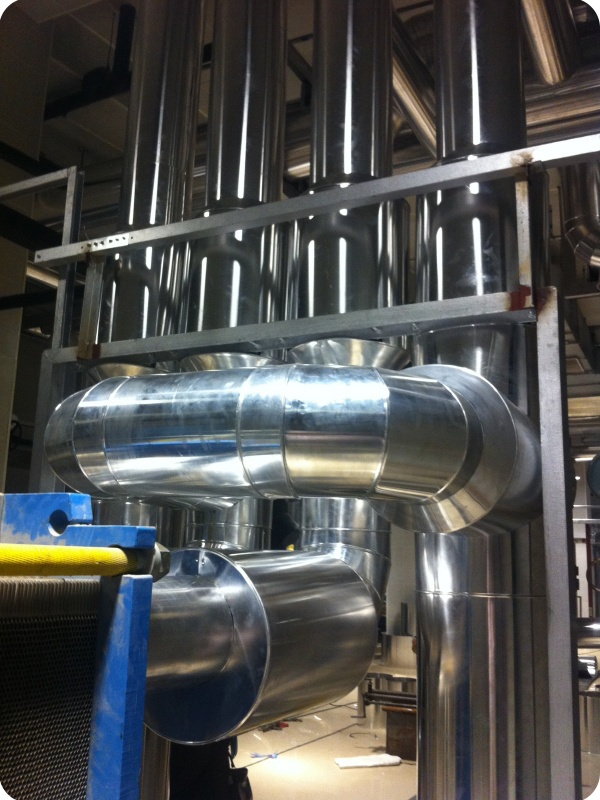
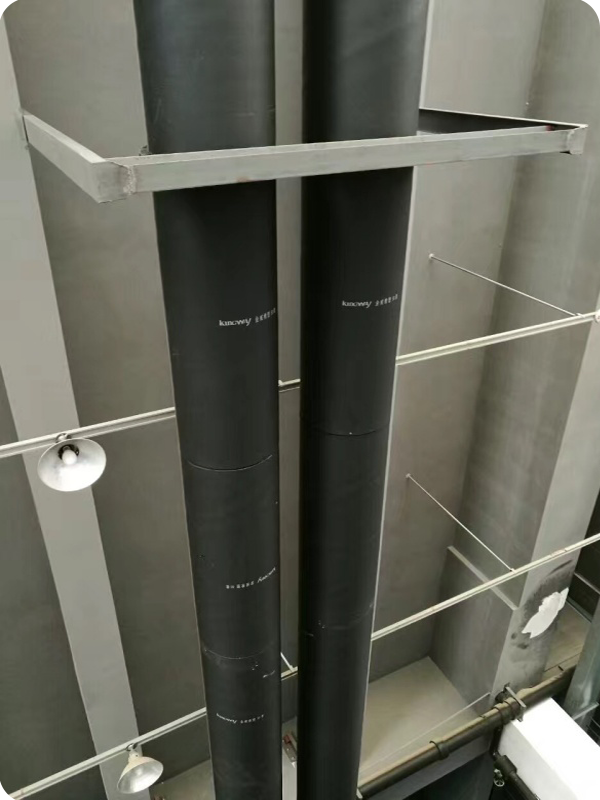
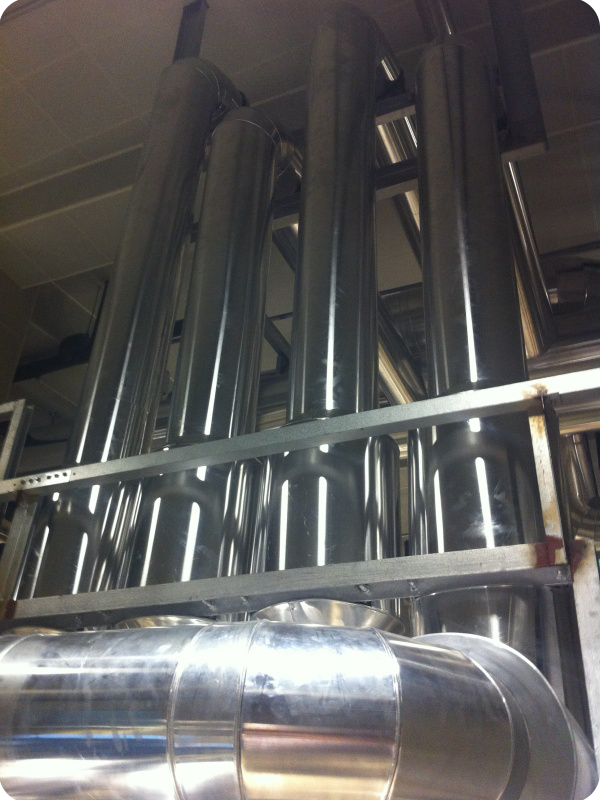
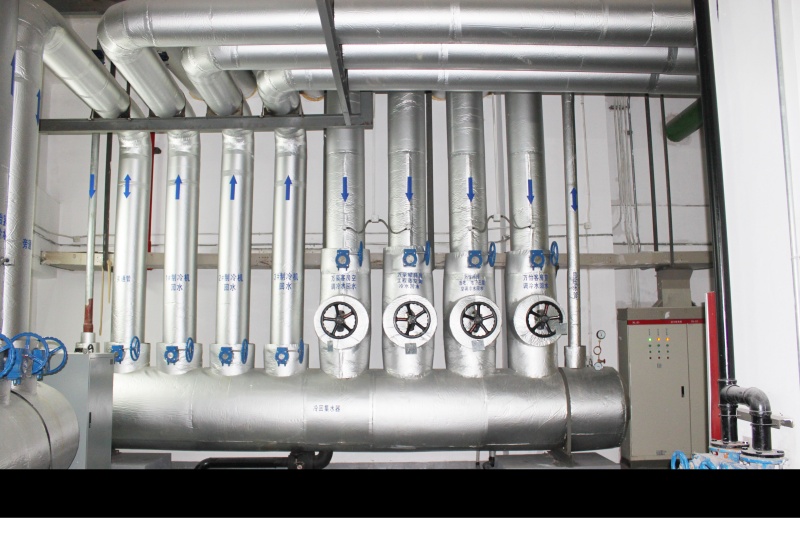


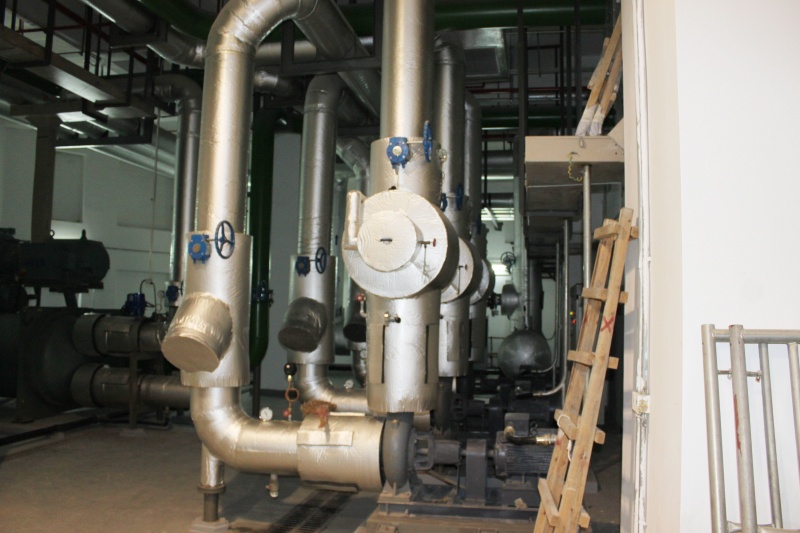
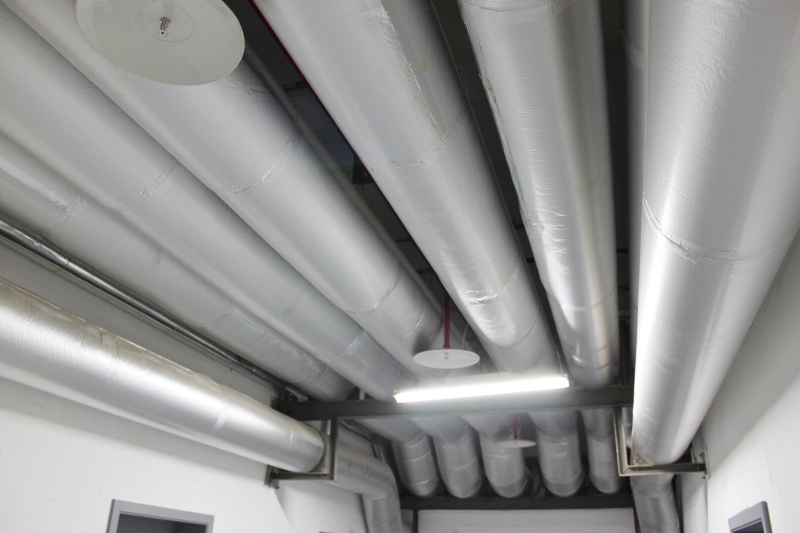

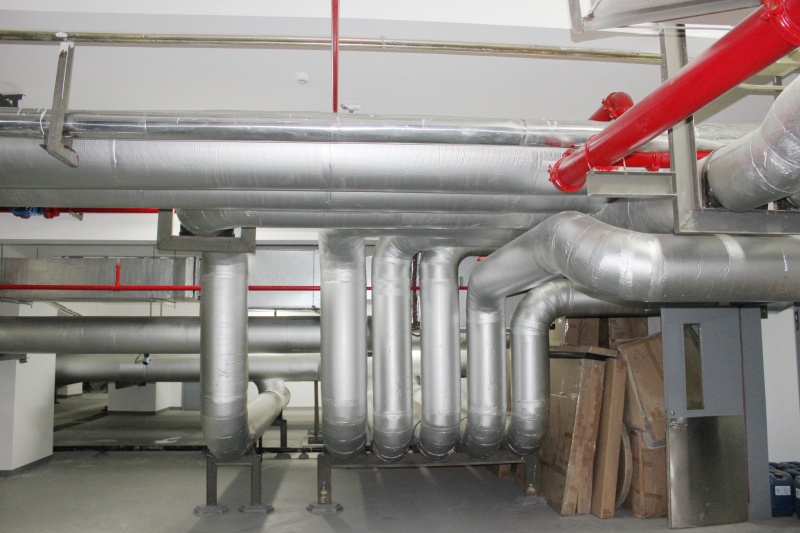
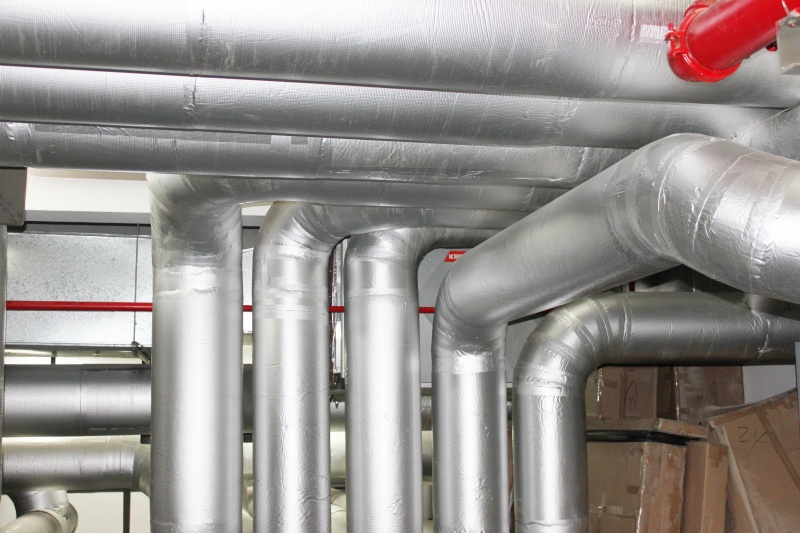
Providing reliable protection for HVAC return lines, air-conditioning pipes, and industrial processes.
Clarifying technical specs, fire resistance compliance, and project design considerations.
From standard NBR rolls to cryogenic-rated pipe tubes, we supply certified solutions globally.
 Kingflex