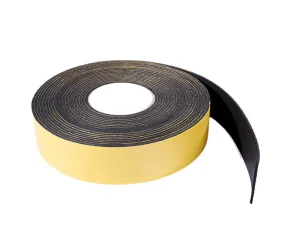
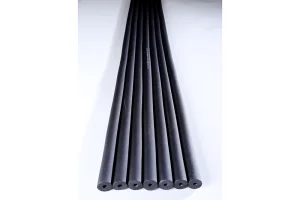
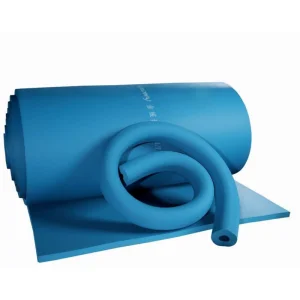
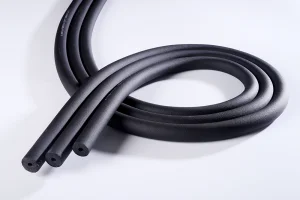
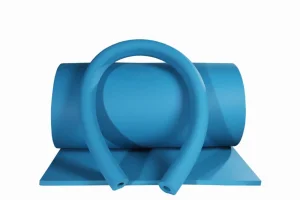
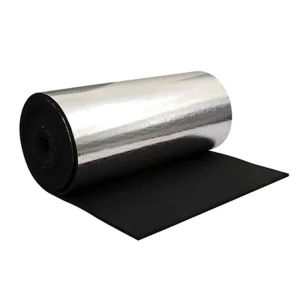
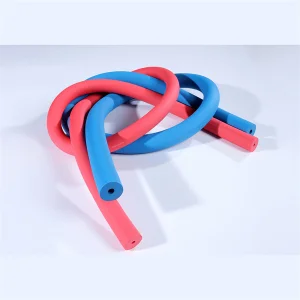
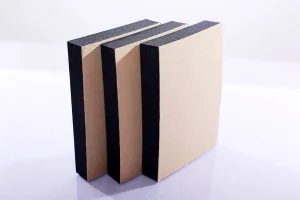
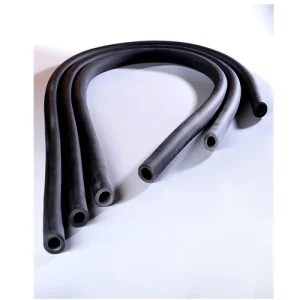
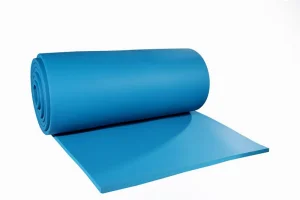
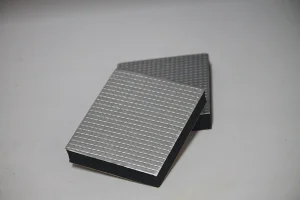
Explore our core engineering-grade thermal insulation materials designed for heavy-duty industrial and commercial HVAC systems.
An executive analysis of current procurement paradigms, supply-chain considerations, and technical benchmarks.
In the contemporary landscape of high-performance HVAC systems, commercial infrastructure, and industrial refrigeration engineering, selecting insulation materials has shifted from basic thermal management to holistic life-cycle sustainability. Large-scale global buyers, EPC contractors, and MEP consultants face significant challenges: minimizing structural energy losses, preventing internal and external duct condensation, and adhering to strict international fire safety protocols.
Modern infrastructure relies heavily on heating, ventilation, and air conditioning (HVAC) systems, which account for up to 40% of a commercial building’s energy load. Standardizing on Kingflex closed-cell elastomeric foam reduces convective and radiative heat losses. This ensures compliance with structural energy budgets and plays a critical role in securing LEED, BREEAM, or local green building certifications.
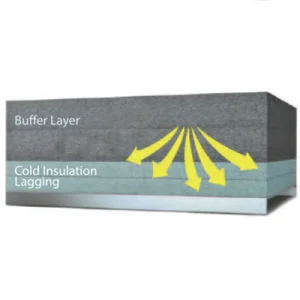
Chilled water air ducts and low-temperature process pipework operate below the dew point of surrounding air. Open-cell alternatives, such as fiberglass or rock wool, depend heavily on external vapor barrier jackets. If this vapor seal is breached, ambient moisture permeates the insulation structure, causing wet insulation, thermal degradation, and dangerous mold accumulation. Kingflex closed-cell rubber foam features a built-in vapor barrier, ensuring long-term thermal integrity.
A closer look at the chemistry of NBR/PVC elastomeric foam development and its performance characteristics.
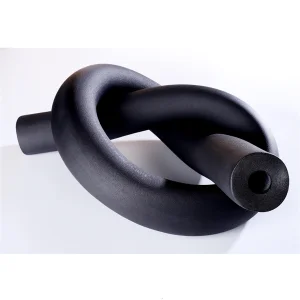
Kingflex closed-cell elastomeric insulation is produced by blending Nitrile Butadiene Rubber (NBR) and Polyvinyl Chloride (PVC) under precise thermochemical conditions. This combination yields a highly flexible, durable compound:

Verified physical properties of Kingflex elastomeric closed-cell duct insulation sheets and tubes.
| Property Parameter | Standard Metric Specification | Testing Methods & Compliance Code |
|---|---|---|
| Core Material Matrix | NBR/PVC Elastomeric Foam Blends | ISO 9001 Production Standard |
| Thermal Conductivity (k-value) | ≤ 0.035 W/(m·K) at 0°C | ASTM C518 / ISO 8301 |
| Moisture Permeability Resistance | μ-factor ≥ 10,000 (Water Vapor Resistance) | EN 12086 / ASTM E96 |
| Fire Safety Rating | Class 0 (BS 476 Part 6/7) / UL94 V-0 | BS 476, UL94, GB 8624 |
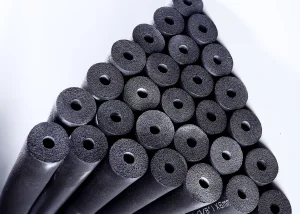
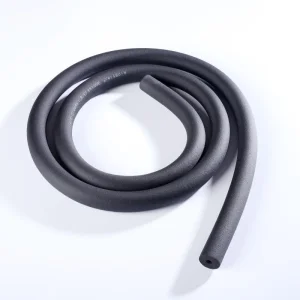
| Applicable Thickness Dimensions | 6mm to 50mm (Sheets) / 9mm to 40mm (Pipes) | Standard Production Blueprint |
| Ozone & Weathering Resistance | Excellent, No Cracking Under Standard Conditions | ASTM D1149 |
| Environmental Directives | ROHS & REACH Compliant, CFC/HCFC-free | SGS Lab Verified Reports |
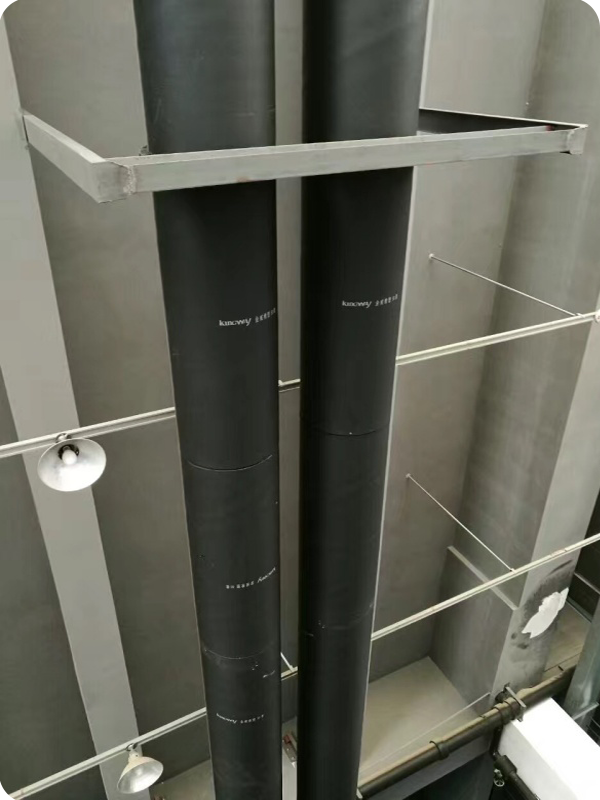
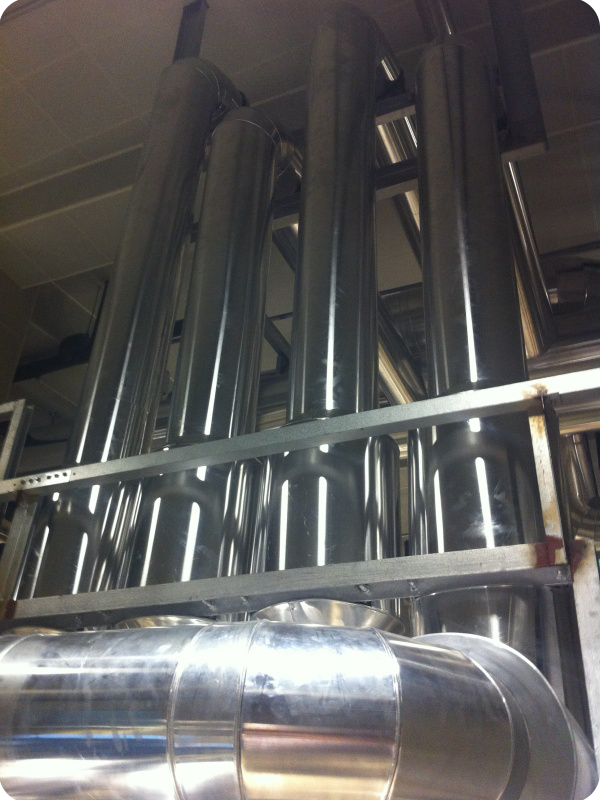
Real-world projects demonstrating the structural integrity and performance of Kingflex systems in demanding settings.

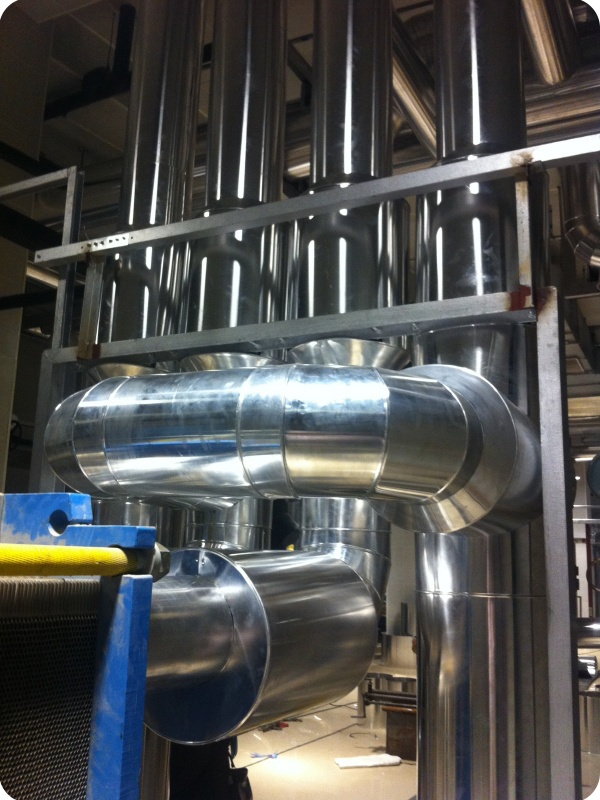
A professional manufacturing and trading combo for thermal insulation products.
Kingflex Insulation Co., Ltd. is a leading manufacturer and exporter specializing in high-performance thermal insulation solutions. Our modern production base is situated in Dacheng, China, a prominent hub for green building materials. Focused on energy efficiency and environmental sustainability, Kingflex integrates R&D, advanced manufacturing, and technical sales to serve projects worldwide.
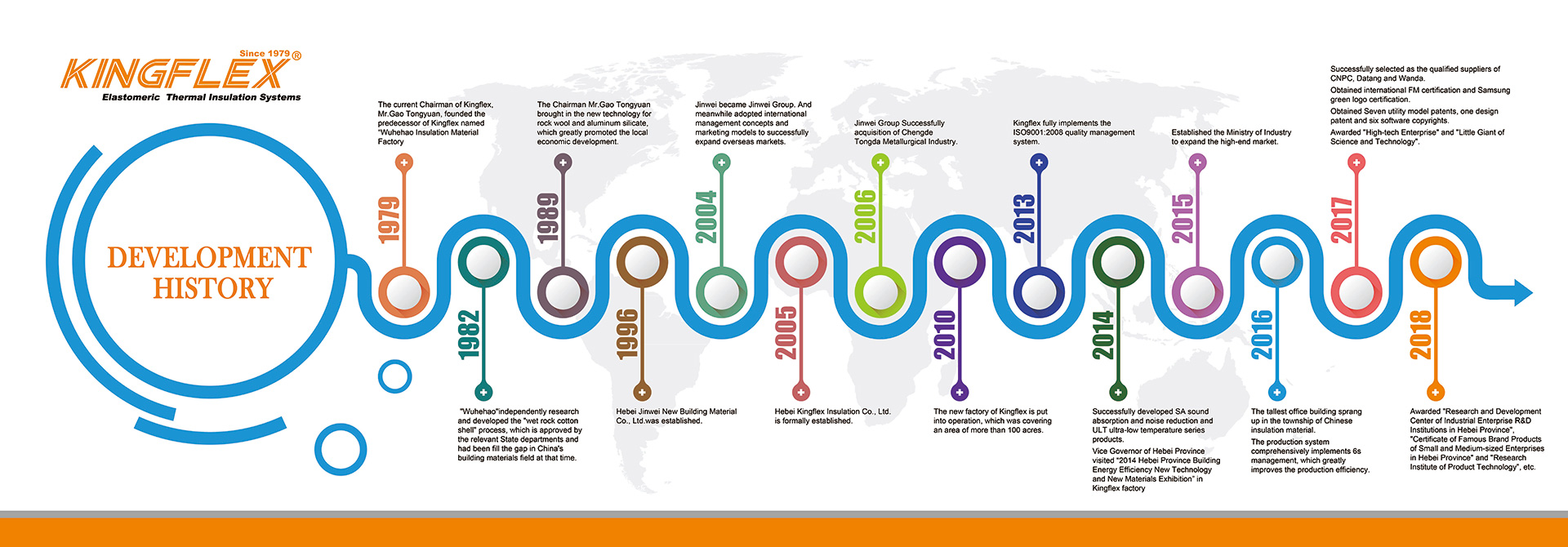
Established by the Jinwei Group (also known as Kingway Group), which has a legacy dating back to 1979, Kingflex represents over 40 years of manufacturing experience. We were the first thermal insulation manufacturer established north of the Yangtze River. Today, our advanced production campus features 5 fully automated assembly lines, delivering an annual capacity exceeding 600,000 cubic meters.
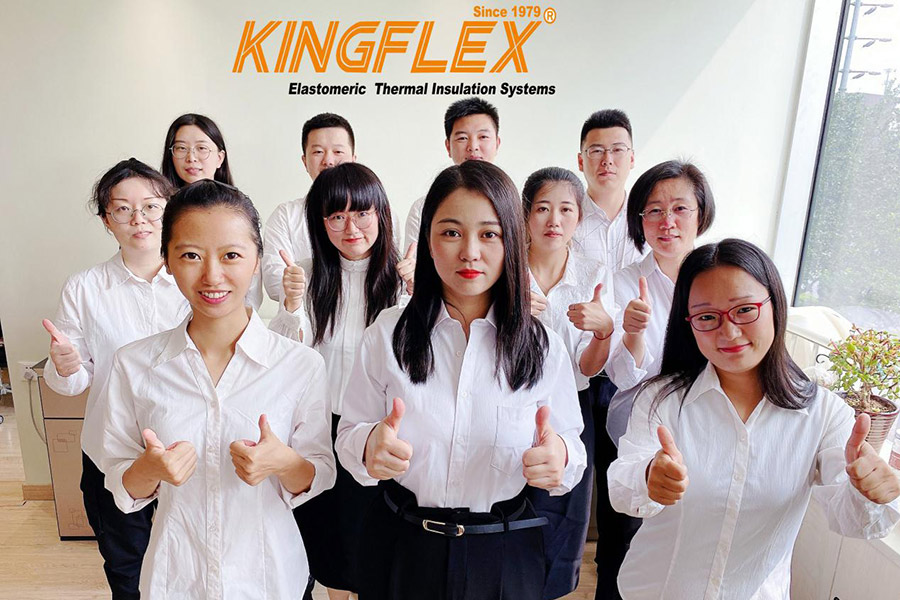
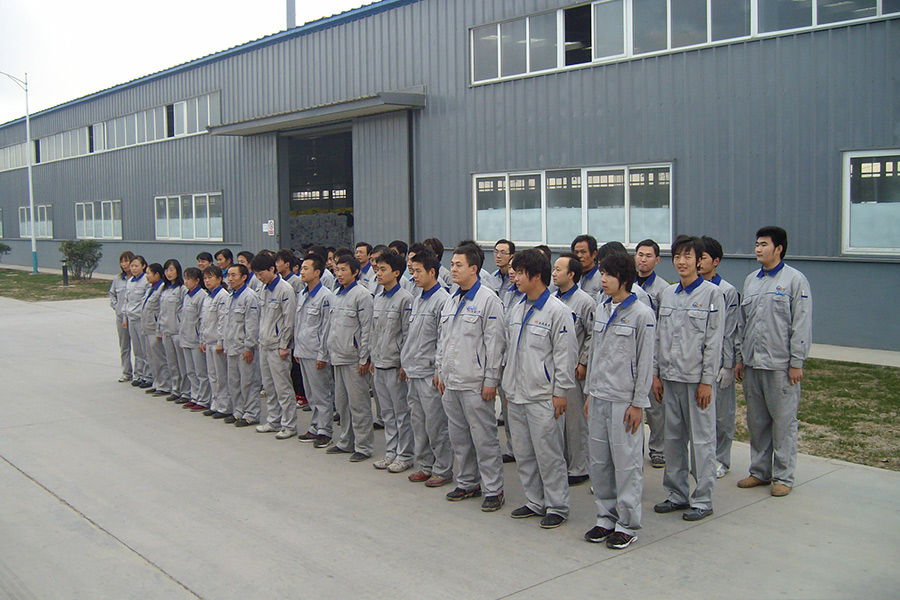
Our workforce includes 8 dedicated R&D engineers, 6 international sales consultants, and 230 production staff, all focused on supplying energy-saving systems to buyers in over 66 countries.
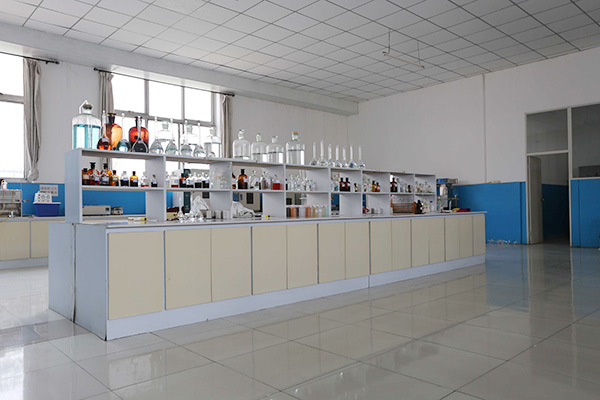

Meeting rigorous international quality and safety standards for construction and industrial environments.
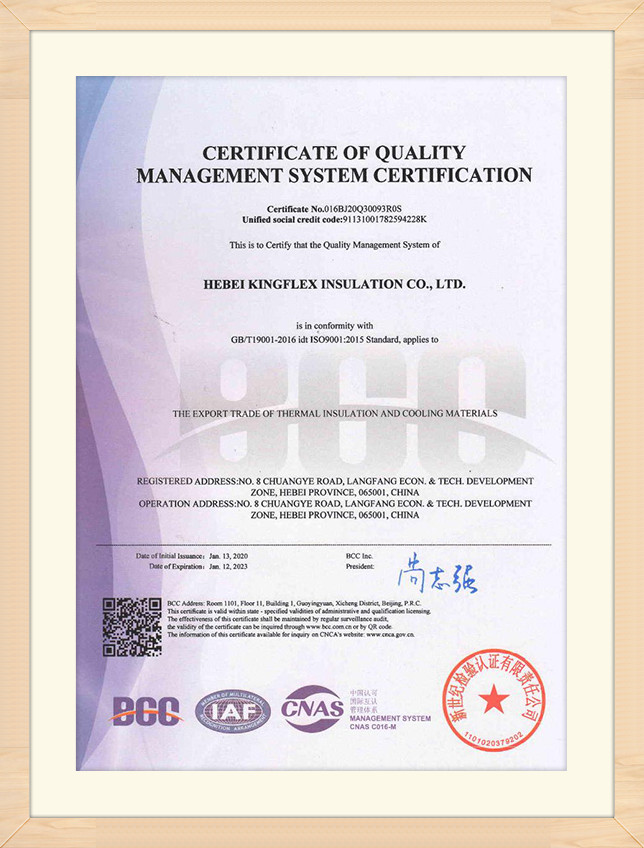


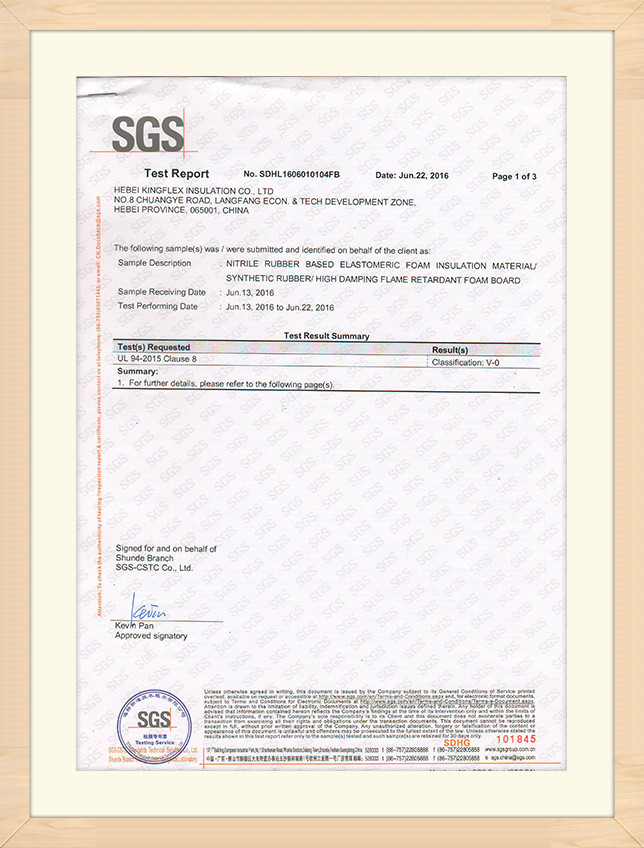

Kingflex insulation materials are tested to comply with international standards, including BS 476, CE, REACH, ROHS, UL94, and ASTM. We offer full material traceability for major engineering works, ensuring transparent documentation from raw material processing to final delivery.
Custom solutions designed for specific engineering and environmental requirements.
Preventing condensation is critical for long-term HVAC performance. Our elastomeric NBR/PVC sheets feature a built-in water vapor barrier that resists humidity and prevents surface moisture accumulation. This helps prevent structural damage, protects indoor air quality, and preserves the thermal efficiency of duct systems.
In chemical processing plants and steam distribution systems, pipelines are subjected to extreme temperatures. Our high-density closed-cell insulation controls thermal transfer, maintains fluid temperatures, and prevents corrosion under insulation (CUI).
Cryogenic applications require highly specialized insulation solutions. The Dolefin Flexible Cryogenic Insulation system and Kingflex low-temperature sheets prevent thermal shock and structural cracking down to -40℃. This provides a reliable barrier for cold storage and liquefied gas transportation systems.
In commercial spaces like hotels, hospitals, and shopping centers, noise from air ducts and mechanical rooms can disrupt occupants. The micro-cellular structure of our rubber foam dampens sound waves and structural vibrations, providing effective noise reduction.
Explore our complete range of specialized elastomeric sheets, rolls, and tube profiles.
Browse our frequently asked questions about closed-cell elastomeric duct insulation, specifications, and logistics.
 Kingflex