Explore our industrial-grade insulation rolls, sheets, and tubes manufactured with absolute precision for high-efficiency thermal performance.
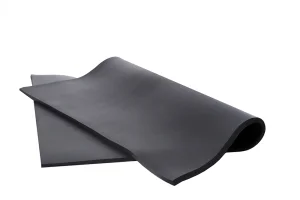
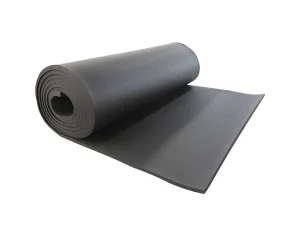
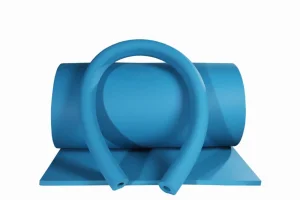
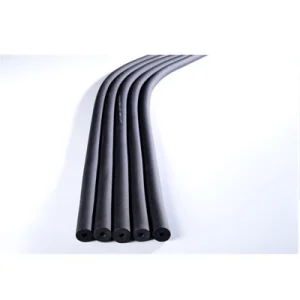
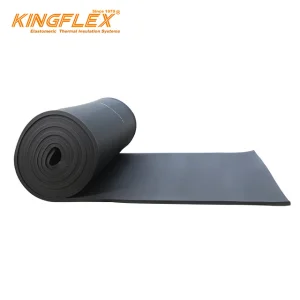
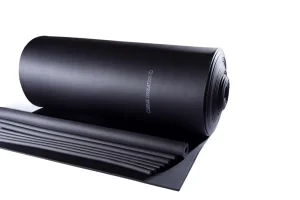
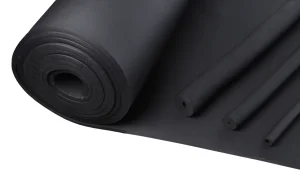
In modern industrial architectural design, duct insulation thickness is not merely an empirical estimate. It is a critical thermodynamic parameter calculated to prevent condensation, minimize path-length heat transfer loss, and optimize energy conservation metrics. When procuring wholesale insulation materials from a factory, choosing the right material composition (such as elastomeric NBR/PVC foam or mineral wool) directly determines structural efficiency and long-term project viability.
To avoid surface moisture formation, the outer surface temperature of the duct insulation ($T_s$) must always be kept above the ambient dew point temperature ($T_d$). The formula used by HVAC engineers globally to calculate the minimum required thickness ($x$) is:
x = λ × (T_ambient - T_dew) / (h_c × (T_dew - T_fluid))
Where:
• λ (Lambda) represents the thermal conductivity of the insulation material (W/m·K).
• T_ambient is the surrounding air temperature (°C).
• T_dew is the calculated dew point based on ambient relative humidity (°C).
• T_fluid is the internal fluid/air temperature within the duct (°C).
• h_c is the surface heat transfer coefficient of the outer face (W/m²·K).
As commercial real estate and industrial manufacturing facilities expand globally, HVAC energy consumption has become a main target for carbon footprint reductions. According to International Energy Agency (IEA) assessments, HVAC systems represent over 40% of building energy use. Optimizing duct insulation thickness calculations provides a direct path to reducing dynamic energy loss. Wholesale markets are shifting away from traditional high-density fiberglass systems in favor of advanced closed-cell elastomeric rubber foams (NBR/PVC), which yield superior moisture resistance indices (water vapor permeability resistance factor μ ≥ 10,000).
Different geographies require customized insulation thickness strategies. Ambient humidity levels, local atmospheric pressure, and indoor thermal management requirements dictate calculations.
In Southeast Asia and coastal South America, ambient temperatures hover around 32°C with relative humidity reaching 90%. In these conditions, a cold supply duct (running at 7°C) will sweat instantly if insulation thickness drops below 25mm. Kingflex elastomeric closed-cell rubber foam, with its uniform cell structure, prevents the moisture migration that typically destroys open-cell materials in tropical climates.
For installations in Northern Europe, Canada, or cryogenic processing loops (down to -40°C or lower), duct systems require multi-layered flexible cryogenic insulation. Standard calculations here focus on structural shrinkage mitigation and preventing freeze-cracking. Using materials with a service temperature range of -40°C to 105°C ensures stable structural elasticity.
In pharmaceutical and semiconductor cleanrooms, airborne fiber particulates must be minimized. Traditional glass wool is restricted because of fiber shedding. Engineers specify closed-cell elastomeric NBR sheets to ensure particulate-free air delivery while maintaining tight thermal performance.
Selecting the right insulation core requires assessing key material properties side-by-side. The table below outlines how NBR/PVC Rubber Foam compares to Glass Wool and Rock Wool across parameters critical to HVAC design:
| Insulation Parameter | NBR/PVC Elastomeric Rubber Foam | Glass Wool Insulation | Rock Wool Insulation |
|---|---|---|---|
| Thermal Conductivity (λ at 0°C) | ≤ 0.034 W/(m·K) | ≈ 0.038 W/(m·K) | ≈ 0.040 W/(m·K) |
| Water Vapor Resistance (μ) | ≥ 10,000 (Built-in Vapor Barrier) | ≈ 1 (Requires external foil jacket) | ≈ 1 (Highly vapor permeable) |
| Service Temperature | -40°C to 105°C | Up to 250°C | Up to 650°C |
| Flexibility & Ease of Fit | Excellent, highly elastic | Moderate, semi-rigid | Rigid board/loose blanket |
| Fire Safety Rating | Class 0 / Class 1 (BS 476), V-0 (UL94) | Non-combustible (Class A) | Non-combustible (Class A) |
The duct insulation market is evolving from static thermal barriers to smart, integrated materials. Industry research and development departments focus on three core areas:

Kingflex Insulation Co., Ltd. is a professional manufacturing and trading combo for thermal insulation products. Located in Dacheng, China—the capital of green-building materials—we operate at the heart of the world's most consolidated thermal insulation manufacturing hub. This cluster-based operational environment guarantees reliable raw material supply, cost efficiency, and advanced research support.
Established by the Jinwei Group, which has a history of more than 40 years dating back to 1979, Kingflex carries forward a legacy as the pioneer of thermal insulation manufacturing north of the Yangtze River.
Operating 5 large automatic continuous assembly lines, our factory achieves an annual output exceeding 600,000 cubic meters. We are a designated production enterprise for national energy, power, and chemical infrastructure projects.
Exporting to more than sixty-six countries over the past 16 years, our logistics systems ensure reliable deliveries for major commercial and industrial projects worldwide.
Our workforce combines veteran operational experience with advanced academic research. Our team consists of 8 professional R&D engineers, 6 international customer support representatives, and over 230 manufacturing specialists. This structure allows us to offer custom sizing, specific density formulations, and product traceability across our entire product line.
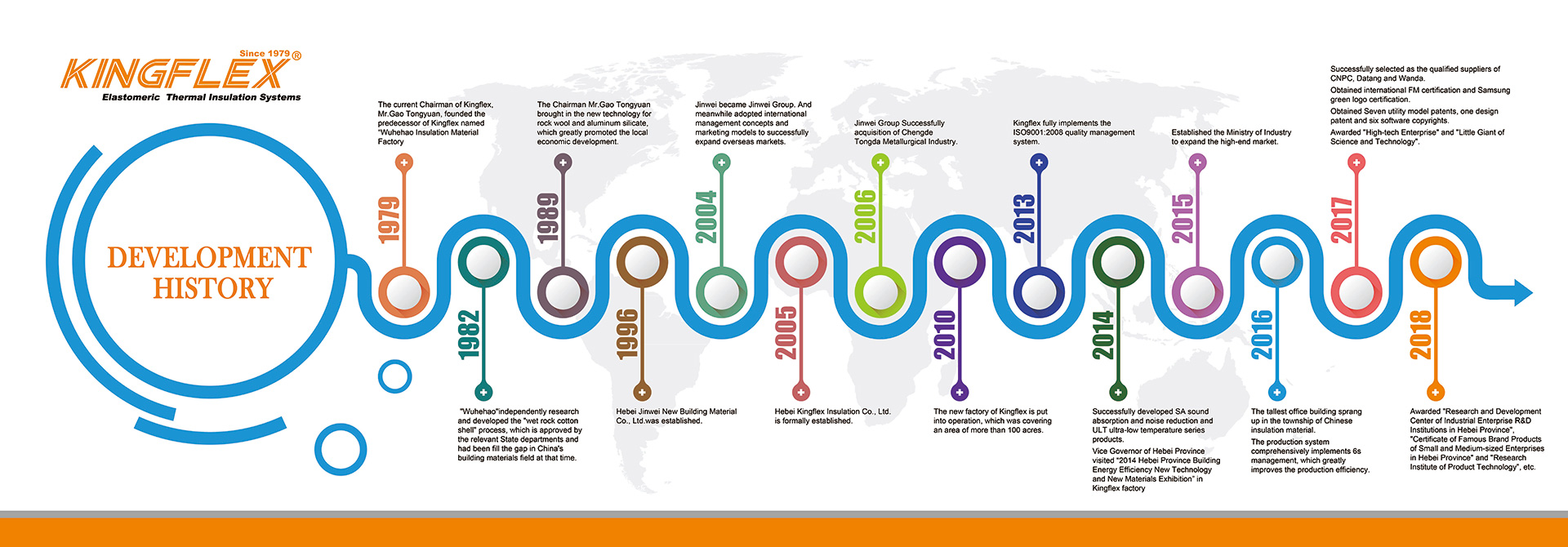
Established Since 1979
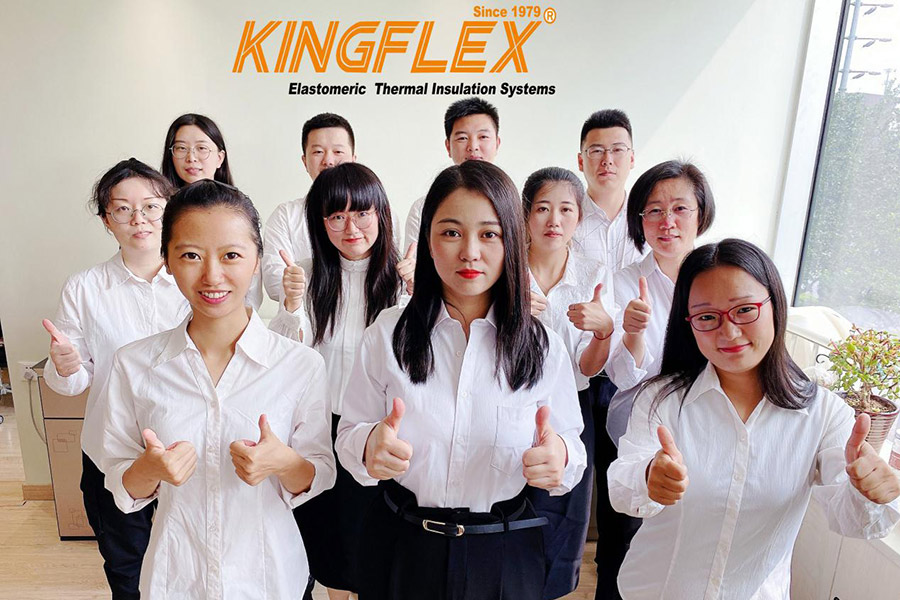
Manufacturing Team
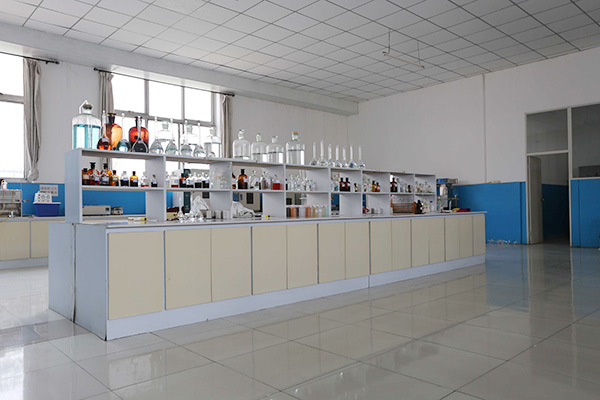
Quality Testing Lab

Conductivity R&D
Kingflex insulation products are manufactured under strict ISO guidelines. We maintain comprehensive global certifications to verify product quality, fire safety compliance, and environmental safety across diverse international construction markets.
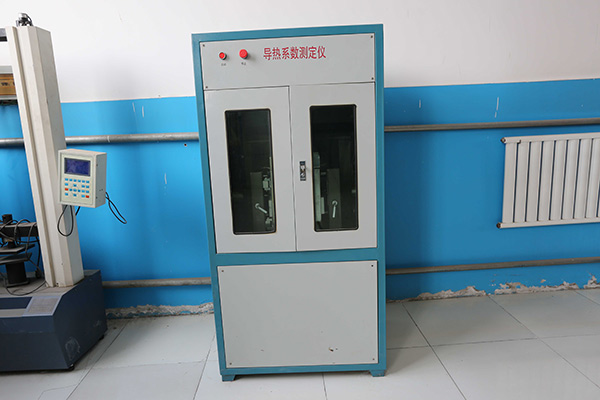
Research & Testing
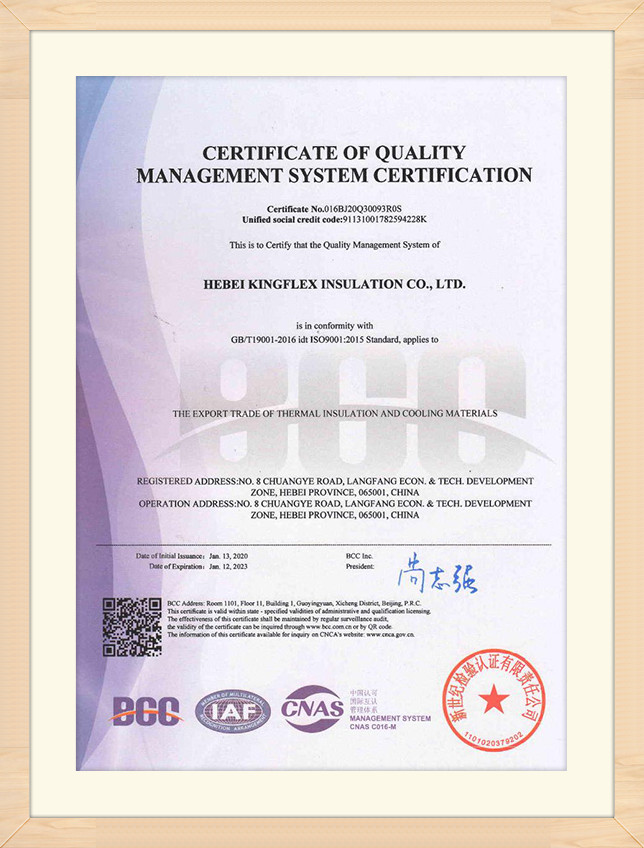
BS 476 Certification

CE Compliance

REACH & RoHS
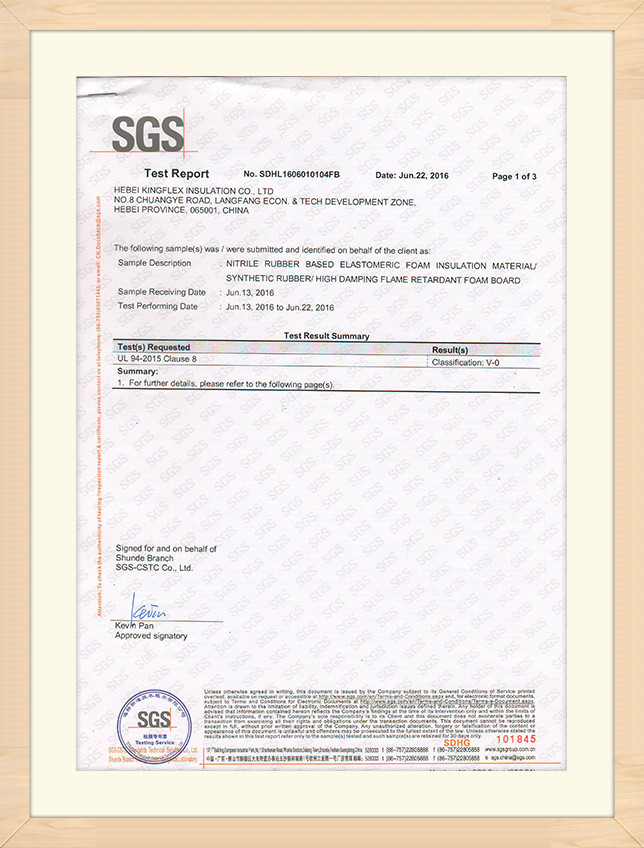
UL94 Flammability
Our certification portfolio includes BS 476 Parts 6 & 7 (Class 0 and Class 1 flame spread rating), CE marking for European Economic Area compliance, REACH and RoHS documentation verifying the absence of toxic substances, and UL94 flammability class evaluation. These standards ensure our insulation materials are approved for safety-critical settings, including schools, hospitals, commercial high-rises, and industrial processing plants.
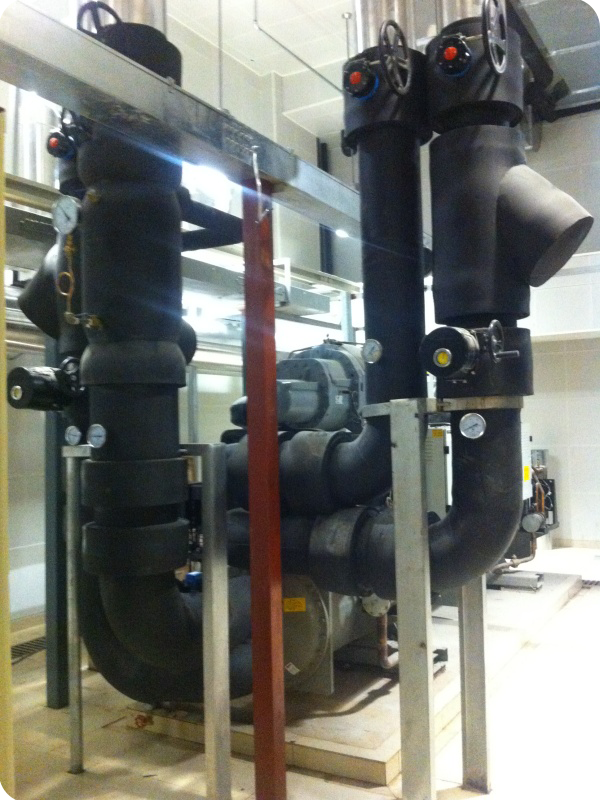
Kingflex materials are used in HVAC ductwork, commercial piping, and industrial plants worldwide. Below is a selection of real-world installations and client verification logs:

Duct Wrapping Project
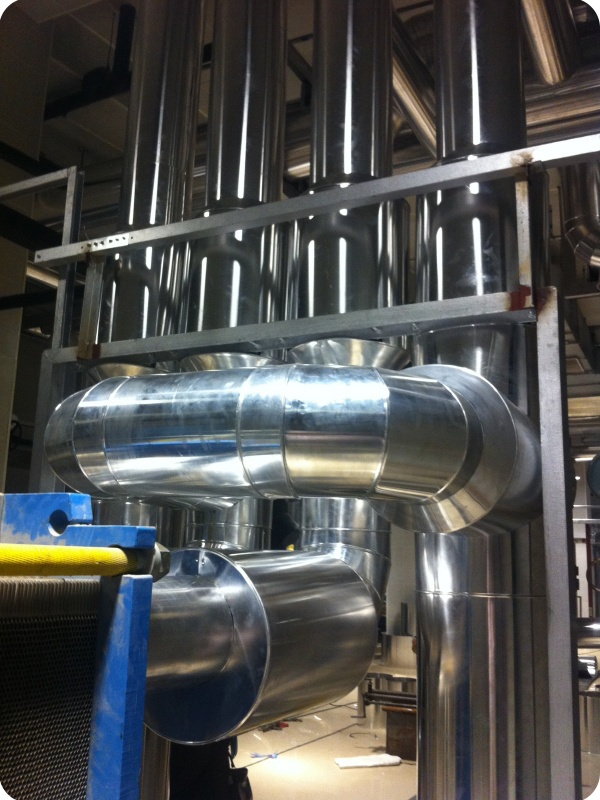
Pipe Insulation Work
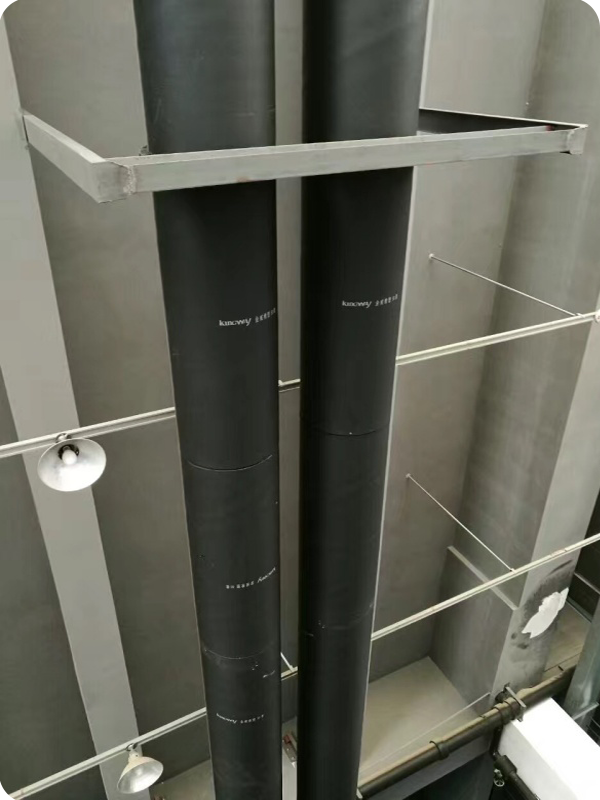
Chilled Water Lines
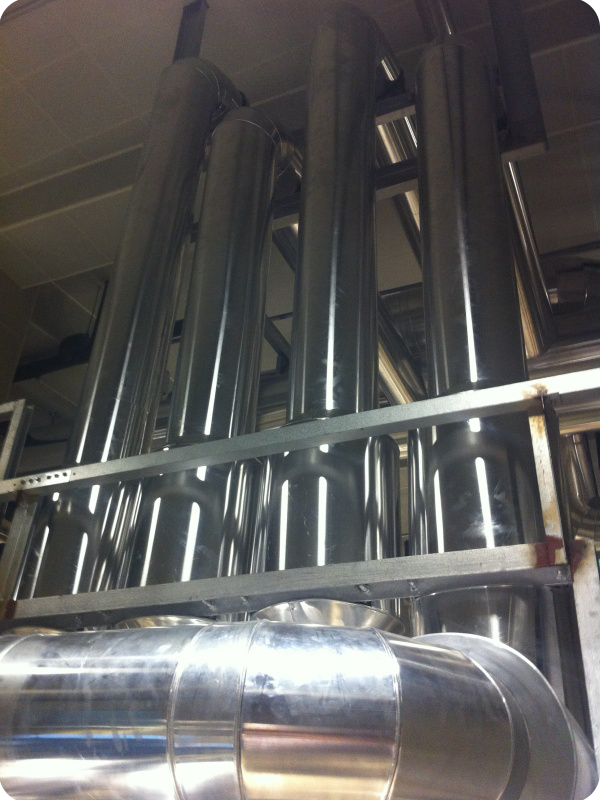
Commercial Air Ducts
Our focus on quality and customer service is reflected in our client feedback. We provide transparent traceability records and rapid support for global engineering firms:

Order Verification

Custom Dimensions Match

Export Delivery Status

Material Quality Sign-off

Traceability Log
Get answers to common technical, manufacturing, and configuration questions about Kingflex insulation products.
We supply insulation materials in both sheet roll and pipe configurations. The specifications below are designed to meet standard HVAC design requirements:
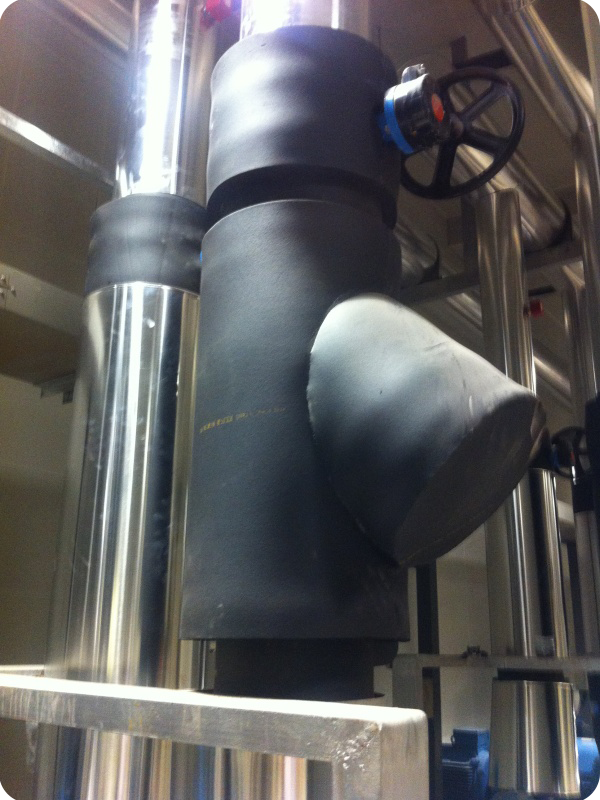
Extrusion Line
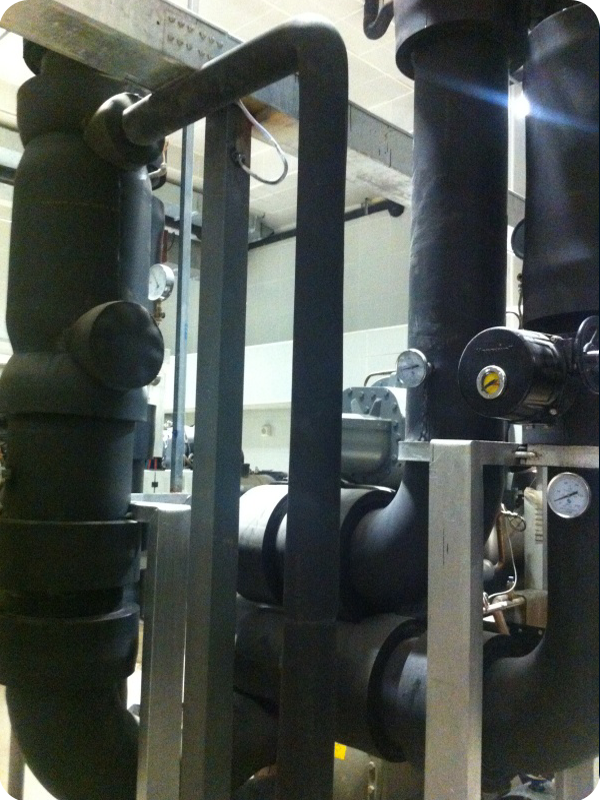
Elastomeric Compounding
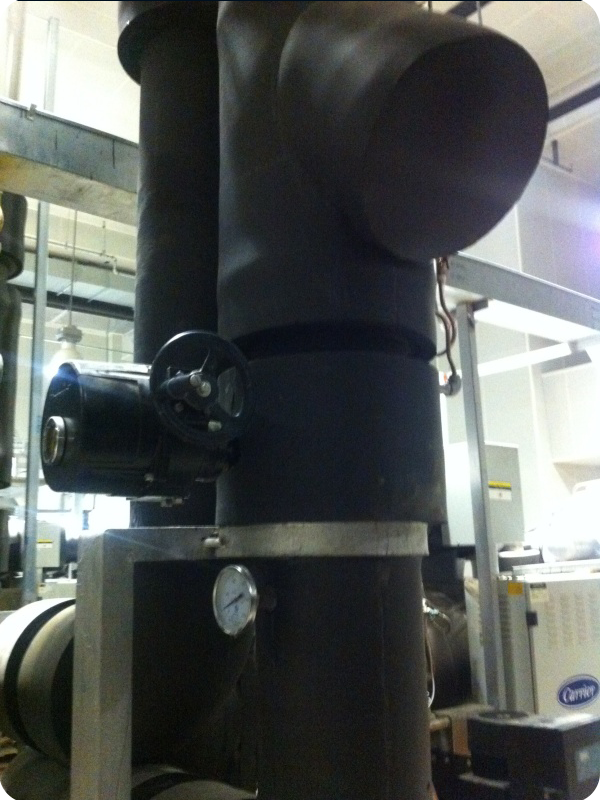
Cured Foam Roll
Finished Tubing
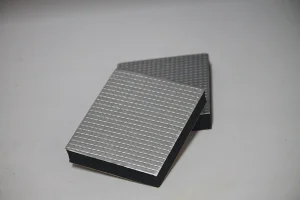
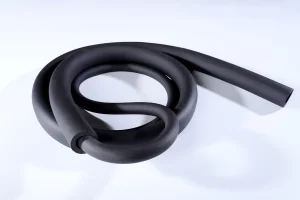
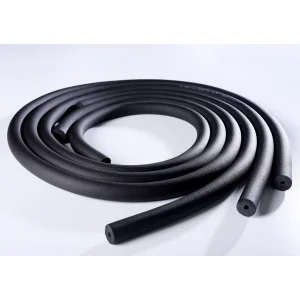
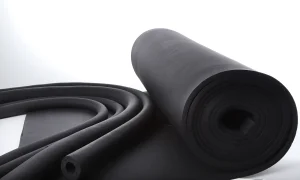
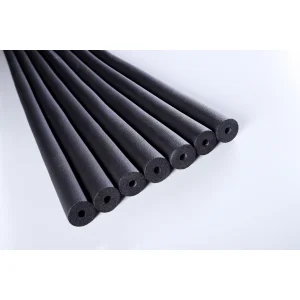
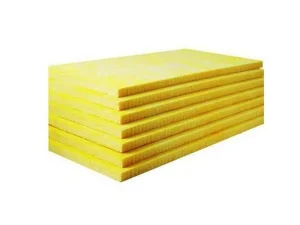
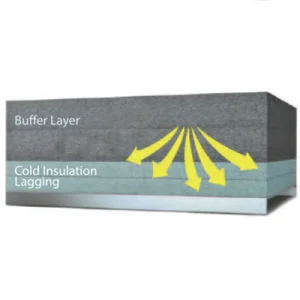
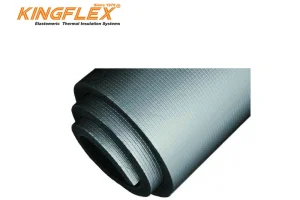
Browse our selection of specialized closed-cell sheets, thermal tubing, and composite blankets for commercial and industrial thermal protection:
 Kingflex