Designed to withstand the harsh continental conditions spanning from Shymkent to Nur-Sultan. Explore our primary selection of wholesale insulation materials certified for integration into state-level commercial infrastructure projects.
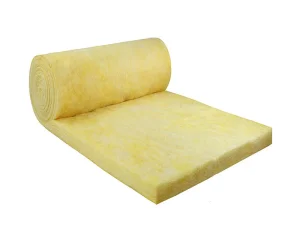
Low-density flexible rolls tailored for industrial metal buildings, roofs, and agricultural facilities across extreme climates.
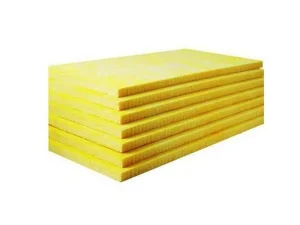
High-rigidity glass fiber panels for ventilated facades, interior partition insulation, and acoustic absorption.
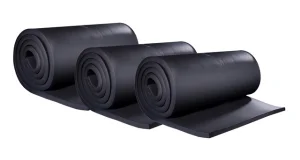
Closed-cell elastomeric sheets designed specifically for large-scale ductwork condensation control in dry desert zones.
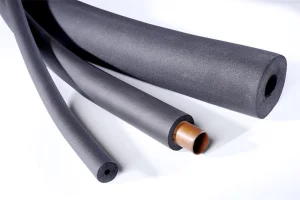
Flexible pipe sections offering enhanced UV defense and superior thermal retention for outdoor and process pipe runs.
Kazakhstan hosts some of the most challenging climate parameters on Earth. From the extreme sub-zero winters of Astana (Nur-Sultan) where temperatures consistently drop below -40°C, to the high solar gain summers in the southern regions of Almaty and Shymkent, building envelopes must execute dual functions. They must restrict severe heat loss in the cold seasons and minimize sensible cooling loads during peak summer periods.
Modern infrastructure requirements in Kazakhstan are governed by rigorous regulatory structures derived from regional SNiP (Construction Norms and Rules) and Interstate Standards (GOST). Thermal efficiency is no longer simply a design preference; it is a critical mandate for architectural design. Standard fiber configuration glass wool insulation represents the most optimal combination of budget-efficiency, load performance, structural light weight, and Class 0 non-combustibility. It is highly suited to the mineral extraction, heavy metallurgy, and high-rise commercial structures that characterize the modern Kazakh economic landscape.
A major issue for architectural engineers in regions like Karaganda and Pavlodar is the prevention of thermal bridging under high wind conditions. High-velocity Siberian winds can force cold air deep into poorly structured building facades. Our glass wool rolls and rigid panels are manufactured with a specialized internal strand structure. They offer high density uniformity, which limits air movement within the glass wool core and maintains stable thermal performance over long durations.
Furthermore, local regulations enforce safety metrics in key municipal areas. Glass wool, containing zero flammable blowing agents, provides structural safety and meets the fire protection standards required for public structures, retail centers, and oil refinery administrative blocks.
Maintains structural stability from -40°C winter shifts up to +105°C continuous line temperatures.
Meets GOST Class KM0 / EN 13501-1 Class A1 non-combustible parameters for fire containment.
High air flow resistance yields Sound Absorption Coefficient (NRC) values reaching 0.90.
Across modern petrochemical plants, high-rise structural envelopes, and cryogenic process units, insulation systems act as critical thermal barriers. As energy costs rise and global standards require lower operational carbon outputs, implementing high-performance insulation is a key strategy for industrial operators.
In areas like the Caspian region (Atyrau and Aktau), oil transport and storage lines require stable temperature control. Our cryogenic and foil-faced insulation blankets prevent thermal losses, maintain product viscosity, and protect pipelines from corrosion under insulation (CUI).
Urban district heating networks lose significant energy over long transport distances. Utilizing glass wool blankets with reinforced foil facings combined with closed-cell elastomeric rubber sleeves ensures that high-pressure steam and chilled fluids reach their destinations with minimal temperature change.
With the rapid construction of logistics hubs along the "Middle Corridor" transport route, steel warehouses need fast, effective insulation. Lightweight glass wool rolls are easily rolled over purlins, providing condensation control and thermal comfort without adding extra load to structures.
Kingflex Insulation Co., Ltd. is a professional manufacturing and trading combo for thermal insulation products. Our research, development, and production facility is located in Dacheng, China—a well-known capital for green building materials. As an energy-saving, environmentally friendly enterprise, we concentrate on the research, development, production, and sales of high-performance insulation systems.
In our operations, Kingflex takes energy saving and consumption reduction as core principles. We provide targeted insulation solutions through professional consulting, dedicated research, volume manufacturing, onsite installation guidance, and dependable after-sales support to help lead the global construction materials sector.

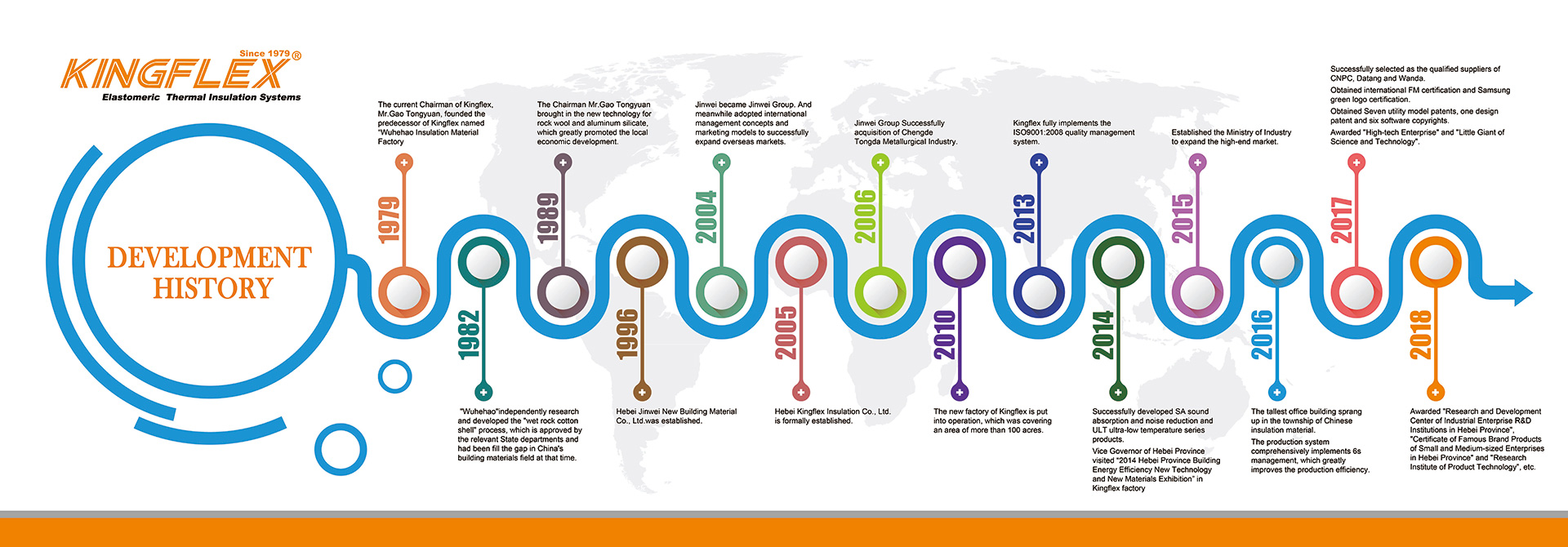
Kingflex was established by the Jinwei Group, which holds more than 40 years of industrial history. Founded in 1979, the group was the pioneer manufacturer of thermal insulation materials north of the Yangtze River. Over these decades, we have continuously modernized our production lines, shifting from basic mineral fibers to highly advanced elastomeric foams, cryogenic systems, and high-density glass wool panels designed to meet the demands of demanding global construction projects.
Today, our modern facility houses 5 large automatic assembly lines. This production capacity has established Kingflex as a designated production partner for major regulatory bodies, including ministries overseeing energy, electrical power, and chemical industries.
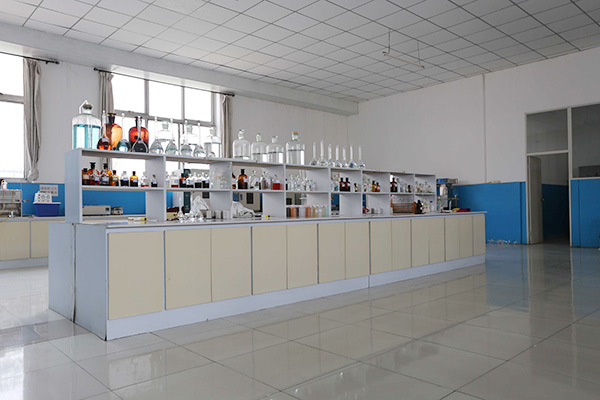
Innovation drives the thermal performance of our products. Our dedicated laboratory studies chemical compositions, fiber structures, and gas-retention properties to improve the thermal stability of our insulation. By optimizing fiber placement, we produce glass wool products that provide thermal protection while remaining thin and lightweight.
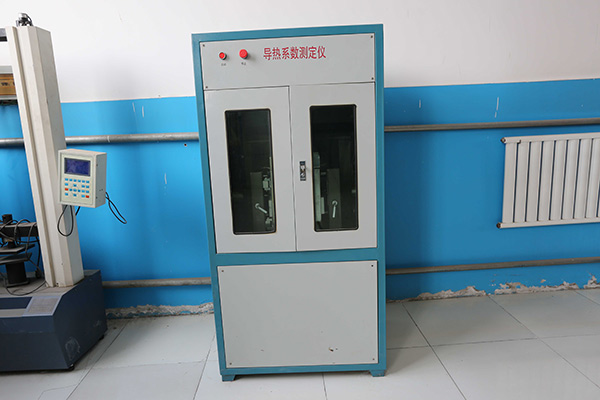
Our engineering team is focused on developing smart thermal envelopes. We test materials for tensile strength, density variations, moisture resistance, and fire safety to ensure that every shipment matches our specified standards.

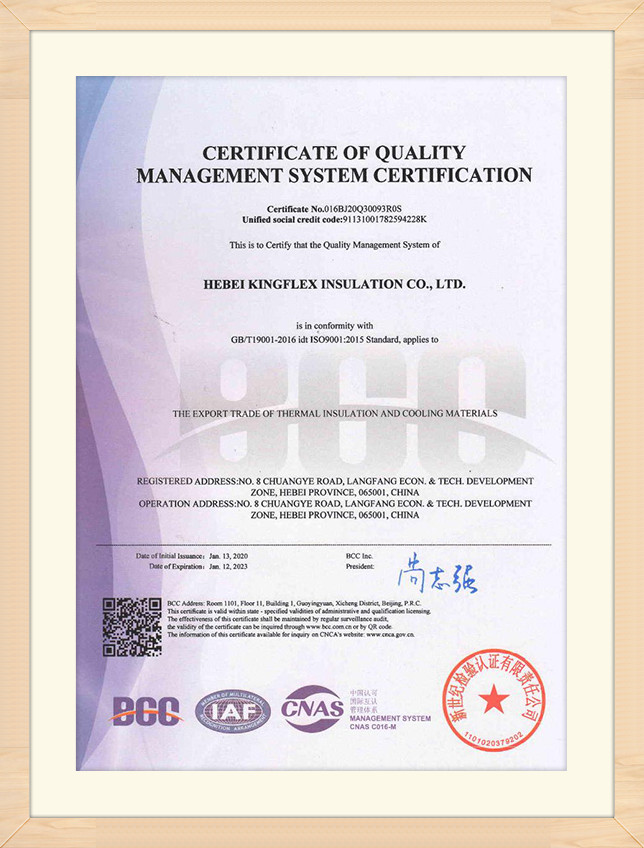
To satisfy demanding project specifications globally, Kingflex materials are tested and certified by independent international labs. Our insulation systems comply with British Standards (BS 476), CE Marks, REACH, RoHS, UL94, and ASTM fire and environmental protection protocols.
This compliance simplifies approvals for contractors working in Kazakhstan, confirming our products meet the thermal, mechanical, and safety standards required by local municipal and national regulations.


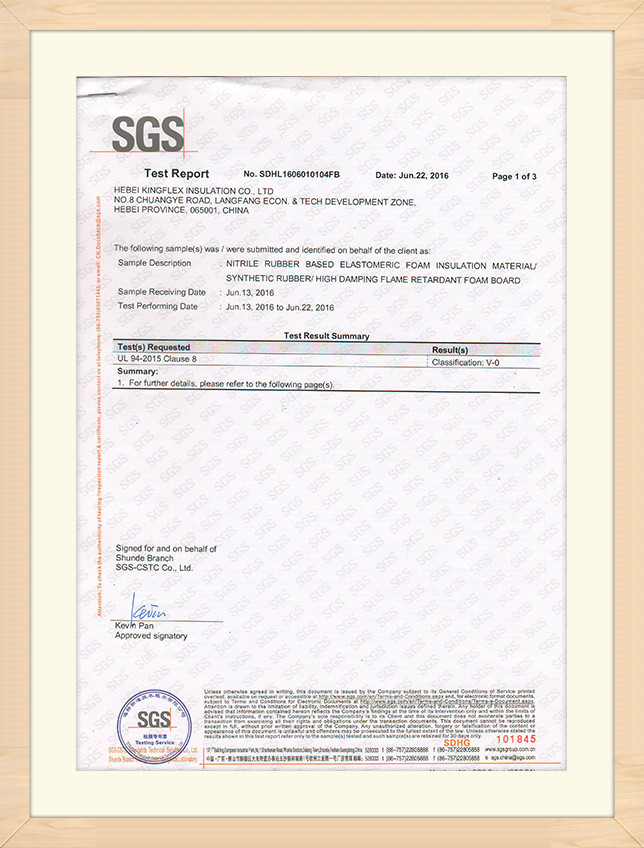
Below is our core industrial and commercial catalog, engineered for mechanical pipelines, cooling loops, and structural frameworks within the Kazakhstan industrial corridor.
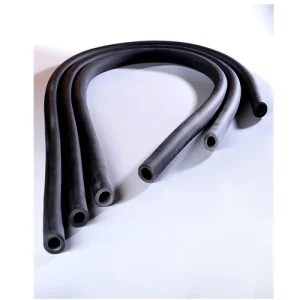
High-flexibility elastomeric tubing offering low thermal conductivity for copper and steel plumbing lines.
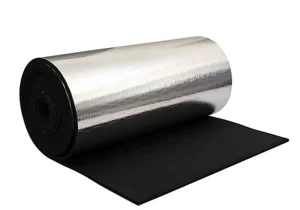
Foil facing provides physical defense and vapor barrier protection for outdoor air ducts and industrial lines.
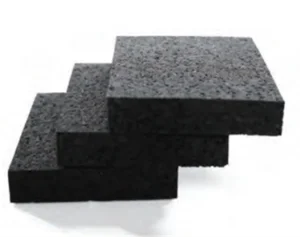
Designed for high-performance sound absorption in industrial plant rooms and air plenum structures.
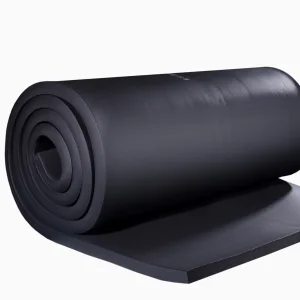
Multi-layered low-temperature protection system designed for industrial gas lines, LNG terminals, and liquid nitrogen systems.
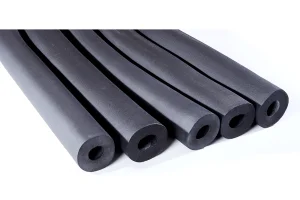
Durable insulation sleeves designed for VRF air conditioning setups in high-temperature environments.
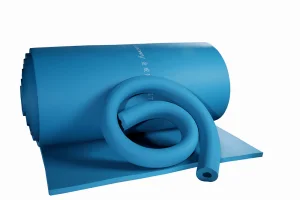
Resilient elastomeric insulation designed for deep sub-zero temperature operations and pipeline systems.
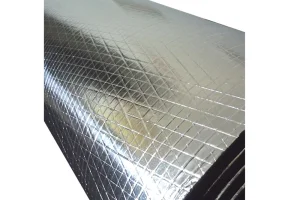
High-rigidity elastomeric board with clean-room compliant foil face for clean environments and medical air ducts.
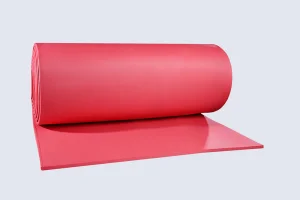
Color-coded sheets that simplify line identification, saving maintenance time for operators in processing plants.
To complete system requirements, we offer specialized piping configurations that interface with process piping networks under extreme load environments.
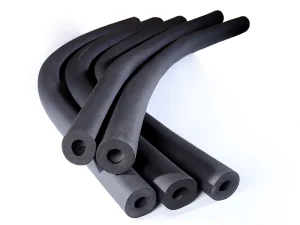
Thick-walled elastomeric tubes designed to prevent outer pipe ice build-up in deep cooling industrial configurations.
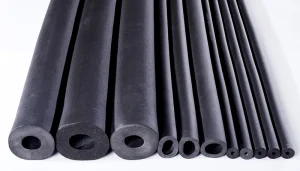
Standard closed-cell tubes designed for heating and cooling networks in commercial developments.
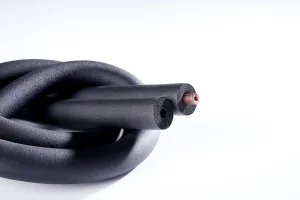
Highly flexible, easy-to-slit tubing designed to wrap around piping corners and fittings in confined municipal plant rooms.
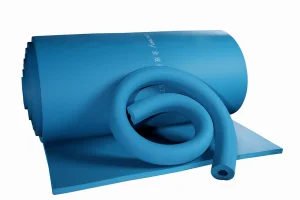
Heavy-duty rubber insulation designed for industrial pipelines operating at extremely low temperatures.
We maintain transparency in communication and material delivery. Our insulation systems are designed to match strict quality parameters, ensuring consistent performance for logistics projects and heavy industrial structures.
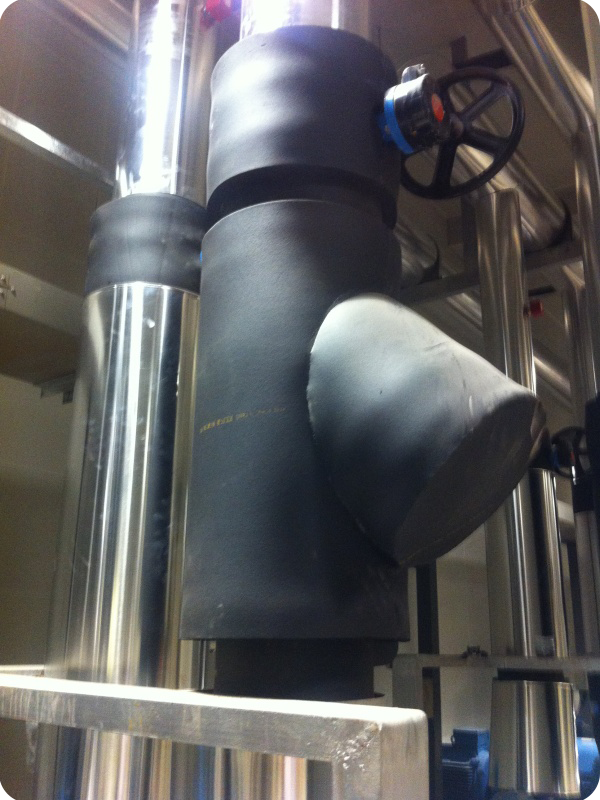
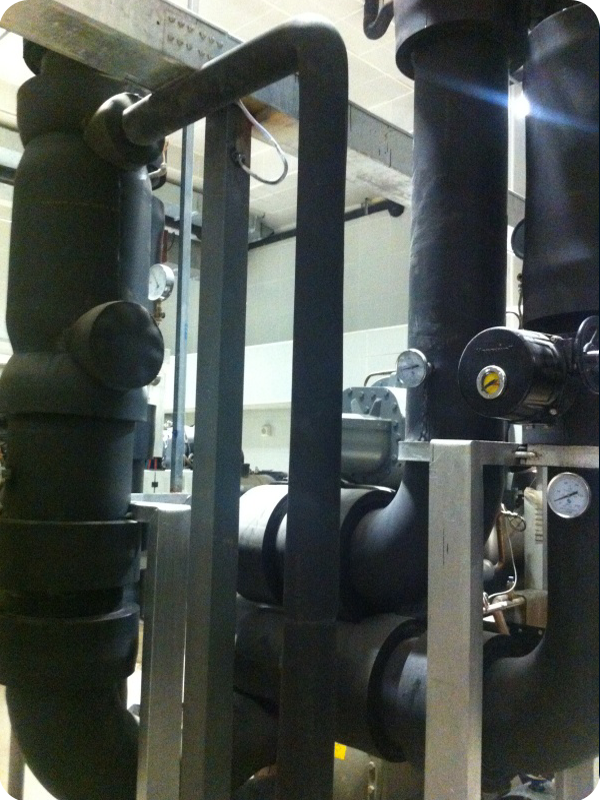
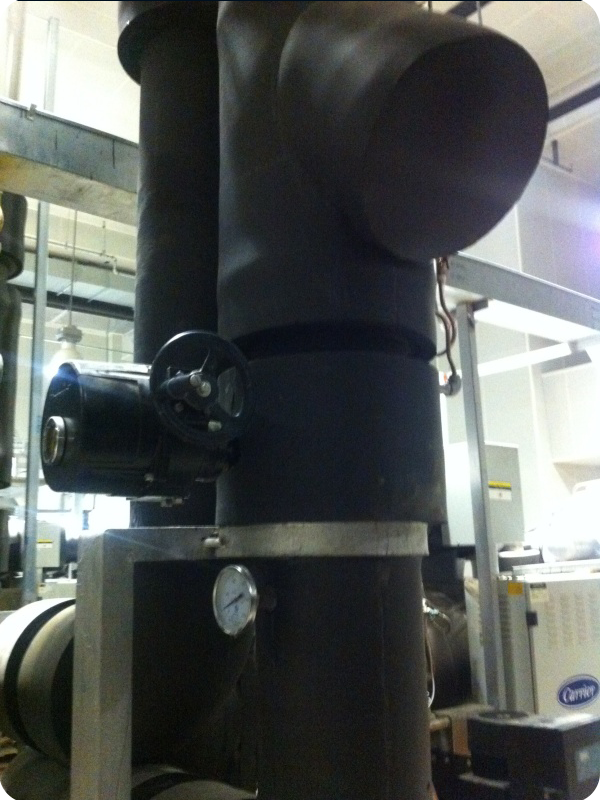
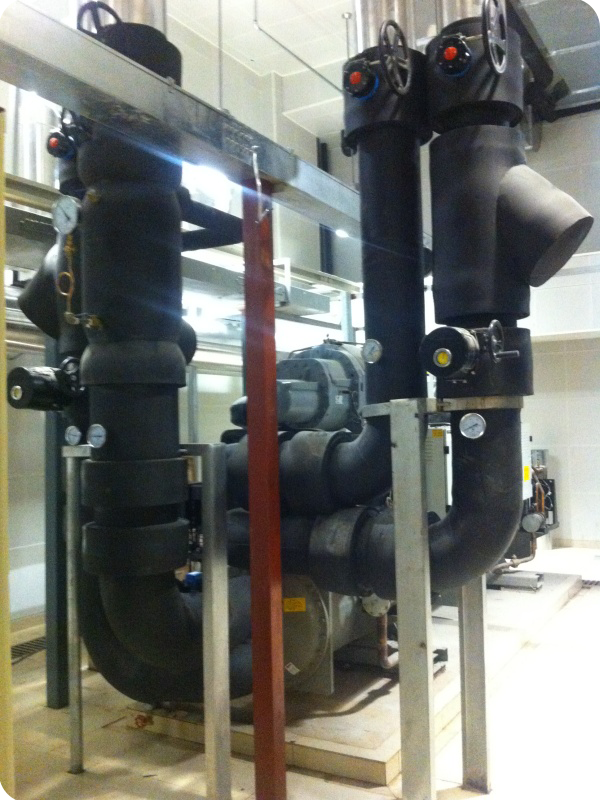
Our insulation systems have been integrated into major commercial, industrial, and public developments. Whether protecting long pipe runs or insulating structural metal roofs in remote regions, our insulation materials are chosen for their durability, stable thermal resistance, and ease of installation.

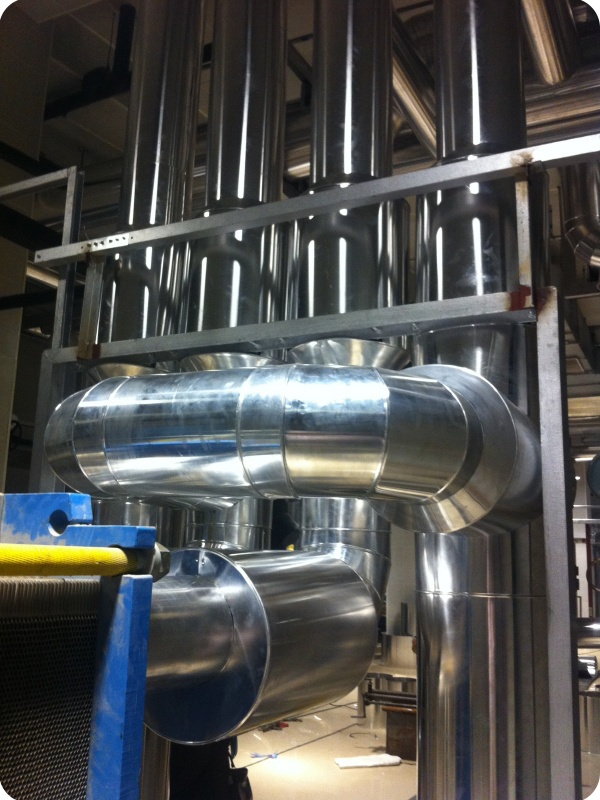
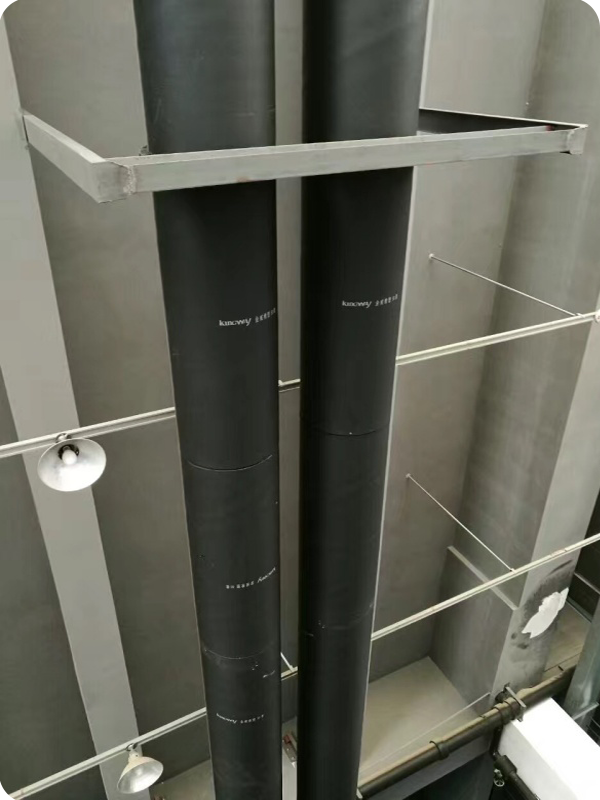
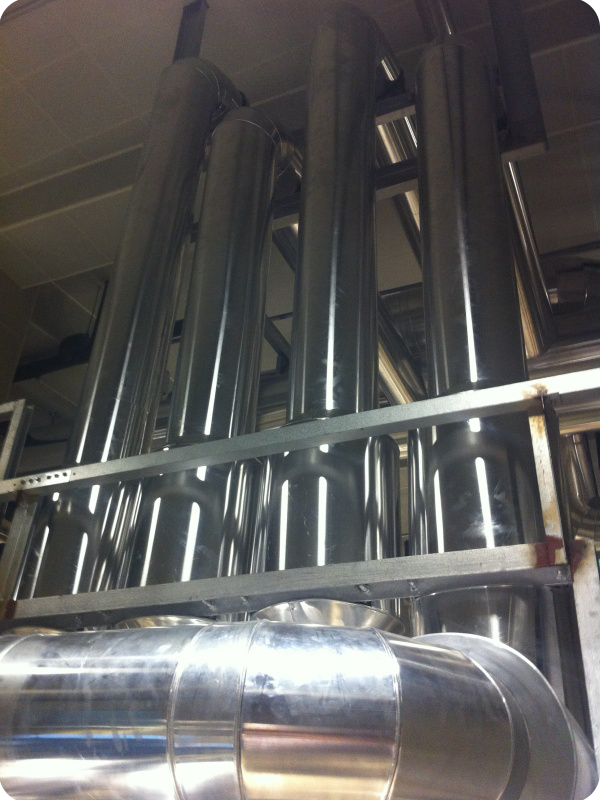
We work closely with engineering teams from initial consultation to final delivery. Our sales division coordinates with logistics partners to ensure that custom density requests, physical specifications, and structural parameters align with your local construction schedule.



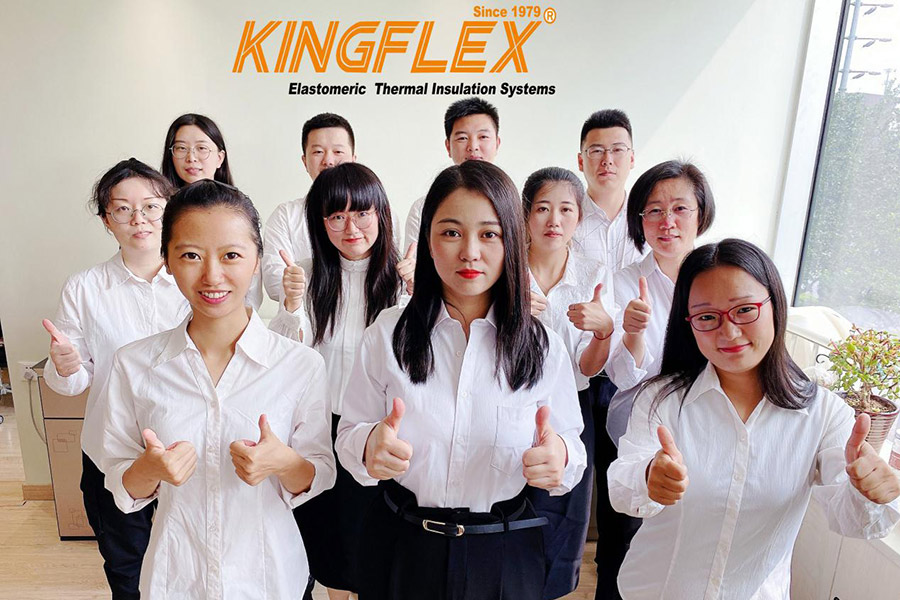
At Kingflex, our team is unified by a shared goal: delivering reliable insulation solutions and responsive service for our global clients.
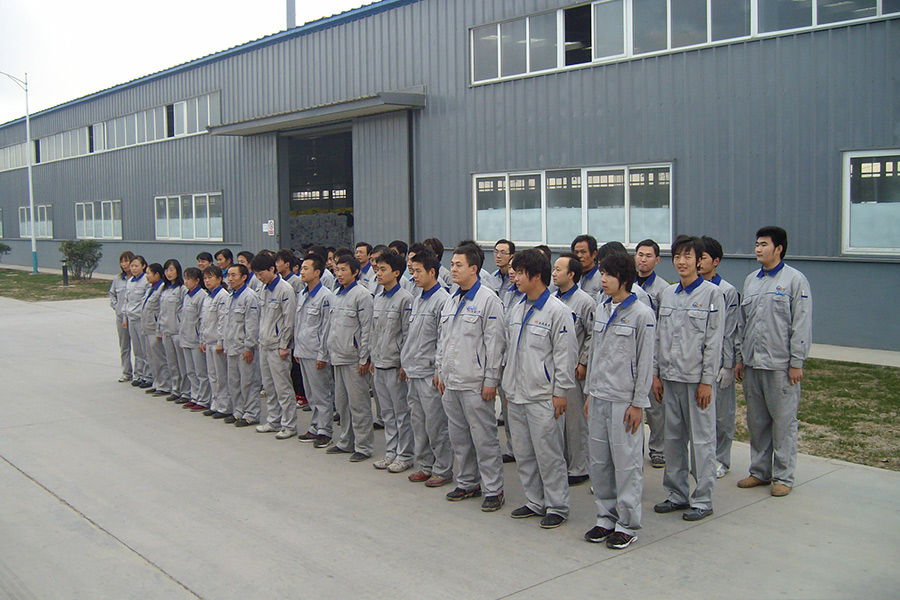
Our staff includes 8 professional engineers in our R&D Department who focus on material testing and performance optimization. Our international division is staffed by 6 multilingual logistics experts, while our production department houses 230 technicians operating our manufacturing lines.
This operational depth allows us to quickly adjust formulation runs, custom densities, and facing backings to match specific cold-weather construction and engineering criteria.
From raw material sourcing to packaging, every stage of production is monitored by our quality assurance teams. We track batch properties to ensure consistency across shipments, giving design engineers confidence that our materials will perform reliably in the field.

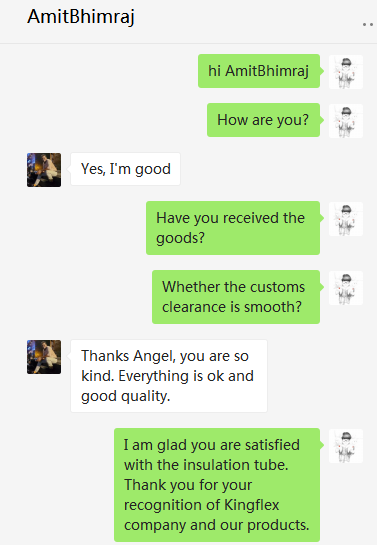
Operating close to primary rail corridors allows us to coordinate direct container dispatches into Central Asia. We handle customs documentation, weight distribution checks, and moisture-resistant packaging so that materials arrive ready for quick onsite installation.
Our logistics teams help resolve standard border transit steps, reducing potential import delays and keeping complex construction schedules on path.
Use the following reference guide to select the appropriate material classification for your specific project requirements, ensuring alignment with regional SNiP RK thermal targets.
| Insulation Classification | Standard Densities | Thermal Conductivity (λ at 10°C) | Service Temperature Limit | Primary Application Profile |
|---|---|---|---|---|
| Glass Wool Blanket | 10 - 48 kg/m³ | ≤ 0.038 W/m·K | -40°C to +400°C | Pre-engineered steel buildings, structural roofs, and cavity wall systems. |
| Glass Wool Board | 24 - 96 kg/m³ | ≤ 0.035 W/m·K | -40°C to +400°C | Ventilated facade structures, partition cores, and machinery noise reduction. |
| Elastomeric Rubber (NBR/PVC) | 40 - 55 kg/m³ | ≤ 0.033 W/m·K | -40°C to +105°C | Commercial HVAC ducts, cooling lines, and anti-condensation pipe wrapping. |
| Cryogenic Thermal System | 60 - 80 kg/m³ | ≤ 0.028 W/m·K (at -160°C) | -196°C to +120°C | Deep cryogenic storage, petrochemical process units, and LNG gas lines. |
The building envelope market is shifting toward materials with lower environmental footprints and reduced emissions. Our technical roadmap focuses on transition strategies to support green building practices.
Traditional glass wool relies on phenol-formaldehyde binders to secure the fiber matrix. Our R&D team is developing organic, plant-based binders that eliminate formaldehyde emissions. This improvement enhances indoor air quality while maintaining fire resistance and structural durability.
We are working to increase the post-consumer recycled glass content in our glass wool line to 75%. This reduction in raw sand processing lowers manufacturing energy consumption and decreases the embodied carbon footprint of the finished insulation panels.
To meet the requirements of modern LNG transport and high-pressure hydrogen lines, we are developing thin, aerogel-infused glass wool sheets. These materials provide high thermal resistance in compact dimensions, preventing ice formation on process pipelines.
Designed to help projects achieve LEED and BREEAM environmental ratings.
Explore answers to common questions about selecting, specifying, and installing our insulation systems in challenging regional climates.
Contact our technical sales team for density advice, structural thermal calculations, pricing updates, and shipping schedules to Almaty, Astana, Atyrau, or Shymkent.
 Kingflex