Factory-direct high-density elastomeric and fiberglass products engineered to meet international safety and environmental compliance standards.
Insights into decarbonization pathways, energy conservation standards, and B2B procurement strategies.
The global infrastructure landscape is undergoing a monumental paradigm shift driven by stringent decarbonization pathways, aggressive energy efficiency regulations, and the rapid expansion of municipal district heating and cooling networks. In this landscape, exterior pipe insulation serves as a critical link in minimizing thermal losses, controlling moisture migration, and mitigating long-term operational costs. Because exterior pipelines are continuously exposed to environmental stresses, choosing high-performance thermal insulation is no longer just a regulatory box to check—it is a core engineering strategy.
International B2B procurement departments now focus heavily on minimizing lifecycle cost (LCC) rather than simply seeking the lowest initial price. According to recent industrial energy audits, thermal energy losses from poorly insulated external piping systems account for up to 35% of total system efficiency loss in heavy manufacturing, oil and gas distribution, and multi-facility HVAC installations. As a result, selecting elastomeric rubber foam and mineral wool materials engineered for high weatherability, UV resistance, and excellent water vapor resistance has become a top priority for global industrial procurement managers.
National energy codes, including ASHRAE 90.1, EN 14304, and the EU Energy Performance of Buildings Directive (EPBD), require external pipe networks to meet strict thermal conductivity limits. This helps lower overall carbon footprints and prevents waste heat loss.
Corrosion Under Insulation (CUI) costs global industries billions of dollars annually. Using modern closed-cell NBR/PVC elastomeric foam creates a continuous, high-performance barrier that keeps moisture from coming into direct contact with the pipe surface.
Exterior installations must withstand direct ultraviolet (UV) radiation, high wind loads, sudden freeze-thaw cycles, and heavy rain. Standard indoor insulation degrades rapidly without protective coatings or UV-stabilized base polymers.
Technical comparison and physical properties of NBR/PVC and glass/rock wool systems.
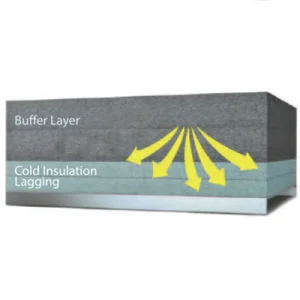
To choose the best material, you must evaluate the physical properties of elastomeric rubber foam (NBR/PVC) compared to inorganic fibrous insulations like glass wool and rock wool. Kingflex Insulation designs systems with high closed-cell ratios (>98%), low thermal conductivity (λ), and high water vapor diffusion resistance (μ-factor). This ensures stable, long-term thermal performance even in high-humidity environments.
| Physical Property | NBR/PVC Elastomeric Foam | Glass/Rock Mineral Wool |
|---|---|---|
| Thermal Conductivity (λ at 0°C) | ≤ 0.034 W/(m·K) | ≤ 0.038 W/(m·K) |
| Water Vapor Resistance (μ-factor) | ≥ 10,000 (Built-in Vapor Barrier) | μ = 1 (Requires External Jacket) |
| Working Temperature Range | -40°C to +105°C (Cryogenic: -200°C) | Up to +650°C (High Temp Steam) |
| Fire Safety Rating | Class 0 / Class 1 (BS 476 Part 6/7) | Class A1 Non-combustible |
| Flexibility & Installation Ease | Highly Flexible, Complex Geometries | Semi-rigid to Rigid |
Closed-cell elastomeric rubber foam has a distinct advantage in refrigeration, cold water piping, and outdoor HVAC systems: it has built-in moisture resistance. Traditional glass wool and rock wool rely entirely on an external protective jacket to keep water out. If that jacket punctures, water fills the voids in the wool, causing the thermal conductivity to spike and increasing the risk of CUI. Elastomeric NBR/PVC foam maintains its structural integrity and thermal resistance even if the outer surface is scratched, making it a highly reliable option for exterior pipelines.
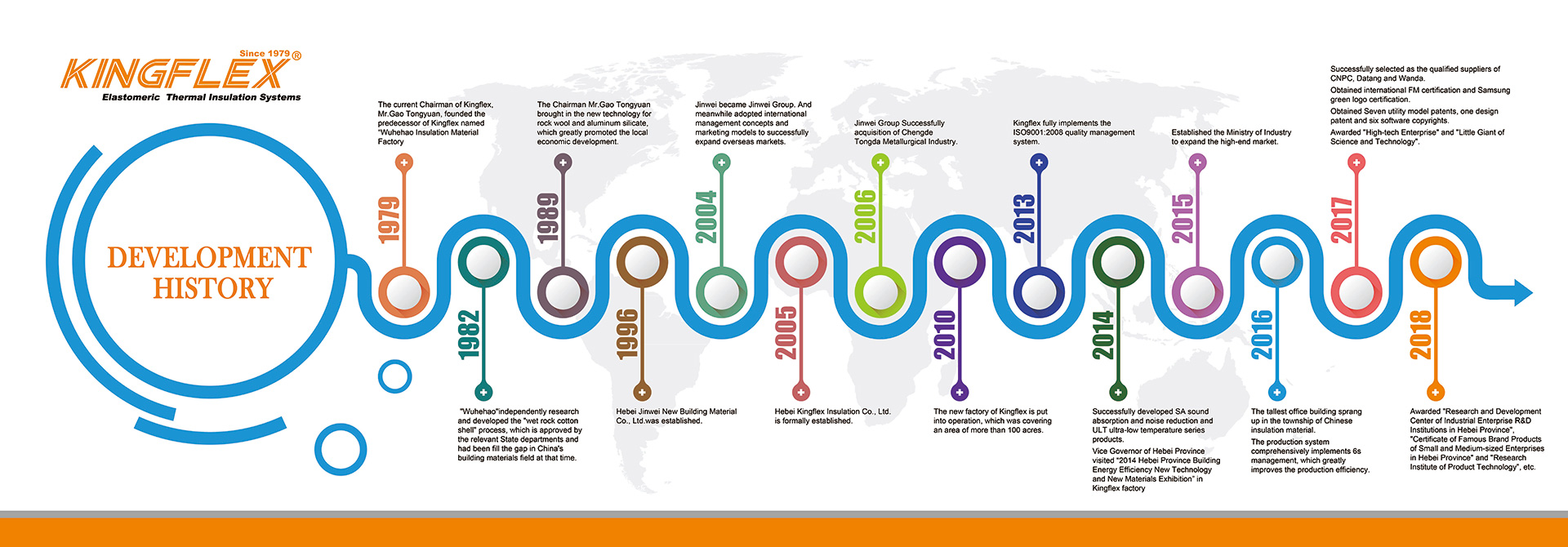
Established in 1979 by the Jinwei Group, Kingflex has built a strong reputation over more than 40 years as a pioneer in green building and thermal insulation materials north of the Yangtze River. Operating in Dacheng, China—a hub for energy-saving, eco-friendly construction materials—Kingflex is a vertically integrated enterprise that combines design, R&D, advanced manufacturing, and global technical support.
Today, our facility operates 5 large automatic assembly lines, generating an annual production capacity of over 600,000 cubic meters. This scale has earned us designated production status from the Ministry of Energy, the Ministry of Electric Power, and the Ministry of Chemical Industry. With a dedicated workforce of 230 technicians and 8 R&D engineers, Kingflex supplies custom energy-saving solutions to over 66 countries, ensuring reliable thermal efficiency across high-demand industrial sectors.

How Kingflex products perform across diverse industries, from cryogenic systems to municipal networks.
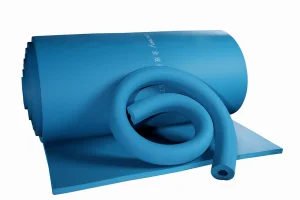
For modern commercial and residential buildings, exterior chilled water and warm air piping networks must maintain design flow temperatures over long horizontal runs. Kingflex elastomeric foam pipes and sheet rolls minimize heat gain from solar radiation and prevent condensation in hot, humid climates. This helps reduce energy loads on central chiller plants.
In low-temperature petrochemical processing and LNG transportation, pipeline temperatures can drop below -150°C. Standard elastomeric formulations become brittle and crack under these conditions. Kingflex has developed specialized elastomeric cryogenic systems that maintain flexibility and thermal performance at extreme low temperatures, preventing thermal shock and structural pipeline failure.
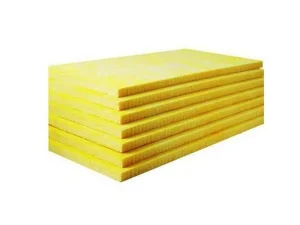
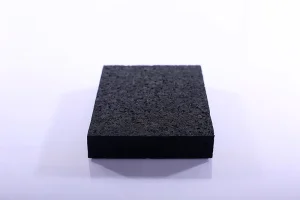
High-pressure steam pipes in industrial plants require insulation that can handle elevated temperatures without structural degradation. In these applications, Kingflex high-density rock wool boards and fiberglass systems are used alongside outer protective jackets. These systems provide excellent non-combustibility and thermal protection, ensuring high energy efficiency and worker safety.
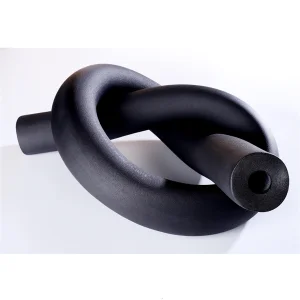
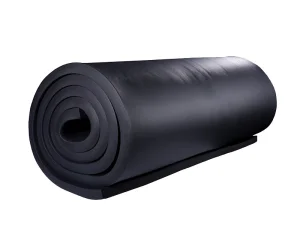
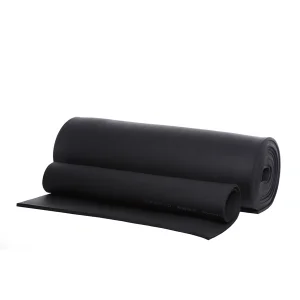
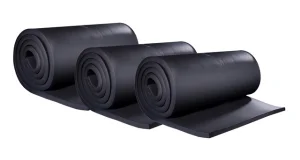
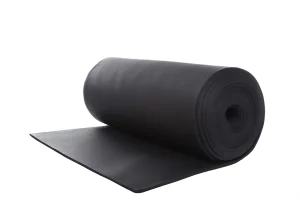
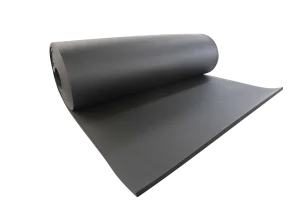
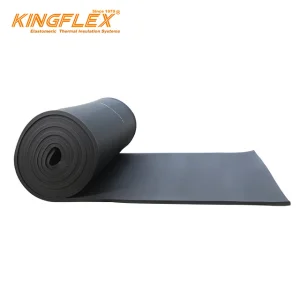
Technical parameters for Black Rubber Foam Sheet Rolls and Pipes.
Standard Dimensions & Parameters:
Key Advantages:
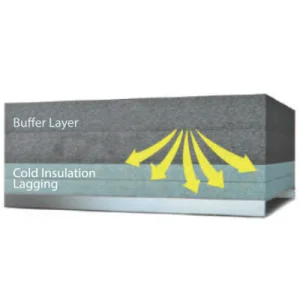
Uniform micro-cellular foaming with a closed-cell rate exceeding 98%. This design provides low thermal conductivity, high moisture resistance, and stable long-term insulating properties. Compression resilience exceeds 80%, allowing the sheet to recover its shape after impact or mechanical stress.
Standard Dimensions & Parameters:
Key Advantages:
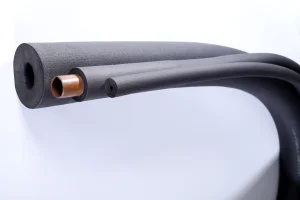
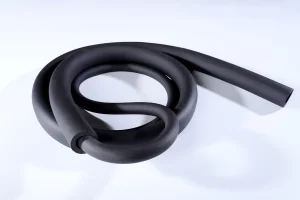
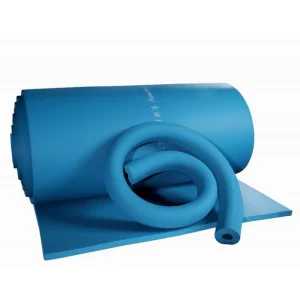
Engineered for fast, reliable installation on curved and linear piping systems. The uniform foam structure prevents thermal bridging at joints, while the high vapor barrier index reduces the risk of condensation and protects pipes from freezing and cracking in cold weather.
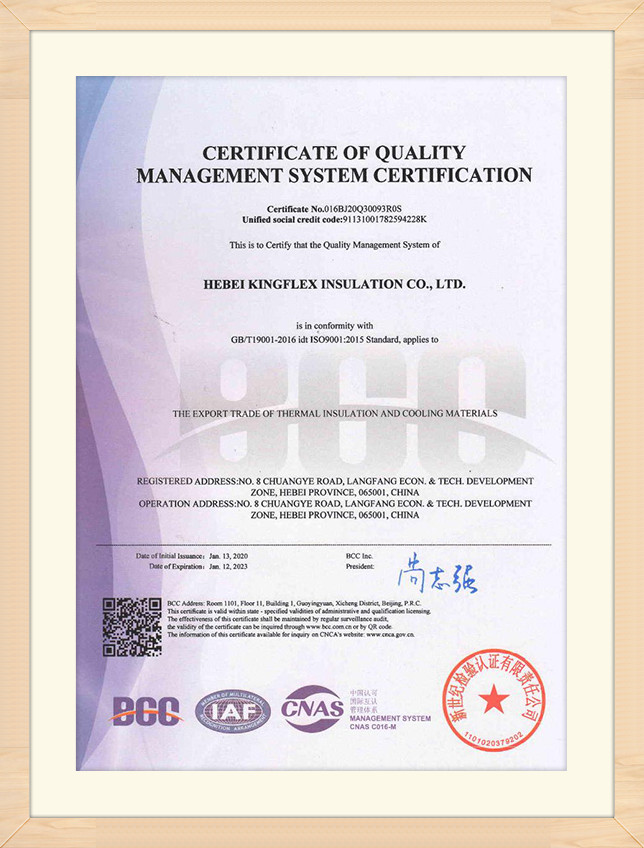
As a global B2B supplier, Kingflex follows strict international testing protocols to ensure our products meet local building regulations worldwide. Our insulation materials undergo regular testing for fire behavior, environmental safety, and thermal properties.
Our products comply with BS 476 (Class 0 and Class 1) for fire safety, and hold certifications from CE, REACH, ROHS, UL94, and ASTM. This guarantees compliance with environmental laws, heavy metal restrictions, and fire safety codes in European, North American, and Asian markets. With full batch traceability, our customers can verify raw materials and test parameters for every shipment.
Kingflex R&D initiatives for next-generation thermal insulation materials.
As energy efficiency standards tighten globally, Kingflex is investing in R&D to develop next-generation insulation materials. Our technology roadmap focuses on three main areas: improving polymer performance, reducing environmental impact, and creating smarter systems.
Direct engineering and logistical answers to support procurement and design decisions.
Select from our specialized product lines for cryogenic, acoustic, and high-temperature applications.
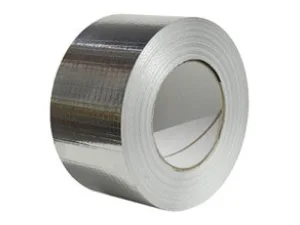
Whether you are designing a high-performance HVAC network, an industrial steam loop, or a low-temperature cryogenic facility, our technical team can help you select materials, calculate thermal properties, and manage international shipping logisitcs.
Contact Kingflex Engineering Department Kingflex