Explore the leading industry-standard elastomeric thermal foams, engineered for energy efficiency and reliable protection against heat transfer and condensation.
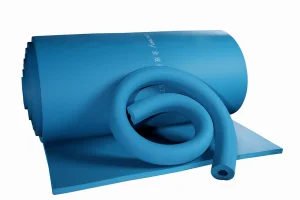
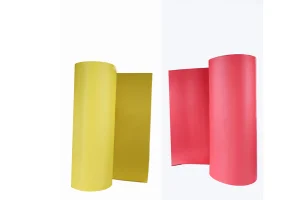
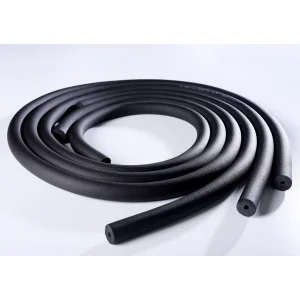
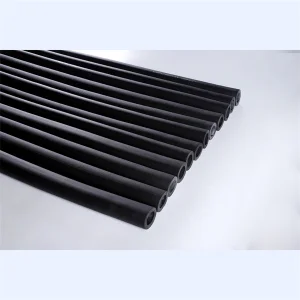
A B2B Whitepaper on thermodynamic metrics, raw material superiority, application environments, and procurement intelligence.
In modern industrial and commercial operations, building design demands rigorous controls over thermal efficiency, moisture intrusion, and acoustic performance. Traditional mechanical insulation solutions, such as open fibrous wraps, often face long-term degradations in performance when exposed to severe ambient conditions, humidity cycles, and mechanical stress. The innovation of closed-cell elastomeric thermal foam insulation (typically composed of custom NBR/PVC polymer formulations) has fundamentally solved these operational vulnerabilities.
By locking over 98% of the microscopic gaseous cells within a solid polymer grid, elastomeric foams prevent the convective flow of air within the material. Furthermore, its inherent low water vapor permeability (high resistance to vapor transmission) eliminates the requirement of secondary vapor barriers in many conditions, ensuring consistent thermal conductivity (λ) values throughout the system's 15-year typical operational life. In cryogenic engineering settings, NBR/PVC foams provide stable protection against extreme cold shrinkage, pipe freezing, and ambient moisture condensation.
Deploying five fully-automated continuous foaming lines, Kingflex maintains an annual production capacity exceeding 600,000 cubic meters. This guarantees B2B buyers reliable, high-volume supply capabilities even during intense project fast-tracks.
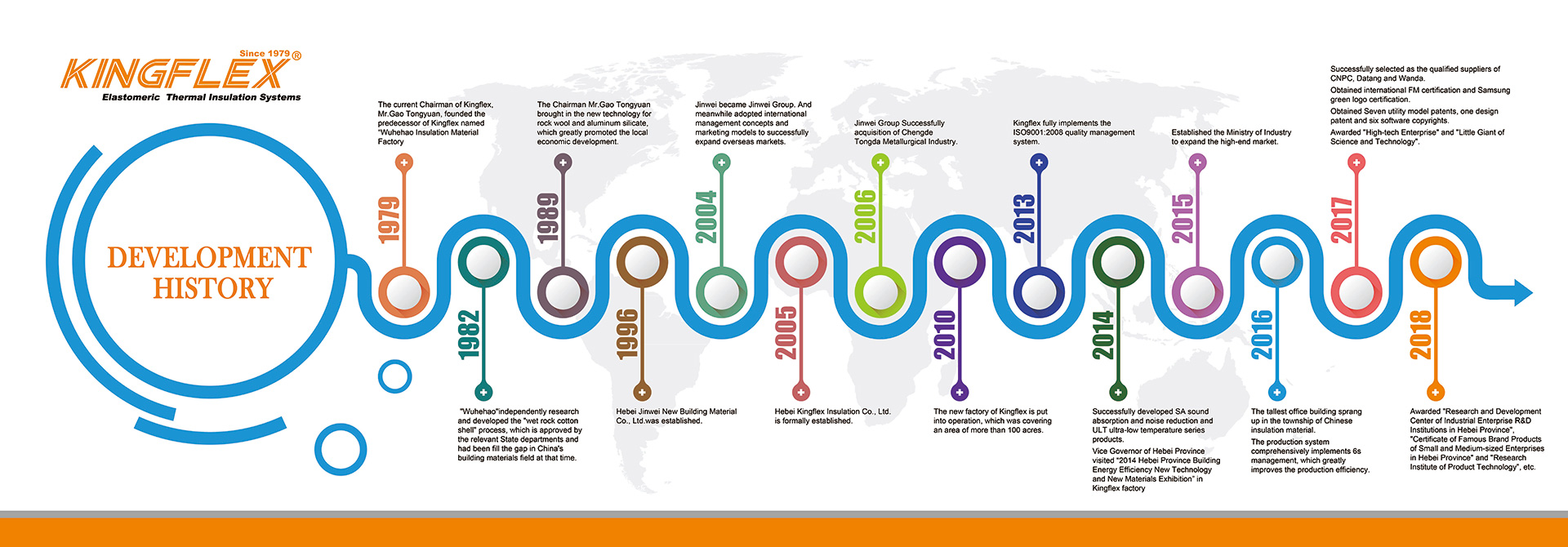
Established as part of the Jinwei Group (originating in 1979 as the pioneer manufacturer of thermal insulation materials north of the Yangtze River), our team brings 40+ years of material research and engineering experience to each production batch.
Fully compliant with international construction codes and mechanical specs, our products are certified by BS 476, CE, REACH, ROHS, UL94, and ASTM standards, assuring frictionless local authority approvals.
Sourcing from Dacheng, China—historically and structurally recognized as the capital of green-building materials—offers global supply chain operations significant strategic advantages:

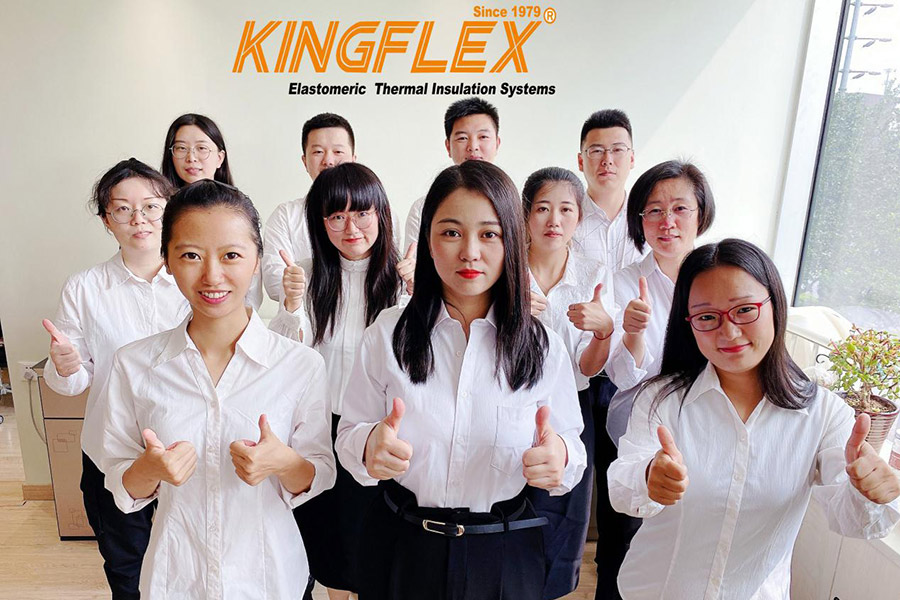

A quantitative comparison of closed-cell elastomeric foam against conventional insulation options for industrial applications.
| Property Matrix | NBR/PVC Elastomeric Foam | Rock Wool Material | Glass Wool Insulation |
|---|---|---|---|
| Structure | Closed-Cell (≥98% cell ratio) | Open Fibrous Matrix | Open Fibrous Matrix |
| Thermal Conductivity (λ) | ≤ 0.034 W/(m·K) at 0°C | ≤ 0.040 W/(m·K) at 25°C | ≤ 0.038 W/(m·K) at 25°C |
| Temperature Spectrum | -40°C to +105°C | Up to +650°C | Up to +250°C |
| Moisture Resistance | Extremely High (Vapor barrier built-in) | Low (Requires outer jacket barrier) | Low (Requires continuous jacketing) |
| Corrosion Protection (CUI) | Active prevention (Prevents water ingress) | Requires regular checks for CUI | Prone to moisture accumulation |
How modern regulatory demands and industrial expansions shape mechanical insulation specifications.
Globally, local building codes are tightening thermal loss parameters. Standards such as ASHRAE 90.1 mandate increased minimum thicknesses for mechanical piping insulation. Using Kingflex's closed-cell thermal solutions, commercial buildings reduce overall carbon footprint by minimizing load factors on HVAC chillers and boilers.
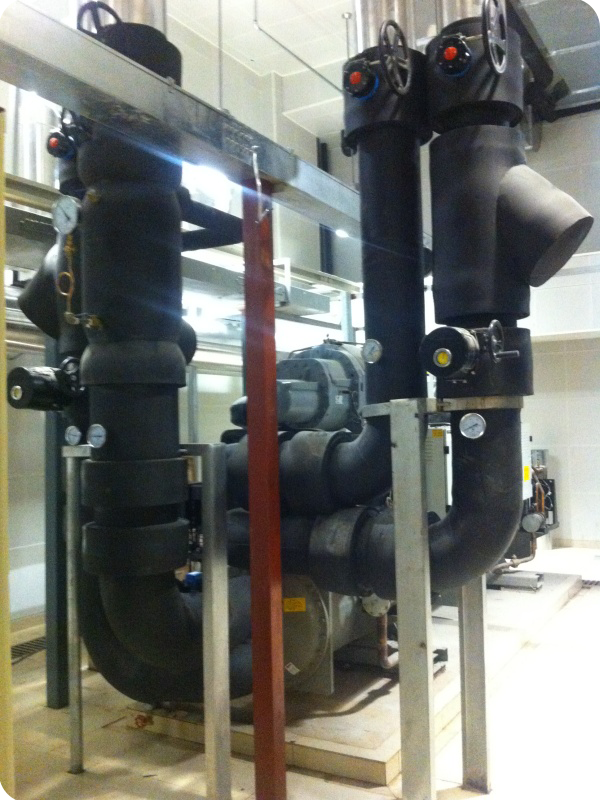
In chemical and petrochemical operations, CUI costs millions annually. Water penetrating external jacketing and contacting underlying carbon or stainless steel piping initiates accelerated corrosion. Due to its flexible, elastomeric, non-wicking structure, NBR/PVC foam adheres closely to pipe profiles, sealing off moisture pathway access and minimizing CUI risk.
Ultra-low temperature systems, including liquid nitrogen pipelines and liquid natural gas (LNG) transport terminals, require insulation that resists stress cracking, dimensional shrinkage, and high humidity condensation. Our cryogenic rubber foams are formulated to remain flexible under deep thermal stress, maintaining system integrity.
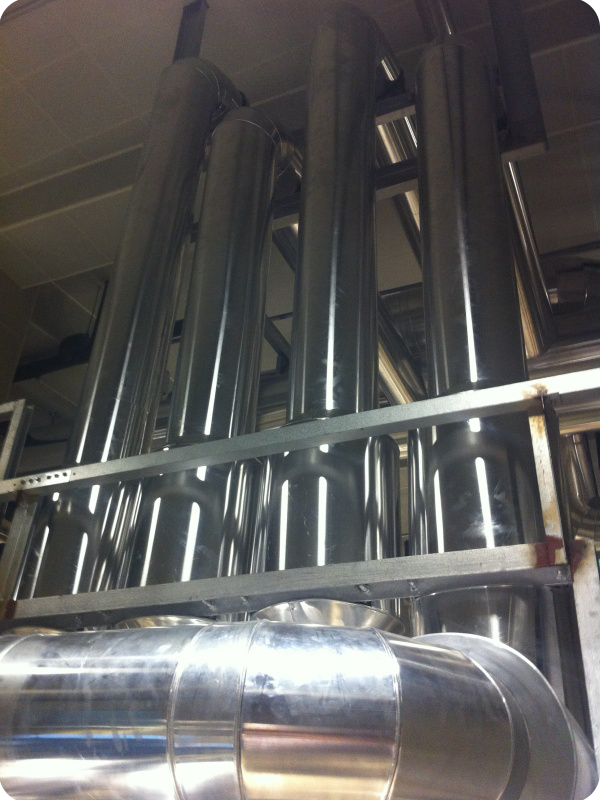
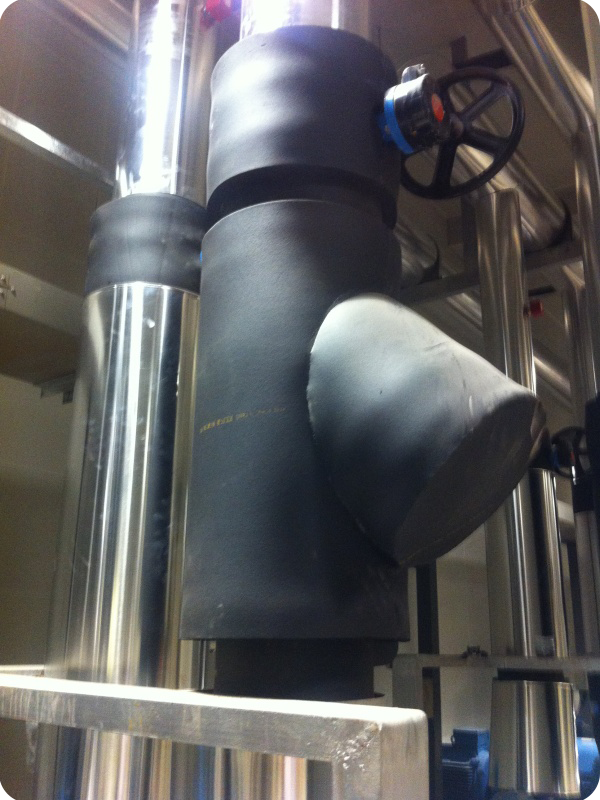
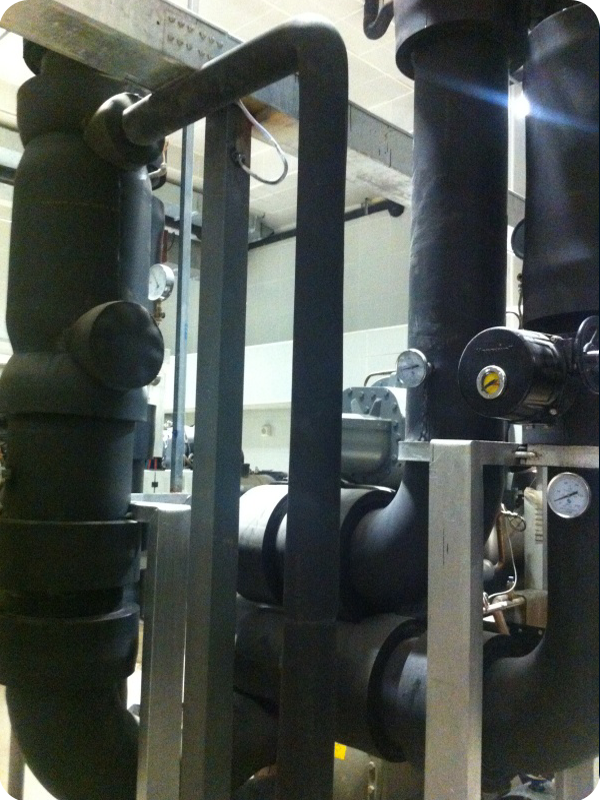
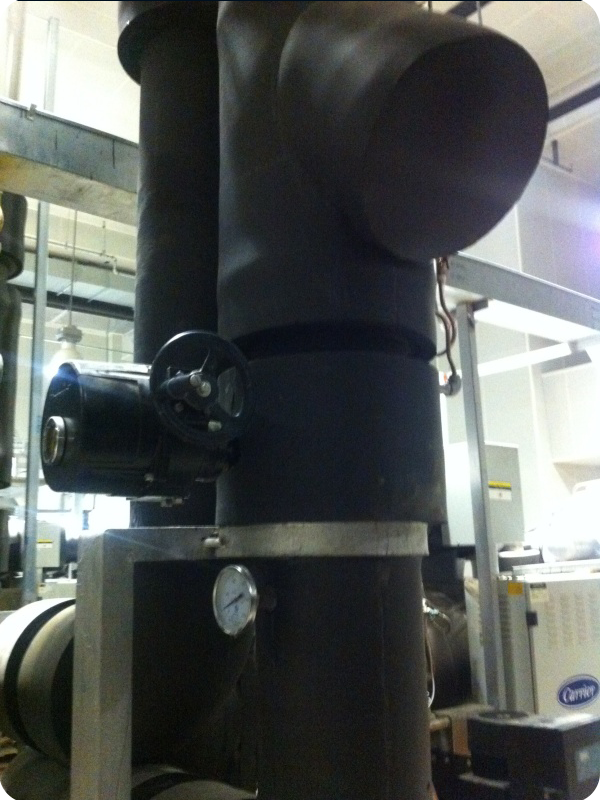
A visual showcase of our global projects, state-of-the-art testing labs, and actual client interaction screenshots showing our service reliability.
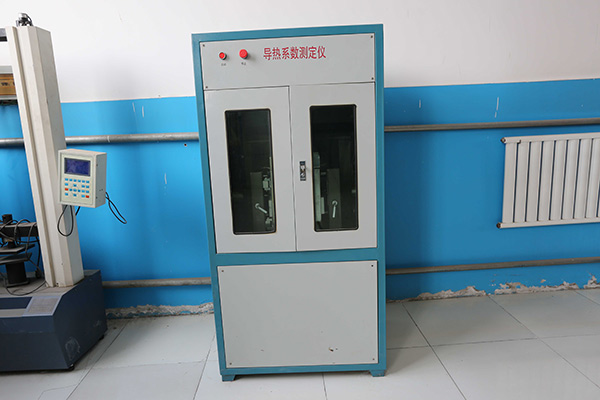
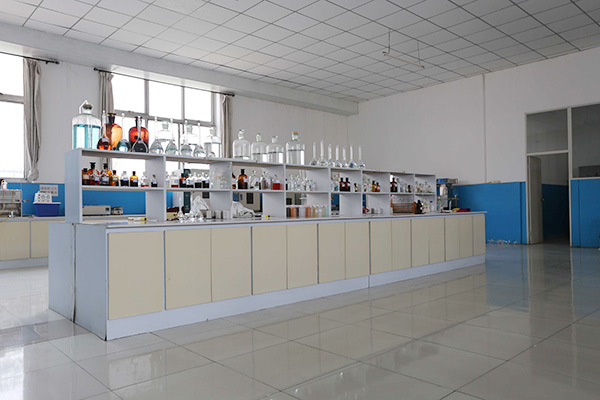
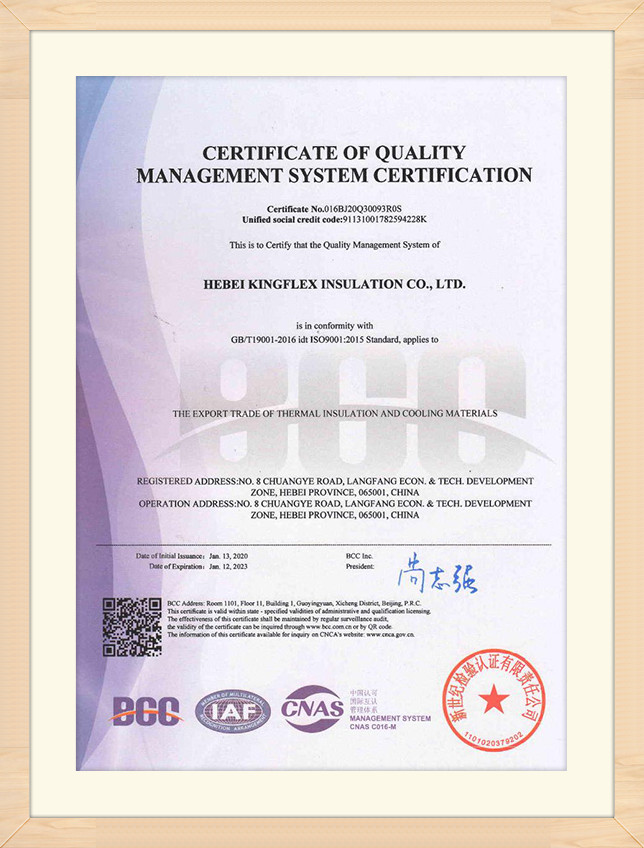

Each batch of raw material undergoes rigorous inspection. Our QA lab tests for tensile strength, elongation, thermal conductivity, and fire propagation metrics prior to packaging.


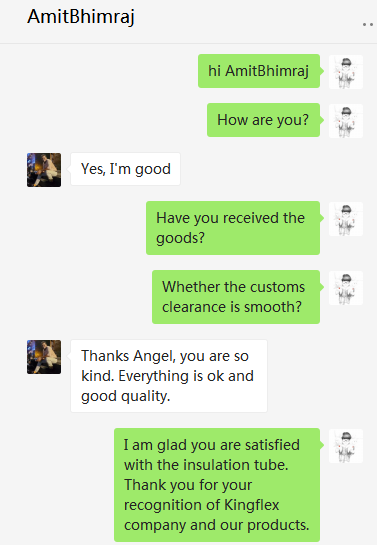

Real and direct client chats show Kingflex's focus on smooth B2B operations: customized dimensions, clear quotes, active coordination, and precise logistics execution.

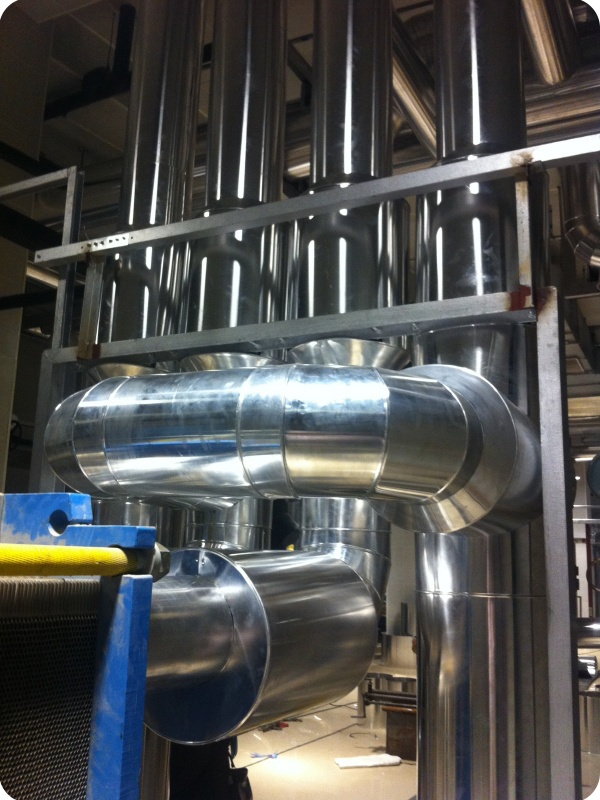
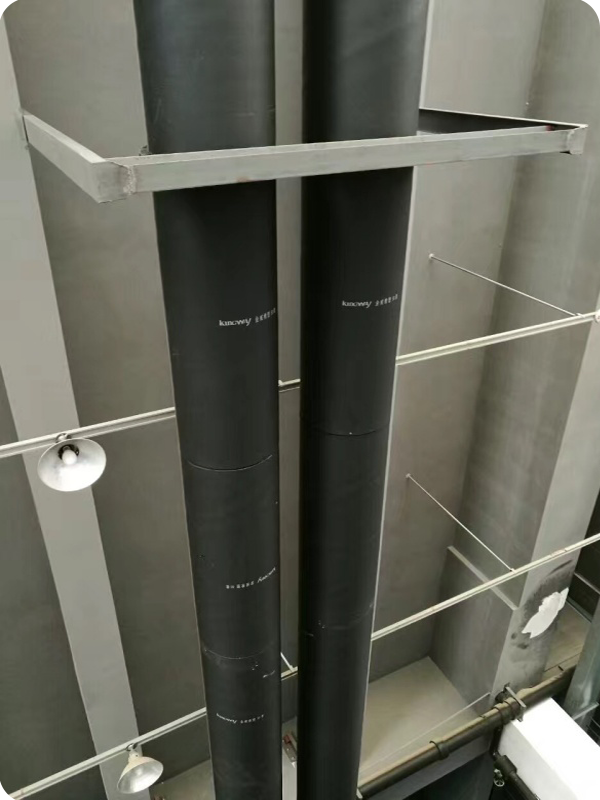
A reference guide detailing material thickness, density, and standard temperature constraints for physical projects.
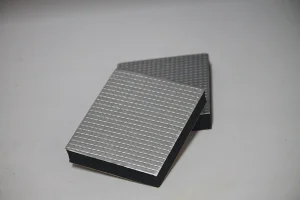
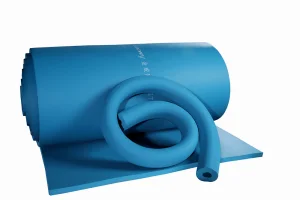
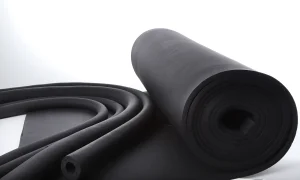
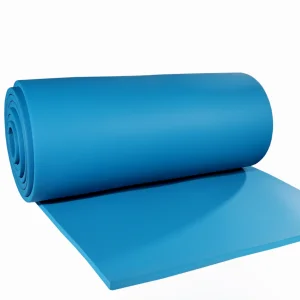
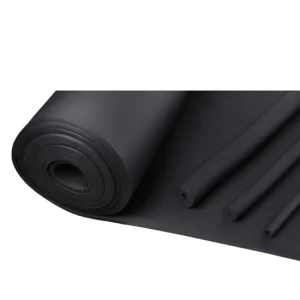
Designed for flat profiles, large diameter ducting systems, tank installations, and machine room wall acoustic damping.
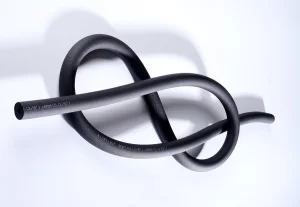
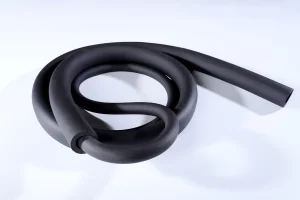
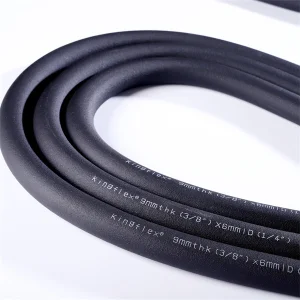
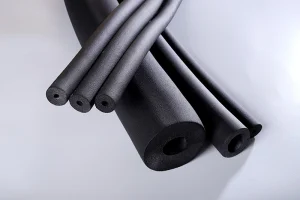
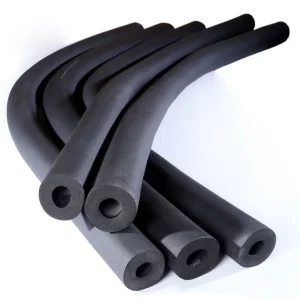
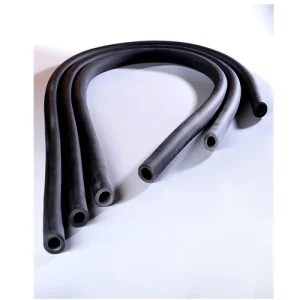
Engineered for central air conditioning lines, hot and cold water supplies, and mechanical processing pipeline envelopes.
Get answers to common technical, commercial, and installation questions regarding modern mechanical insulation projects.
It is mainly used for HVAC ducts, air conditioning pipes, building thermal insulation, industrial pipeline cold insulation, and sound insulation. Its closed-cell structures prevent temperature fluctuations and prevent moisture ingress, making it optimal for heavy climate exposure.
Yes, our rubber foam insulation is fire retardant, which meets the safety standards of building and industrial projects. The material is manufactured to conform to Class 0/Class 1 flame and smoke propagation parameters, self-extinguishing upon loss of contact with direct flame.
Rubber foam is flexible, closed-cell, and moisture-proof, making it suitable for HVAC, chilled water piping, and cryogenic building insulation without separate vapor barriers. Rock wool is high-temperature resistant and fireproof, which makes it suitable for high-temperature steam lines and furnace walls but susceptible to moisture degradation if not jacketed correctly.
Yes, we support comprehensive OEM services to meet different project needs. We customize thickness (6mm to 50mm), internal diameter ranges, outer laminations (aluminum foil or glass fiber cloth protection), and color profiles according to engineering specifications.
Our products have passed BS 476, CE, REACH, ROHS, UL94, ASTM, and other international certifications, ensuring product quality and compliance with global environmental, safety, and construction standards.
Yes. Every batch of Kingflex insulation sheet rolls and tubes is coded with precise batch indices, tracking chemical compounding stages, foaming furnace profiles, inspection records, and shipment parameters for quality verification.
We can produce continuous sheet rolls from 6mm to 50mm thickness. Thinner profiles are optimal for small space restrictions, whereas thicker configurations provide maximum insulation against high dew-point condensation risks.
Under recommended operational conditions within the limits of -40℃ to +105℃, our premium NBR/PVC rubber foam insulation systems have a service life of approximately 10 to 15 years, requiring minimal maintenance.
A comprehensive catalog of our corrosion-resistant, flexible, and specialty industrial glass and rock wool insulation products.
 Kingflex