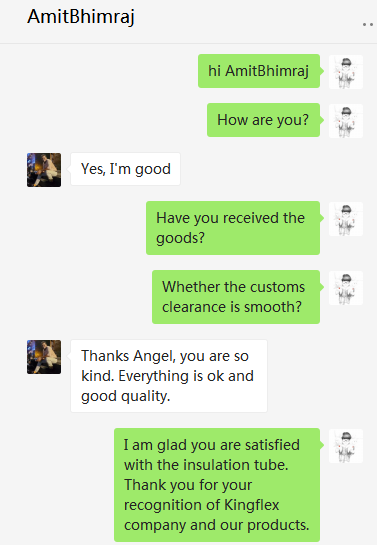
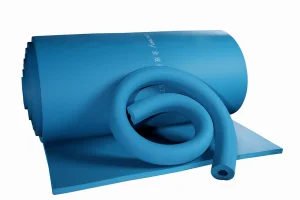
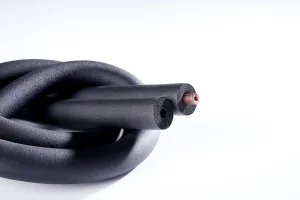
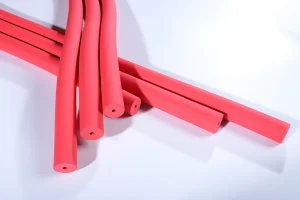
Direct from Factory. Certified according to international safety and thermal efficiency standards.
In large-scale industrial projects, commercial HVAC installations, and cryogenic cooling systems, selecting the appropriate pipe insulation thickness is not just a regulatory checklist item—it is a critical engineering decision that dictates operational cost, system longevity, and safety compliance. Proper thickness prevents outer surface condensation, controls thermal gain/loss, and ensures structural stability.
For over four decades, Kingflex Insulation Co., Ltd. has stood at the forefront of the elastomeric rubber foam manufacturing industry. By leveraging advanced closed-cell NBR/PVC structures, we manufacture high-performance thermal insulation pipes and sheets engineered to withstand extreme temperatures while maintaining an exceptional moisture resistance barrier.

A B2B technical guide mapping thermal conductivity, environmental humidity, and project parameters.
For chilled water pipes and refrigeration circuits, the insulation thickness must be calculated to keep the outer surface temperature of the insulation above the ambient dew point. High ambient relative humidity dictates thicker walls.
Hot water lines and low-pressure steam pipelines require optimal thickness to minimize radiant heat loss, ensuring structural HVAC plants operate at minimal energy consumption indices.
Systems operating from -40°C down to cryogenic thresholds (-196°C) necessitate multi-layered elastomeric setups to handle massive thermal contractions and exclude any trace of ambient moisture.
We specialize in customized thicknesses from 6mm to 50mm. Use this guide to assess the standard dimensional capacities available from our factory:
| Insulation Type | Material Composition | Available Thickness | Density Range | Inner Diameter (ID) | Operational Temperature Range |
|---|---|---|---|---|---|
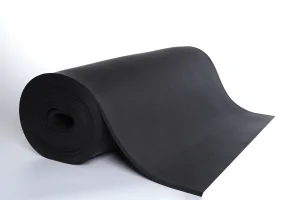
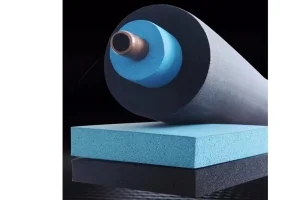
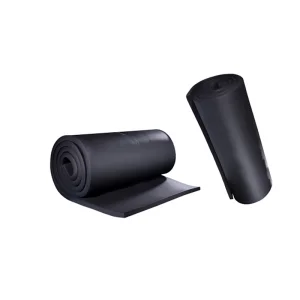
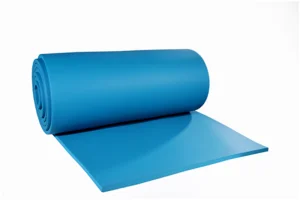
| Black Rubber Foam Sheet Roll | NBR/PVC Elastomeric Foam | 6mm - 50mm | 40 - 55 kg/m³ | N/A (Roll Format) | -40℃ to 105℃ |
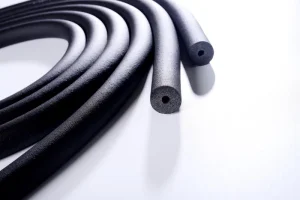
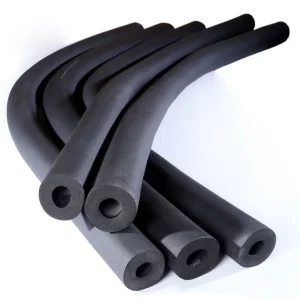
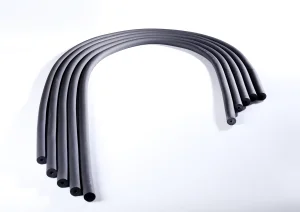
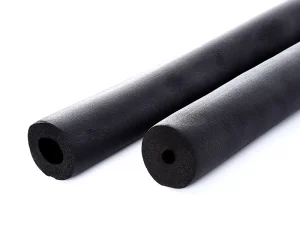
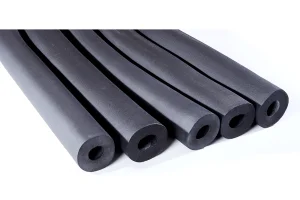
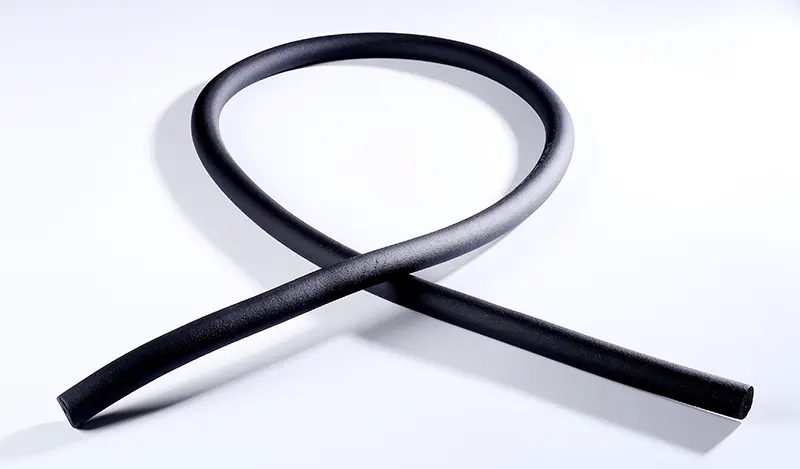
| Black Rubber Foam Insulation Pipe | NBR/PVC Elastomeric Foam | 9mm - 40mm | 40 - 55 kg/m³ | 6mm - 114mm | -40℃ to 105℃ |
| Cryogenic Rubber Foam Systems | High-Performance Elastomeric | 13mm - 50mm (Multi-layer) | 50 - 65 kg/m³ | Customized configurations | -196℃ to 105℃ |
| High-Temperature Resistant Pipe | Specialized EPDM/NBR Formulation | 9mm - 32mm | 45 - 55 kg/m³ | 12mm - 89mm | -50℃ to 150℃ |
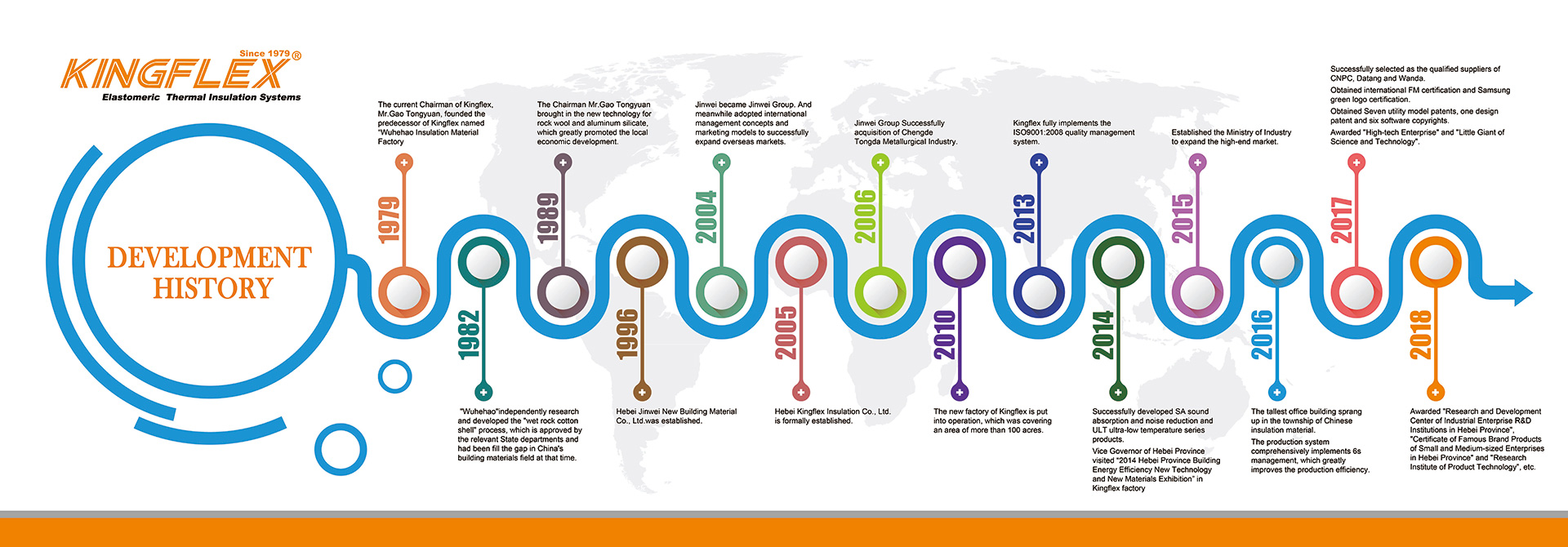
Sourcing wholesale insulation from China requires selecting a supplier with proven manufacturing capacity and strict quality control. Kingflex is located in Dacheng, China—known as the world's leading capital of green building materials. This industrial cluster grants us vertical logistics and raw material advantages that directly translate to cost savings for our global customers.
Continuous continuous-extrusion vulcanization processes ensure consistent foam density, cells, and wall thickness accuracy, reducing onsite installation problems.
Formulations incorporate advanced fire-retardants and eco-friendly foaming agents. We maintain close supplier agreements, insulating you from raw chemical market price shifts.
Every production batch is assigned a unique tracking number, linking it to raw material batches and shift logs, establishing accountability across the supply chain.
Ensuring trouble-free customs clearance and local mechanical code compliance in international markets.
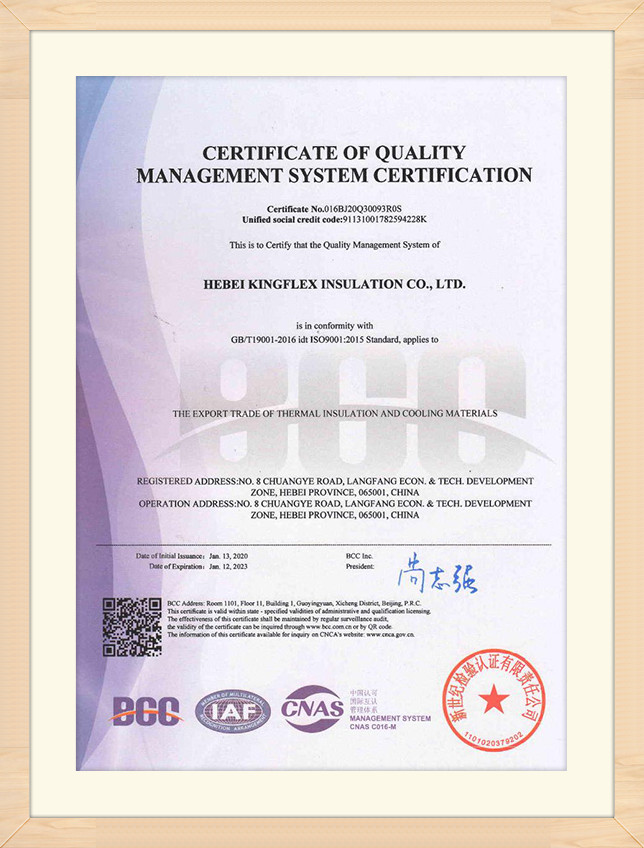
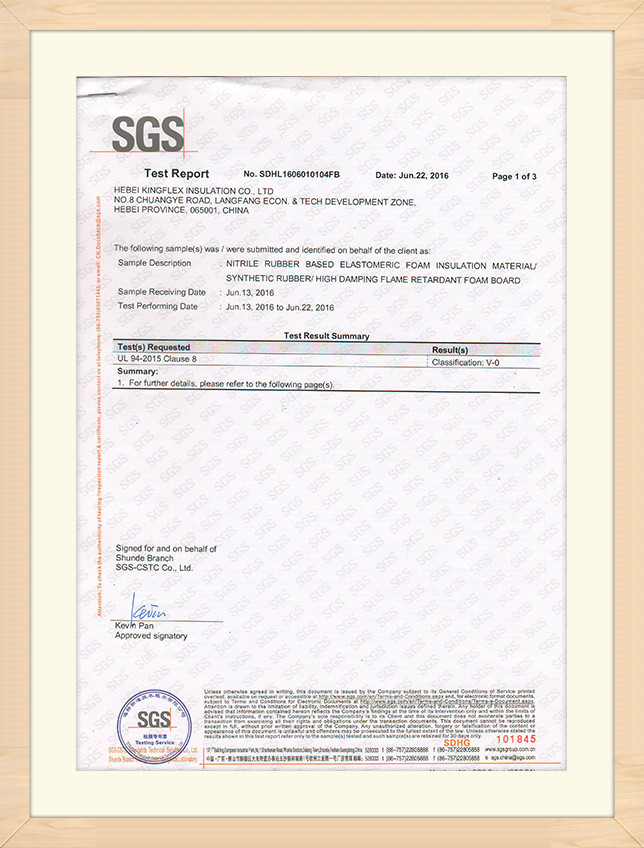
Our products meet ASTM C534 standards for flexible elastomeric cellular materials and comply with the flame/smoke rating requirements of UL94 and ASTM E84 (25/50 classification), making them suitable for commercial return air plenums.
Fully compliant with EN 14304 for factory-made flexible elastomeric foam products. Our production supports CE marking and meets strict REACH and RoHS criteria, verifying they are free from heavy metals and ozone-depleting substances.
Certified under BS 476 Part 6 & Part 7 achieving Class 0 ratings. This performance mitigates vertical flame spread in high-occupancy commercial structures such as hotels and public hospitals.


Partnering with world-class engineering firms to deliver customized insulation solutions.
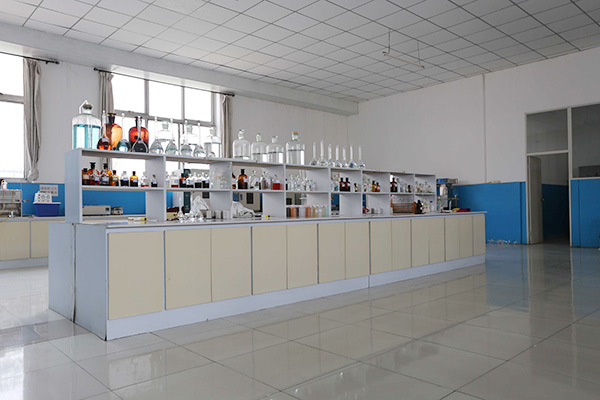
The Kingflex research department operates in Dacheng, China, focusing on improving mechanical stability and thermal efficiency. Our laboratory houses environmental chambers, thermal conductivity meters, and vertical burn cabinets. This allows our 8 R&D engineers to simulate regional climates, including high-temperature, humid tropical regions and cryogenic industrial sites, during the design phase.

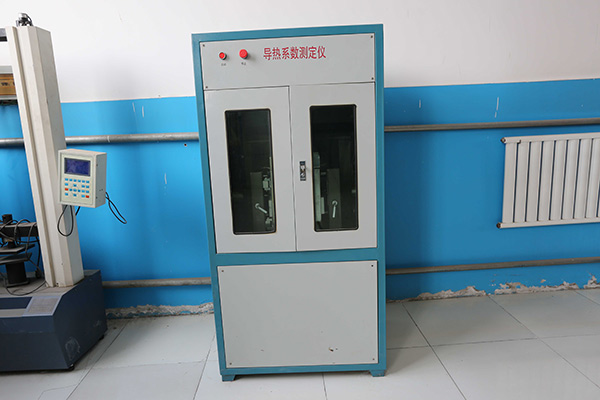
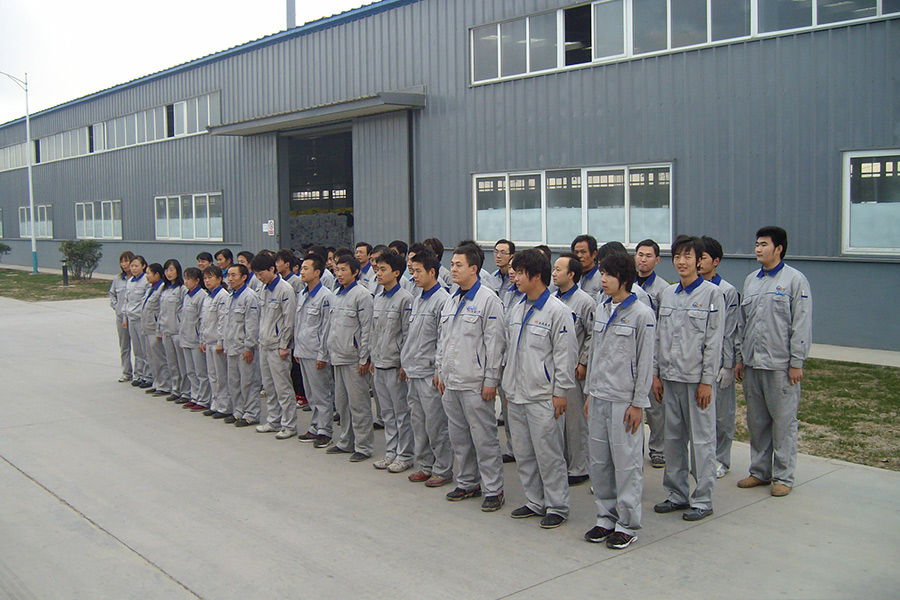
Our team comprises technical specialists, logistics managers, and customer service representatives. Kingflex employs 6 international sales consultants, 8 specialized engineering staff, and 230 production workers. We collaborate with clients to optimize raw material specifications, container space, and delivery schedules.

Proof of performance across HVAC systems, district cooling networks, and industrial manufacturing facilities.

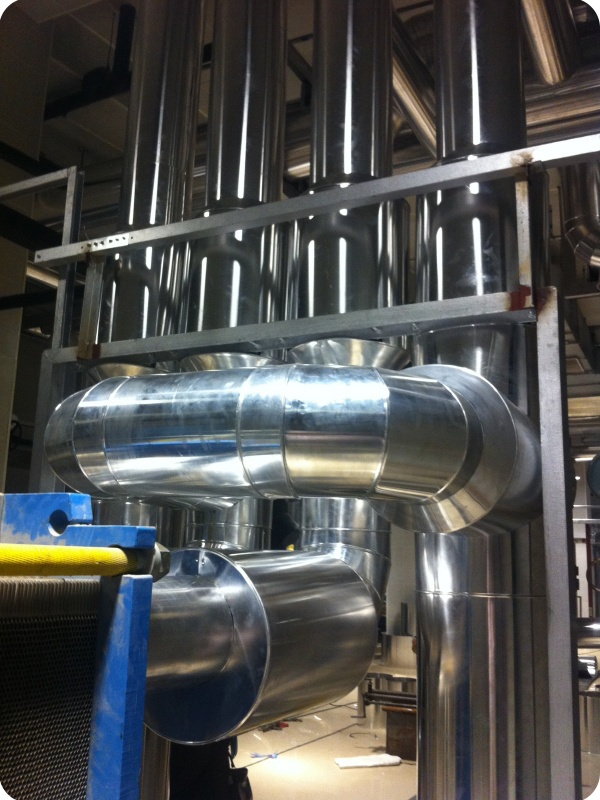
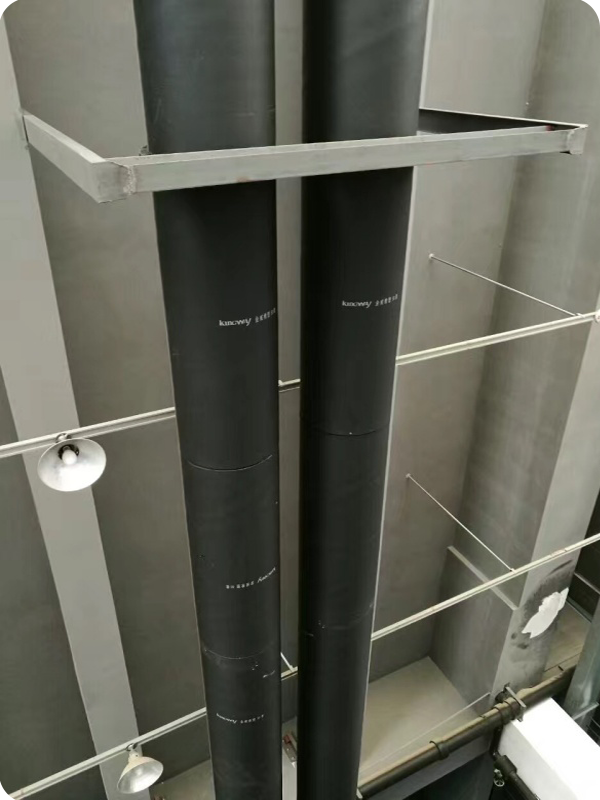
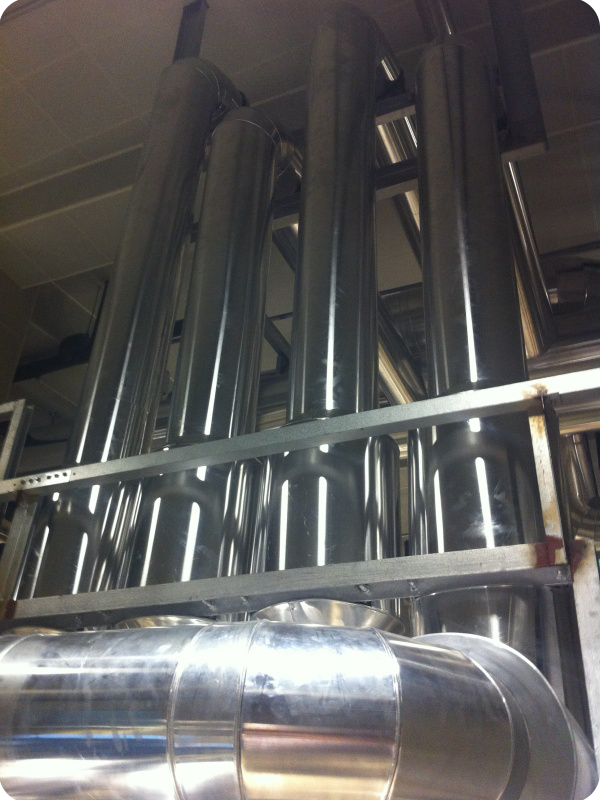
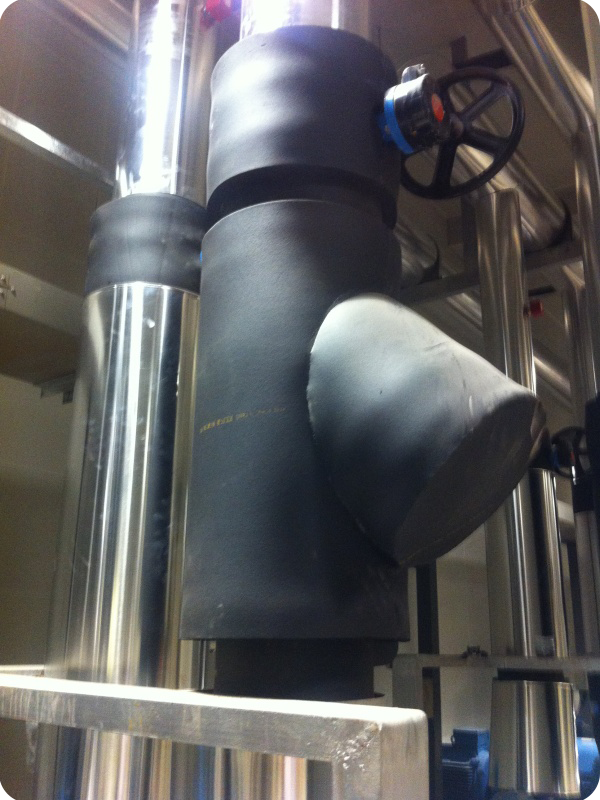
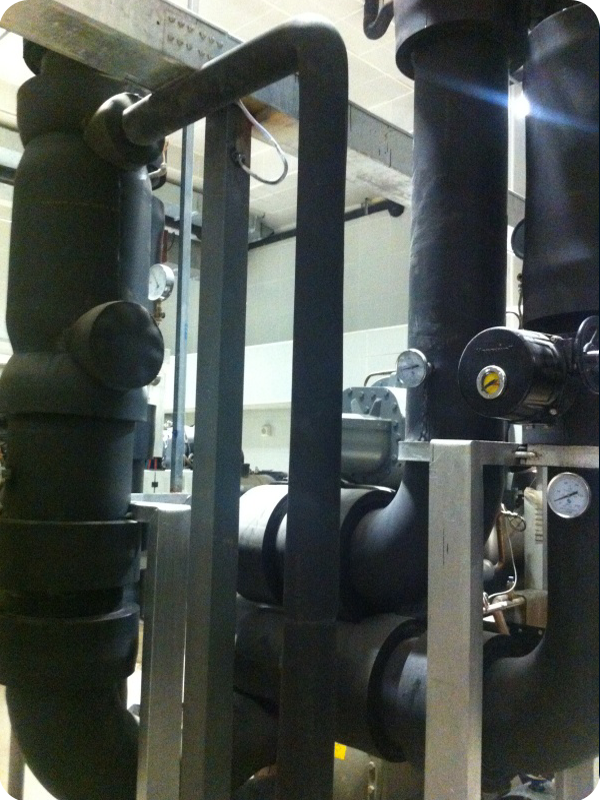
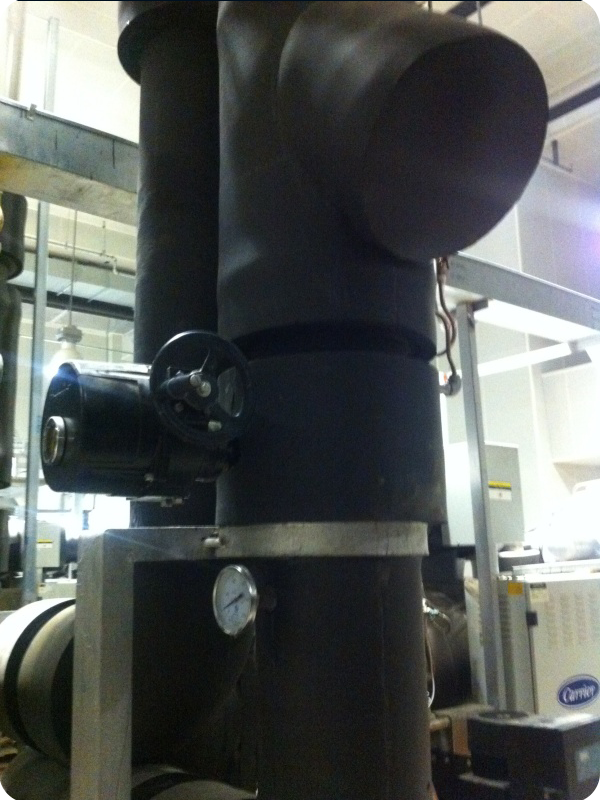
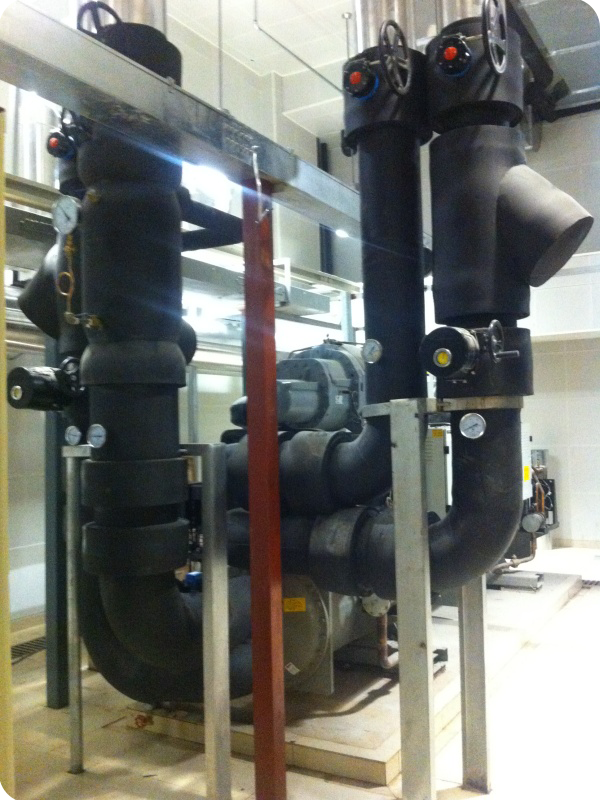
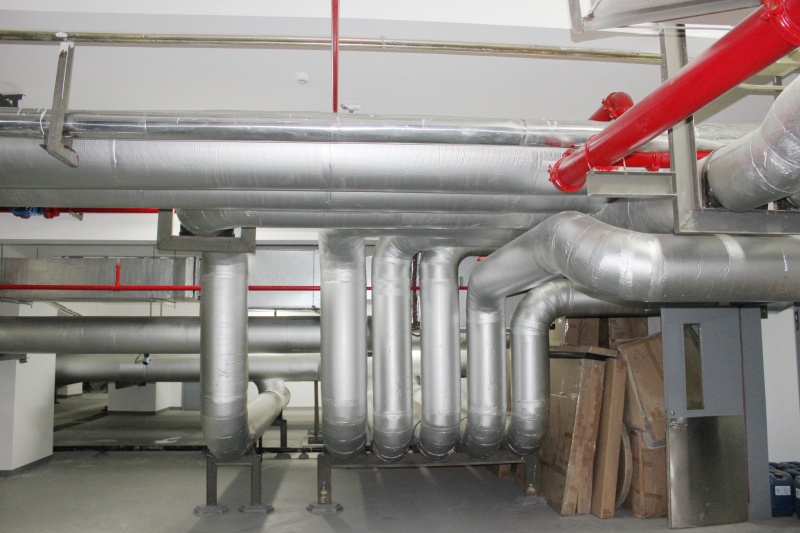
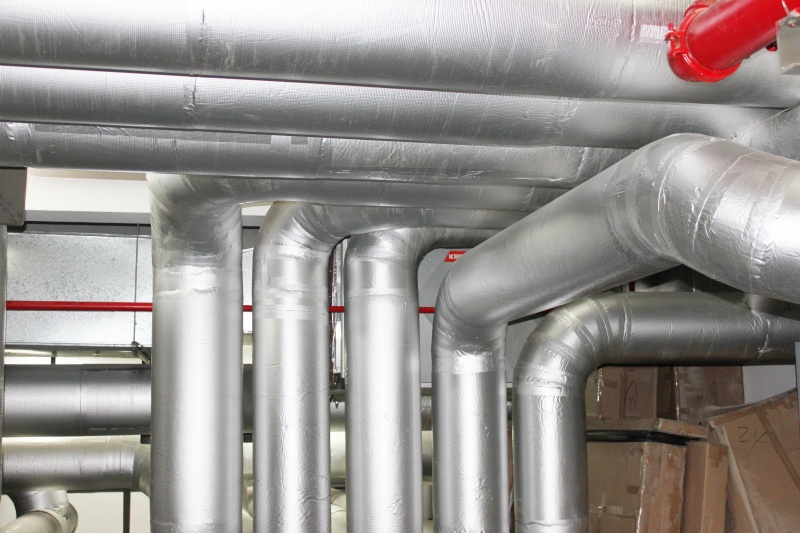
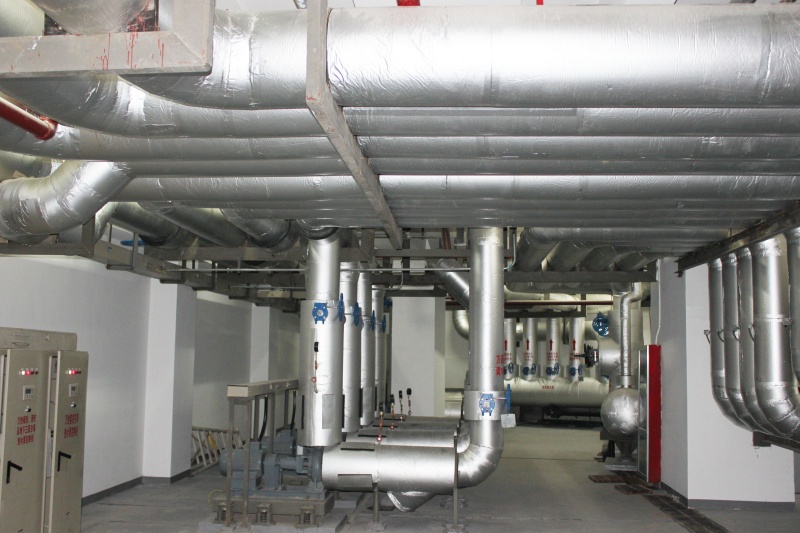
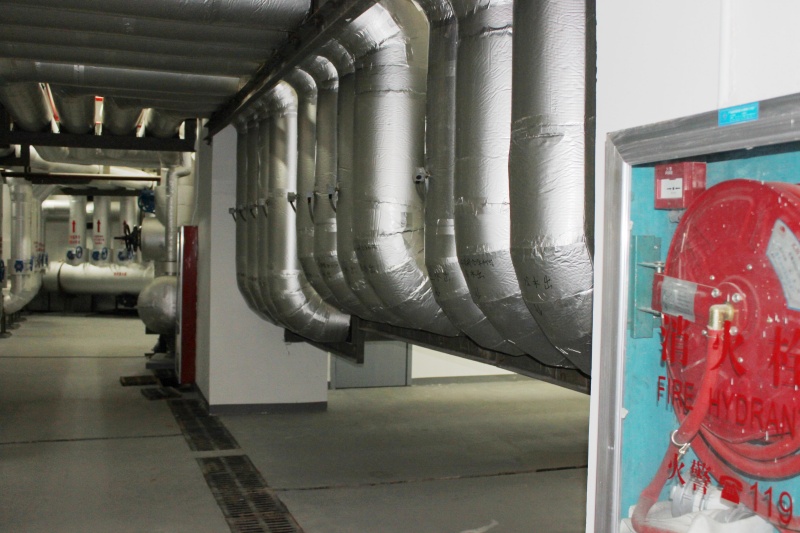
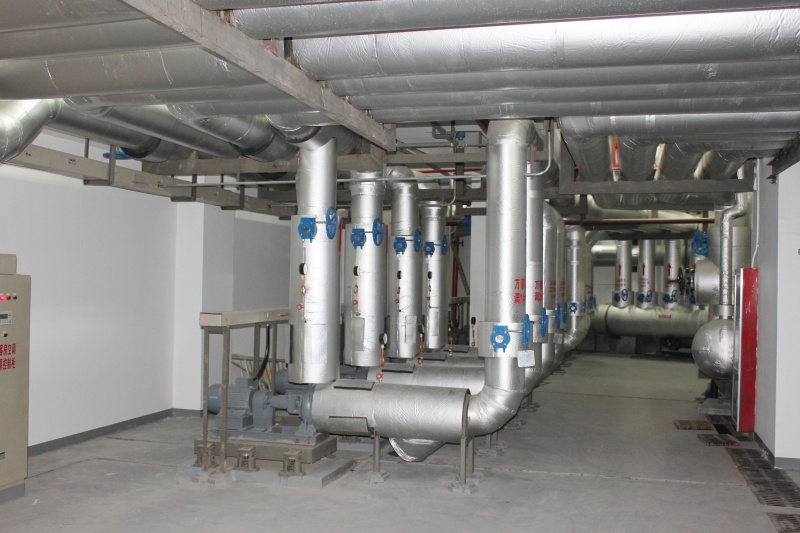
We process thousands of cubic meters weekly. Here is an inside look at our warehouses, automated extrusion channels, and raw mixing complexes:
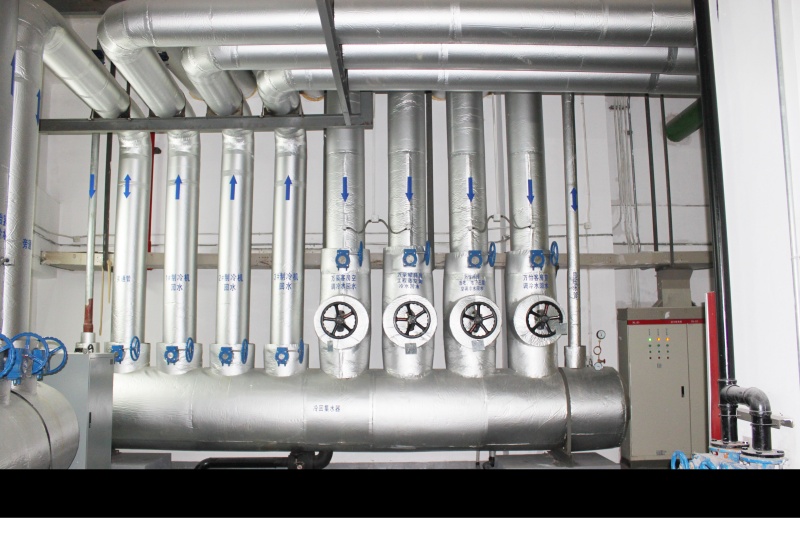


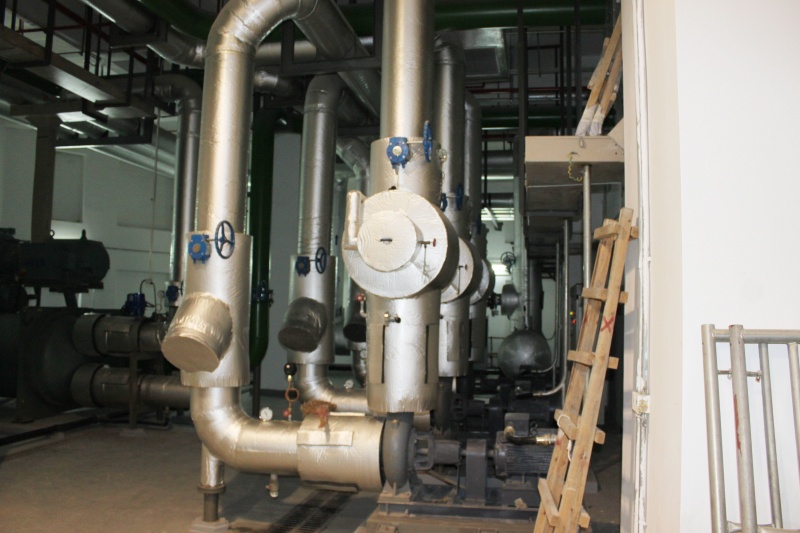
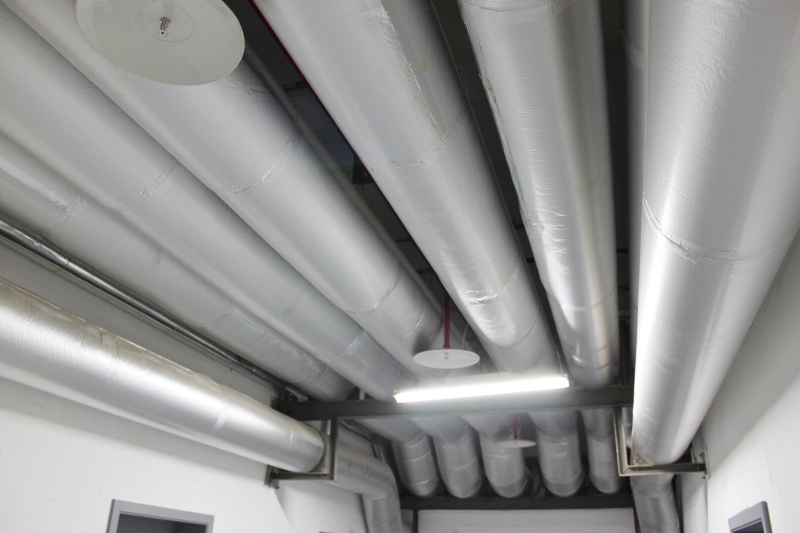


Understanding volume-based purchasing matrices, customized sizing, and logistics optimization.
The wholesale unit price of elastomeric foam insulation is determined by four parameters:
Because elastomeric foam is lightweight but voluminous, transport costs can impact total import expenses. We optimize shipping configurations through nested packing:







Direct answers from our engineering division regarding parameters, standards, and B2B ordering.
A1: It is primarily used for commercial and residential HVAC ducting, split air conditioner lines, refrigeration system piping, acoustic dampening, and industrial cold process piping to prevent heat gain, loss, and structural condensation.
A2: Yes. Our materials are formulated to be flame-retardant. They comply with international fire codes including BS 476 Part 6 & 7 (Class 0 and Class 1), UL94 vertical burning classification, and ASTM E84 surface burning characteristics, ensuring they meet commercial construction safety parameters.
A3: Rubber foam is a flexible, closed-cell material with inherent moisture resistance, making it ideal for cooling lines, condensation control, and HVAC. Rock wool is a fibrous mineral-based insulation that excels in high-temperature applications (up to 1000°C) and fireproofing but requires an external vapor barrier to prevent moisture absorption in cold processes.
A4: Yes, we provide OEM/ODM services. We can adjust the foaming density, inner diameters, wall thicknesses (up to 50mm), and add custom protective skins (such as aluminum foil, glass fabric, or colored NBR jackets).
A5: Kingflex products are certified under BS 476, CE, REACH, RoHS, UL94, and ASTM standards. Copies of test certificates from independent laboratories are provided upon request with every bulk shipment.
A6: Yes. Our factory uses an ERP quality tracking system. Every production batch is coded with barcodes tracing it to raw materials, compound mixing parameters, vulcanization speeds, and quality inspection results.
A7: We produce sheet rolls in thicknesses ranging from 6mm to 50mm. For thicknesses exceeding 50mm, we offer multi-layer lamination services under factory-controlled adhesive processes.
A8: Under standard operational temperatures (-40°C to 105°C) and indoor environments, the service life of Kingflex elastomeric foam ranges from 10 to 15 years, provided it is installed using recommended adhesives and joint sealants.
A9: Determining the required thickness involves looking at the fluid transport temperature inside the pipe, ambient design temperature, relative humidity, and the outer jacket's surface emissivity. We provide design calculators to match ASTM C680 parameters, ensuring the outer surface temperature remains above the local dew point.
A10: NBR/PVC materials degrade when exposed to ultraviolet (UV) radiation over long periods. For outdoor installations, we recommend painting the insulation with UV-resistant coatings or using our pre-jacketed insulation tubes with aluminum foil protection.
Engineered for high thermal resistance and flame retardant compliance.
 Kingflex