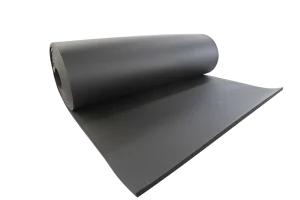
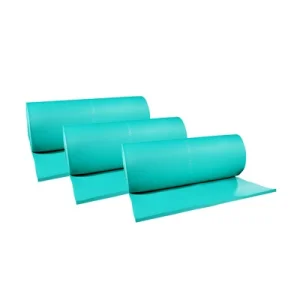
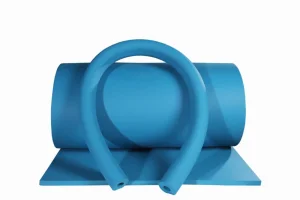
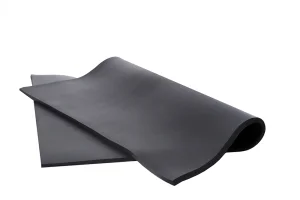
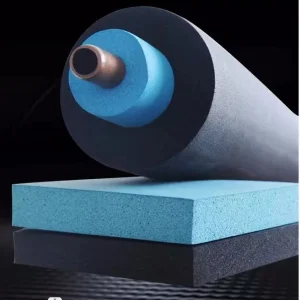
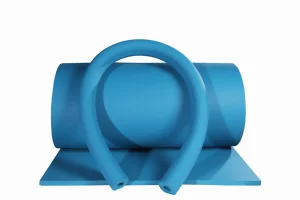
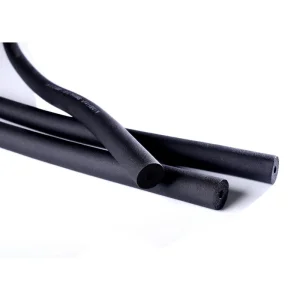
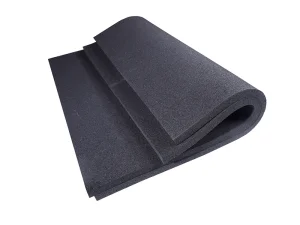
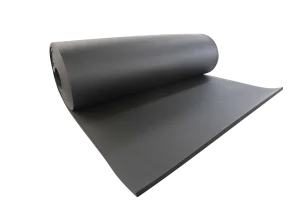
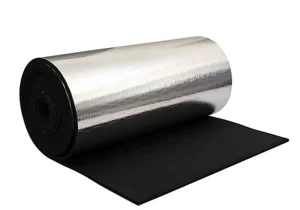
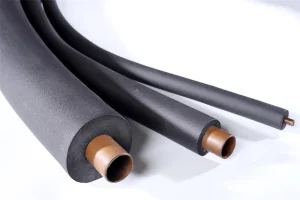
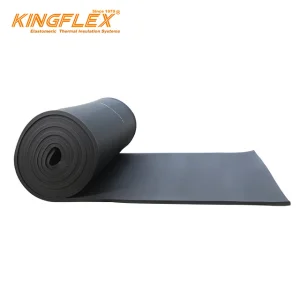
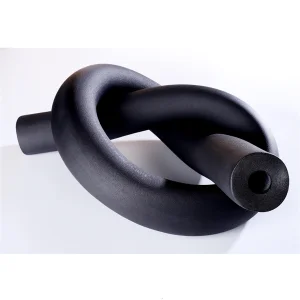
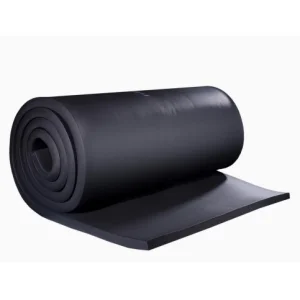
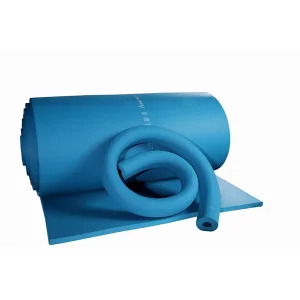
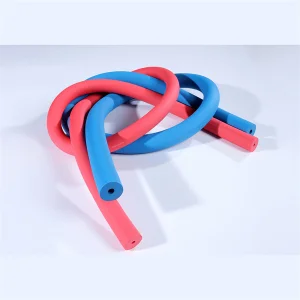
Discover our top-tier flexible elastomeric closed-cell insulation products, optimized for the high humidity and variable thermal gradients of Nigeria's coastal and mainland climates.
Nigeria, as one of Africa’s largest economies and most rapidly urbanizing nations, presents a unique set of challenges and opportunities in infrastructure development. Major commercial hubs like Lagos, Abuja, Port Harcourt, and Kano are experiencing a construction boom, alongside extensive expansions in industrial processes and telecommunications. However, the geographic reality of Sub-Saharan Africa—characterized by persistent high relative humidity in southern coastal regions and extreme ambient temperatures in the north—places extraordinary demands on building services, specifically Heating, Ventilation, and Air Conditioning (HVAC) systems and process piping.
In these climates, thermal insulation is not merely an optional energy-saving component; it is a critical system safety mechanism. High humidity combined with chilled water piping surfaces creates a constant risk of surface condensation. If left uninsulated, or insulated with substandard materials, water droplets accumulate, leading to "sick building syndrome," severe moisture-induced corrosion (CUI) on metallic pipework, mold growth on indoor walls, and structural degradation. Local manufacturing of high-grade elastomeric NBR/PVC foam sheets in Nigeria remains limited due to the capital-intensive nature of polymer foam extrusion and raw material processing limitations. Consequently, major commercial developers, mechanical contractors, and industrial plants rely heavily on importing certified materials from premier international factories to secure their thermal systems.
With rising electricity tariffs, fuel costs, and carbon reduction initiatives like the Nigerian Energy Transition Plan (ETP), architectural energy savings have taken center stage. Proper application of closed-cell rubber foam insulation on HVAC ducts and chilled water pipes reduces energy consumption by up to 25%. This translates directly into substantial operational expenditure (OPEX) savings for commercial properties, shopping malls, cold chains, and residential high-rises.
The global elastomeric foam market is steering rapidly toward sustainable, halogen-free, and fire-resistant polymer modifications. Advanced factories like Kingflex Insulation are at the forefront, replacing traditional chemical agents with clean-foaming technologies that emit zero Ozone Depletion Potential (ODP) and negligible Global Warming Potential (GWP). Additionally, stricter fire safety guidelines globally and locally demand that materials self-extinguish when exposed to fire. This is especially true for public facilities where smoke toxicity is a primary concern. The implementation of high-performance nitrile-butadiene rubber (NBR) and polyvinyl chloride (PVC) blends yields a material characterized by highly uniform micro-closed cells. This precise structure effectively locks in dry air, resulting in outstanding thermal stability.
For engineering consultants and designers specifying projects in Nigeria, standardizing parameters based on international standards is paramount. The table below represents the core engineering specification threshold of our premium NBR/PVC elastomeric rubber foam sheets:
| Physical/Chemical Properties | Reference Standards | Kingflex Standard Parameter Range |
|---|---|---|
| Density Range | ASTM D1667 | 40 - 55 kg/m³ |
| Thermal Conductivity (λ at 0°C) | ASTM C518 / ISO 8301 | ≤ 0.034 W/(m·K) |
| Moisture Resistance Factor (μ) | BS EN 12086 | ≥ 10,000 (Vapor Barrier Built-in) |
| Service Temperature Limit | DIN EN 14707 | -40°C to +105°C (Up to -200°C for Cryogenic lines) |
| Fire Safety Rating | BS 476 Part 6 & 7 / UL 94 | Class 0 (Flame Spread < 25, Smoke Development < 50) |
| Water Absorption Rate | ASTM C272 | ≤ 0.1% by volume |
Operating successfully in Nigeria's commercial and industrial environments requires aligning insulation types with specific local engineering challenges. Kingflex products are custom-configured for the following scenarios:
With high humidity in cities like Lagos and Port Harcourt, air conditioning accounts for the majority of electricity bills. Using closed-cell rubber sheets ensures zero condensation on the outside of large metal air ducts, avoiding mold on drop ceilings and enhancing air quality inside public spaces.
Nigeria’s vital hydrocarbon sector requires specialty insulation that can handle extreme temperatures and resist moisture, salt spray, and chemicals. Our diolefin-modified elastomeric cryogenic systems provide robust insulation protection down to temperatures below -160°C.
Reducing post-harvest loss is a national priority for Nigeria's agricultural sector. Integrating Kingflex rubber foam insulation into cold rooms, refrigerated trucks, and storage facilities helps preserve the thermal environment, reducing reliance on costly diesel generator runtimes.
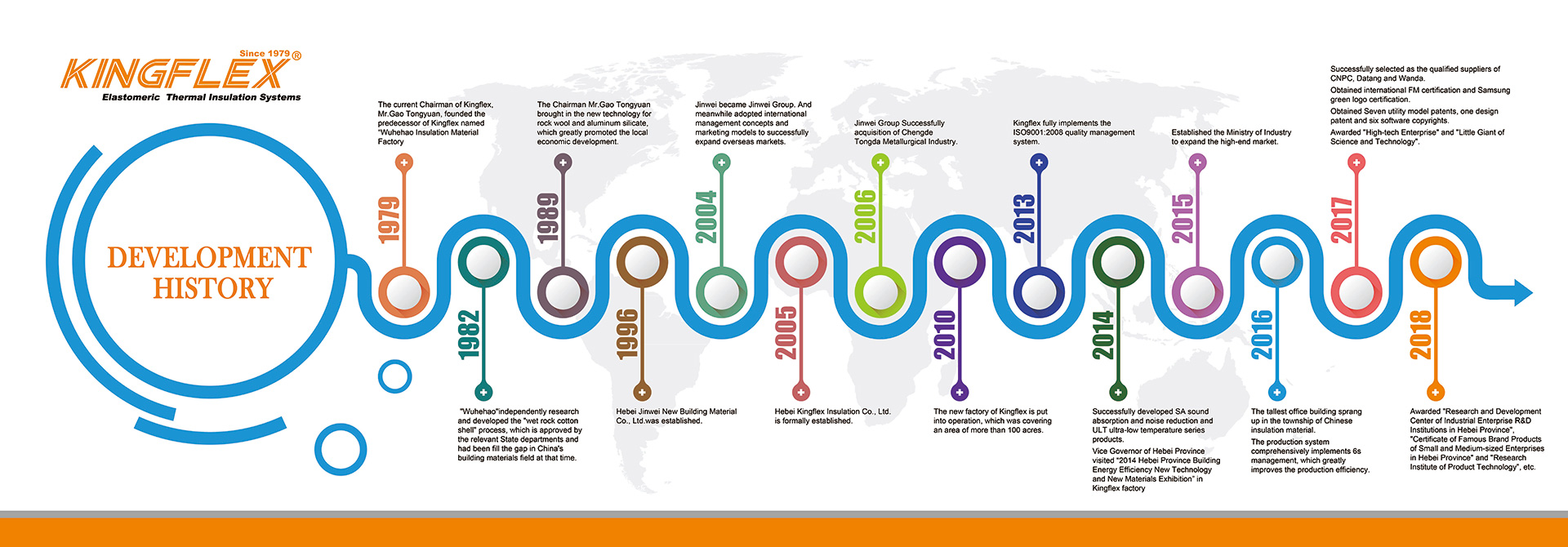
Kingflex Insulation Co., Ltd. is a professional manufacturing and trading combo for thermal insulation products, born out of the prestigious Jinwei Group, which boasts a rich legacy spanning more than 40 years. Established in 1979, Jinwei Group was a pioneer of thermal insulation materials north of the Yangtze River, creating a solid foundation for professional research, technical expertise, and product excellence.
Our state-of-the-art production base operates 5 large automatic assembly lines, capable of delivering over 600,000 cubic meters of high-density elastomeric insulation sheets, rolls, and pipes annually. Every batch of rubber foam rolls is engineered using precise formulations, ensuring uniform cellular sizes, reliable fire resistance, and long-term insulation effectiveness.

Quality and credibility are the pillars of the Kingflex philosophy. Our R&D department features a dedicated team of 8 senior materials engineers working alongside an experienced quality control division. Together, they ensure that all insulation components match international standards, including BS 476, CE, REACH, RoHS, UL 94, and ASTM. This rigorous oversight ensures complete product traceability from raw polymers to final delivery on-site in Nigeria.
Our global sales team works closely with logistics partners to coordinate sea freight directly to major Nigerian ports (such as Apapa or Tin Can Island Port). This streamlined process helps minimize turnaround times and ensures smooth local customs clearing.
We provide customized roll lengths and thicknesses to fit specific project requests, helping contractors minimize scrap rates and reduce installation costs.

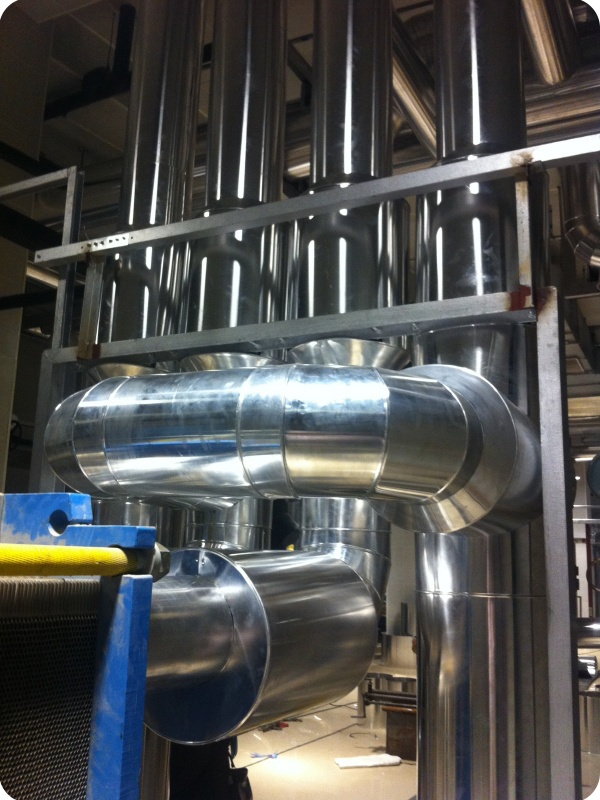
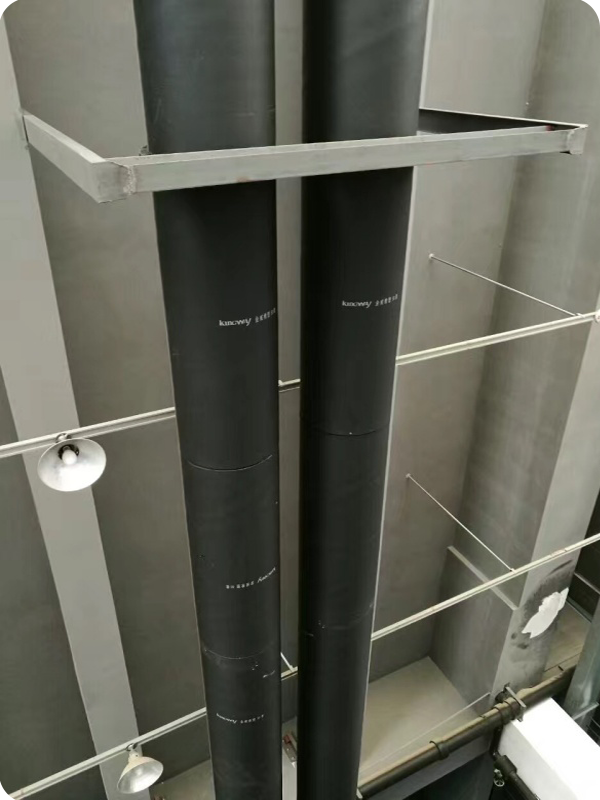
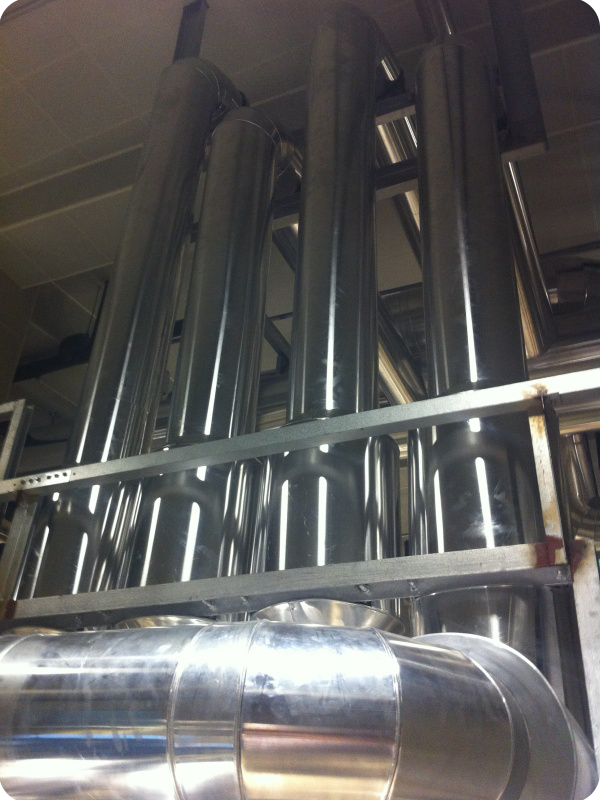
Our engineering support team answers common questions from Nigerian mechanical consultants, project managers, and quantity surveyors:
Explore our complete range of elastomeric thermal and acoustic insulation products. Select any item to view technical specifications and request a quotation:
Explore our specialty tube insulation systems designed for mechanical line protection under high-humidity conditions:
Our team provides technical evaluations, thickness calculations, and FOB/CIF cargo shipping rates for Lagos (Apapa/Tin Can), Port Harcourt, or Onne. Contact our engineering desk today for support on your upcoming commercial or industrial projects.
 Kingflex